Overall Flavor and Taste Characteristics of Yunnan Coffee Beans - Introduction to Yunnan Small Bean Coffee Varieties, Origins, Brands, and Quality Levels

Yunnan Pu'er tea is famous worldwide, but few realize that coffee has also become one of Yunnan's signature products. When coffee comes up, many assume imported is better, unaware that Chinese-grown coffee has already earned wide recognition. FrontStreet Coffee believes that although Yunnan, as China's largest coffee-growing region, produces smaller volumes than some neighboring countries, its coffee quality is in no way inferior. Yunnan accounts for 95% of China's total coffee output, making it the country's core production area.
Ideal Growing Conditions
Coffee is an agricultural crop with particular demands. The western and southern parts of Yunnan Province sit between 15°N latitude and the Tropic of Cancer—squarely within the ideal coffee-growing belt. Yunnan's elevation generally ranges from 1,500 to 2,200 meters; in the southwestern border regions the terrain is gentler and flatter, with typical elevations of 800-1,000 meters, mostly mountains and slopes. Yunnan offers favorable conditions for coffee: a comfortable climate, wide day-night temperature swings, and small seasonal variations. Together these create an excellent environment for coffee cultivation.
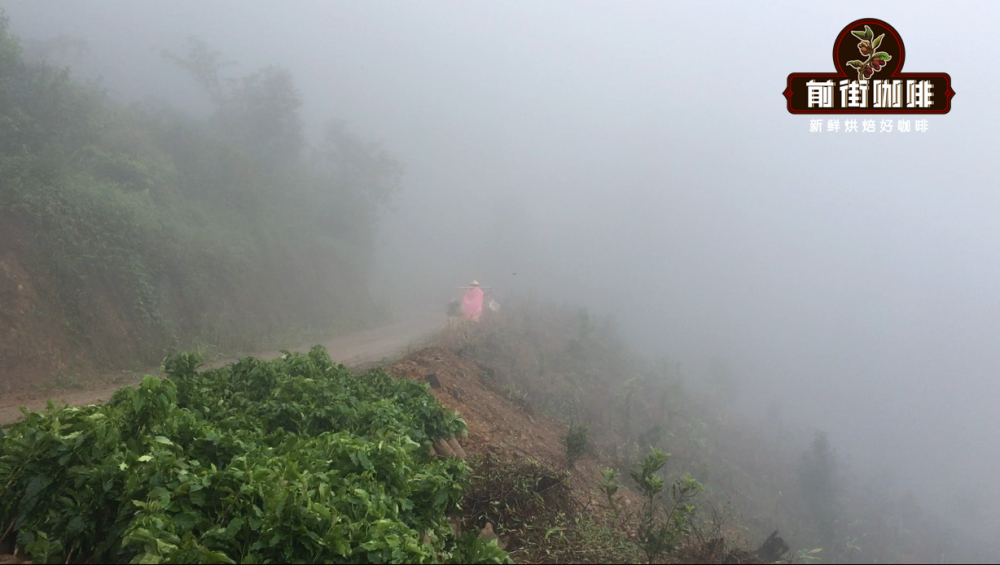
FrontStreet Coffee believes it is precisely these unique natural conditions that shape Yunnan coffee's profile—rich without bitterness, fragrant without harshness, with delicate fruit notes and a tea-like finish. Not every place can grow good coffee. FrontStreet once tried planting coffee in Dazhen, Guangdong, without fully understanding coffee's requirements; once we understood better, we established our own estate in Lincang, Yunnan—the FrontStreet Coffee Estate.
Yunnan Coffee Growing Regions
Yunnan's renowned coffee regions include Baoshan, Pu'er, Lincang, and Dehong.
Baoshan Coffee Region
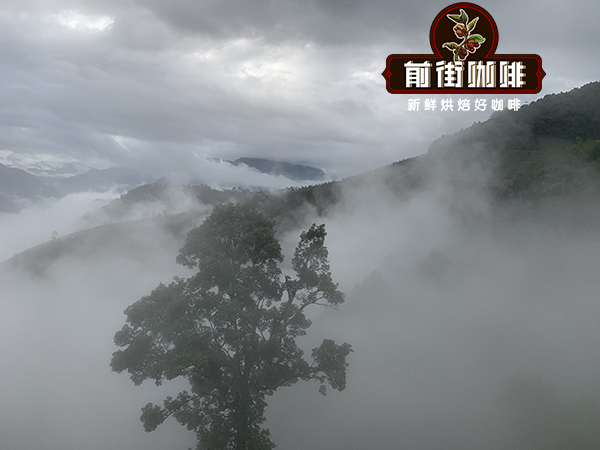
Baoshan primarily produces small-bean (Arabica) coffee. As one of Yunnan's three major small-bean regions, Baoshan pioneered small-bean cultivation and processing in China, with a history dating to the mid-1950s—FrontStreet's research found coffee trees there already over 60 years old. The Lujiangba area of Baoshan has a dry-hot valley climate unique in the province and the country, exceptionally suited to Arabica. Located at the eastern foot of the Gaoligong Mountains along both banks of the Nujiang River, at 98°44′-99°05′E and 24°46′-25°33′N, with elevations from 640 to 3,510 meters, most small-bean plantings sit between 800-1,200 meters with a small portion around 1,400 meters. The area has a subtropical monsoon climate with an average annual temperature of 21.3°C, 2,334.5 hours of annual sunshine, and annual rainfall of about 721.5 mm, with essentially no frost all year—one of the world's famous premium small-bean coffee areas. Tasting experts from international coffee organizations have rated Yunnan coffee in the same class as Colombian washed milds, representing top world quality.
Yunnan Small-Bean Coffee Varieties
What we commonly call Yunnan coffee is also known as Yunnan small-bean coffee. What exactly are these varieties? According to FrontStreet Coffee: "small-bean" is simply another name for Arabica, which bears the smallest cherries of the three coffee species. The most famous Yunnan beans belong to this group. The name traces to Typica, the Arabica small-bean variety, and Typica is Yunnan's oldest coffee variety. Later, when Nestlé entered Yunnan, Typica's poor disease resistance became a problem: to raise output, farmers were asked to cut down the flavorful Typica trees and plant varieties with inferior flavor but better resistance and higher yields. First came the leaf-rust-resistant S288, then the higher-yielding Catimor. As a result, the trees now grown across Yunnan are mainly Catimor, and most "Yunnan small-bean coffee" is Catimor.
Typica
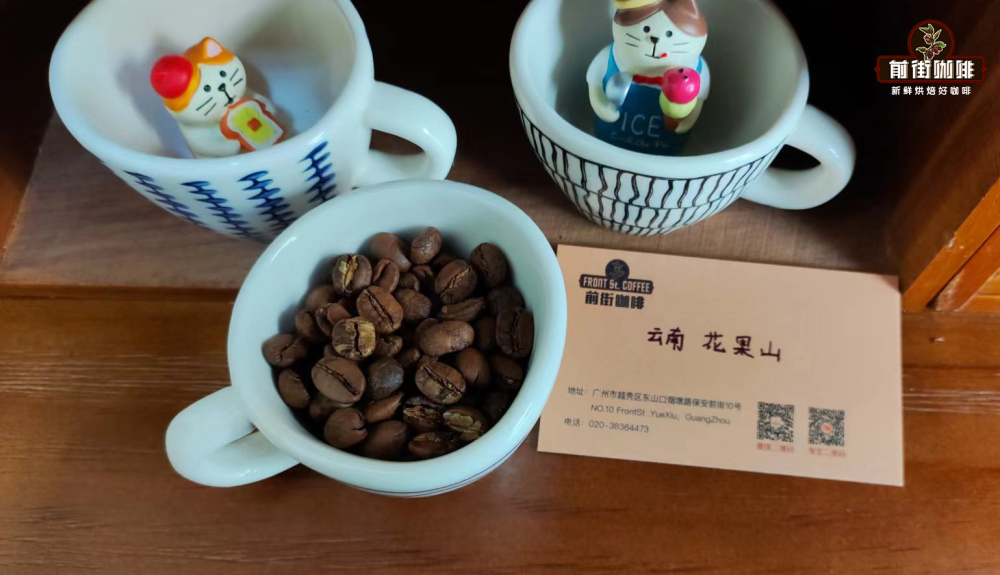
Typica is one of the oldest varieties within Arabica. Typica trees have reddish-brown terminal leaves, long oval leaves with smooth surfaces, long terminal branches with few laterals, and oval or slender-pointed beans. The flavor is elegant, but the plant is relatively fragile—poor disease resistance, susceptible to leaf rust, and lower yielding. FrontStreet's Yunnan Huaguoshan coffee is Typica.
Catimor
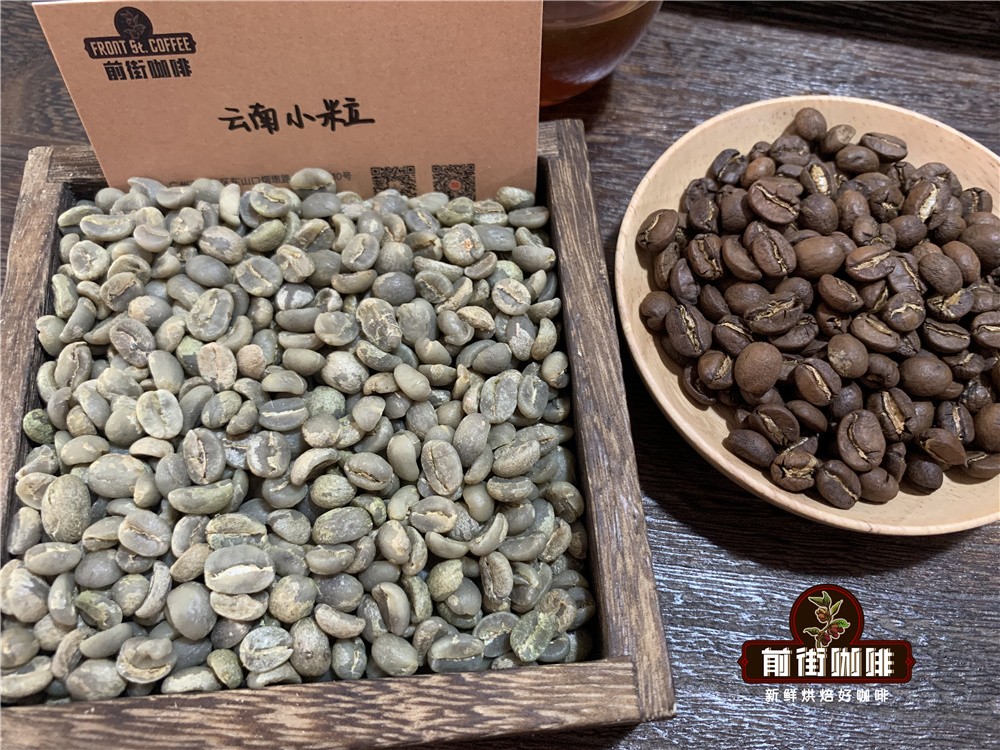
Catimor is a hybrid cross between Robusta-descended and Arabica lines. In 1959, the Portuguese moved Caturra—an Arabica of Bourbon descent—to East Timor and crossed it with the local Timor Hybrid of Robusta descent, creating a variety with both high disease resistance and high productivity. Because leaf rust was rampant in producing countries at the time, Catimor was strongly promoted worldwide with international assistance.
FrontStreet Coffee Estate, however, grows the pricier, lower-yielding Typica. We have also implemented stricter sorting and management systems and hired and trained skilled workers. All of this effort culminates in our "FrontStreet Coffee 2013" beans.
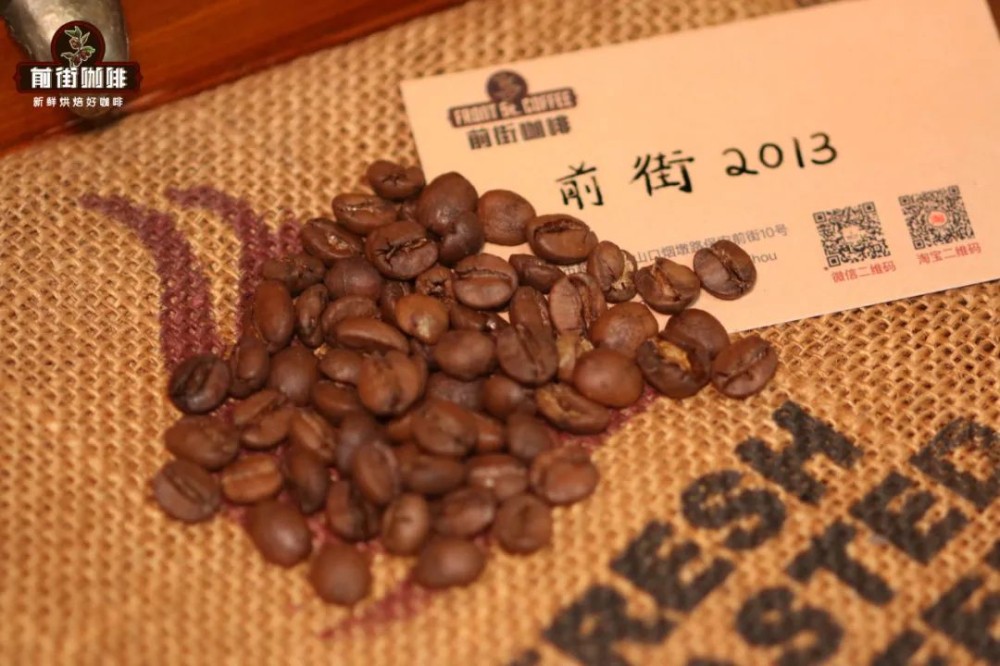
The FrontStreet plantation is in Lincang, at 23°N and 99°E, with elevations from 1,230 to 1,540 meters—a 310-meter spread. The terrain is mainly mountains and slopes with significant variation, fertile soil, abundant sunshine, rich rainfall, and large day-night temperature differences. These natural conditions give FrontStreet's Yunnan coffee its lively, bright acidity and smooth palate with Asian herbal notes—qualities determined by environment, climate, and cultivation management together.
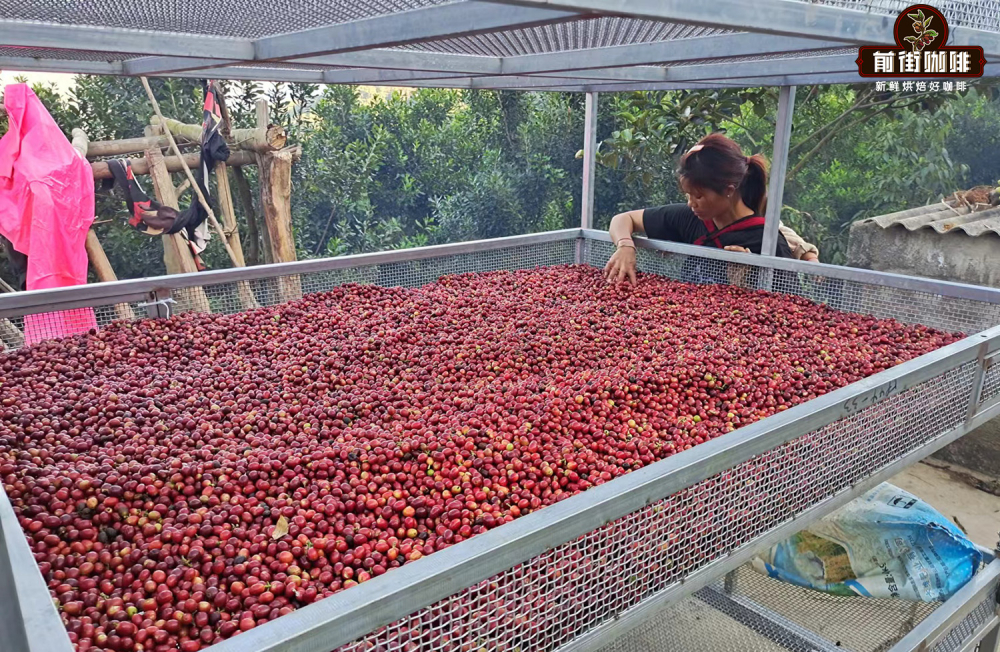
Yunnan Small-Bean Coffee Processing
Yunnan's weather is unstable—sunny one moment, rainy the next. For that reason, most Yunnan coffee is washed.

The process: harvested cherries go into a depulper to strip most of the fruit, then the parchment beans flow into clean-water tanks to ferment, removing the remaining mucilage completely. Water processing also sorts out unripe and defective beans by buoyancy, and fermentation is easier to control. So unlike naturals, which can carry muddled flavors, washed coffee shows distinct fruit acidity, a touch more complexity, and a cleaner cup. FrontStreet Coffee believes washed processing is the best way to showcase local character.
FrontStreet Coffee Brewing Recommendations
Because the Yunnan growing region is not especially acidic, the beans taste quite balanced, with base notes of nuts and brown sugar. FrontStreet chooses a medium roast to highlight that balance, the nutty and brown-sugar sweetness, and the gentle fruit acidity of Yunnan coffee.
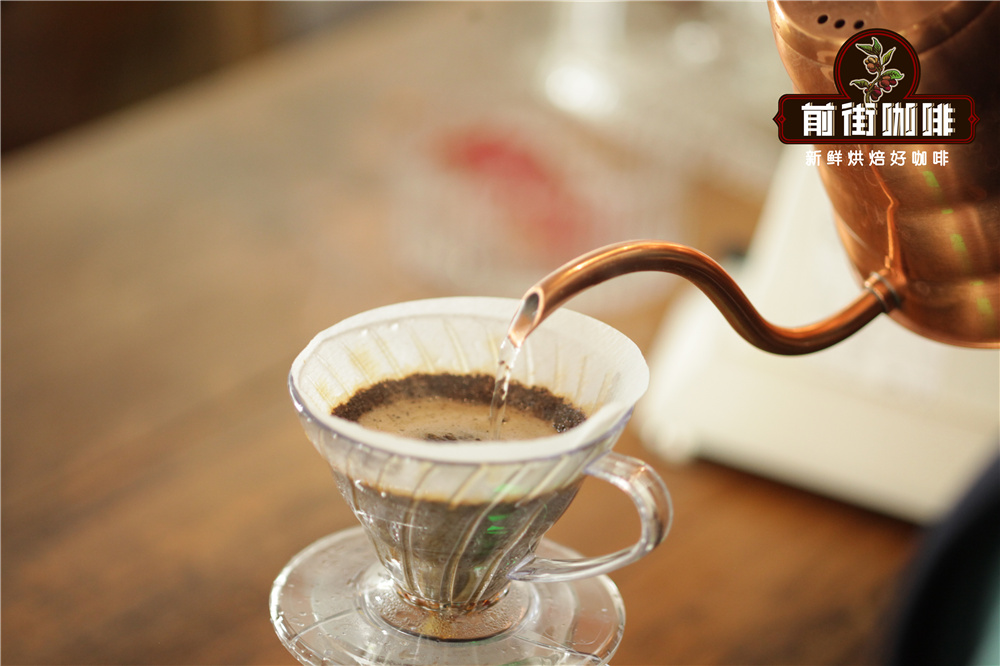
Brewing Parameters:
- Dripper: V60
- Water temperature: 88°C
- Coffee dose: 15 grams
- Coffee-to-water ratio: 1:15
- Grind size: fine-granulated-sugar granularity (80% pass-through on the China standard #20 sieve)
Use a three-pour method to draw out more layers. First, pour 30 grams of water to wet the grounds completely and bloom for 30 seconds. Then, with a small flow, pour slowly in circles to 125 grams, building segmentation. When the water level drops to just above the coffee bed, make the third pour to 225 grams and stop. Wait for all the water to drip into the server before removing the dripper. Total extraction time: 2 minutes.
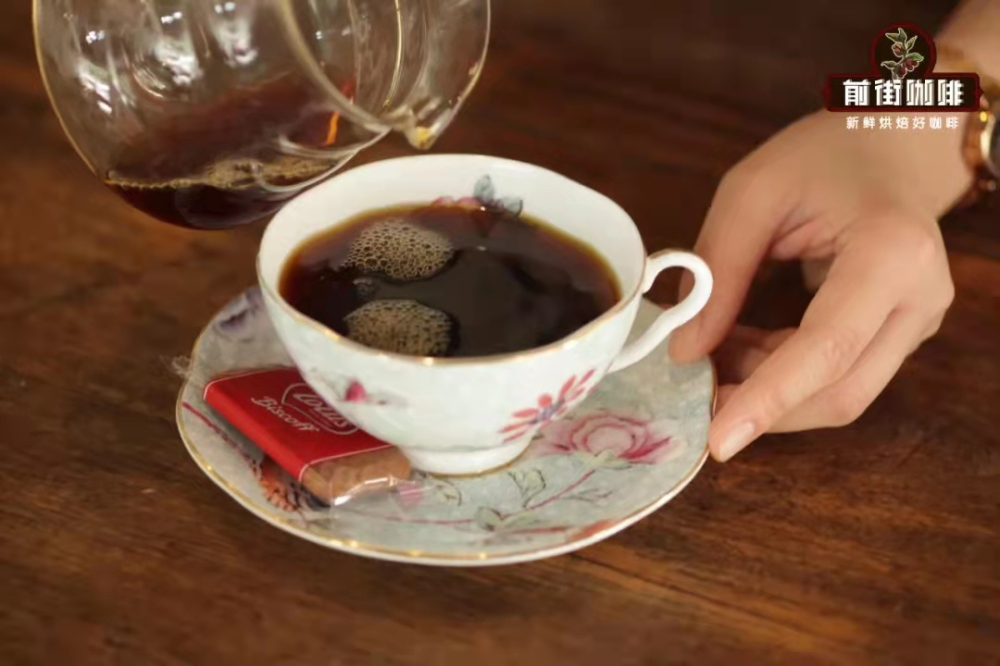
Flavor Profiles:
FrontStreet Washed Yunnan Small-Bean Coffee: Rich nutty aroma, with herbal, chocolate, and caramel notes on the palate and a finish of light fruit acidity.
Yunnan Natural Typica Coffee: Nutty tones with a fuller body than the washed. Acidity runs slightly lower, but sweetness and balance are higher—berry-like acidity laced with brown sugar and a faint tea-like sensation.
For brewing, FrontStreet recommends freshly roasted beans to bring out the fullest flavor. All FrontStreet beans ship within 5 days of roasting, because freshness profoundly affects flavor. Our roasting philosophy is "Freshly Roasted Quality Coffee," ensuring every order arrives fresh; with a resting period of about 4-7 days, the beans reach peak flavor as customers receive them.
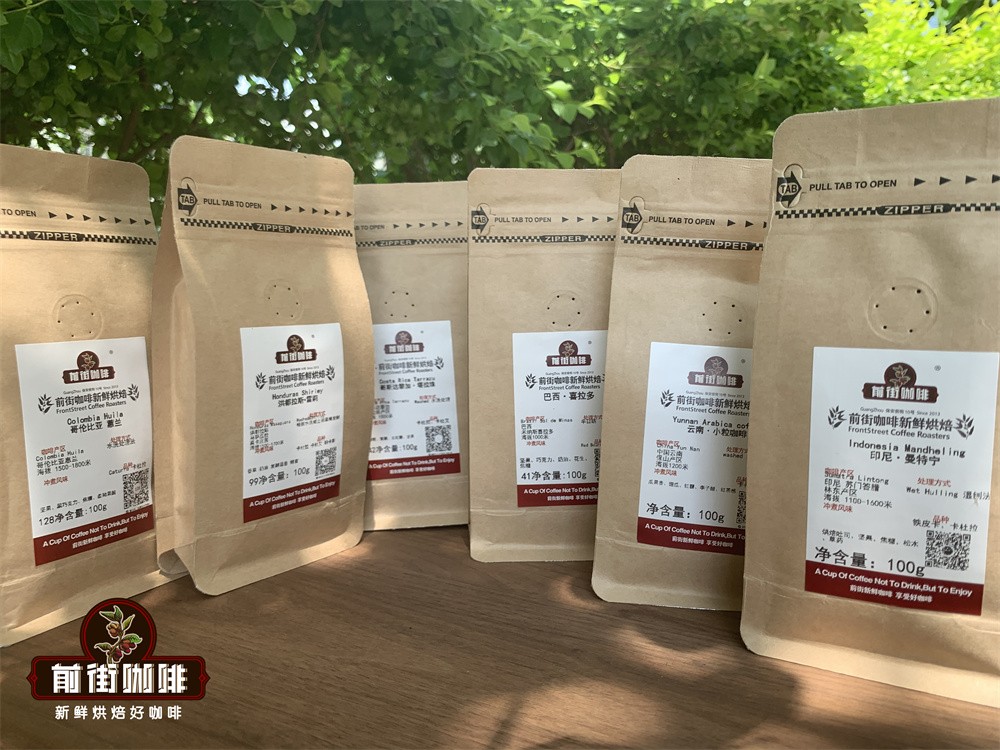
FrontStreet finds Yunnan small-bean coffee relatively neutral on the palate—neither too acidic nor too bitter, fragrant without bitterness and rich without harshness, with a comfortable touch of acidity that suits popular tastes. If you prefer fruit acidity, choose high-altitude, lightly roasted Yunnan beans, which show higher acidity and softer bitterness. If you dislike acidity altogether, choose a darker roast, accepting somewhat more bitterness. FrontStreet's daily bean lineup includes Yunnan small-bean coffee alongside seven beans from other origins—come and taste them all.
FrontStreet Coffee Recommendation
The Story of Yunnan Small-Bean Coffee
Yunnan coffee is often called "Yunnan small-bean"—"small-bean" being simply the local name for Arabica, the species with the smallest cherries among coffee's three original species. The story begins in 1904, when the French missionary Tian Deneng brought Typica seeds from Vietnam into Yunnan and planted the first coffee tree in Zhugula Village, Binchuan County—a success thanks to Yunnan's favorable geography and climate. Yunnan sits on the golden coffee belt around 25°N, where the ideal growing temperature of 16-21°C, fertile sloping soils, plentiful sunshine, abundant rain, and wide day-night temperature swings all favor the coffee tree. Planting is concentrated in the province's southwest, across the four major regions of Baoshan, Dehong, Pu'er, and Lincang; FrontStreet's daily lineup includes Yunnan beans from Baoshan and Lincang.
FrontStreet Yunnan Baoshan Small-Bean
Baoshan's coffee history began in the mid-1950s, introduced by the patriotic overseas-Chinese gentleman Liang Jinshan. Its frost-free warmth suits small-bean coffee perfectly, and the unique dry-hot valley climate around Lujiangba—small seasonal swings but large day-night differences—creates Baoshan's distinctive sweet finish, while moderately low rainfall gives the cherries a real advantage. For an entry-level Chinese Arabica, FrontStreet Yunnan Small-Bean is the first choice: washed and medium-roasted, it highlights a caramel sweetness while keeping some acidity, expressing the region's terroir clearly—gentle nut and chocolate sweetness with a light plum-like acidity, at a friendly price that makes it many people's first taste of Yunnan coffee.
FrontStreet 2013 Yunnan Natural Typica
To explore Yunnan's origins more deeply, FrontStreet built its own estate in 2013 and planted Typica—both one of the oldest coffee varieties, with pure Arabica genes and an elegant, clean cup long recognized as a specialty variety, and the very variety the French missionaries first brought to Yunnan, in the hope of recovering that original taste of place. If FrontStreet Yunnan Small-Bean brings newcomers in, the 2013 Typica is the step up. The estate uses only fully ripe, all-red cherries, processed natural—the most primitive and traditional method—then roasted medium for balance and pronounced sweet-sour character. The cup carries dark-berry tones with caramel sweetness, chocolate, and a hint of dried apricot, finishing on black tea; other tastings note citrus and berry with a whisper of fermented wine aroma and a creamy aftertaste.
FrontStreet Black Cocoa Espresso Blend
To taste Yunnan in espresso, choose the barista-favorite FrontStreet Black Cocoa Blend, combining Yunnan small-bean with Brazil Cerrado. The Brazil component supplies mixed-nut aroma and balance, while the Yunnan beans play chocolate and citrus. The Americano it makes balances sweet, sour, and bitter with nutty, brown-sugar sweetness; as a latte it pours smooth as almond and cream—very forgiving for beginners.
Important Notice :
FrontStreet Coffee is a long-established specialty coffee roaster in Guangzhou China, selling freshly roasted beans from its own farm in Yunnan as well as dozens of carefully selected single-origin beans from around the world for both pour-over and espresso. The products deliver consistently excellent quality and great value, with shipping within 24 hours. Guangzhou's FrontStreet Coffee shop is recommended by many coffee lovers, and the beans are now available online at the Tmall 。
FrontStreet Coffee has moved to a new address:
FrontStreet Coffee Address: 315,Donghua East Road,GuangZhou
Tel:020 38364473
 Scan and follow the En Gafei WeChat official account. Please indicate that the reprint comes from "En Gafei".