How Many Days Should Freshly Roasted Coffee Beans Rest? What Is the Optimal Flavor Period and Why You Shouldn't Exceed This Timeframe
FrontStreet Coffee - An Introduction to Coffee Bean Resting and Flavor Periods
Coffee beans behave a bit like living things. Just as our bodies age through cellular oxidation, freshly roasted beans are still immature and have not yet reached their peak. They need time to develop - and that process is what we call resting, or more precisely, degassing.
Freshly roasted coffee contains roughly 2% carbon dioxide by weight. That CO2 escapes gradually depending on how the beans are stored, building a pressure inside the packaging slightly above atmospheric. That gentle pressure helps aromatic compounds and oils meld together, bringing everything inside the bean to a state where it extracts easily. This is also why commercial bags carry a one-way valve: it lets excess carbon dioxide escape without letting air in, so the bag does not burst.
What does this have to do with packaging? The answer lies in the remarkable structure of the coffee bean's cell walls. They are only about 5 micrometers thick, yet they can withstand around 140 psi of pressure - most of it generated by the carbon dioxide produced in the later stages of roasting. A few days after roasting, the degassing process begins in earnest and CO2 starts working its way out of the bean.
Whole beans degas far more slowly than ground coffee, and degassing itself shortens the bean's lifespan. Early on, air replaces the escaping carbon dioxide at roughly a 1:1 ratio, and since air is about 21% oxygen, that influx oxidizes the coffee rapidly. As internal pressure drops, the degassing rate slows. Over time, a 12-ounce bag of roasted beans can release more than half a cubic foot of carbon dioxide.
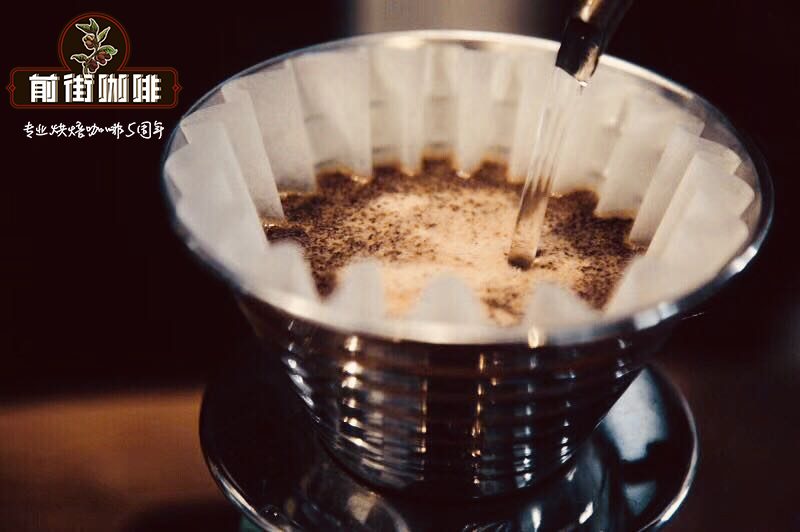
After roasting, coffee passes through an optimal tasting window. In the first week or so the beans undergo a kind of auto-fermentation that rounds the flavors out; afterwards, oxidation and the loss of volatile aromatics slowly strip the cup of its brilliance. For that reason the best drinking window is generally within two weeks of the roast date: the aromas are vivid, the oils abundant, and sweet coffees leave a clear, lingering finish. A simple home test: freshly roasted coffee grounds expand noticeably when hot water hits them. Keep in mind that different roast levels have windows of different lengths, which is why specialty roasters often print a suggested resting time or tasting window on the bag.
The Optimal Drinking Period for Fresh Coffee
When buying coffee - specialty beans especially - pay attention to the flavor period. Roasted beans are generally best within one month of roasting, or up to two months if stored properly and sealed. Once coffee is ground, the jump in surface area accelerates oxidation and the loss of aromatics, so drip bags should be brewed within two weeks of the roast to taste what they truly offer. Past the flavor period, you may be left with little but flat bitterness or off-flavors. Freshness is king.
Our advice: if you love coffee, buy whole beans and grind only what you need for each brew - it maximizes how long the coffee stays vibrant. If you drink drip bags for convenience, buy no more than a half-month supply at a time.
Knowledge Point: One way to tame aggressive degassing is simply to rest the beans longer, letting the oxidation reaction stabilize so the flavors settle into balance.
FrontStreet Coffee Recommendation
Resting matters most with espresso blends, which need a few days off the roast before they taste their best. FrontStreet ships every batch of coffee within 5 days of roasting, so the beans arrive right as they are entering their tasting window. Among FrontStreet's five espresso blends, the FrontStreet Classic Blend is a natural pick: a medium-dark, three-origin recipe inspired by the old-school "Mamba" pairing of Mandheling and Brazil, with a touch of Robusta added for aroma and crema, so even beginners can pull a golden-crema shot at home.
The FrontStreet Signature Blend - Colombian washed and Brazilian pulped natural - is another safe bet for home or the office, with notes of nuts, dark chocolate, and caramel, comfortable bittersweetness, and a stable canvas for latte art. Shop owners watching costs should look at the FrontStreet Dark Cocoa Blend, a 100% Arabica combination of Yunnan washed and Brazilian pulped natural beans that grinds up with a cream-chocolate, cocoa-cookie aroma and pours a golden, glossy crema.
And if you would rather rest and brew a single origin, the FrontStreet PWN Indonesian Golden Mandheling, roasted dark, offers a thick, low-acid cup of herbs and dark chocolate that holds up beautifully long after the rest period ends.
Important Notice :
FrontStreet Coffee is a long-established specialty coffee roaster in Guangzhou China, selling freshly roasted beans from its own farm in Yunnan as well as dozens of carefully selected single-origin beans from around the world for both pour-over and espresso. The products deliver consistently excellent quality and great value, with shipping within 24 hours. Guangzhou's FrontStreet Coffee shop is recommended by many coffee lovers, and the beans are now available online at the Tmall 。
FrontStreet Coffee has moved to a new address:
FrontStreet Coffee Address: 315,Donghua East Road,GuangZhou
Tel:020 38364473
 Scan and follow the En Gafei WeChat official account. Please indicate that the reprint comes from "En Gafei".