What Does Bean Degassing Mean? Is Unrested Pour-Over Coffee Really That Unpleasant?
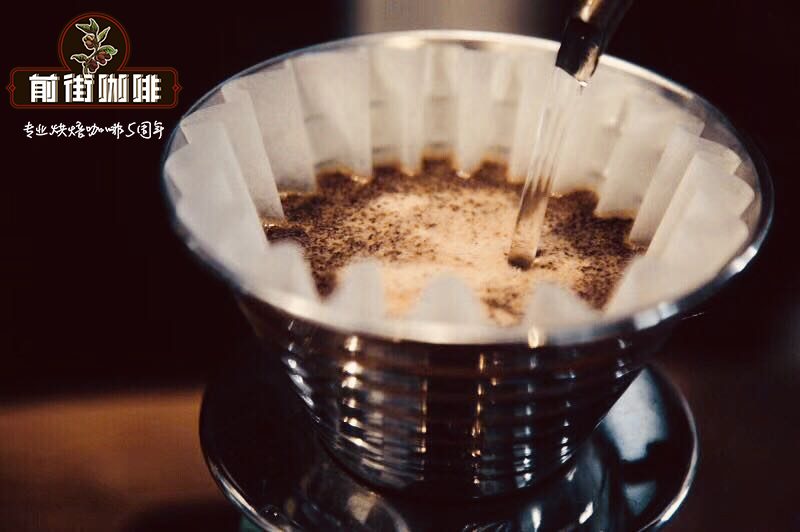
FrontStreet Coffee - Introduction to Coffee Bean Degassing
Put simply, degassing is the release of gas - better known as "resting" or "aging" your beans.
Freshly roasted coffee holds roughly 2% carbon dioxide by weight. How quickly that CO2 escapes depends on storage conditions, equipment, and method; as it builds, pressure inside the packaging climbs above atmospheric pressure, which helps aromatic compounds bind with the oils and brings every internal aromatic substance to a state where extraction becomes easy.
Degassing typically begins about three hours after the roast ends. Beans brewed with virtually no resting produce wildly inconsistent flavors. Pour hot water over grounds from beans roasted that same morning - or pull an espresso with them - and you'll get a sharp, aggressive cup with harsh over-extracted bitterness and a brash acidity, nothing like the smooth, sweet profile you were hoping for.
What Is the Purpose of Degassing?
Although a bean's flavor composition is largely set by the roast, many people chalk every flavor change up to the bean's natural daily evolution. In reality everything degrades slightly through oxidation, and coffee shows those shifts far more clearly than fruit does.
Don't underestimate proper resting - the taste of improperly rested coffee is unmistakable. Under-degassed beans carry a "harsh" edge: the smoky residue of high-heat roasting still trapped inside the bean. Only a period of maturation and CO2 release clears it. Give the beans several days of rest and the cup turns cleaner, with the coffee's true character stepping forward.
How Do You Degas Coffee Beans? How Long Should They Rest?
So how do you actually rest beans? Notice the small round valve on the bag? That's the one-way degassing valve. The best method is simply to leave the beans in their original sealed bag with the valve intact, stored somewhere cool, dry, dark, and away from strong odors. Once the resting period is over, seal the valve (a strip of tape works fine).
As for how long to rest, ask your roaster first. Every roaster works differently - different techniques, roast depths, and effects on bean structure - so there's no universal answer. But roast level is a reliable starting point.
Generally, medium to dark roasts need less resting than light roasts, typically around three days. Some argue no resting is needed at all. Because roasters differ so much, results vary too - one roaster's beans may simply mature faster than another's.
Key Point: To manage degassing, extend the resting window and let the beans' oxidation gradually stabilize - the flavors settle into better balance as a result.
FrontStreet Coffee Recommendation
Resting rules change with the roast. For dark-roast lovers, FrontStreet Coffee's PWN Golden Mandheling from Indonesia - low in acidity, thick and long on the palate, layered with herbs, dark chocolate, and a faint earthiness - is the benchmark, and it rewards a short rest before brewing.
For light roasts, which need a longer rest, try FrontStreet Coffee's Yirgacheffe Guodingding (Worka): bright citrus, berry, and floral notes with a green-tea-like sweetness. Its lively acidity tastes rough and sharp too soon, but once properly rested it turns soft, luminous, and effortlessly sweet.
Important Notice :
FrontStreet Coffee is a long-established specialty coffee roaster in Guangzhou China, selling freshly roasted beans from its own farm in Yunnan as well as dozens of carefully selected single-origin beans from around the world for both pour-over and espresso. The products deliver consistently excellent quality and great value, with shipping within 24 hours. Guangzhou's FrontStreet Coffee shop is recommended by many coffee lovers, and the beans are now available online at the Tmall 。
FrontStreet Coffee has moved to a new address:
FrontStreet Coffee Address: 315,Donghua East Road,GuangZhou
Tel:020 38364473
 Scan and follow the En Gafei WeChat official account. Please indicate that the reprint comes from "En Gafei".