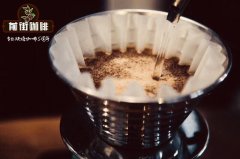
How to Properly Brew Panama Geisha - Flavor Profile of Hacienda La Esmeralda Red Geisha Pour Over

Even people who rarely drink coffee have usually heard of Blue Mountain — for years it was simply shorthand for premium coffee. But do you know Geisha? Geisha coffee is one of the most expensive coffees in the world, and its flavor gives up nothing to Blue Mountain; if anything, it offers a far richer spectrum of aromas and fruit.

FrontStreet Coffee Introduces Geisha Coffee
Geisha coffee grew in Ethiopia, so why did it become famous in Panama? The variety was discovered in the Geisha forest of Ethiopia in 1931 and sent to leading coffee research institutes in Kenya. In 1936, Geisha was introduced to Uganda and Tanzania. In 1953, Costa Rica began introducing it as well. Finally, in the 1970s, Mr. Francisco Serracin of the Tumba Seven farm in Panama received seeds from CATIE in Costa Rica and started planting Geisha. With extremely low yields and a market that only took beans by auction bid, it remained a nobody among coffee trees: low production, tall trees, hard to harvest — it was even planted as a windbreak, which in hindsight feels almost pitiful.
Nearly half a century later, Panama's Hacienda La Esmeralda separated Geisha from its other varieties in 2003, and in 2004 it won the BOP competition. The Geisha variety officially stepped into the spotlight. That is why Geisha from Hacienda La Esmeralda in Panama is regarded as slightly superior to Geisha from Geisha Village — and why the Esmeralda lots impress so deeply.
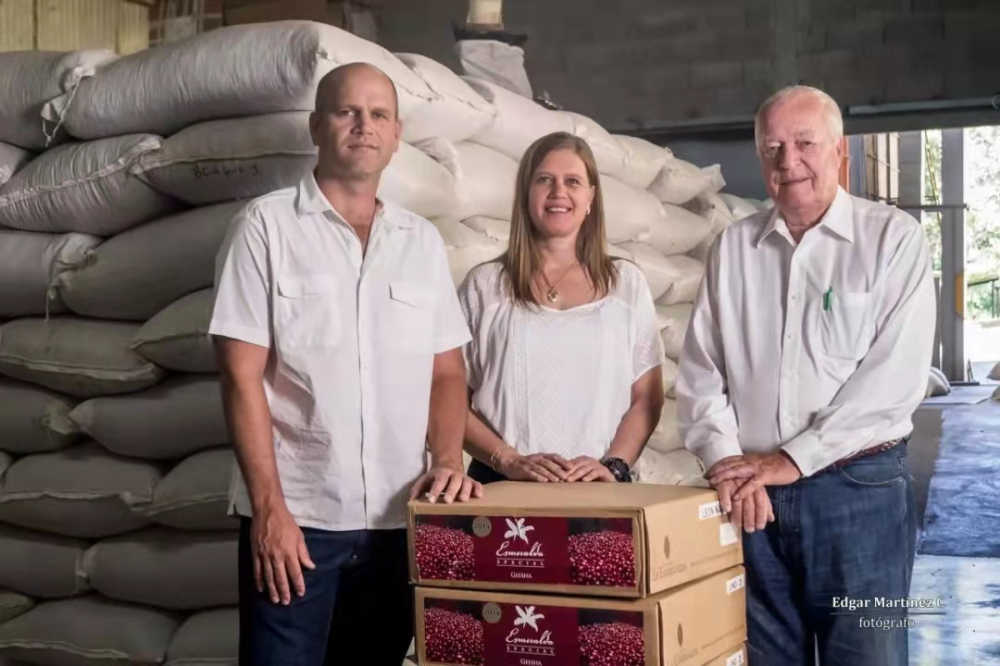
Getting to Know Hacienda La Esmeralda
It is the same variety — so why did Geisha stay obscure in Ethiopia yet become an overnight sensation at Panama's Hacienda La Esmeralda, inspiring the whole world to study and plant it?
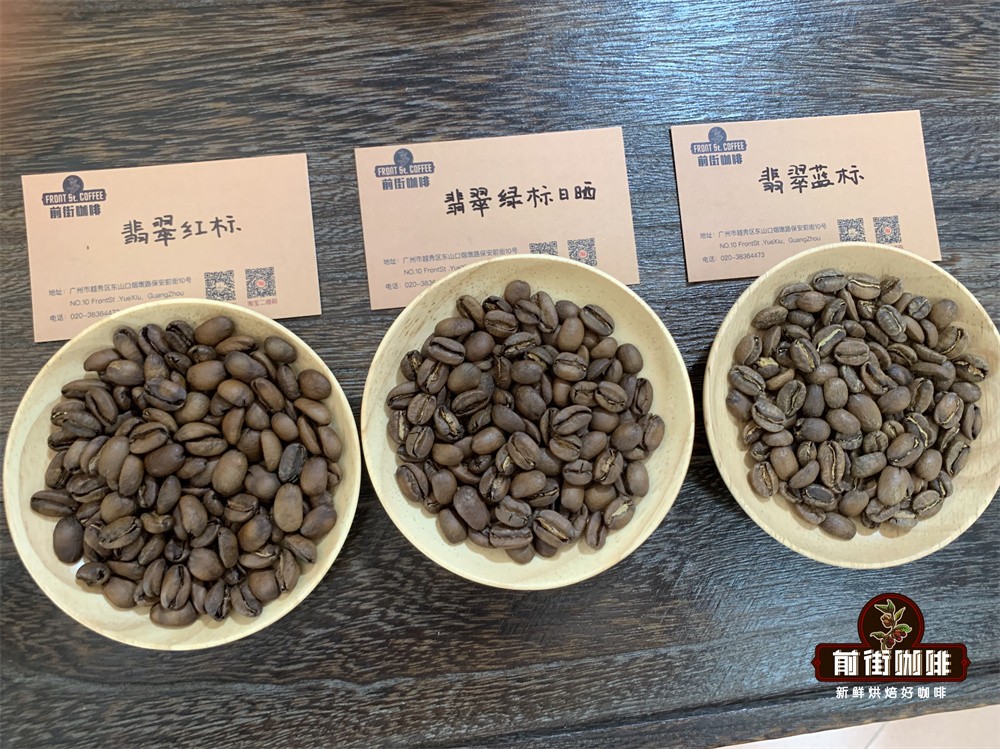
The answer, as we often say, is that the environment shapes what grows there — and coffee is, after all, an agricultural crop. Geisha is particularly picky about where it lives: it demands high altitude, cloud shade, fertile soil, and sufficient accumulated temperature. Panama's climate answered that calling. Panama borders Costa Rica and Colombia, and the east-to-west terrain funnels cold air currents to converge over the central mountains at altitudes above 6,500 meters, creating a very unique microclimate in the Boquete and Piedra de Candela regions. Temperatures and rainfall there are perfectly suited to plant growth, and this microclimate zone is the heart of Panama's coffee production. On top of the climate, the surrounding land is rich in nutrients, and the fertile soil provides ideal growing conditions that have shaped many unique, high-quality coffees. Hacienda La Esmeralda is a witness to this elite era.
What's Special About Esmeralda Special Selection Geisha?
To many people, Geisha feels like the luxury of the coffee world. In fact, the name Geisha is simply the elegant translation of the variety's name — it belongs to the same category of designation as Typica and Bourbon. We rarely hear products called "Typica beans" or "Bourbon beans" outright; those varieties sit quietly in the variety column. Geisha, by contrast, shows up in countless product names.
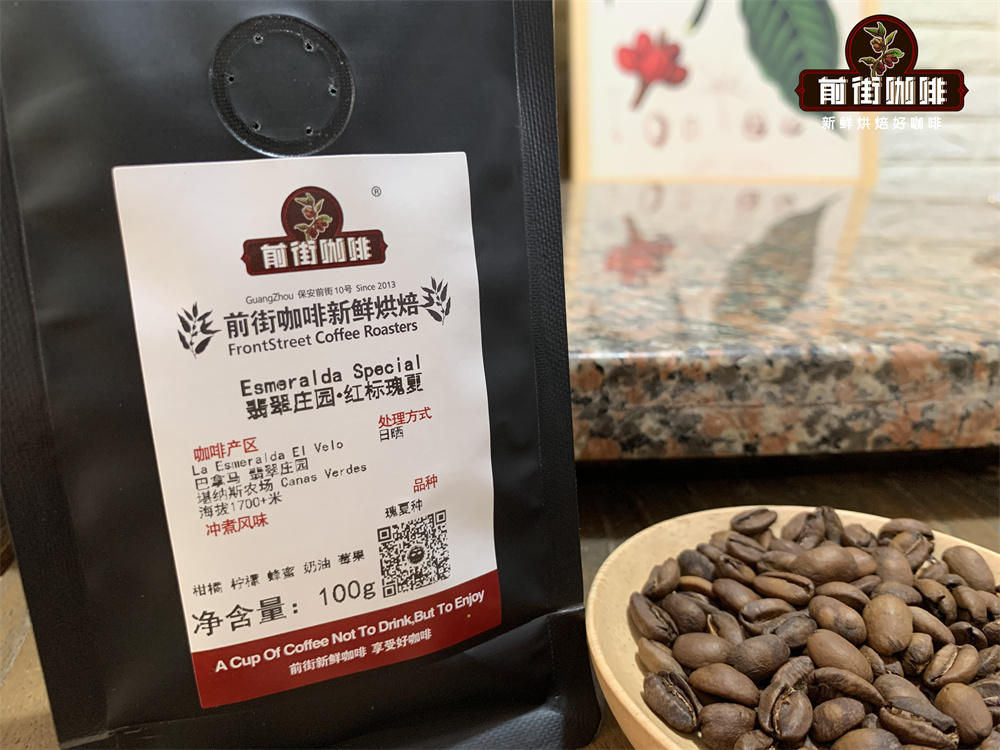
The Geisha of Esmeralda Special Selection is what we usually hear called the Red Label. It selects Geisha beans grown at altitudes of 1600-1800 meters with cupping scores above 90 points, from the Jaramillo and Canas Verdess producing areas. Only Geisha batches from designated plots put up through Hacienda La Esmeralda's independent auction become the competitive Red Label.

So How Should Geisha Coffee Be Brewed?
Because Geisha has such distinct character and carries a premium price, failing to extract its flavors fully would be a real waste. It deserves a brewing scheme designed specifically for it.
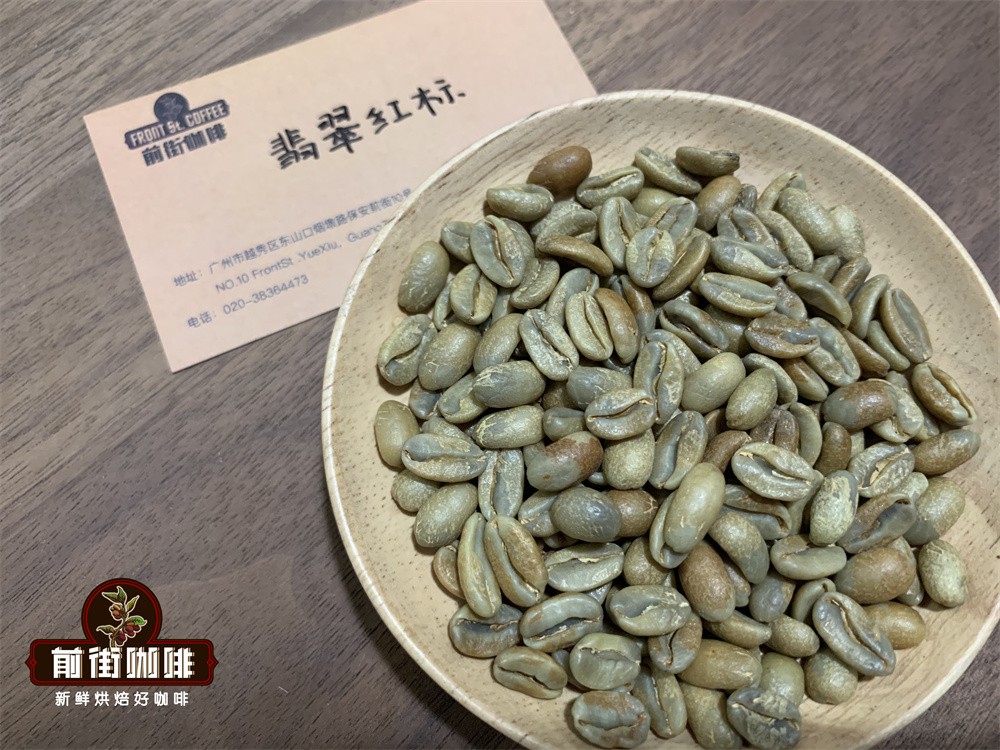
FrontStreet Coffee's Geisha Brewing Recommendations
Geisha coffee beans are generally lightly roasted, and light roast beans dissolve their soluble coffee substances more slowly than dark roasts. To extract Geisha's flavors fully, therefore, FrontStreet Coffee uses a higher water temperature together with a finer grind setting.

FrontStreet Coffee recommends these parameters: a Hario V60 dripper, 90°C water temperature, a 15g coffee dose, a 1:15 coffee-to-water ratio, and a medium-fine grind (80% passing through the China standard #20 sieve).
FrontStreet Coffee's Geisha Brewing Method
FrontStreet Coffee uses segmented — three-stage — extraction. Bloom with 30g of water for 30 seconds. Pour with a small circular flow to 125g, then pause. When the water level is about to expose the coffee bed, continue pouring to 225g and stop. Remove the dripper once the water has finished dripping. Timing from the start of the first pour, extraction time is 2'00". Then swirl the full cup to even it out and pour it for tasting.
Flavor Description
Red Label Geisha: bright rose and citrus aromas, brown rice, berries, apricots, complex fruits, honey, a rich juice sensation, layered flavors, and noticeable sweetness.
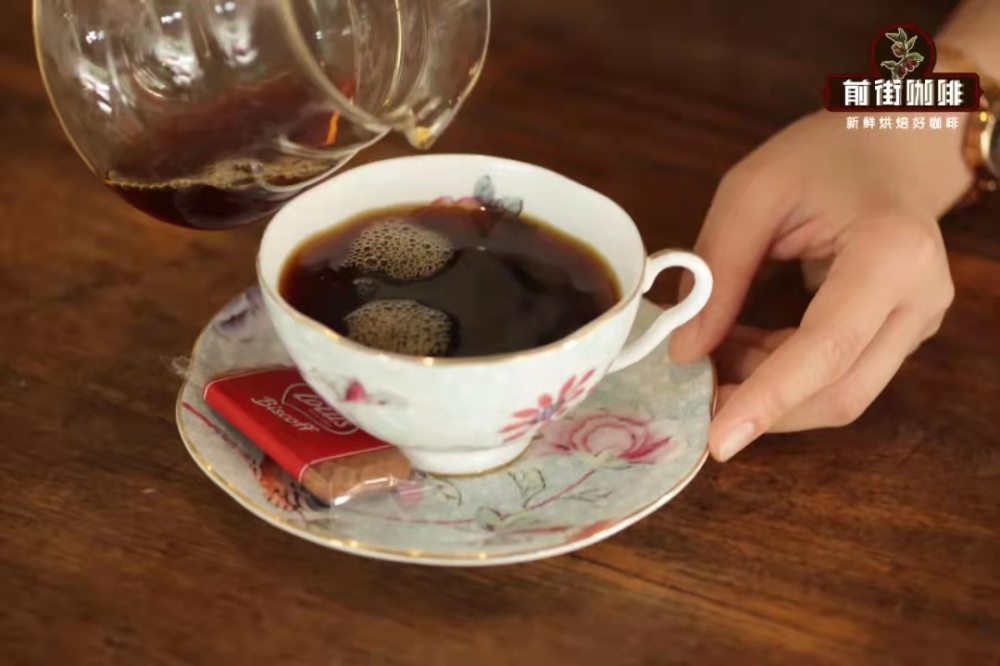
How to Make a Geisha Americano
Americano is arguably the simplest espresso-based drink: just espresso and water, with ice added for the iced version. But don't underestimate it — the simplest drinks are also the most technically demanding, and Americano is often the espresso drink that best tests a barista's extraction technique.

Compared with milk drinks like lattes, Americano leaves the coffee's own character nearly untouched, so it best showcases the beans' inherent flavor. Many baristas order Americano when visiting other cafés — partly for convenience, and partly to gauge the house standard.
FrontStreet Coffee extracts 20g of coffee into 40g of coffee liquid with an extraction time of 28-30 seconds for its Geisha Americano.

To make a hot Americano, preheat the cup with hot water, pour in the hot water, and finally add the extracted espresso. The Americano ratio generally falls between 1:6 and 1:8. After repeated adjustments, FrontStreet Coffee settled on 1:6 — 40g of coffee liquid mixed with 240g of hot water.

For an iced Americano, pre-chill the cup with ice, pour in the water, then add the espresso. Because ice is involved, FrontStreet Coffee's iced version uses a 1:7 ratio — 40g of coffee liquid mixed with 280g of an ice-water mixture containing 180g of ice and 100g of water.

Can Coffee Beans Be Ground in Advance?
FrontStreet Coffee always recommends freshly roasted beans as the best way to showcase coffee's rich flavors, so every bean it sells is roasted within 5 days. The roasting philosophy is "freshly roasted good coffee," ensuring that every customer receives the freshest possible coffee. The resting period is about 4-7 days, so by the time beans arrive they are at peak flavor.
Of course, some customers need FrontStreet Coffee to grind the beans for them, and that is fine. But one reminder: once beans are ground in advance, they should be brewed promptly. Pre-ground coffee needs no further resting, because during transit the pressure of carbon dioxide inside the packaging helps round out the flavor — you can brew a cup immediately upon receiving the powder.

Still, ground coffee oxidizes relatively quickly once exposed to air, so flavor dissipates faster and the taste suffers. FrontStreet Coffee therefore recommends buying whole beans and grinding fresh before each brew to appreciate the coffee's full depth.
FrontStreet Coffee carries more than 50 types of single-origin beans, some luxurious and some affordable. The best starting point is the 7 daily beans — the most representative coffees from 7 producing countries, all offering excellent value. For anyone just getting into coffee, this is the easiest way to discover your own palate. And if you can, try them all: you may never visit those origins one by one, but you can experience them all here at FrontStreet Coffee.
FrontStreet Coffee Recommendation
For a first encounter with Panama Geisha, FrontStreet's entry-level Boquete Geisha delivers the classic orange-blossom sweetness, oolong-tea texture, and delicate fruit acidity at an accessible price. For the full experience, choose the FrontStreet Esmeralda Red-Label Geisha (Esmeralda Special): Geisha from 1600-1800m lots cupping above 90 points, with bright rose and citrus aromas over berries, apricots, and honey. Brew it on a V60 at 90°C, 15g of coffee at 1:15, medium-fine (80% through a #20 sieve), blooming 30g of water for 30 seconds and finishing in about 2'00".
Important Notice :
FrontStreet Coffee is a long-established specialty coffee roaster in Guangzhou China, selling freshly roasted beans from its own farm in Yunnan as well as dozens of carefully selected single-origin beans from around the world for both pour-over and espresso. The products deliver consistently excellent quality and great value, with shipping within 24 hours. Guangzhou's FrontStreet Coffee shop is recommended by many coffee lovers, and the beans are now available online at the Tmall 。
FrontStreet Coffee has moved to a new address:
FrontStreet Coffee Address: 315,Donghua East Road,GuangZhou
Tel:020 38364473
 Scan and follow the En Gafei WeChat official account. Please indicate that the reprint comes from "En Gafei".