How Many Coffee Brewing Methods Are There: The Art of Three-Pour Technique in Pour-Over Coffee
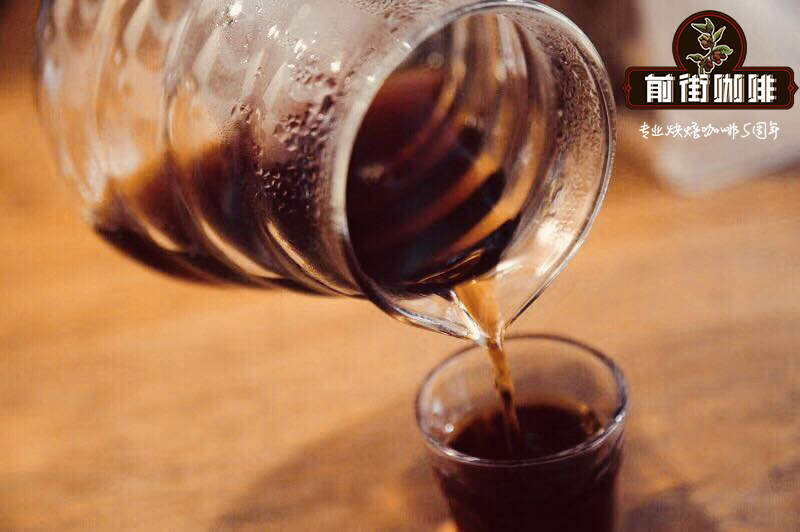
FrontStreet Coffee - Introduction to Pour-Over Coffee Extraction
Segmented brewing fundamentally changes both the total brew time and the extraction dynamics. A hotter first pour, for example, boosts extraction efficiency, while a cooler second pour reins it back to keep harsh, undesirable flavors out of the cup. The real challenge of multi-pour brewing lies in lifting concentration and adjusting body in the later stages.
During brewing, the most critical part of preparation is choosing and rinsing your filter paper — it can make or break the final cup.
Filter Paper Types
Filter papers come in two varieties: bleached and unbleached.
Bleached Filter Paper: Cheap bleached papers may contain fluorescent agents, and water repeatedly passed through them is not something you want to drink. Shoddy bleached papers can also carry a distinct chemical odor. So when buying bleached paper, purchase only from reputable brands — poor-quality paper will taint your coffee's flavor and is best avoided entirely.
Unbleached Filter Paper: You might assume that unbleached paper is the obvious safe choice. It is safer, but it has its own flaw: a strong pulpy, woody taste.
That cardboard-like woody flavor is pronounced enough to noticeably affect the taste of your coffee.
Filter paper selection therefore matters. Choose certified papers from reputable brands, rinse them with hot water to strip off any papery notes, and let your coffee show its best flavors. (Recently, thanks to Japan's environmental consciousness, a new option has appeared — linen filter cloth, which can reportedly be used straight away without rinsing. Curious readers may want to try it.)
Three-Stage Extraction Experiment
I always rely on experimental data as a reference. This time, I picked one coffee and put "three-stage extraction" to the test: can it simply produce a clean, bright cup?
Malabar Coffee
Malabar coffee belongs to the Bourbon variety.
It is monsooned. Exposed to the moist sea breezes of the tropical monsoon climate before export, Malabar beans swell and change color, picking up a musty spice character. The green beans gain a saline edge, with low acidity and heavy body — some describe the cup as reminiscent of "seaweed soup."
Extraction Method: Three-Stage Extraction
Water-to-coffee ratio: 1:15
Water temperature: 92°C
Grind size: Medium grind (similar to coarse sugar)
Dripper: Kalita Wave dripper
Filter paper: Bleached Kalita Wave filter paper
Extraction Process:
First stage: 30ml water poured for bloom; bloom for 30 seconds
Second stage: 90ml water poured; extract for 40 seconds
Third stage: 100ml water poured; extract for 55 seconds
End extraction
Flavor Notes:
Heavy body, spices, dark chocolate and orange peel, with no noticeable acidity — balanced throughout. A touch of sweetness and a spicy aftertaste; as the cup cools, grain and barley-tea flavors emerge.
Knowledge Point:
Three-stage extraction builds richer layers than a single pour, clearly separating a coffee's front, middle and back-end flavors. The method calls for progressively larger pours after the bloom — typically you begin the next pour just as the liquid level drops to the coffee bed, using small, then medium, then large flows across the three stages.
FrontStreet Coffee Recommendation
Multi-stage pouring shines with dense, flavorful beans. FrontStreet's PWN Indonesian Golden Mandheling, a deep-roasted classic, thrives under this technique: low acidity, a long mellow body, and layered herbal, dark chocolate and earthy notes. FrontStreet's Jamaica Blue Mountain No.1 is another fine match, its cream, caramel and nutty balance rewarded by a gentle, even extraction.
For a brighter contrast, try FrontStreet's Kenya "Cherry Tomato" at a 1:15 ratio with staged pours — its cherry tomato, dark plum and yellow sugar sweetness unfolds layer by layer, showing exactly why three-stage brewing is worth mastering.
Important Notice :
FrontStreet Coffee is a long-established specialty coffee roaster in Guangzhou China, selling freshly roasted beans from its own farm in Yunnan as well as dozens of carefully selected single-origin beans from around the world for both pour-over and espresso. The products deliver consistently excellent quality and great value, with shipping within 24 hours. Guangzhou's FrontStreet Coffee shop is recommended by many coffee lovers, and the beans are now available online at the Tmall 。
FrontStreet Coffee has moved to a new address:
FrontStreet Coffee Address: 315,Donghua East Road,GuangZhou
Tel:020 38364473
 Scan and follow the En Gafei WeChat official account. Please indicate that the reprint comes from "En Gafei".