The Origin of Costa Rica Musician Series Coffee Beans: Beethoven, Mozart, and Bach Coffee Flavors
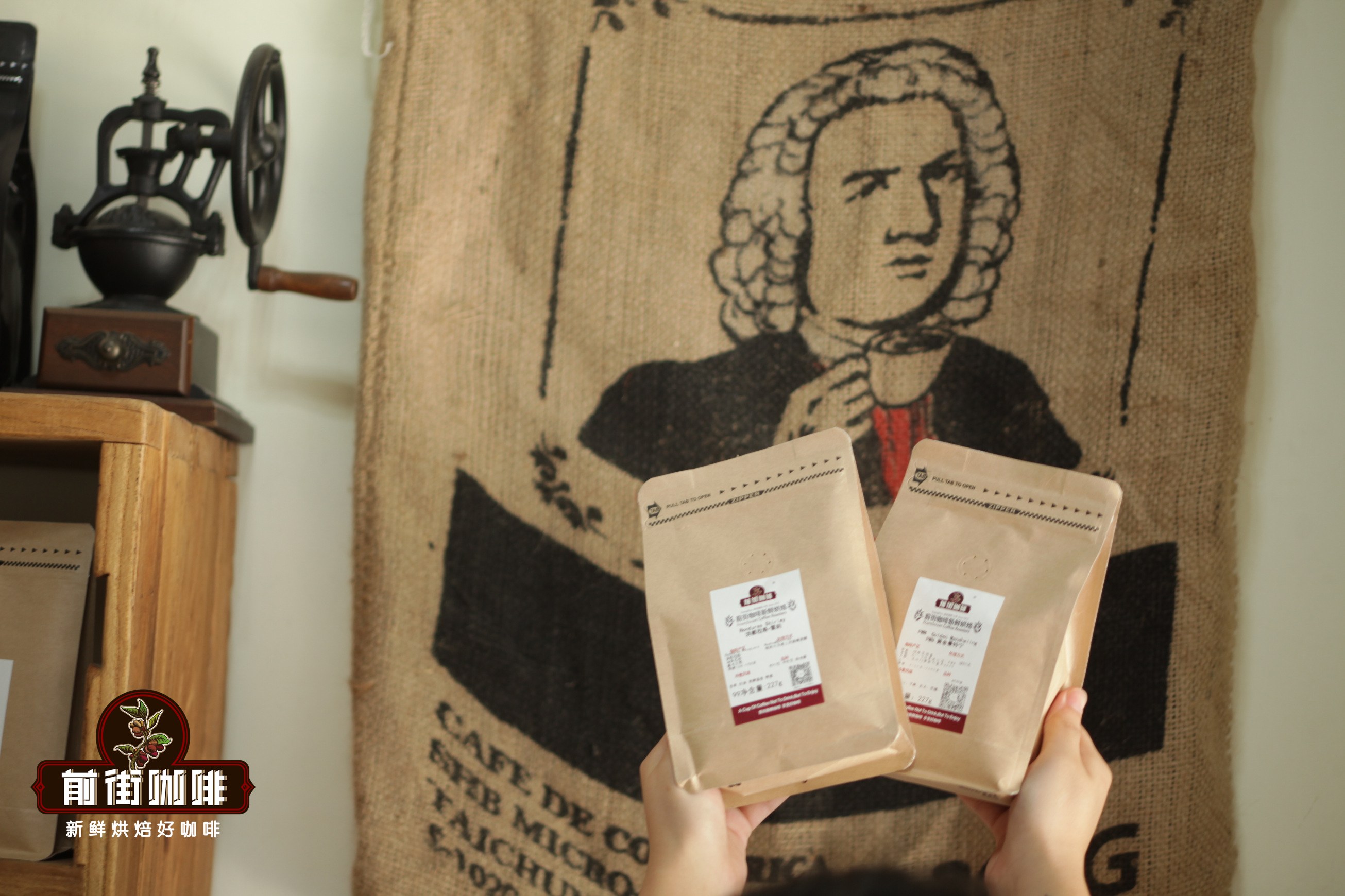
This article is part of our specialty coffee knowledge exchange, shared so more readers can explore great beans.
People often say Costa Rican coffee is as sweet as honey, and that is because Costa Rican green beans are generally processed using the honey method. Those who like acidity choose African coffees from Ethiopia or Kenya; those who prefer a full body praise Mandheling and Blue Mountain endlessly; but when it comes to sweetness, Costa Rica is a producing region you must try.
The History of Costa Rican Coffee
Costa Rica was the first country in Central America to cultivate coffee, beginning in the late 18th century. The first Arabica trees were planted in the Central Valley region, which has fertile soil, high altitude and a cool climate. Later, the Costa Rican government recognized the enormous economic benefits coffee could bring, so in the 19th century it gave farmers land for free and encouraged them to plant coffee. Production soared as a result. In 1829, Costa Rica's coffee exports far surpassed those of tobacco, sugar and cocoa.
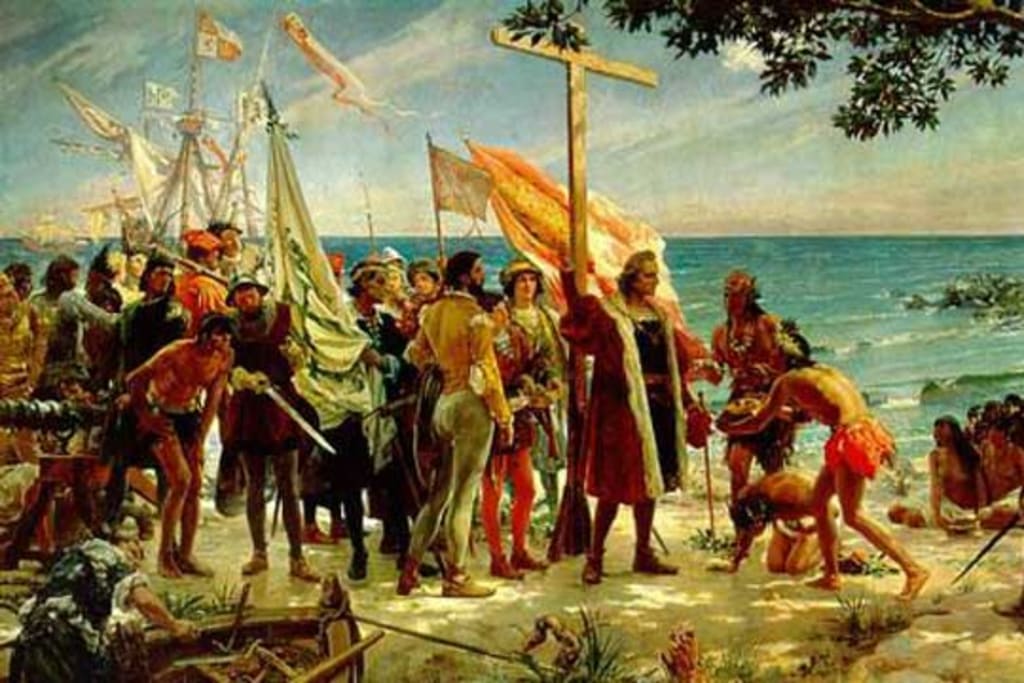
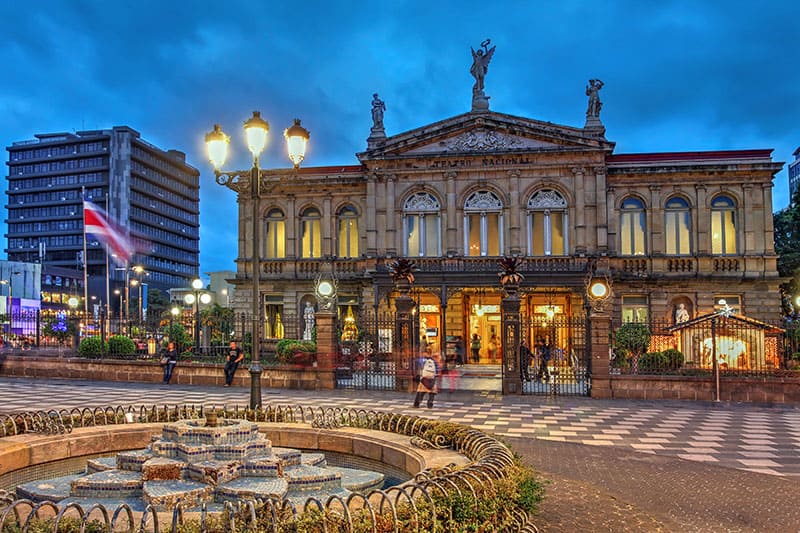
At the time, Costa Rica's coffee industry was extremely prosperous and produced many influential, powerful people. Some wealthy individuals even financed the construction of railways to the Atlantic coast, as well as the National Theater of San Jose - a clear demonstration of tremendous wealth and influence.
Costa Rican Coffee Regions
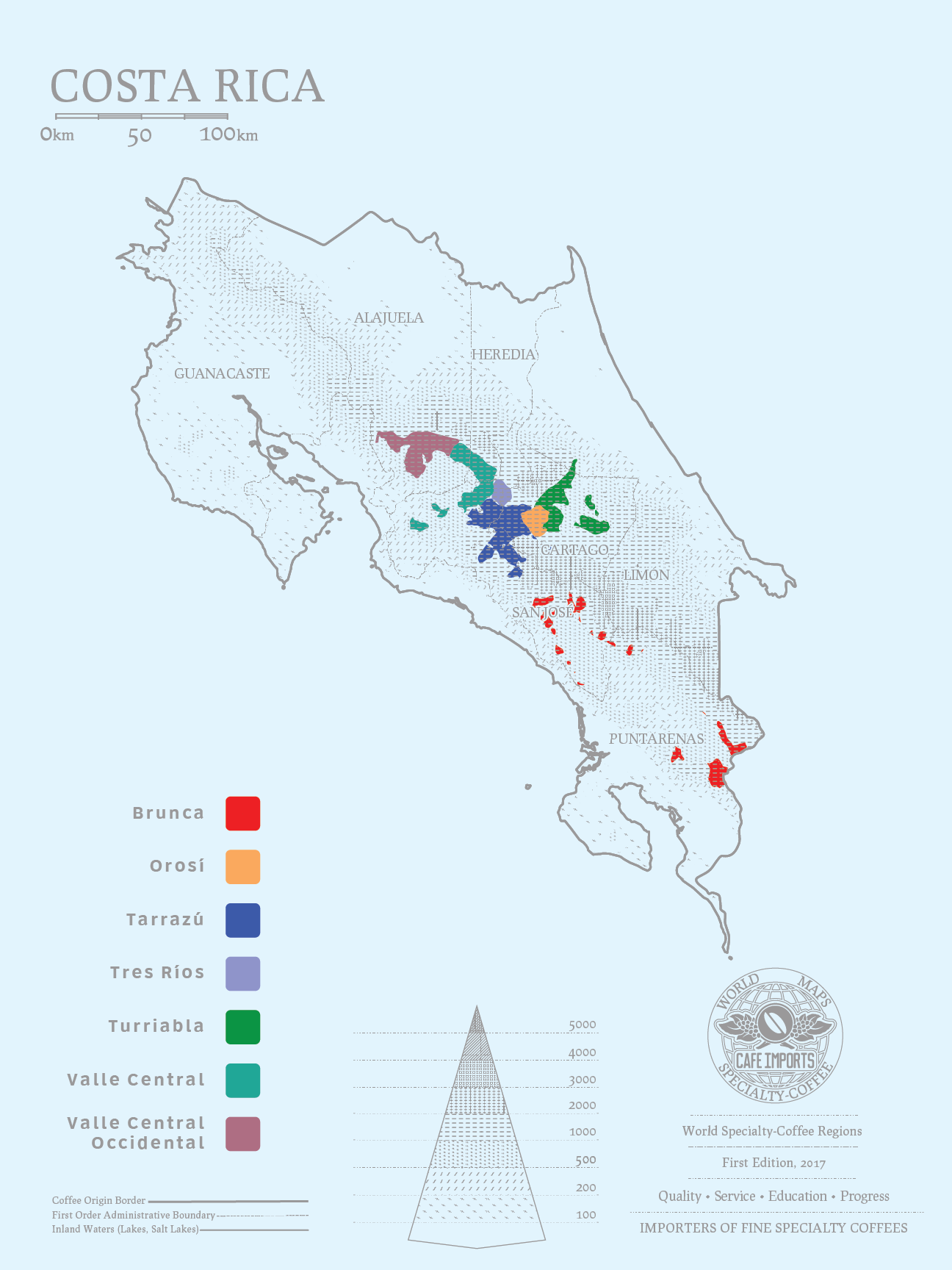
According to FrontStreet Coffee's understanding, Costa Rican coffee is divided into seven major producing regions: Western Central Valley (Valley Central Occidental), Central Valley (Valley Central), Tarrazu, Tres Rios, Orosi, Brunca and Turrialba.
If we are talking about the perfect pairing of music and coffee, then beans named after musicians are truly worth trying. FrontStreet Coffee's menu also features three Costa Rican Musician Series beans.
The Musician Series
The Musician Series beans come from Finca Canet in the Tarrazu region, one of Costa Rica's most respected coffee areas. Finca Canet is a small plantation of about 5 hectares, located in the town of San Marcos in Tarrazu. Its Musician Series includes four different beans, each with a distinctive flavor thanks to different green bean processing methods.
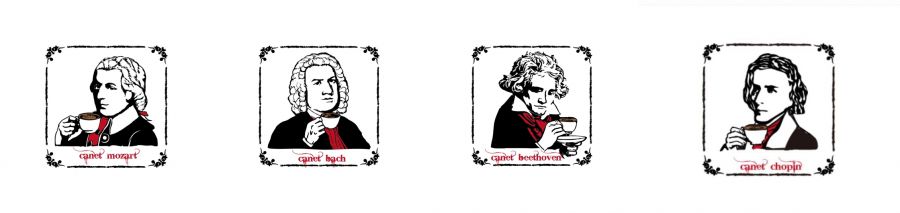
FrontStreet Coffee's menu features three Musician Series beans: Beethoven uses the washed method, while Bach and Mozart use raisin honey processing.
Raisin honey processing retains 100% of the fruit mucilage with zero water treatment. This increases the complexity of the honey method and demands strict control of time. On the day of harvest, perfectly ripe cherries are selected and placed on raised beds to dry for three days. Afterward the fruit skin is removed while the mucilage is preserved, and the beans are dried further.
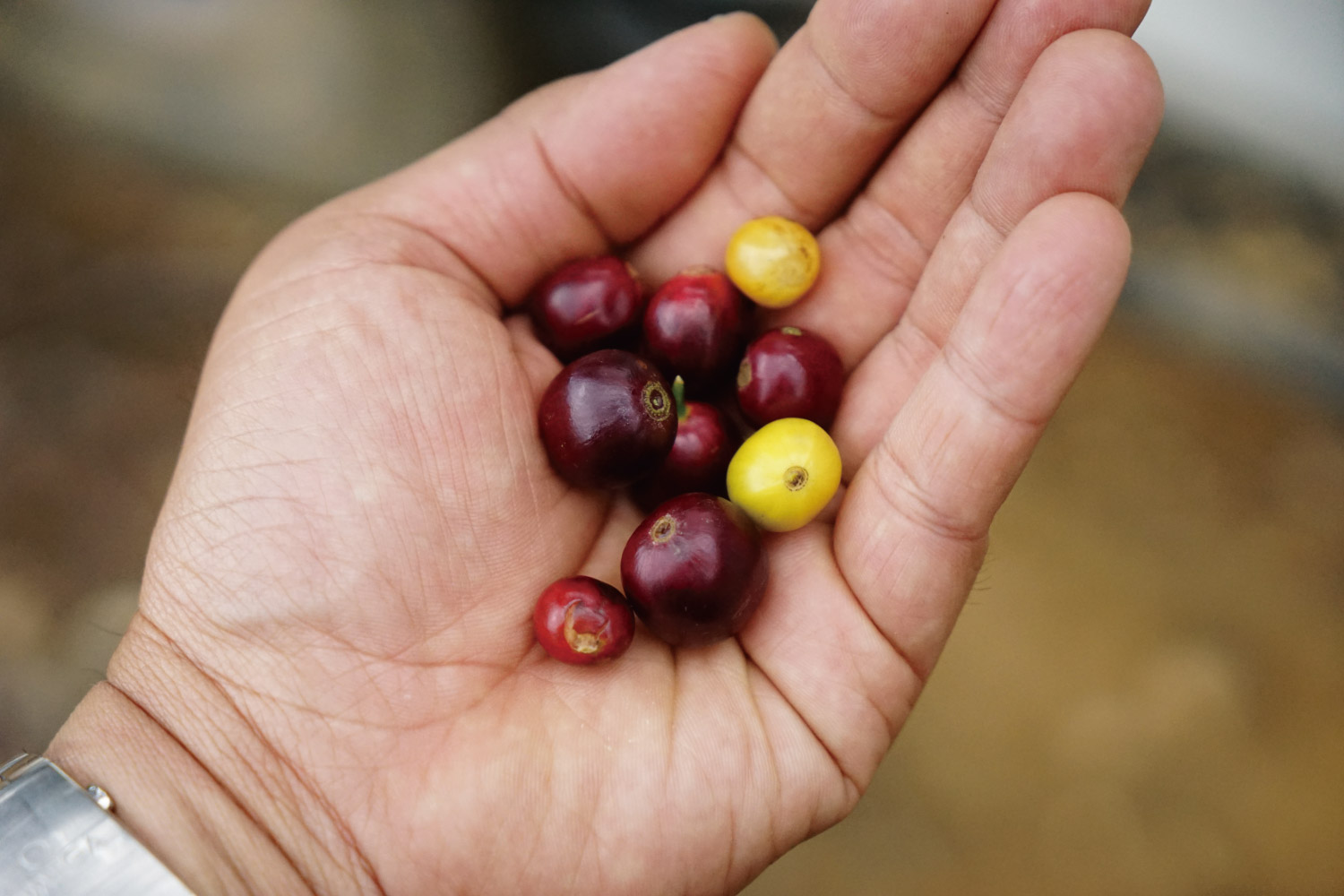
During drying, the cherries must be turned constantly to ensure even drying, but the frequency has to be carefully controlled. Slow drying lets the coffee ferment properly. Beans processed this way are exceptionally sweet, with a white-wine mouthfeel and balanced acidity, plus rich fermentation aromas. FrontStreet Coffee believes that raisin honey processed beans carry rich fermentation notes and the sweet fragrance of dried fruit.
FrontStreet Coffee's Costa Rican Selections

FrontStreet Coffee Costa Rica Mozart Coffee Beans
Region: Costa Rica Tarrazu
Estate: Finca Canet
Altitude: 1980 meters
Processing Method: Raisin Honey Processing
Variety: H1

FrontStreet Coffee Costa Rica Bach Coffee Beans
Region: Costa Rica Tarrazu
Estate: Finca Canet
Altitude: 1980 meters
Variety: Caturra, Catuai
Processing Method: Raisin Honey Processing

FrontStreet Coffee Costa Rica Beethoven Coffee Beans
Region: Costa Rica Tarrazu
Estate: Finca Canet
Altitude: 1900 meters
Variety: Yellow Catuai
Processing Method: Washed
Brewing Method
When roasting, FrontStreet Coffee aims to highlight the rich aromatic character of Costa Rican coffee, so a medium roast is used. To extract more aromatic compounds, the brew uses water at 91 degrees Celsius. At the same time, to avoid over-extraction from the high temperature, a Hario V60 dripper is used.
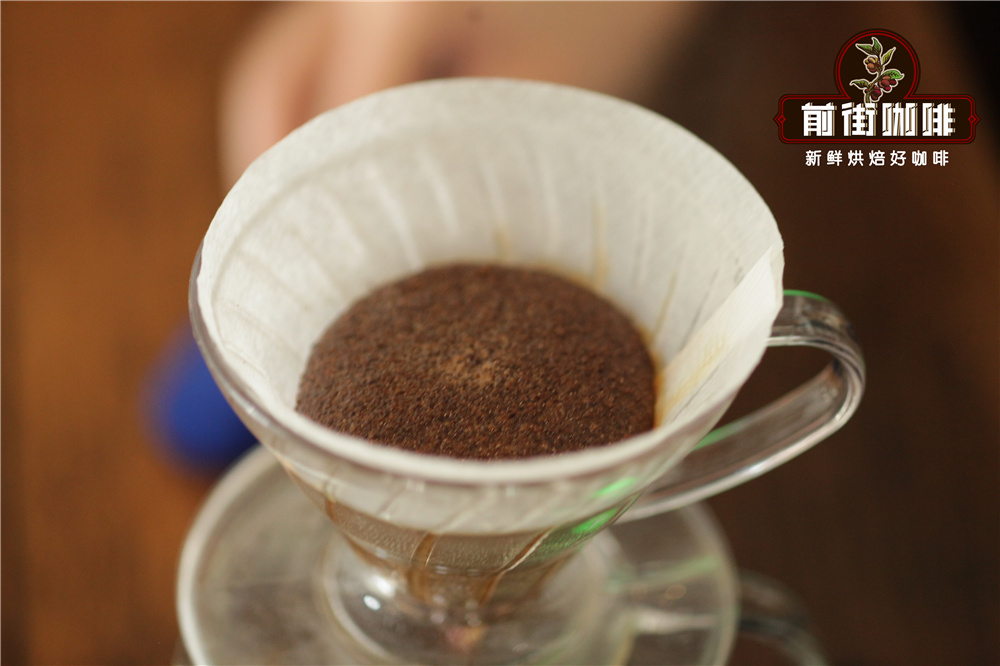
Brewing Parameters:
Dripper: Hario V60
Water Temperature: 91 degrees Celsius
Coffee Amount: 15g
Coffee-to-Water Ratio: 1:15
Grind Size: Medium-fine grind (80% passing through a #20 sieve)
Three-Stage Extraction: Start with 30ml of water for a 30-second bloom, then pour in a small circular motion to 125ml for the first stage. Wait until the water level drops to just above the coffee bed, then continue pouring to 225ml for the second stage. Remove the dripper once all the water has dripped through into the serving pot. Total extraction time is 2'00".
Tasting Notes
[Bach] Subtle wine aroma, with a full, firm acidity and notes similar to raisin sweetness; as the temperature cools, tea-like character emerges, with a persistent, delicate sucrose aftertaste.
[Mozart] Complex floral and fermented-sauce aromas on entry, with raisin and preserved-fruit sweetness, berry acidity and sucrose sweetness in the aftertaste.
[Beethoven] Rich fruit notes: strawberry, apple, lemon, grape and citrus. The aftertaste is as memorable as honey and toffee, with a creamy, silky mouthfeel and a long finish reminiscent of Darjeeling tea.
FrontStreet Coffee Recommendation
Mandheling is grown on the Indonesian island of Sumatra and is usually brewed as a pour-over single origin, with a deep aroma and a full body; it also makes a fine espresso, where the machine pulls a thick, oily shot with a strong, caramel-forward taste. Most Mandheling on the market is roasted dark, which softens the acidity and plays up its mellow richness. FrontStreet Coffee's Lintong Mandheling and PWN Gold Mandheling come from the Lintong district and the Aceh region of Sumatra respectively, both roasted medium-dark to bring out dark chocolate and caramel while keeping the wild, herbal character that comes from the growing environment and the region's processing.
Sumatra's climate is the reason for its distinctive style. Humidity runs between 70% and 90% all year, typhoons are common, and annual rainfall can top 2,000mm, so the long two-to-three-week sun-drying used in Africa is impossible; washing is also slow and heavy on labor, water and cost, beyond what ordinary farmers can afford. Instead, growers use a semi-washed wet-hulling method: while the beans are still half dry and half wet, the parchment is stripped off by machine, exposing the green bean so it dries faster - and absorbs airborne microbes, which is where the one-of-a-kind wild flavor comes from. To taste wet-hulled specialty coffee at its best, FrontStreet Coffee recommends the top-grade PWN Gold Mandheling. PWN buys high-quality Mandheling green beans and sorts them with one machine pass plus hand picking to select full, defect-free beans, all at specialty level; its standard calls for beans of 18 mesh and above with fewer than 3 defects per 300g sample, meeting the top G1 grade, and then three rounds of hand sorting remove any remaining defects. The beans are even, full and bright with a low defect rate, and after medium-dark roasting they carry a rich roasted aroma; the brewed black coffee is clean with a full body and suits anyone who dislikes acidic coffee.
For pour-over, FrontStreet Coffee suggests water at 87-88 degrees Celsius, 15g of coffee, a 1:15 coffee-to-water ratio and a grind about the texture of coarse granulated sugar. Pour in three stages, which better expresses the full body and caramel sweetness: start with a 30ml bloom to wet the grounds fully and let them degas, add 100ml to bring up the golden foam and lift the coffee bed, then finish with a gentle 95ml pour down the center to lift the sweetness, for an overall cup of sturdy body, caramel sweetness and chocolate and nut notes.
Important Notice :
FrontStreet Coffee is a long-established specialty coffee roaster in Guangzhou China, selling freshly roasted beans from its own farm in Yunnan as well as dozens of carefully selected single-origin beans from around the world for both pour-over and espresso. The products deliver consistently excellent quality and great value, with shipping within 24 hours. Guangzhou's FrontStreet Coffee shop is recommended by many coffee lovers, and the beans are now available online at the Tmall 。
FrontStreet Coffee has moved to a new address:
FrontStreet Coffee Address: 315,Donghua East Road,GuangZhou
Tel:020 38364473
 Scan and follow the En Gafei WeChat official account. Please indicate that the reprint comes from "En Gafei".