What is the biggest difference between Indonesian Sumatra Mandheling and Ethiopian Hambela Guji?
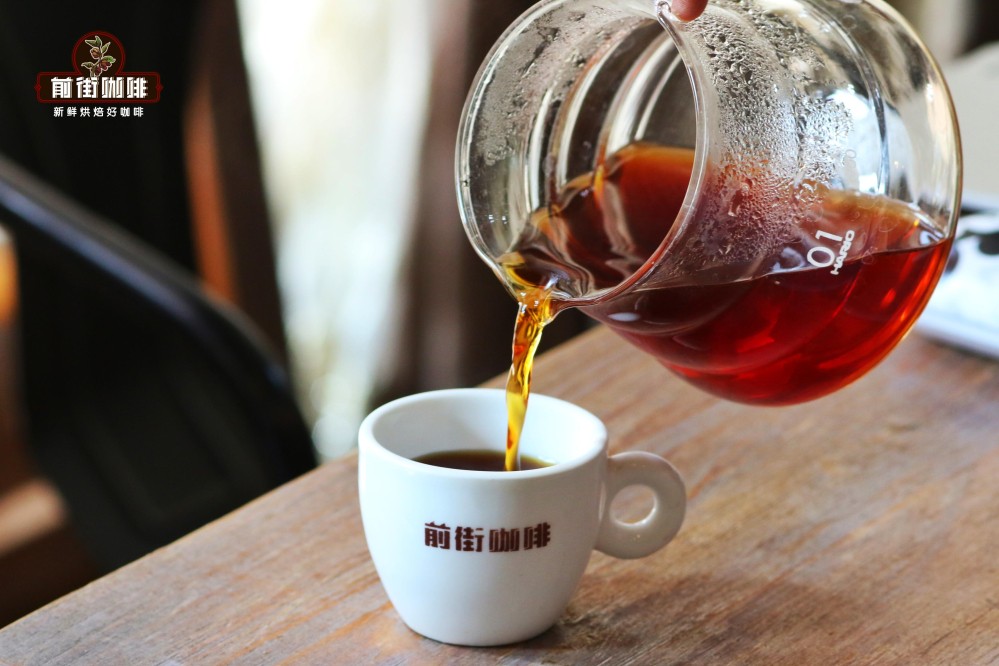
FrontStreet Coffee has always been a fan of Mandheling coffee, and at FrontStreet Coffee's Dongshankou store the African coffees from Ethiopia are the most popular with friends, such as washed Yirgacheffe, natural Guji and Gesha Village.
When it comes to the flavor and taste differences between Mandheling and Guji coffee, FrontStreet Coffee believes these are two distinctly different profiles. Mandheling is the most full-bodied coffee in the world and can be thought of as what people perceive as bitter coffee: a rich aroma, a full body, a strong flavor and light notes of chocolate and syrup. Guji, by contrast, belongs to the Ethiopian family, with obvious floral and fruity character. Guji in particular shows distinct tropical fruit such as mango and jackfruit, plus florals and honey, like a cup of fruit herbal tea - which is what people recognize as acidic coffee. FrontStreet Coffee therefore says the flavors of Mandheling and Guji are clearly different.

Mandheling Coffee
The Dutch first introduced Arabica seedlings to Ceylon and Indonesia in the 17th century; Ceylon is now known as Sri Lanka. In 1877 a large-scale disaster struck the Indonesian islands: coffee rust disease nearly wiped out all the coffee trees. Forced by circumstances, people had to abandon the Arabica trees they had cultivated for many years and introduced Robusta from Africa, which has strong disease resistance.

Today Indonesia is a major coffee-producing country. The main production areas are Java, Sumatra and Sulawesi, and Robusta accounts for 90% of total production. Sumatra Mandheling, meanwhile, belongs to the rare Arabica family. These trees are planted on mountain slopes between 750 and 1,500 meters. Unique, mysterious Sumatra has endowed Mandheling coffee with many distinctive qualities.
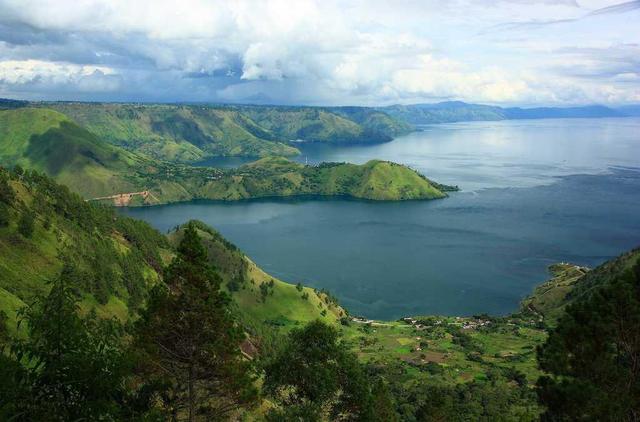
Indonesia is the world's largest archipelagic nation. Arabica coffee cultivation was introduced as early as the 18th century, during Dutch rule. The most important production areas lie on Sumatra, Java and Sulawesi. Southeast Sumatra faces Java across the Sunda Strait, faces the Malay Peninsula across the Malacca Strait to the north, borders Borneo across the Karimata Strait to the east, and borders the Indian Ocean to the west.
Characteristics of Lintong Mandheling
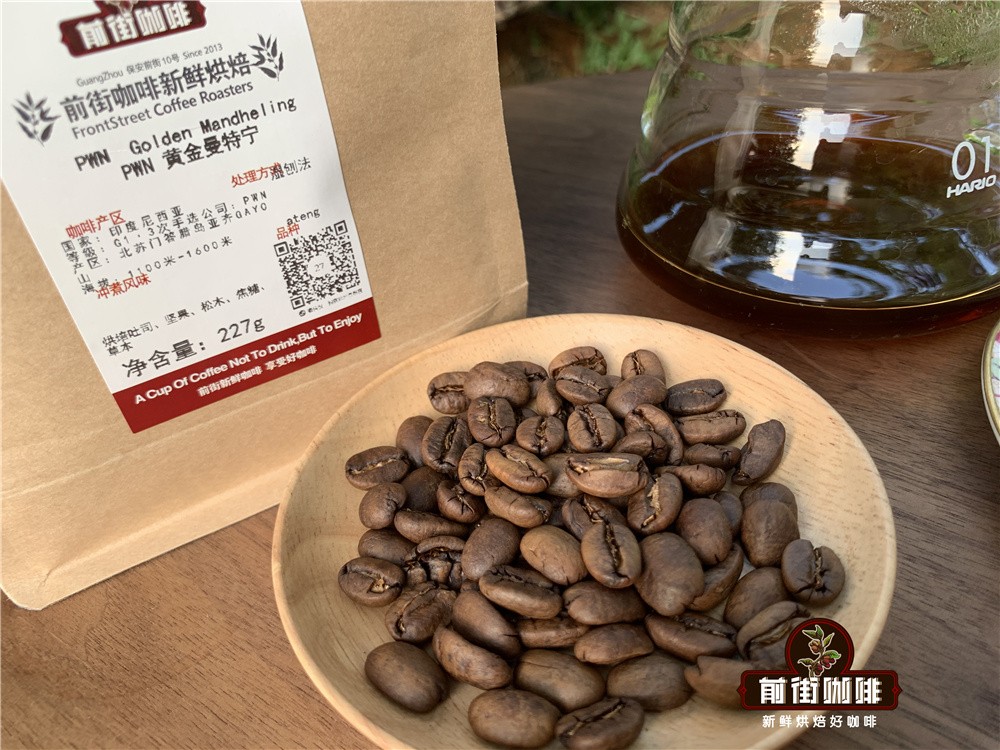
Lintong Mandheling is produced in the Lintong mountainous area of north-central Sumatra, near Lake Toba. FrontStreet Coffee's entry-level Indonesian Mandheling daily beans come from this area. Lintong Mandheling also uses the unique wet-hulling method, which creates its low acidity and high body. FrontStreet Coffee offers both Lintong Mandheling and Gold Mandheling.
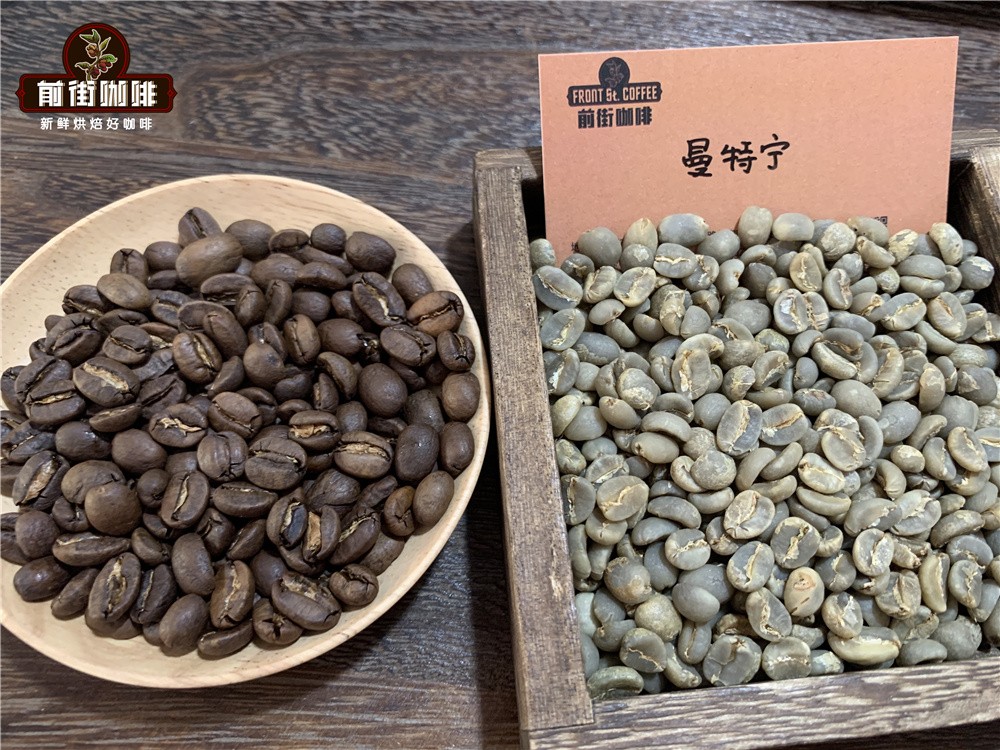
Mandheling comes from the Lintong area of northern Sumatra, Indonesia, and is grown with traditional shade methods under old fruit trees. The traditional shade trees help hold humidity and enrich the soil with organic matter. Sumatra beans are rarely hulled by machine, unlike Central and South American methods: this is Indonesia's unique semi-washed approach, called Giling Basah, also known as the wet-hulling process. Beans processed with Giling Basah have particularly low acidity and a full body.
Mandheling beans are relatively large and hard. The growing process makes defects likely, so after harvest they usually undergo extremely strict hand selection. If quality control is not rigorous, quality easily becomes inconsistent. On top of that, different roasting profiles directly affect its taste, which is why it has become one of the most debated single-origin coffees. Before Blue Mountain was discovered, Mandheling was once considered the finest coffee. Its full-bodied character gives a masculine impression, with moderate acidity and an extremely rich aroma; it tastes bitter with a rich body, bold and courageous, much like an American cowboy.

Mandheling Coffee Bean Wet-Hulling Method
Indonesia is consistently hot and humid all year round, with no long stretches of sunlight and humidity constantly between 70% and 90%. Relying purely on natural sun-drying is clearly unrealistic. On Sumatra, with its unpredictable weather, even washing the beans makes it hard to secure a full week of sunny weather for drying. The wet-hulling method emerged as the solution. After the initial washed steps, the parchment coffee is placed in direct sunlight for 1-2 days until the moisture content reaches 30-50%, then the parchment is removed and the beans are sun-dried. This speeds up drying and significantly shortens the time needed.

Among all single-origin coffees, Mandheling has perhaps the ugliest appearance. Yet coffee lovers say that the less attractive Sumatra beans look, the better they taste. Mandheling is widely recognized as the most full-bodied coffee in the world.
Mandheling Coffee Varieties
Indonesia has a very long history of coffee cultivation. Arabica was grown in the past, but because of leaf rust disease, 90% of the coffee beans Indonesia exports today are Robusta and only 10% are Arabica. FrontStreet Coffee's Lintong Mandheling variety is TimTim Ateng, while the Gold Mandheling variety is listed as Ateng. In fact, TimTim is actually Timor, an Arabica variety with Robusta lineage, while Ateng is Catimor, a cross of Caturra and Timor. These variety names are simply local terms.
Hambella Production Area in Ethiopia
Ethiopian coffee beans are generally named after their production areas, and "Guji" is actually produced in the Hambella area within Ethiopia's Guji region. Hambella lies in Ethiopia's largest coffee-producing region, Guji, and administratively belongs to the Oromia Regional State. The Guji region used to be part of Sidama but was established as an independent new production area by the Ethiopia Commodity Exchange (ECX) in 2010. The most famous coffee from Guji is undoubtedly Guji beans, which won the 2017 TOH (Ethiopia National Taste of Harvest Competition) with an outstanding strawberry-cream flavor, truly deserving the name. However, not all coffee produced in Hambella can be called "Guji" - only natural processed beans from the "Buku Abel" processing station can.

Each coffee production area has a different flavor. FrontStreet Coffee has sourced more than a dozen varieties from Ethiopia, and Guji is the representative coffee of the Sidama region and a popular single-origin bean at FrontStreet Coffee.
Guji Coffee
Guji beans are, in fact, the name Chinese drinkers gave to Hambella beans. They came to notice in the 2017 TOH green bean competition (The Taste of Harvest), where a coffee from the Hambella area of Sidama stood out with a rich strawberry-and-cream aroma. An ordinary Ethiopian Hambella natural processed bean defeated the perennial champion Geisha and won the natural category of that year's Ethiopia TOH with a high score of 88.21, making the name truly fit and lodging it deep in people's minds. This quality Hambella bean began to be known in China under the name "Guji."
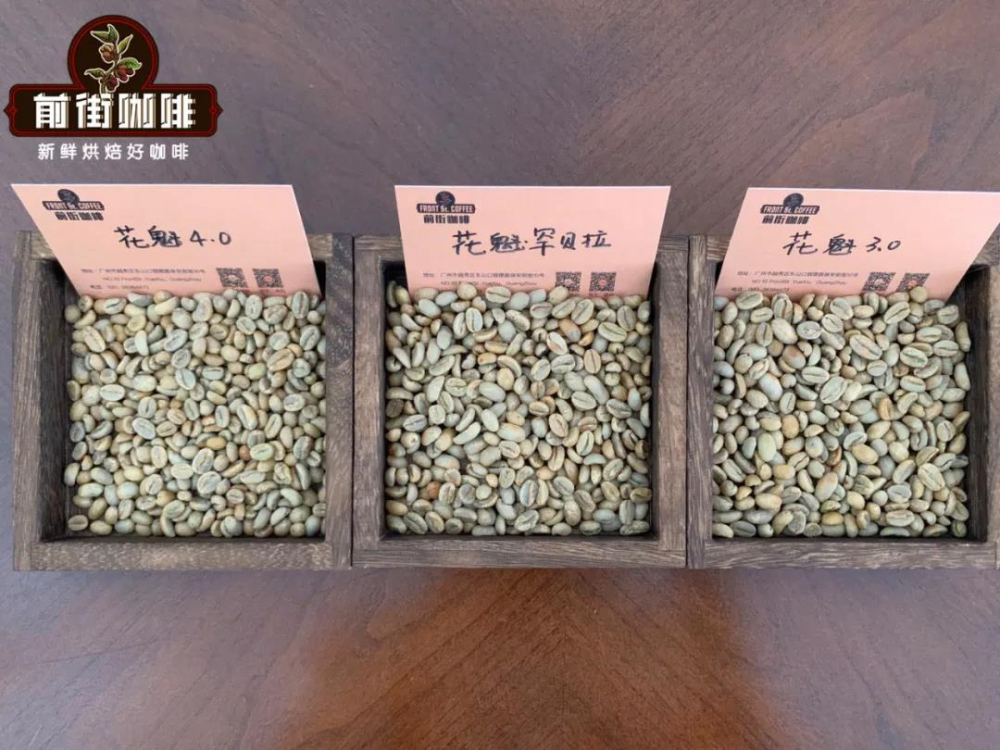
Guji's 2017 TOH natural-category win became better known in China after it entered the domestic market. It was discovered and promoted by the founder of Beijing Hongshun, who set up their own coffee brand, LeBunna, in Ethiopia. Of course, it would have been a pity for such a wonderful name to be a flash in the pan, so Hongshun went on to introduce beans from the "Buku Abel" processing station in the Hambella region, naming them Guji 2.0, Guji 3.0 and Guji 3.1 to distinguish them from the earlier Guji coffee and to represent different batches or harvests. At this point Guji still kept certain characteristics, sourced and introduced by Hongshun and with the production area still locked to the "Buku Abel" processing station in Hambella. As an agricultural product, of course, coffee flavor varies from year to year.
Guji Coffee Bean Varieties
Ethiopia has so many varieties that it is like a natural gene bank for Arabica. On one hand, the sheer number makes identification and classification difficult; on the other, the Ethiopian government, out of a protective instinct, is unwilling to disclose the details, so they are grouped together as Ethiopian Heirloom varieties.
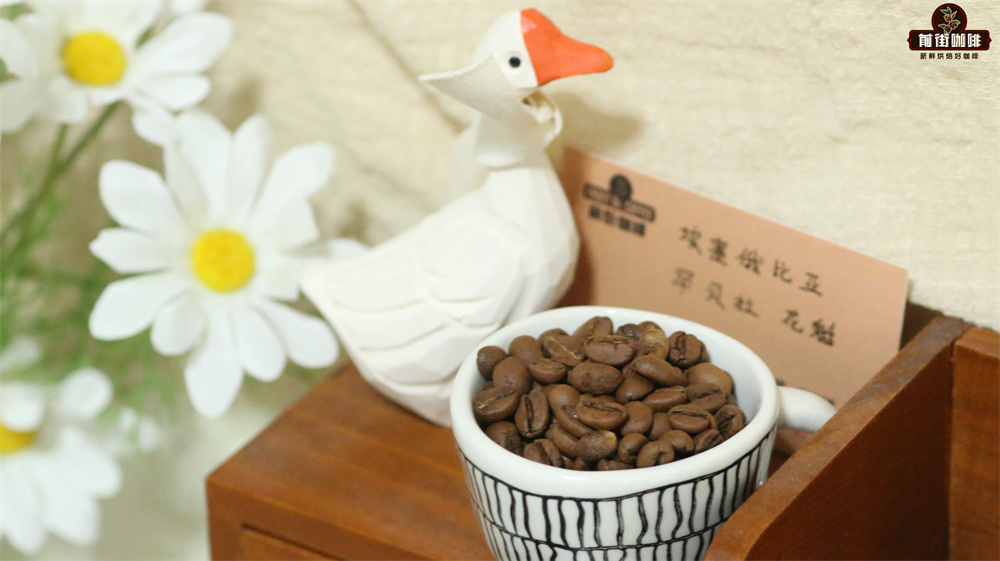
Guji Coffee Bean Natural Processing Method
Hambella lies in Ethiopia's largest coffee-producing region, Guji, and administratively belongs to the Oromia Regional State. To the west, Hambella faces Yirgacheffe Kochere across the mountains; to the southeast, north and south it borders Guji's Shakiso, Uraga and Kercha sub-regions. It is Ethiopia's highest-altitude coffee sub-region, with rich humus red-brown soil at an altitude of about 2,300 meters. The large day-night temperature difference lets the cherries grow slowly. Fully red cherries are picked and processed with refined natural drying on African raised beds, limited to 2-3 layers of thickness. Based on color changes during drying, hand selection is carried out twice a day on days 1-3, sorting out 10% each time. Afterward the beans are turned every three hours and covered at noon and at night with thick plastic to protect against dew, controlling the fermentation degree precisely. The whole process lasts up to 21 days, creating Guji's unique flavor.

FrontStreet Coffee's Mandheling Bean Roasting Approach and Brewing Parameters:
FrontStreet Coffee believes the excellent flavor of Mandheling coffee lies in the balance of acidity, sweetness and bitterness, with a high body. For roasting, FrontStreet Coffee chose medium-dark to highlight the nutty, pine and herbal notes of the beans. A KONO dripper achieves a better body. Water temperature 88 degrees Celsius, water-to-coffee ratio 1:15, coffee amount 15g, grind size with a 75% pass-through rate on a Chinese standard #20 sieve.

Brewing Flavor Description
[PWN Gold Mandheling Coffee Bean Flavor]: The coffee has multiple layers, is full-bodied and clean, with rich nut and caramel aromas, chocolate notes, a persistent aftertaste and high balance.
[Lintong Mandheling Coffee Bean Flavor]: Enters with a rich herbal aroma, then dark chocolate and caramel, with a sweet aftertaste.
FrontStreet Coffee's Guji Bean Roasting and Brewing Parameters:
FrontStreet Coffee noticed that Guji green beans have a fermented wine aroma of coffee flowers, completely different from the grassy aroma of typical green beans. Guji green beans also vary in size and have many pointed ends (Ethiopia Heirloom native varieties), with a good moisture content around 11%, though they are not the extremely hard SHB beans. Because the beans are dense and hard, FrontStreet Coffee extended the dehydration time in the early stage of roasting, entering first crack with a rising temperature to limit the loss of aromatic compounds such as florals. FrontStreet Coffee chose a light roast. For brewing, to make Guji more layered and richer in texture, FrontStreet Coffee chose a V60 dripper. The V60 has ribs connecting top and bottom and a large circular hole in the center that speeds up the flow; its spiral exhaust grooves extend the flow path and increase the contact time between grounds and hot water, and each stream converges along the grooves to the center point, concentrating pressure on the coffee bed and extracting a richer, more layered cup.
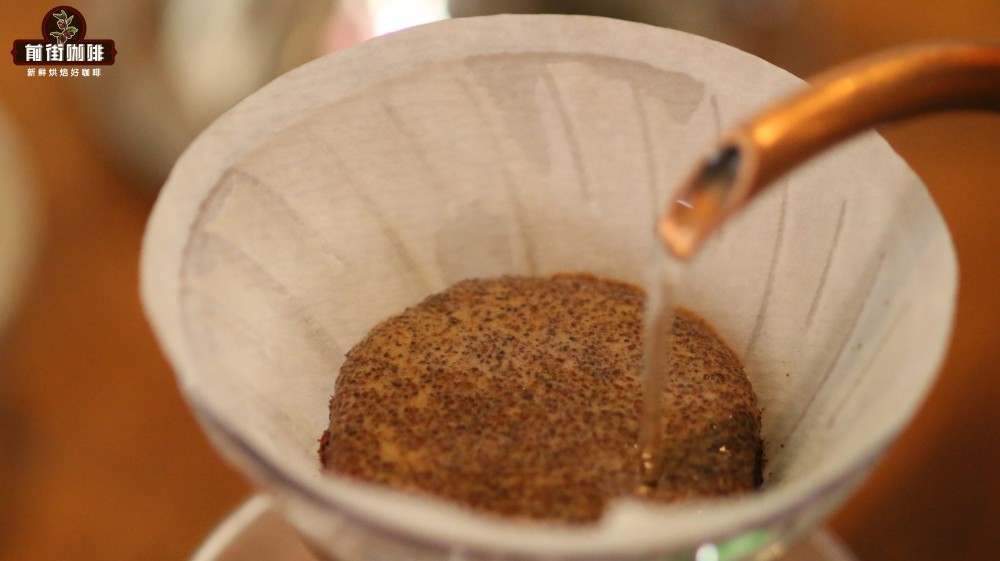
Dripper: Hario V60, water temperature: 90 degrees Celsius, coffee amount: 15 grams, water-to-coffee ratio: 1:15, grind size: medium-fine with an 80% pass-through rate on a Chinese standard #20 sieve.
Brewing Flavor Description
[Guji G1]: Smooth, passion fruit, fermented wine aroma, jackfruit, strawberry.
[Guji 2.0]: Overall clean taste, a more prominent berry aroma with nutty fragrance, richer texture.
[Guji 3.0]: Light strawberry jam, black tea sensation, short sweet aftertaste.
[Guji 3.1]: Floral, cream, tropical fruit, caramel, persistent sweet aftertaste.
[Guji 4.0]: Citrus acidity, full-bodied berry juice, lemon black tea sensation, persistent sweetness.
[Guji 5.0]: Floral, berries, citrus, plum sweet-and-sour, mango juice, honey, aftertaste of sweet black tea.
[Small Bean Guji]: Berry sweet aroma, creamy strawberry, passion fruit, rich fruit sweetness, full-bodied texture.
[Guji 6.0]: Full-bodied berry juice, black tea aftertaste.
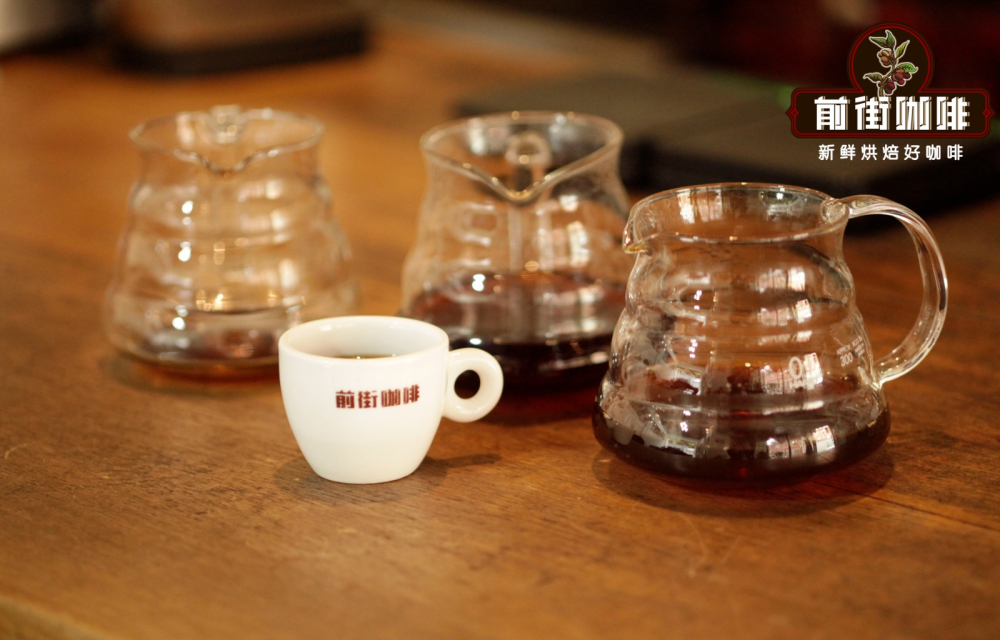
FrontStreet Coffee's Coffee Brewing Suggestions:
When it comes to brewing, FrontStreet Coffee has always believed the freshness of coffee beans greatly affects flavor. FrontStreet Coffee therefore ships beans roasted within 5 days. Its roasting philosophy is "Freshly Roasted Good Coffee," ensuring every customer receives the freshest coffee. The resting period is about 4-7 days, so when customers receive their coffee it is at peak flavor.
For friends who need ground coffee, FrontStreet Coffee kindly reminds you: once beans are ground in advance there is no need for a resting period, because during transport the pressure from carbon dioxide building up in the package also helps mellow the flavor, so you can brew a cup as soon as the ground coffee arrives. Ground coffee does need to be brewed promptly, though, since it oxidizes quickly when exposed to air, so the flavor fades relatively fast and the cup will not taste as good. FrontStreet Coffee therefore suggests buying whole beans and grinding fresh before brewing to enjoy the flavor at its best.
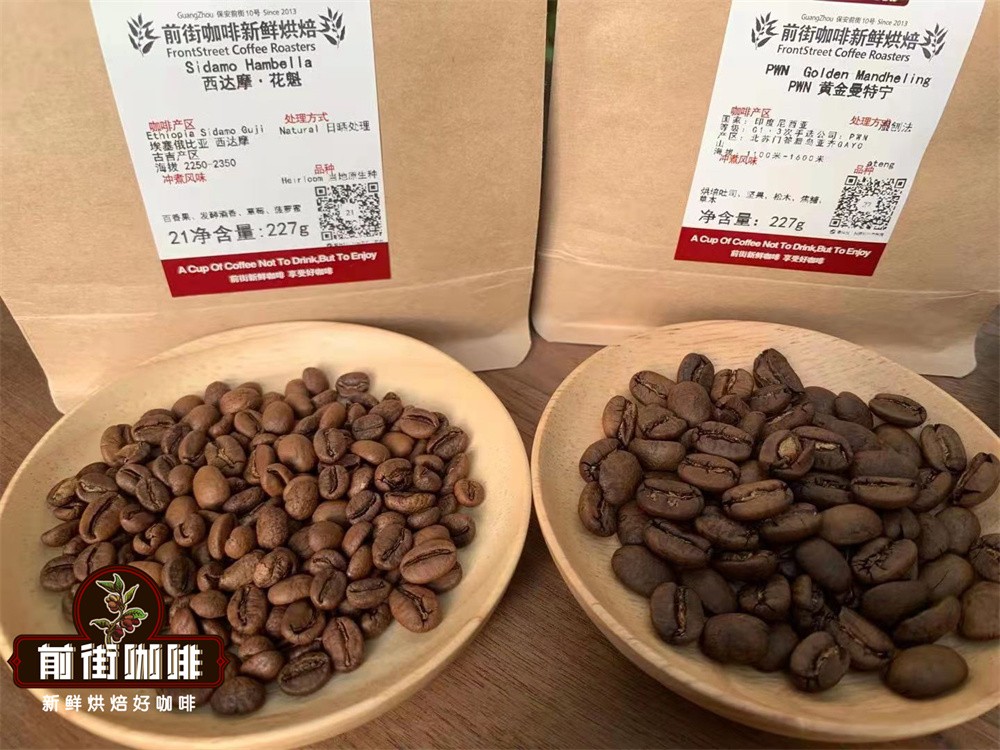
For friends who do not like bitterness, Ethiopian coffees may be the better choice; for those who do not like acidity, Mandheling or Brazilian coffee may suit them better. In fact, FrontStreet Coffee believes every coffee bean has its own unique flavor profile, and whatever you like is the best-tasting coffee.
FrontStreet Coffee Recommendation
If you are exploring Ethiopia for the first time, FrontStreet Coffee's classic washed Yirgacheffe is the natural starting point. It is known for white jasmine, bright citrus and lemon acidity and a clean, tea-like cup, and its accessible price has made it the first specialty coffee for countless drinkers. Yirgacheffe is a town in southern Ethiopia's Sidama zone, sitting at roughly 1,700-2,100 meters with the trees planted above 1,800 meters, which places it among the highest coffee regions on earth. Its highly recognizable white florals and lemon-citrus acidity have made the name a byword for Ethiopian specialty coffee, and in 2010 the Ethiopia Commodity Exchange separated Yirgacheffe from Sidama as an origin of its own.
Yirgacheffe also breaks down into many small areas and even individual villages, several of them home to experienced cooperatives whose mature techniques lift the flavor further. A good example is FrontStreet Coffee's washed Gutingting cooperative in the Woka area at the southeastern edge of Yirgacheffe, once part of the Woka cooperative under the Yirgacheffe Coffee Farmers Cooperative Union (YCFCU) and later recognized worldwide as a single-origin lot as demand for traceability grew. Its traditional washed processing gives a cup free of the usual bitterness, with fresh, bright citrus and lemon acidity and jasmine fragrance. For the sun-dried side of Yirgacheffe, FrontStreet Coffee's red cherry selects only fully ripe, sound fruit, gives it a first screening at the mill, then dries it whole on raised beds - turned every 2-3 hours over the first days - for three to five weeks before the outer fruit is removed by machine and the beans are stored, yielding citrus acidity, berry juice, honey sweetness and a creamy texture.
Important Notice :
FrontStreet Coffee is a long-established specialty coffee roaster in Guangzhou China, selling freshly roasted beans from its own farm in Yunnan as well as dozens of carefully selected single-origin beans from around the world for both pour-over and espresso. The products deliver consistently excellent quality and great value, with shipping within 24 hours. Guangzhou's FrontStreet Coffee shop is recommended by many coffee lovers, and the beans are now available online at the Tmall 。
FrontStreet Coffee has moved to a new address:
FrontStreet Coffee Address: 315,Donghua East Road,GuangZhou
Tel:020 38364473
 Scan and follow the En Gafei WeChat official account. Please indicate that the reprint comes from "En Gafei".