What is the Difference Between Mandheling and Sumatra? Indonesian Mandheling Coffee Beans Surprisingly Have Chocolate Flavor
FrontStreet Coffee - Mandheling Coffee Introduction
Sumatran Mandheling shows woody notes and a rich, full body with low acidity. The local environment shaped the wet-hulling method that developed there, and that method is what gives Sumatran coffee its particular flavors, most prominently cedar, cocoa, herbal notes, fermented fruit, and tobacco.
Sumatra is the largest island in Indonesia. It sits on the equator and has a tropical rainforest climate, hot and humid with abundant rainfall, so smallholders typically plant in remote mountain areas where water is scarce and precious. That is how the region's distinctive "wet hulling" process with staged drying, known locally as Giling Basah, came about. It adds flavors that set Sumatran coffee apart from coffee grown elsewhere. Of the coffee Indonesia produces, 25% is Arabica and the remaining 75% is Robusta, and only the fine Arabica from northern Sumatra is sold as Lintong and Mandheling.
Mandheling is produced in Sumatra, in Indonesia, and is also known as "Sumatran coffee." Its flavor is rich, aromatic, bitter, and full-bodied, with a slight sweetness. Most coffee lovers drink it as a single origin, but it is equally indispensable in blends.
Within Sumatra, the main producing areas include Java, Sulawesi, and Sumatra, and about 75% of the coffee grown is Robusta. Among these, the Mandheling from Sumatra is the most famous. The finest traditional Arabica from northern Sumatra is marketed as Lintong and Mandheling. To be precise, Lintong refers to coffee grown in a small area in the southwestern part of Lake Toba, inside the Lintong administrative region.
Smallholder plots are scattered across high, undulating clay plateaus covered with ferns. Lintong coffee is not shade-grown, uses no chemical inputs, and the land is almost entirely in private hands. Mandheling is the broader term, covering Lintong coffee plus areas with similar conditions in Diari (capital Sidikalang) and the northern part of Lake Toba.
Knowledge Point
Mandheling beans are relatively large and hard in texture. They are prone to defects as they grow, so after harvest they usually go through strict manual selection.
In Brief
FrontStreet Coffee is a coffee research house that loves to share coffee knowledge with everyone. We share without reservation, hoping to help more friends fall in love with coffee. We also hold three coffee discount events every month, because FrontStreet wants more friends to enjoy the best coffee at the lowest price. That has been FrontStreet's mission for the past six years.
FrontStreet Coffee Recommendation
Mandheling is the name that made Indonesian coffee famous, and if you want to start at the top, FrontStreet's PWN Golden Mandheling is the one. PWN applies a demanding standard: only beans of 18 mesh and above are used, and every 300 g green sample may contain fewer than three defective beans, which meets the top G1 grade. From there the beans are hand-sorted three times to remove every remaining defect, and that is what raises the cup's cleanliness and the intensity of its sweetness. The strict standard also limits how much is produced, which is why it sits at the head of the Mandheling category.
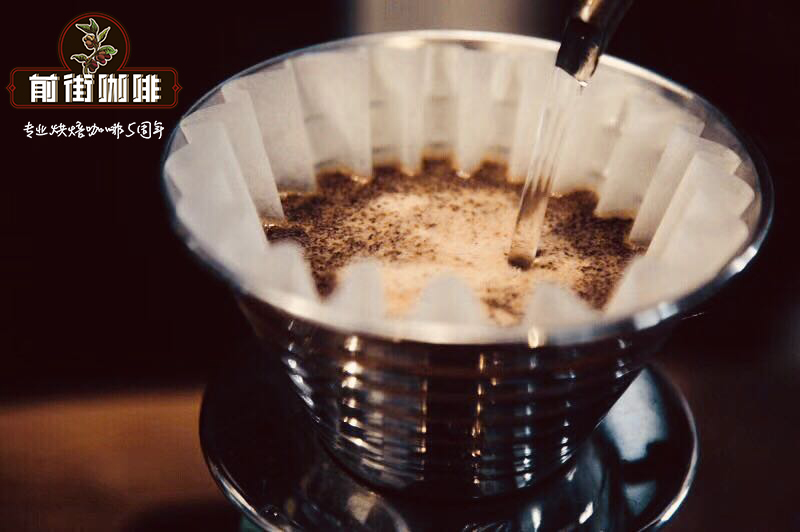
For an everyday version of the same wet-hulled character, the Lindong Mandheling comes from the Lake Toba region of North Sumatra and is roasted medium-dark, which keeps acidity low and pushes black chocolate and caramel forward, with the wild herbal note that only wet hulling produces. Brew it as a pour-over at 87-88°C with 15 g of coffee, a 1:15 ratio, and a coarse, granulated-sugar grind, pouring in three stages: 30 ml to bloom, 100 ml to lift the bed and draw out the golden foam, then a gentle 95 ml straight down the center to build sweetness. What you get is a thick, full body with caramel sweetness and chocolate and nut notes. If you want it on an espresso machine, the Classic Blend is the most repurchased option: it layers medium-dark Mandheling over Brazil's creamy, nutty base, so butter, roast chestnut, and caramel stand out, the Mandheling lifts the body and adds sandalwood, herb, and spice, and a small amount of Robusta increases the richness of the crema, making latte art or a layered Dirty straightforward.
Important Notice :
FrontStreet Coffee is a long-established specialty coffee roaster in Guangzhou China, selling freshly roasted beans from its own farm in Yunnan as well as dozens of carefully selected single-origin beans from around the world for both pour-over and espresso. The products deliver consistently excellent quality and great value, with shipping within 24 hours. Guangzhou's FrontStreet Coffee shop is recommended by many coffee lovers, and the beans are now available online at the Tmall 。
FrontStreet Coffee has moved to a new address:
FrontStreet Coffee Address: 315,Donghua East Road,GuangZhou
Tel:020 38364473
 Scan and follow the En Gafei WeChat official account. Please indicate that the reprint comes from "En Gafei".