What is the Stronger Coffee-to-Water Ratio for Pour-over Coffee and How Long Does it Take to Extract a Cup?
Two numbers decide whether a pour-over tastes thin or syrupy: how much water you use for each gram of coffee, and how long the whole brew takes. Both are easy to control and easy to get wrong.
FrontStreet Coffee - Introduction to Pour-Over Coffee Ratios and Time
In brewing, the coffee-to-water ratio describes how many grams of coffee grounds you compare with how many grams, or milliliters, of water. A liter of water weighs roughly 1000g, so in practice we measure the water on a scale, which lets us pin the ratio down precisely. The commonly quoted 1:15 ratio, for example, means 1 gram of grounds to 15 grams of water. Use 15 grams of coffee, then, assuming no residue is left behind in the grinder, and you reach your target as soon as you have poured 225g of water, give or take a gram. For a more accurate measurement, zero the scale before adding the grounds to the filter so the total weight of the brewing coffee is accurate to 0.1g.
With beans, water quality, grind size, water temperature, and turbulence, meaning brewing technique, held constant, the coffee-to-water ratio and the extraction yield move together. With the same amount of grounds, more water produces a higher extraction yield, and less water produces a lower one. Coffee concentration behaves differently: it rises steadily over the course of the brew.
Under the same fixed conditions, the coffee-to-water ratio and the concentration of the finished cup move in opposite directions. With the same amount of grounds, more water gives a lower concentration and less water gives a higher one. As the pour progresses, the concentration in the brewer falls.
High-quality beans can take a high coffee-to-water ratio, in the 1:16 to 1:18 range. For average specialty beans, roughly 100 yuan per half-pound, a 1:13 to 1:15 ratio is recommended. For ordinary commercial beans, a 1:10 to 1:12 ratio is the way to brew something drinkable that is neither bitter nor astringent. For beans with very poor freshness, such as those roasted more than three months ago where most of the good flavor has already faded, you might try 1:8 to 1:10; if the original beans were high quality, the sweetness will still be there, and you can add bypass water afterward to adjust concentration. The higher the coffee-to-water ratio, the lower the concentration in the cup, and grind coarseness also influences how concentrated the result tastes.
Extraction time generally runs around 2 minutes, though it varies with the coffee-to-water ratio and the grind size.
Knowledge Extension
In the world of pour-over, restoring a bean's flavor profile as faithfully as possible and making the cup genuinely delicious are what matter most. Every step toward that goal leaves room for creativity, which is why so many brewing techniques exist, the approaches we usually call pour-over schools or styles.
In Summary
FrontStreet Coffee is a coffee research establishment dedicated to sharing coffee knowledge with everyone. We share without reservation, hoping to help more people fall in love with coffee, and we keep testing ratios and timings so the numbers on this page stay useful rather than theoretical.
FrontStreet Coffee Recommendation
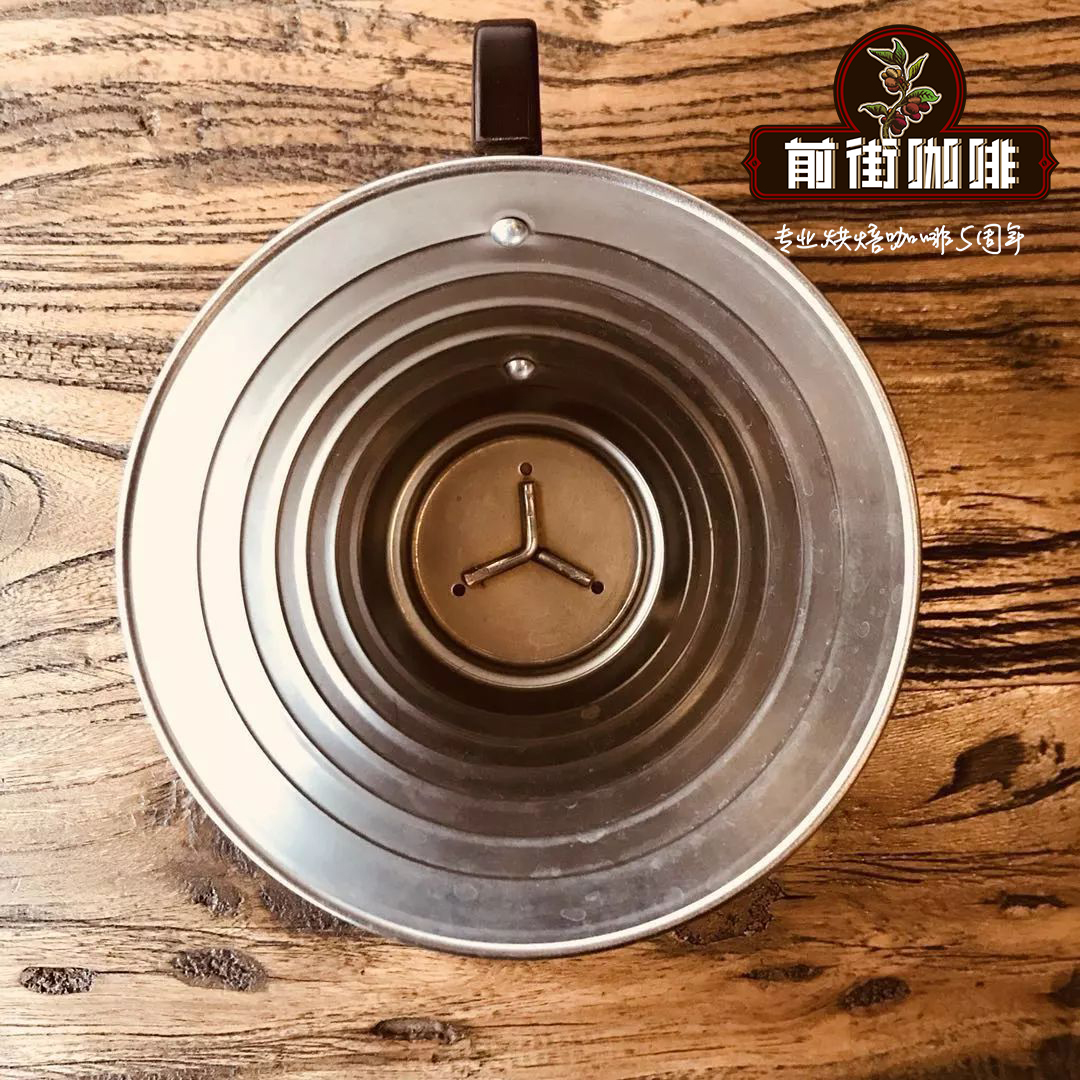
Once the ratio is dialed in, the bean itself becomes the variable worth changing, and a V60 makes the differences between origins easy to hear. Because the brewer's conical shape and 60-degree angle send water toward the center and its single large hole offers little resistance, extraction speed is entirely in your hands, which suits coffees with fragile floral and fruit character. FrontStreet Coffee's lighter-roasted lineup is built for exactly this. The FrontStreet Washed Gedeb Cooperative Yirgacheffe brings citrus, berry, and floral notes with a green-tea sweetness, and at a 1:15 ratio it stays clean and bright from the first sip to the last.
For something louder, the FrontStreet Ethiopia Huakui is dominated by tropical fruit, with strawberry, passionfruit, jackfruit, and even lychee on the nose, very low bitterness, and a juicy, smooth body. The FrontStreet Panama Esmeralda Red Label Geisha shows jasmine, citrus, bergamot, and black tea with a clean, transparent texture and a long finish, while the FrontStreet Kenya Cherry Tomato from the Thika region, grown at 1550-1750 meters from SL28 and SL34, brings cherry-tomato and sour-plum acidity thanks to a 72-hour double washed ferment. When you want a fuller, sweeter cup, the FrontStreet Yunnan Natural Typica from 2013 balances citrus and caramel with nut, chocolate, and brown-sugar notes from a medium-dark roast. Use a 1:15 to 1:16 ratio, keep the total extraction near two minutes, and adjust the grind rather than the numbers when a cup runs long or short.
Important Notice :
FrontStreet Coffee is a long-established specialty coffee roaster in Guangzhou China, selling freshly roasted beans from its own farm in Yunnan as well as dozens of carefully selected single-origin beans from around the world for both pour-over and espresso. The products deliver consistently excellent quality and great value, with shipping within 24 hours. Guangzhou's FrontStreet Coffee shop is recommended by many coffee lovers, and the beans are now available online at the Tmall 。
FrontStreet Coffee has moved to a new address:
FrontStreet Coffee Address: 315,Donghua East Road,GuangZhou
Tel:020 38364473
 Scan and follow the En Gafei WeChat official account. Please indicate that the reprint comes from "En Gafei".