Introduction to Basic Pour-Over Coffee Steps and Guide for Beginners on Choosing a Pour-Over Coffee Maker
FrontStreet Coffee - Pour-Over Coffee Steps and Gooseneck Kettle Selection Guide
With simple equipment and a small bag of fresh coffee beans, you can enjoy a good cup every day by grinding and brewing on the spot. Follow the steps below to join the DIY pour-over movement and make your own coffee at home.
1. Equipment Preparation
1. One gooseneck pour-over kettle
2. A server pot, though a coffee cup will do just as well
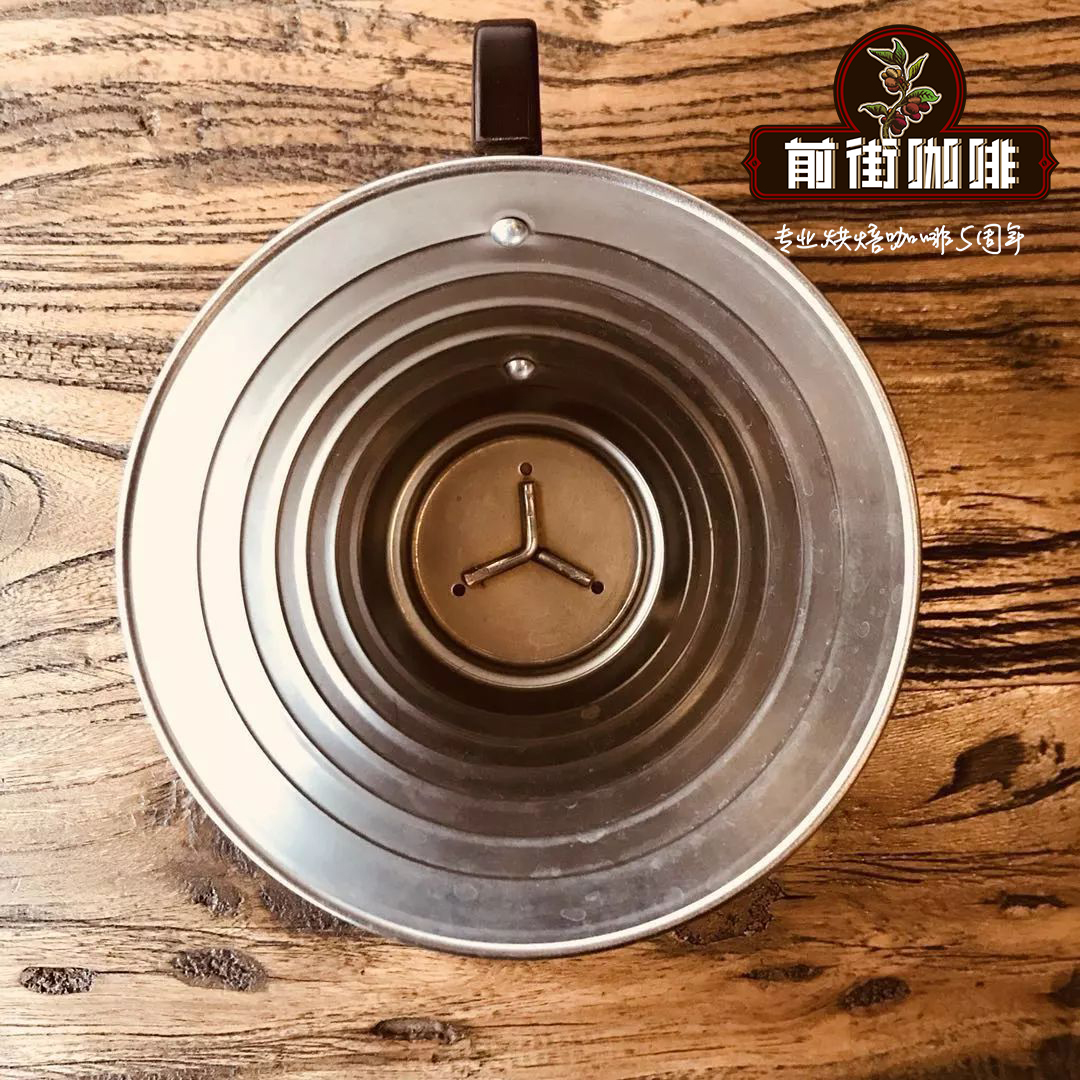
3. A coffee filter cup and matching filter paper
4. Coffee beans, or pre-ground coffee
5. Hot water
6. A cup to hold the filter cup once you take it off the server
2. Folding the Filter Paper
1. Fold the side seam and the bottom seam of the paper inward
2. Fold them in different directions
3. Open the paper up and set it in the filter cup
3. Preparing the Filter Setup
Place the filter paper in the filter cup, then set the filter cup on the glass server.
4. Wetting the Filter Paper
1. Fill the gooseneck kettle with an appropriate amount of hot water at a suitable temperature, about 90°C
2. Before adding any coffee, wet the filter paper with hot water. This helps the paper cling to the cup, warms the cup and rinses the paper
5. Grinding Coffee
Use a coffee spoon to scoop two full spoons of beans, about 15 grams, which is the amount for brewing 200 cc of coffee liquid, and grind them.
Tip: Grind just before brewing whenever you can, so the aroma and freshness stay in the grounds.
6. Adding Coffee Powder
1. Pour the ground coffee into the filter cup
2. Gently tap the filter cup to level the bed
7. Beginning the Brew - First Stage: Blooming
1. Start pouring gently from the center of the coffee bed, moving clockwise in a spiral from the inside out
2. Stop pouring once the coffee is completely soaked through. Fresh grounds release steam when hot water hits them, so the surface will expand and rise
Second Stage: Continuous Pouring
1. When the bloom is finished, which you can tell once the surface stops expanding and rising, begin the second pour
2. The second pour follows the same clockwise path from inside to outside
3. When you reach the outer edge of the filter cup, leave a small ring of powder and avoid pouring directly onto the paper, then keep moving clockwise from the outside back toward the center
4. Try to cross the pouring paths so the extraction stays even
As you prepare to finish, keep watching the coffee in the server. When it approaches 200 cc, anywhere from 180 to 200 cc, move the filter cup onto the catching cup.
Gooseneck Kettle Selection Guide
A. Spout
A thin, pointed spout matters a great deal. The sharper the spout, the better it can deliver a slow, small, dripping stream.
B. Spout Width
I prefer a spout that is not too narrow. If it is too thin you cannot put down a larger flow when you need one, but it cannot be too thick either, or controlling a fine stream becomes tricky.
C. Capacity
Most gooseneck kettles perform best when filled above 80% of their capacity, so it is generally best to avoid anything over one liter, which becomes too heavy to hold comfortably and makes the pour hard to control. A kettle that is too small brings its own problem: the water temperature falls too quickly and ends up too low by the end of the brew.
D. Kettle Body
The body shape is best when it is slim at the top and wider at the base. That way, when you pour in circles, the inertia of the water inside has less effect on your stability.
E. Temperature
The temperature has to be controllable, which means pairing a heat source with a thermometer.
Knowledge Extension
In pour-over coffee, the goal is to restore as much of the bean's flavor as possible and make it taste good. Every step toward that goal leaves room for creativity, which is why so many brewing techniques exist, the approaches we often call pour-over schools or styles.
Conclusion
In short, FrontStreet Coffee is a dedicated coffee research house that enjoys sharing coffee knowledge with everyone. We share without reservation simply to help more friends fall in love with coffee. Every month we hold three heavily discounted coffee promotions, because FrontStreet Coffee wants more people to drink the best coffee at the lowest price. That has been our mission for the past 6 years.
FrontStreet Coffee Recommendation
For a first pour-over bean, easy wins matter, and the FrontStreet Yirgacheffe Gotiti Cooperative fits that brief neatly. This washed lot from the southeastern corner of Yirgacheffe brings fresh, bright citrus and lemon acidity with jasmine fragrance and no heavy bitterness, and the FrontStreet Ethiopia Huakui takes the opposite, fruit-forward route, hugely aromatic and low in bitterness, with strawberry, passion fruit, jackfruit and even lychee over a juicy body.
The gear in this guide pairs well with the bean. The Hario V60, designed by a Tokyo glassmaker that began in 1921 and redesigned into its modern form in 2004 before launching a year later, uses a 60-degree cone to send water to the center before it drips through, extending contact between water and grounds, and its single large hole lets your pouring control the flow directly, so floral and bright coffees like these come through at their most dimensional.
If you prefer a richer, more forgiving cup while you practice, the FrontStreet Jamaica Blue Mountain No. 1 and the FrontStreet PWN Golden Mandheling both reward a steady hand. Blue Mountain No. 1 is balance itself, with nuts, dark chocolate and cream caramel and a soft sweetness, while the PWN Golden Mandheling is the highest grade of its style, medium-dark, low in acid and full in body, with herbs, dark chocolate and a faint earthy note.
Important Notice :
FrontStreet Coffee is a long-established specialty coffee roaster in Guangzhou China, selling freshly roasted beans from its own farm in Yunnan as well as dozens of carefully selected single-origin beans from around the world for both pour-over and espresso. The products deliver consistently excellent quality and great value, with shipping within 24 hours. Guangzhou's FrontStreet Coffee shop is recommended by many coffee lovers, and the beans are now available online at the Tmall 。
FrontStreet Coffee has moved to a new address:
FrontStreet Coffee Address: 315,Donghua East Road,GuangZhou
Tel:020 38364473
 Scan and follow the En Gafei WeChat official account. Please indicate that the reprint comes from "En Gafei".