What Grade are Arabica Coffee Beans - Understanding Geisha Coffee's Arabica Classification and Flavor Characteristics
Understanding Coffee Varieties: The World of Arabica
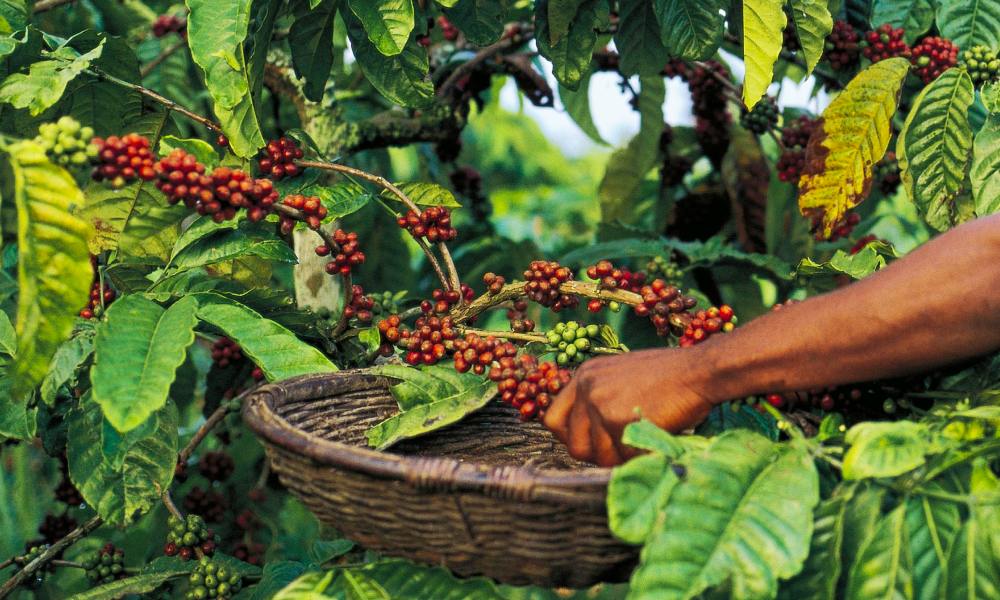
Every plant and animal in the world raises questions of species and variety, and coffee is no exception. Today there are three main categories of coffee cultivated commercially: Arabica (small beans), Robusta (medium beans), and Liberica (large beans), with Arabica and Robusta by far the most common.
Robusta, with its deep, heavy roasted flavor and high caffeine content, is often used in espresso blends and instant coffee production. Arabica, the small-bean species, originated in Ethiopia in Africa and is widely popular for its pure flavor and rich, elegant aroma. Every one of the dozens of coffees on FrontStreet Coffee's daily menu belongs to the Arabica species.

Cultivation of Arabica Coffee
Arabica is demanding about where it grows, needing frost-free highlands between 800-2000 meters, mostly within the coffee belt between the Tropics of Cancer and Capricorn. The higher the altitude, the better the quality of the Arabica produced. Countries we hear about often - Ethiopia, Panama, Colombia, and Brazil - are famous Arabica growing regions.
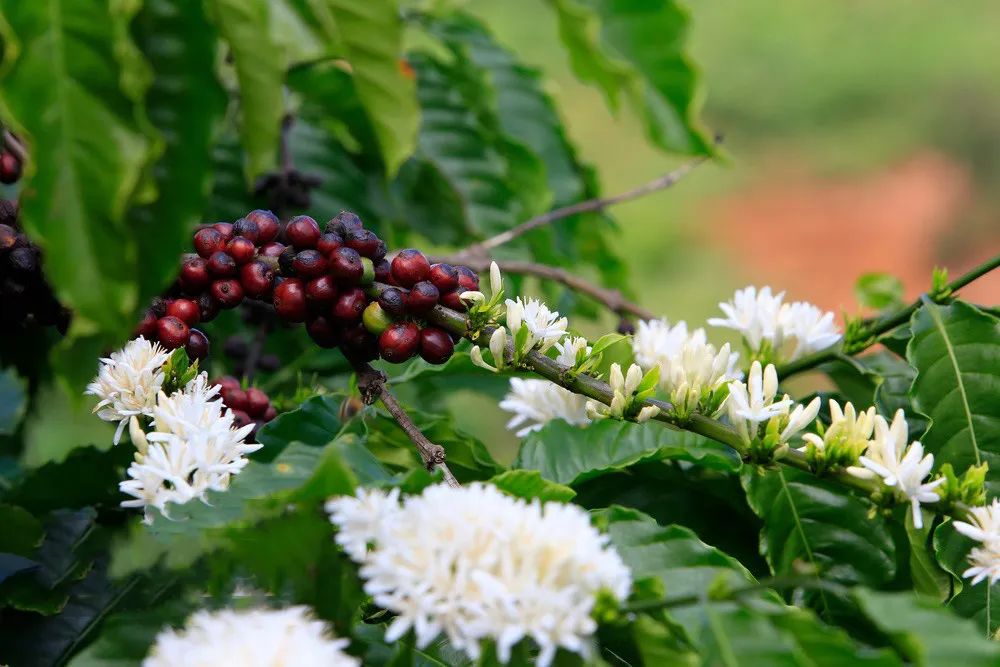
Robusta, by contrast, is grown mainly in regions that chase high yields, such as Indonesia and Vietnam. Robusta contains more chlorogenic acid, so it resists pests and climate stress better; it is generally grown at low altitudes, yields heavily, and ripens quickly. The "picky" Arabica has weaker disease resistance and yields less per plant. High altitude creates a large day-night temperature difference, slowing the ripening of the cherries so they absorb more nutrients and develop richer aromas. The microclimates of each coffee region give Arabica diverse growing conditions and unique flavors.
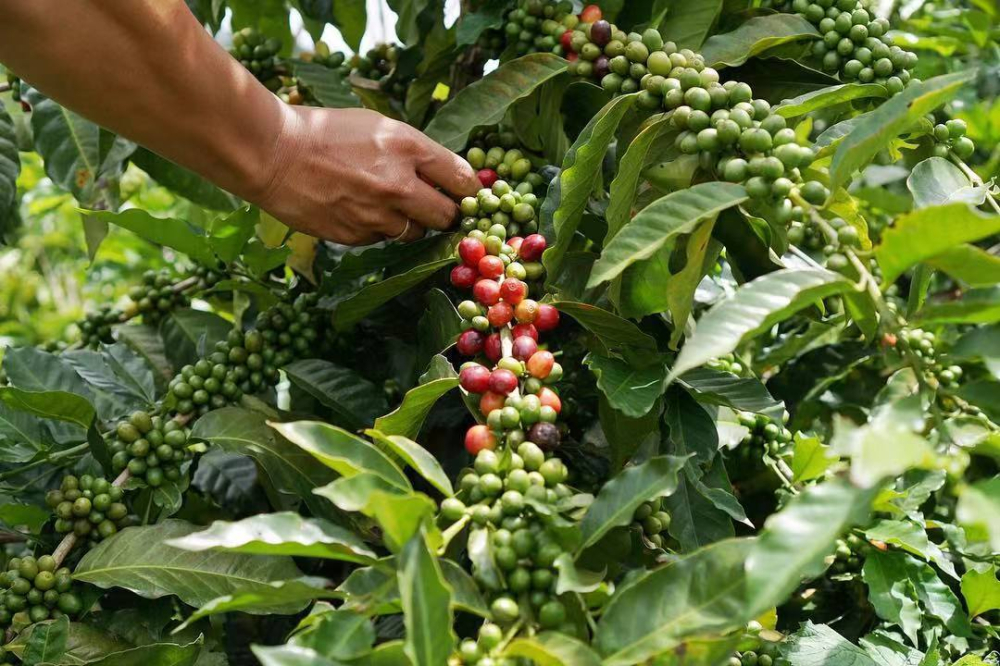
Growing Arabica at high altitude also makes management and harvesting harder and raises production costs significantly. High-quality Arabica demands multiple steps - hand picking, selection, and processing - to yield superior beans with delicate flavors. Well-known examples such as Jamaican Blue Mountain, Panama Geisha, and Ethiopian Yirgacheffe are all extremely high-quality Arabicas.
What are the Arabica Varieties?
Arabica has many subspecies, all descending from the ancient Typica and Bourbon varieties. Below, FrontStreet Coffee briefly introduces several of the most common Arabica varieties and their representative flavors.
Typica
The oldest native variety from Ethiopia, from which all Arabica coffees descend. Typica has bronze-colored top leaves and oval or slender-pointed beans. It has elegant acidity and aroma, but the plant is relatively weak and prone to leaf rust disease, with low fruit yield. The world-famous Jamaican Blue Mountain coffee is a Typica variety.
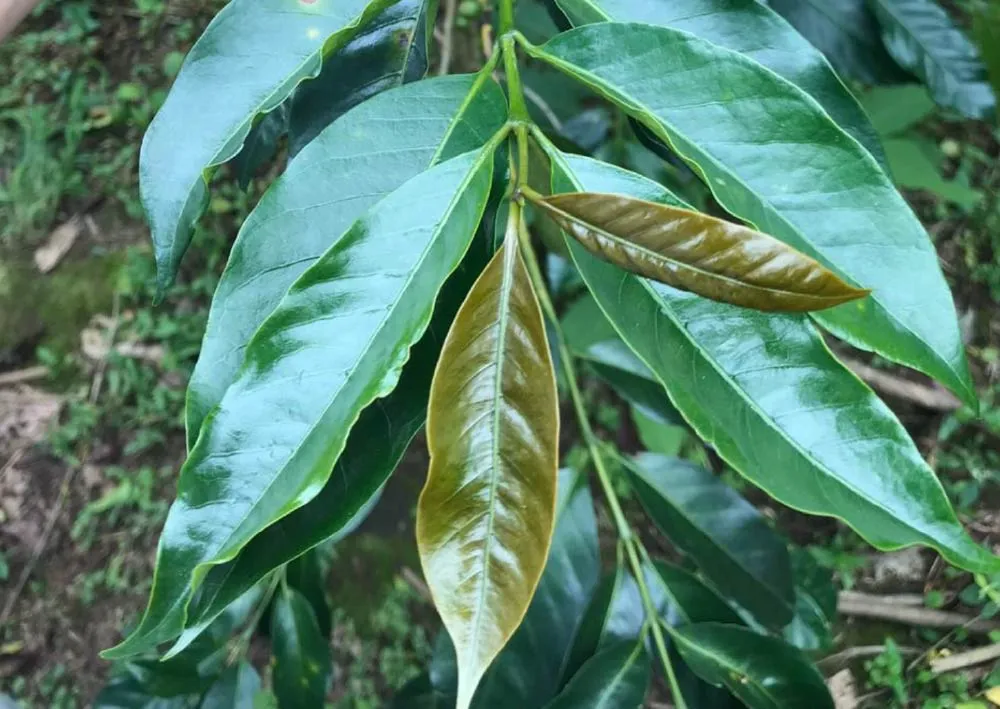
Typica was brought to Blue Mountain for cultivation in the 18th century and has been there for over two hundred years. Blue Mountain Typica has adapted to the island's terroir and evolved better disease resistance, particularly against coffee berry disease, than typical Typica. FrontStreet Coffee believes the delicate, clean flavor of Blue Mountain is inseparable from Jamaica's careful cultivation of the Typica variety.
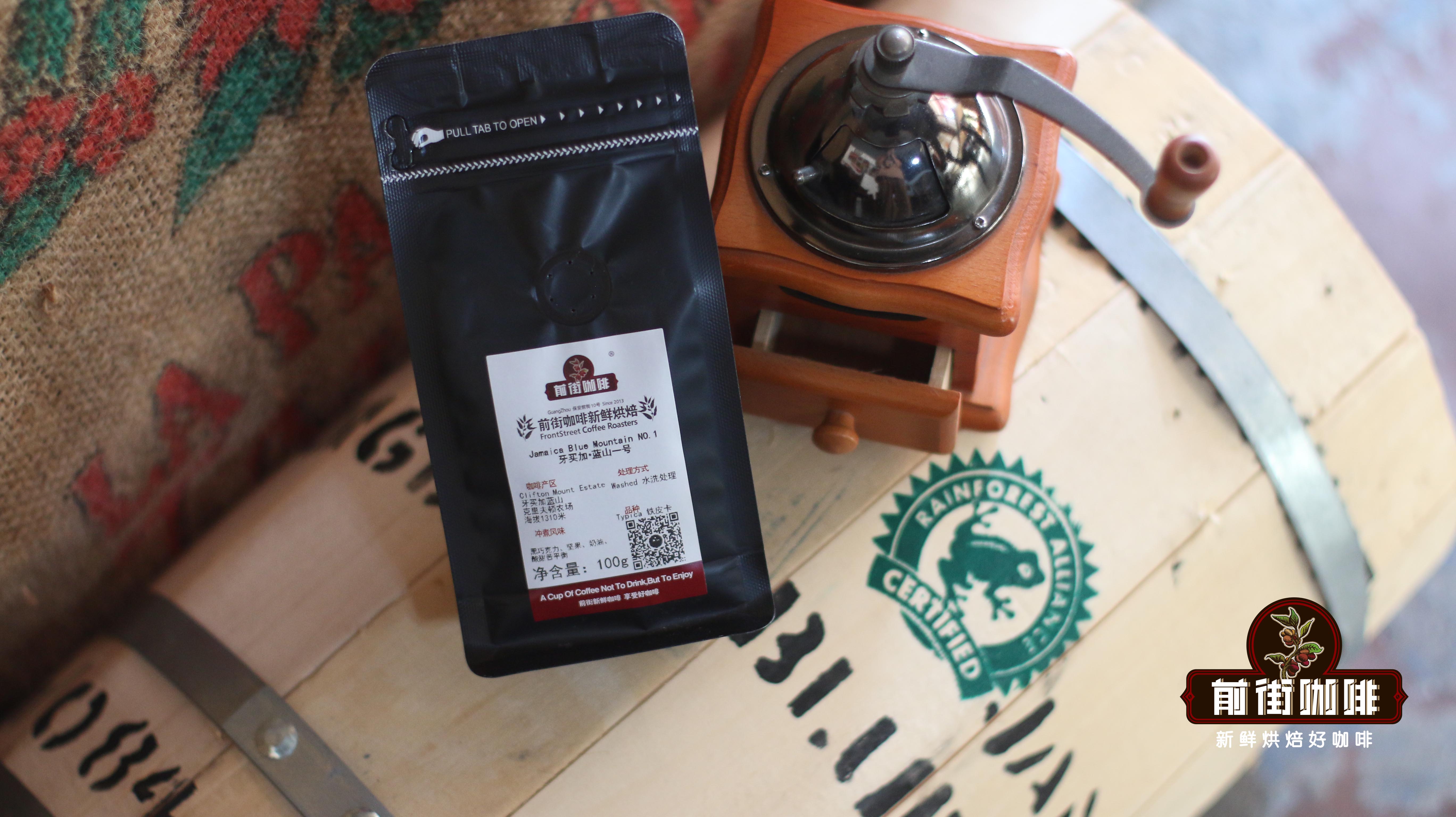
FrontStreet Coffee: Jamaica Blue Mountain No.1 Coffee Beans
Region: Jamaica Blue Mountain
Altitude: 1310m
Processing: Washed
Variety: Typica
Flavor: Chocolate, Nuts, Cream, Cocoa
Bourbon
Bourbon originated as a natural mutation of Typica, with the slender-pointed bean shape becoming round-bodied. It was first discovered on Bourbon Island (now Réunion) off the east coast of Africa. It was named Bourbon in 1715 after the French transplanted round-bodied Yemen Mocha coffee to Bourbon Island (renamed Réunion after the French Revolution). The round-bodied Bourbon was introduced to Brazil for cultivation in 1727. Because the plants can be densely planted and bear relatively more fruit, the yield is 20-30% higher than Typica varieties.
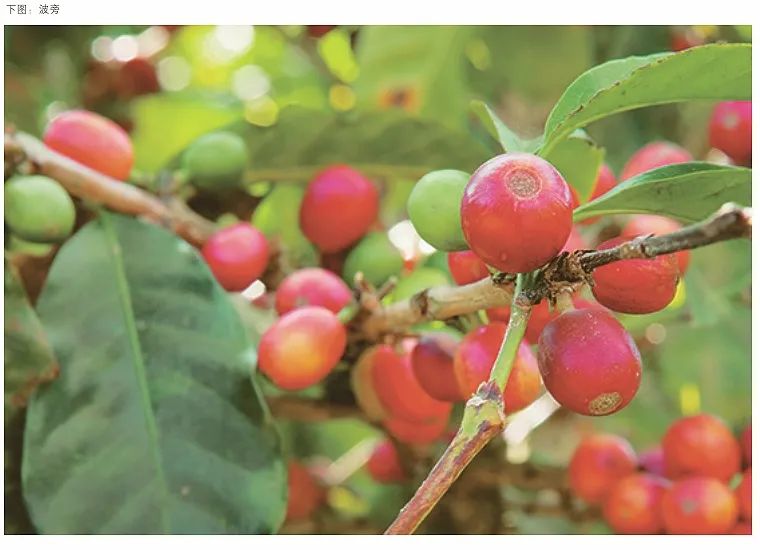
Most Brazilian coffees are lower in acidity, and combined with a mellow aroma they are extremely smooth on the palate with a refreshing aftertaste. FrontStreet Coffee has selected a semi-dry processed Red Bourbon as Brazil's representative, with distinct nutty and chocolate flavors, moderate caramel sweetness, a smooth texture, and overall balance. It has been added to the daily bean series, which presents the basic flavors of each major producing region so beginners can learn a region's baseline and then explore other types of regions according to their preferences.
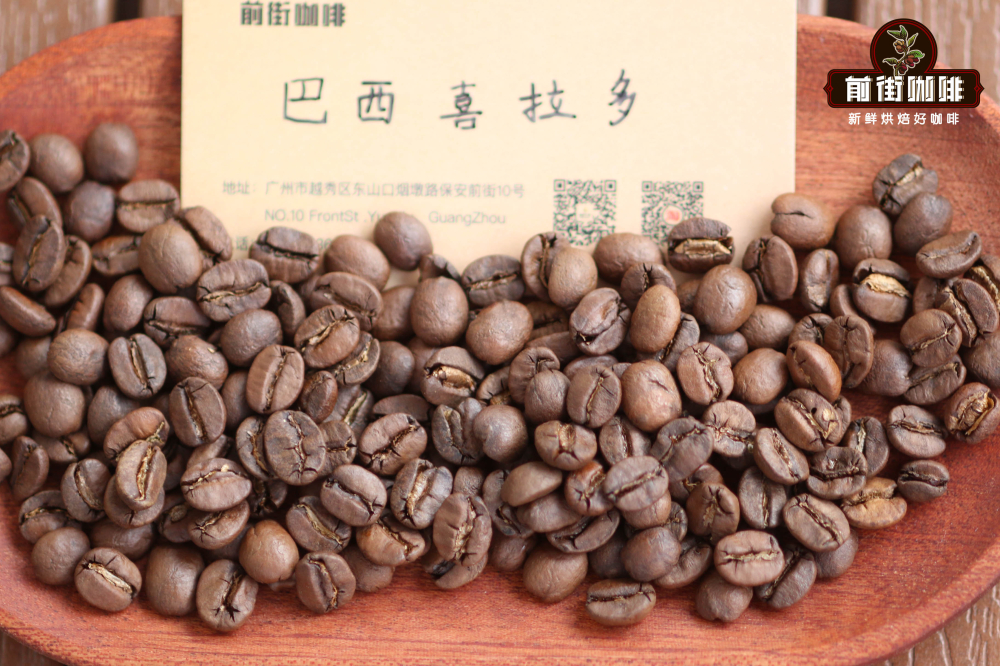
FrontStreet Coffee: Brazil Cerrado Coffee Beans
Region: Cerrado Region, Minas Gerais, Brazil
Altitude: 1000 meters
Variety: Red Bourbon
Processing: Semi-dry
Flavor: Nuts, Chocolate, Cream, Peanut, Caramel
Geisha
Anyone who drinks pour-over coffee must have heard of Panama's Geisha, which has become one of the symbols of contemporary specialty coffee thanks to its stunning aroma. The Geisha variety is derived from Typica and also originates in Ethiopia, the birthplace of coffee. Unlike other coffee varieties, Geisha trees have very thin foliage, so photosynthetic efficiency is very low. The root system is also fragile, absorbing water and nutrients slowly, resulting in very low yields. Combined with high-altitude growing conditions, the fruit also ripens relatively late.
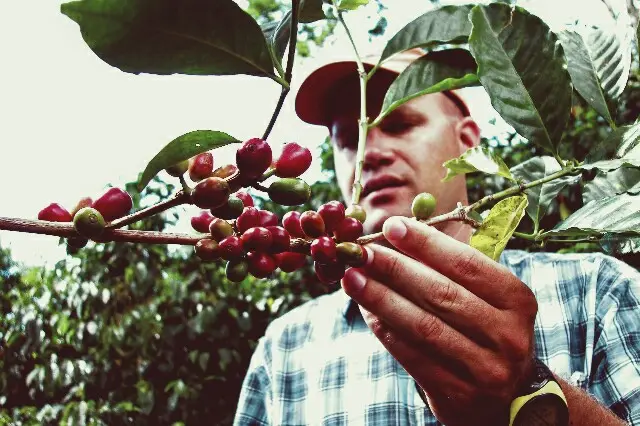
Geisha is now grown in many regions worldwide and is the new king of specialty coffee, reaching its highest quality in Latin American countries such as Panama, Guatemala, and Colombia. Panama Geisha is especially outstanding. On FrontStreet Coffee's menu, the most popular is of course the world-famous Geisha produced by Hacienda La Esmeralda, divided by different characteristics into Red Label Geisha, Green Label Geisha, and Volcanic Geisha.
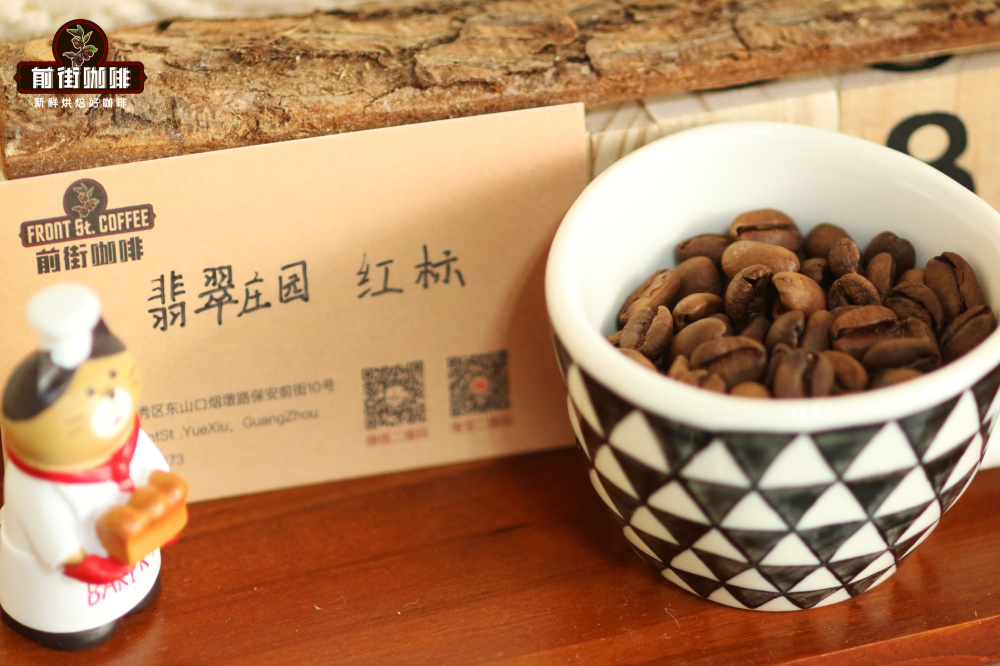
FrontStreet Coffee: Red Label Geisha Coffee Beans
Region: Boquete Region
Estate: Hacienda La Esmeralda, Cañas Verdes
Altitude: 1700+ meters
Variety: Geisha
Processing: Natural Processing
Flavor: Citrus, Complex Fruits, Rose Tea, Honey
Caturra
Caturra is a natural mutation of Bourbon, discovered in Brazil in 1937. The tree is relatively small and not highly disease resistant, but because it can be densely planted and bears fruit more readily, the yield is higher than Bourbon and other varieties. Caturra is widely planted in Central American countries. It has bright acidity and a palate full of fruit; after a medium-dark roast it presents chocolate and nutty sweetness, making it a frequent champion in coffee competitions. Several coffees on FrontStreet Coffee's menu contain the Caturra variety. To understand its flavor characteristics, FrontStreet Coffee recommends the Colombian daily bean, a washed Caturra selection with extremely high cleanliness.
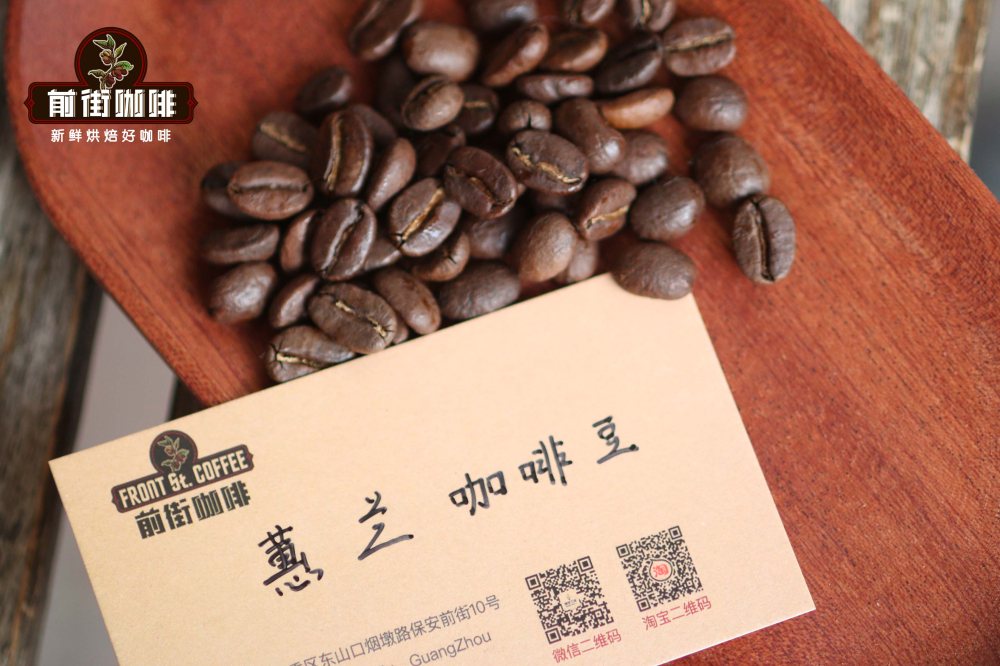
FrontStreet Coffee: Colombian Huila Coffee Beans
Region: Huila, Colombia
Altitude: 1500-1800 meters
Variety: Caturra
Processing: Washed Processing
Flavor: Nuts, Dark Chocolate, Caramel, Gentle Fruity Acidity
There are numerous excellent Arabica varieties, and FrontStreet Coffee cannot list them all. Beyond the most common varieties mentioned above, Catuai, Mundo Novo, Pacas, SL28, SL34 and many more are all Arabica varieties with diverse flavors. Arabica is now widely planted throughout the world, is considered the highest-quality coffee bean, and market quality continues to improve.
For professional coffee knowledge exchange and more coffee bean information, please follow Coffee Workshop (WeChat public account: cafe_style).
For more specialty coffee beans, please add FrontStreet Coffee's private WeChat account: qjcoffeex
FrontStreet Coffee Recommendation
Among all these varieties, Geisha is the one that most rewards a deeper look, and the Esmeralda line is the benchmark. The FrontStreet Esmeralda Red Label Geisha, formally "Esmeralda Special," grows at 1600-1800 meters, cups above 90 points per lot, and carries its own lot number so each buyer can match a batch to a preferred nuance; the FrontStreet Esmeralda Green Label Geisha, or "Private Collection," blends several plots to express the estate's signature high-altitude Geisha profile at a more accessible price.
For a first taste, FrontStreet Boquete Geisha is an entry-level Panama Geisha that delivers the classic orange-blossom honey sweetness, oolong tea texture, and delicate fruit acidity with clear layers. Ethiopia also grows Geisha: FrontStreet Gesha Village Gold Label is a Gesha 1931 selection with a refined natural process, while FrontStreet Gesha Village Red Label is a Gori Gesha with full traceability from a single terroir.
Geisha is a medium-light, floral-fruity coffee with a dense bean that can sink and clog the dripper, so FrontStreet suggests a grind around fine sugar (about 78% pass-through on a Chinese-standard 20-mesh sieve) and water at 91°C. Brew 15 g of coffee in a small Hario V60 at a 1:16 ratio with a three-stage pour: 30 g to bloom for 30 seconds, then circle to 125 g, wait for the bed to drop halfway, then continue to 225 g for a total of about 2 minutes 10 seconds to 2 minutes 20 seconds.
Important Notice :
FrontStreet Coffee is a long-established specialty coffee roaster in Guangzhou China, selling freshly roasted beans from its own farm in Yunnan as well as dozens of carefully selected single-origin beans from around the world for both pour-over and espresso. The products deliver consistently excellent quality and great value, with shipping within 24 hours. Guangzhou's FrontStreet Coffee shop is recommended by many coffee lovers, and the beans are now available online at the Tmall 。
FrontStreet Coffee has moved to a new address:
FrontStreet Coffee Address: 315,Donghua East Road,GuangZhou
Tel:020 38364473
 Scan and follow the En Gafei WeChat official account. Please indicate that the reprint comes from "En Gafei".