How to Brew Colombian Coffee Perfectly - Pour-Over Coffee Water-to-Coffee Ratio Guide
FrontStreet Coffee - Colombian Pour-Over Coffee Sharing
Colombia is the second-largest producer of Arabica beans, and its high-quality fully washed beans have long been a byword for premium coffee.
Coffee exported from Colombia is purchased by processors directly from farmers, then put through density checks and manual removal of defective beans, and packed only after layers of strict inspection — which is why the quality of Colombian coffee can be so reliably guaranteed. The grade of exported beans is determined by their size.
Supremo is the highest grade, selected from large-particle beans using a NO.17 sieve or larger, with aroma and fruit acidity as its defining traits. It carries a toast-like aroma; an obvious fruit acidity spreads after drinking, and the aftertaste is accompanied by sweetness and a rich bitterness. It pairs well with other coffees, so it is also used in high-quality blends to enhance aroma and richness. Medium-dark roasted Colombian beans trade some of that sourness for more bitterness, with aromas leaning toward charcoal and caramel notes.
Coffee Extraction Principles
In coffee brewing there is a "three-stage theory of flavor extraction." From start to finish, as water volume increases and time passes, the first stage extracts aromatic substances and acidity, the second stage extracts sweetness and caramelized compounds, and the third stage extracts bitterness, astringency, and other negative flavors. This gives us a powerful lever: by controlling the coffee-to-water ratio, we control which flavors end up in the cup. With the same dose of coffee, using less water (say a 1:12 ratio) pulls the cup toward the early stages of extraction — from sour to sweet — while using too much water (say a 1:20 ratio) easily drags out bitterness and astringency.
Brewing Method
Recommended brewing method: Pour-over
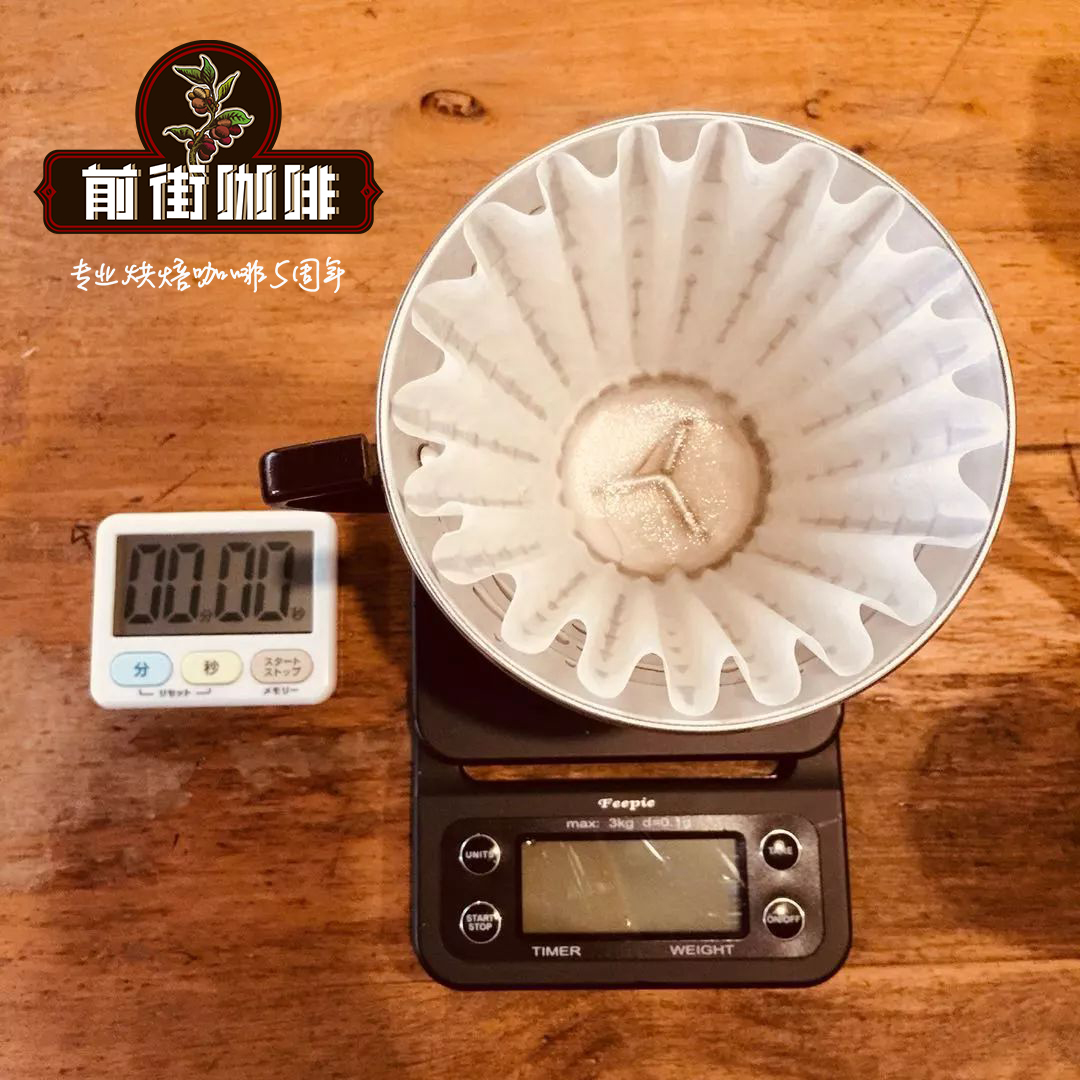
Dripper: Hario V60
Water temperature: 90°C
Coffee amount: 15g
Coffee-to-water ratio: 1:16
Grind size: Medium-fine grind (BG 6S: 58% pass rate through China standard #20 sieve)
Brewing technique: Staged extraction
Use 35g of water for a 40-second bloom, then continue pouring with a small water stream in circles to 127g and pause. When the water level drops and is about to expose the coffee bed, continue pouring to 240g and stop. Once the level again drops to just before exposing the bed, remove the dripper. (Timing starts from the bloom.) Extraction time: 2'00".
Flavor Profile
The first sip brings the acidity of dark plums and berries. As the cup cools, aromas of nuts, caramel, and cream emerge, with a noticeable lemon acidity running through the mouthfeel.
Additional Knowledge
Pink Bourbon was first planted in the Huila region. At first it was mixed in with other Bourbon and Caturra lots, but it was later harvested and processed separately.
FrontStreet Coffee Recommendation
To taste the profile this article describes, try the FrontStreet washed Huila Colombia: from the hills of Huila province at elevations above 1,500 meters, medium-dark roasted to bring out black chocolate and nutty sweetness with a moderate body — great as pour-over or French press, and equally at home in a moka pot or espresso machine. For a fruit-forward alternative, the FrontStreet Finca Linea Pink Bourbon (Sidra) uses anaerobic natural processing, where low-oxygen fermentation coaxes out tropical fruit aromas; at a medium-light roast you'll find passion fruit, grape, apricot, and dried fruit. And for milk drinks, the FrontStreet Specialty Espresso Blend marries Brazil's creamy nuttiness with Colombia's dark chocolate bitterness, producing fine golden crema. Brew the single origins with the parameters above: 90°C, 1:16, medium-fine grind.
Important Notice :
FrontStreet Coffee is a long-established specialty coffee roaster in Guangzhou China, selling freshly roasted beans from its own farm in Yunnan as well as dozens of carefully selected single-origin beans from around the world for both pour-over and espresso. The products deliver consistently excellent quality and great value, with shipping within 24 hours. Guangzhou's FrontStreet Coffee shop is recommended by many coffee lovers, and the beans are now available online at the Tmall 。
FrontStreet Coffee has moved to a new address:
FrontStreet Coffee Address: 315,Donghua East Road,GuangZhou
Tel:020 38364473
 Scan and follow the En Gafei WeChat official account. Please indicate that the reprint comes from "En Gafei".