The World's Top Coffee Estate: Introduction to the Characteristics of Elida Estate Coffee ASD Natural Processing Method
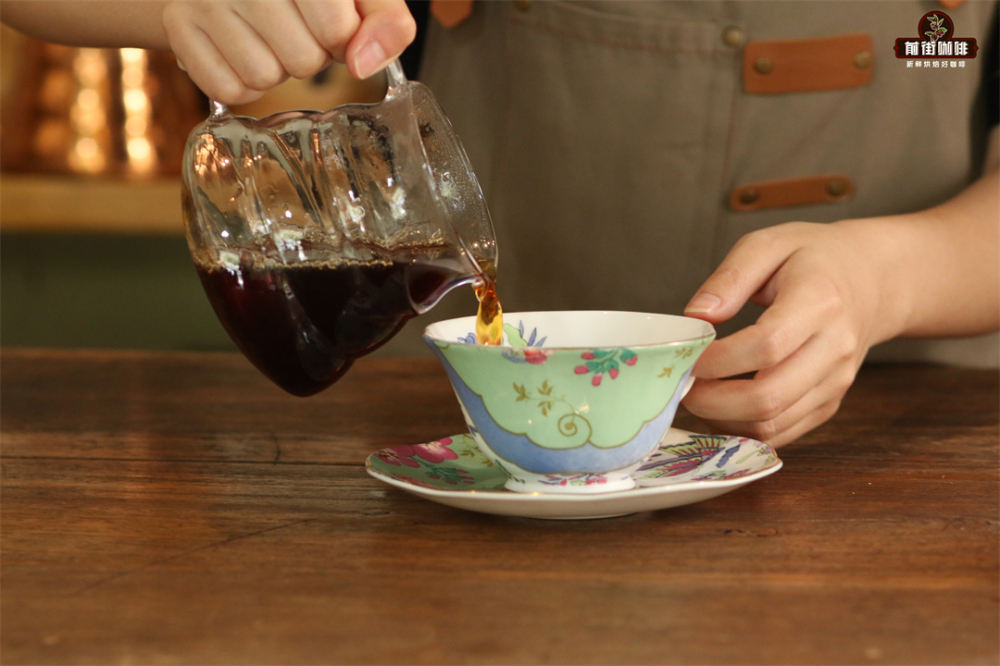
In specialty coffee, most varieties are Arabica, and among them Geisha is widely regarded as the most noble bean of all. At FrontStreet Coffee, we introduce customers to the uniqueness of Geisha. When we talk about coffees from the same origin, washed processing usually represents a bean's core flavor profile, while natural processing adds aroma on top of that washed base. For Blue Mountain, we recommend washed processing; for aromatic beans, we recommend natural processing—such as Geisha. Geisha is also a specialty coffee that never fails to make FrontStreet Coffee's bean list.
The Origin of Geisha Coffee
Geisha coffee beans are known as "Geisha" (the same spelling as the Japanese geisha), but they do not originate from Japan. The name comes from the Gesha mountains of Ethiopia, which sounds identical to the traditional Japanese "geisha" when pronounced. In recent years, the standard transliteration has increasingly been rendered as "Guixia."
The Geisha variety was discovered in the Gesha forest of Ethiopia in 1931 and then sent to the Coffee Research Institute in Kenya. In 1936 it was introduced to Uganda and Tanzania. In 1953 Costa Rica took in the variety, and Panama received it in the 1970s, when Mr. Francisco Serracin of the Tumba Siete farm obtained seeds from Costa Rica's CATIE and began growing Geisha coffee.

Although the bean's original homeland is Gesha Mountain in southwestern Ethiopia, after it was introduced to Panama it was unpopular among coffee farmers because of its low yield. It was not until Panama's La Esmeralda estate made the bean shine at the 2004 Panama cupping competition that Geisha's reputation began to spread far and wide. Another factor is that Geisha production is relatively scarce, so when people equate price with quality, Geisha coffee instantly became a legend.
Characteristics of Geisha Coffee
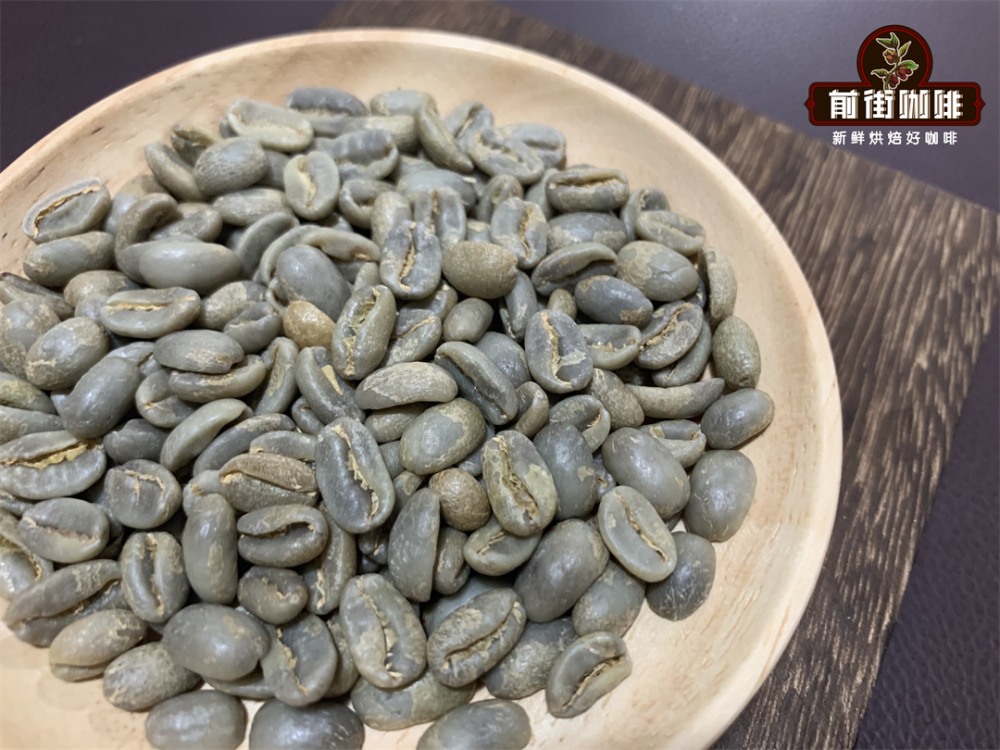
Geisha coffee beans have a beautiful blue-green color—typically referring to washed beans with a warm, jade-like surface. The beans are slender and carry aromas of fresh grass, peach and berries, along with the unique milky sweetness of oolong tea that most coffee beans lack. Aroma and flavor may call for associative thinking, but the subtle tea note is something we can clearly perceive.
Some people say Yirgacheffe tastes similar to Geisha coffee, but the charm of Yirgacheffe is not as rich as Geisha's. Even so, Geisha has its own distinctive flavor: it always features clear floral notes and bright, clean citrus acidity. Geisha from different regions, however, has its own unique flavors, with the differences likely stemming from growing region or processing method.
Since Geisha expresses itself in so many ways, FrontStreet Coffee will explore the flavors of several Panamanian Geisha coffees.

Panamanian Geisha
Elida Estate is located in the town of Boquete, a renowned coffee-growing region in Panama. Elida sits at high altitude, with part of it even inside the Volcan Baru National Park reserve. Baru is one of the highest volcanoes in Central America and Panama's only volcanic terrain. With excellent growing conditions at roughly 1,670–1,825 meters, Elida primarily cultivates three varieties: CATUAI, GEISHA and CRULLO.
The Geisha Green Tip coffee beans grown at Elida Estate won the Geisha washed category championship at the 2016 "Best of Panama" (BOP) green bean auction, receiving an incredible score of 94.15 from international judges. This not only set the highest score in BOP history but also set a record for the highest price ever paid for Geisha washed beans at BOP, with the green beans selling at approximately NT$9,000 per pound at the international auction. The 2016 All Japan Barista Champion also used coffee beans from Elida Estate to win.
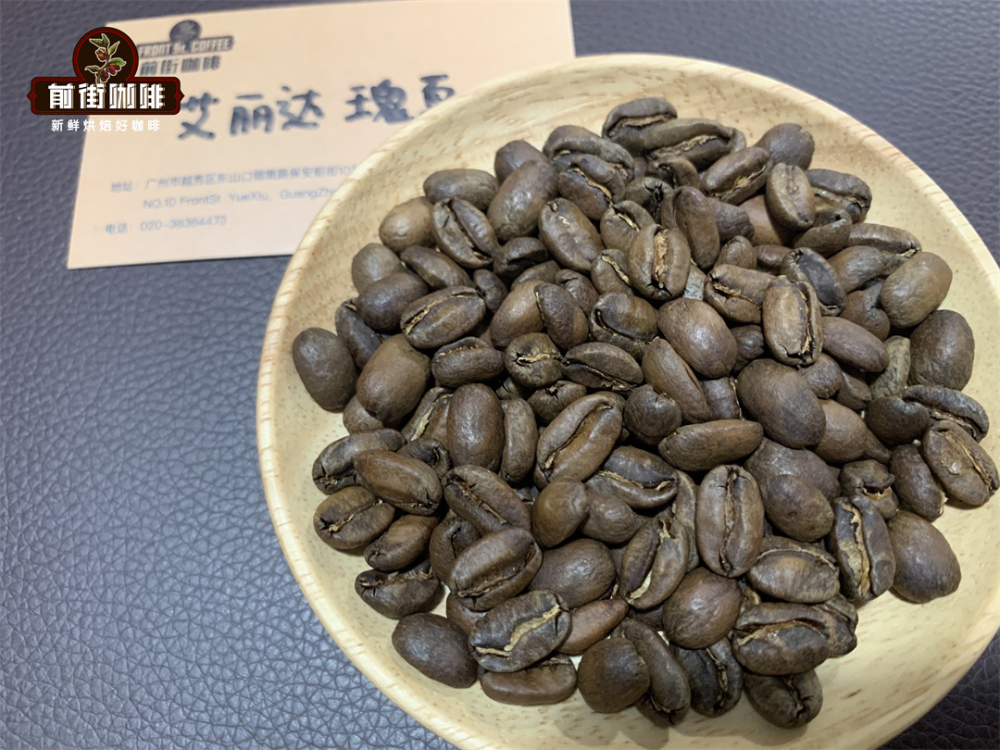
FrontStreet Coffee: Panama Elida Estate
Country: Panama
Region: Boquete
Altitude: 1850M
Processing: Washed
Variety: Geisha
Flavor Description: Citrus, honey, berries, green tea, with a round and smooth mouthfeel.
When it comes to post-harvest processing at Elida Estate, FrontStreet Coffee must mention ASD, which has become especially popular in recent years.
ASD stands for Anaerobic Slow Dry, which translates to anaerobic slow-drying natural processing. It was first proposed by Mr. Wilford, owner of a famous Panamanian coffee estate. The process takes hand-picked, fully ripe coffee cherries, gives them an initial round of washing and sorting, places them in sealed tanks for anaerobic fermentation for 3–7 days, and then removes the fermented cherries.

By controlling the "drying rate" to enhance the activity of specific microorganisms, the producer can control the type and degree of fermentation to a certain extent—this is the specialty of current estate owner Wilford Jr. After the cherries complete fermentation, they are dried. If continuous sunlight can be maintained, drying typically takes 10–20 days. This method lets the moisture inside the fruit dissipate gradually and enhances better floral and tropical-fruit notes in the coffee.
The low-temperature slow-drying natural method requires producers to invest more time and effort. Under the nurturing of time, slow drying allows the cherries to develop optimal water activity. On one hand this leads to better flavor development, and on the other the green beans can be stored longer through the harvest-season cycle. However, this method not only depends on favorable weather but also extends the production time required for each batch, increasing the cost of the green beans.

Panama Elida Estate
Panama Elida Estate
Region: Boquete, Panama
Estate: Elida Estate
Altitude: 1900 meters
Variety: Geisha
Processing Method: Anaerobic Fermentation Low-Temperature Slow Drying Natural
Recommended Brewing Method: Pour-over
Dripper: Hario V60
Water Temperature: 90-91°C
Grind Size: Medium-fine (BG 5R: 58% pass-through rate on China standard #20 sieve)
Coffee-to-Water Ratio: 1:15

Technique: Segmented extraction. Use 15g of coffee, bloom with 30g of water for 30 seconds. Pour in small circular motions to 125g in stages. When the water level drops to just before exposing the coffee bed, continue pouring to 226g and stop. When the water level drops to just before exposing the coffee bed again, remove the dripper. (Timing starts from the bloom.) Total extraction time is 1'50".
Flavor: Aromas of subtle fermentation and floral notes, with grapefruit, lemon and guava flavors on entry. The mid-palate carries honey sweetness, with a black tea finish.
FrontStreet Coffee Recommendation
For the classic Panamanian Geisha experience, FrontStreet's Emerald label lineup is the natural place to start. The FrontStreet Emerald Green Label Geisha blends lots from several plots to express Hacienda La Esmeralda's signature high-altitude Geisha character at a friendly price, while the FrontStreet Emerald Red Label Geisha offers single-plot batches cupped at 90 points and above. For a first taste of the famous Geisha flavor, the FrontStreet Boquete Geisha is an accessible Panama Geisha with the classic citrus-and-honey sweetness, oolong-tea sensation and fine fruit acidity.
Ethiopia, the birthplace of coffee, also has its own celebrated Geisha estates. The FrontStreet Geisha Village Gold Label (the Geisha 1931 variety, about 10% of the village's output) and the FrontStreet Geisha Village Red Label (the Gori Gesha variety, about 15%) come from a rare large estate beside the original Geisha forest, where strict quality control and standardized management yield especially refined cups. The FrontStreet Grana Gesha, suited to a light-medium roast, shows bright citrus acidity, elegant ginger-lily blossom and ripe-fruit sweetness. If you would like to make Geisha-style flavors part of your everyday drinking, the FrontStreet Strawberry Candy blend combines a Costa Rican honey-process coffee with Panama Geisha for clear florals and sweet fruit, and works as pour-over, in a moka pot or as cold brew.
Important Notice :
FrontStreet Coffee is a long-established specialty coffee roaster in Guangzhou China, selling freshly roasted beans from its own farm in Yunnan as well as dozens of carefully selected single-origin beans from around the world for both pour-over and espresso. The products deliver consistently excellent quality and great value, with shipping within 24 hours. Guangzhou's FrontStreet Coffee shop is recommended by many coffee lovers, and the beans are now available online at the Tmall 。
FrontStreet Coffee has moved to a new address:
FrontStreet Coffee Address: 315,Donghua East Road,GuangZhou
Tel:020 38364473
 Scan and follow the En Gafei WeChat official account. Please indicate that the reprint comes from "En Gafei".