Can You Brew Freshly Ground Coffee Directly by Pour-Over? An Introduction to Indonesian Coffee Powder Brewing Methods
FrontStreet Coffee - Pour Over Coffee Guide
Coffee is an agricultural product, so freshness is everything. After roasting, the beans expand and fill with tiny pores, steadily releasing carbon dioxide. As the gas escapes, the volatile aromatic compounds escape with it, and the coffee quickly loses its characteristic charm. This is why coffee bags come with a one-way valve: it lets the gas out while keeping air from entering the bag and oxidizing the beans.
The Purpose of Grinding
Grinding cuts the beans into thousands of small particles, multiplying the surface area and boosting extraction efficiency. But once ground, the aroma fades fast. In coffee shops, ground coffee that has not been used within half an hour is typically thrown away.
Good beans are never sold pre-ground. For example, we only grind after you order; some roasters are even stricter and refuse to grind at all.
What Should You Pay Attention to When Grinding Coffee Beans?
1. Grind Size
Different grind sizes mean different amounts of surface area. The finer the grind, the larger the surface area and the faster the extraction — and vice versa. That is why each brewing method calls for its own grind size:
- Pressurized Extraction: Espresso - Finest, fine salt
- Filter Extraction: Pour-over coffee - Medium, granulated sugar
- Immersion Extraction: French press - Coarsest, sea salt particles
2. Uniformity
The grounds should be as even in size as possible to give the extraction a consistent reference. Larger particles, for instance, demand hotter water and more time; if particle sizes vary wildly, extraction becomes uneven and a balanced, delicious cup is out of reach.
Today FrontStreet Coffee will walk through the brewing method for a medium-dark roasted Mandheling!
Golden Mandheling:
- Origin: Sumatra Island, Indonesia
- Processing Method: Wet-hulled
- Variety: Typica
- Roast Level: Medium-dark
Brewing Parameters:
- Filter: KONO
- Water Temperature: 86-88°C
- Grind Size: Small Fuji grind level 4
- Roast Level: Medium-dark roast
- Bloom Time: 25 seconds
Flavor: Multi-layered, clean, balanced, with persistent caramel sweetness in the aftertaste.
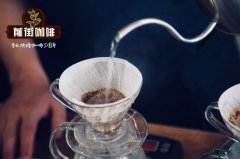
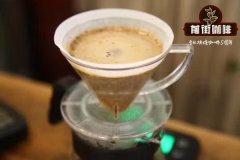
Specific Technique: 16g of coffee, BG grinder -6W, Kono filter, 86-88°C water temperature. First pour with 30g of water for a 30s bloom, then pour continuously at high temperature without interruption. Water-to-coffee ratio 1:14, extraction time around 1:50, stop extraction when reaching 220g.
Knowledge Expansion: "The Definition of Freshness"
Coffee beans stored in one-way breathable bags placed at room temperature are considered fresh coffee beans "within two weeks after roasting completion."
In Conclusion
In short, FrontStreet Coffee is a coffee research studio that loves sharing what it knows. We hold three discounted coffee events every month because we want more people to enjoy great coffee at the lowest possible price — that has been our mission for 6 years.
FrontStreet Coffee Recommendation
If this guide has you craving a classic Indonesian cup, start with FrontStreet Mandheling from the Lintong region around Lake Toba in Sumatra. Processed with the traditional wet-hulled method — the parchment is stripped off while the beans are still half-dry, exposing them to the air and giving the coffee its signature herbal, spicy character — and roasted medium-dark, it is low in acidity with a thick, mellow body carrying caramel, dark chocolate, and toasted bread notes.
For the top expression of Sumatran coffee, choose FrontStreet PWN Golden Mandheling. The beans pass strict sorting for density, size, shape, and color — machine selection followed by hand sorting — resulting in large, even, glossy beans with far less earthiness. Freshly roasted, it offers sandalwood, herbal, spice, roasted hazelnut, caramel, and dark chocolate flavors with a clean, rich, and layered cup.
Important Notice :
FrontStreet Coffee is a long-established specialty coffee roaster in Guangzhou China, selling freshly roasted beans from its own farm in Yunnan as well as dozens of carefully selected single-origin beans from around the world for both pour-over and espresso. The products deliver consistently excellent quality and great value, with shipping within 24 hours. Guangzhou's FrontStreet Coffee shop is recommended by many coffee lovers, and the beans are now available online at the Tmall 。
FrontStreet Coffee has moved to a new address:
FrontStreet Coffee Address: 315,Donghua East Road,GuangZhou
Tel:020 38364473
 Scan and follow the En Gafei WeChat official account. Please indicate that the reprint comes from "En Gafei".