The Correct Brewing Method for Yirgacheffe - Introduction to Ethiopian Coffee Bean Varieties
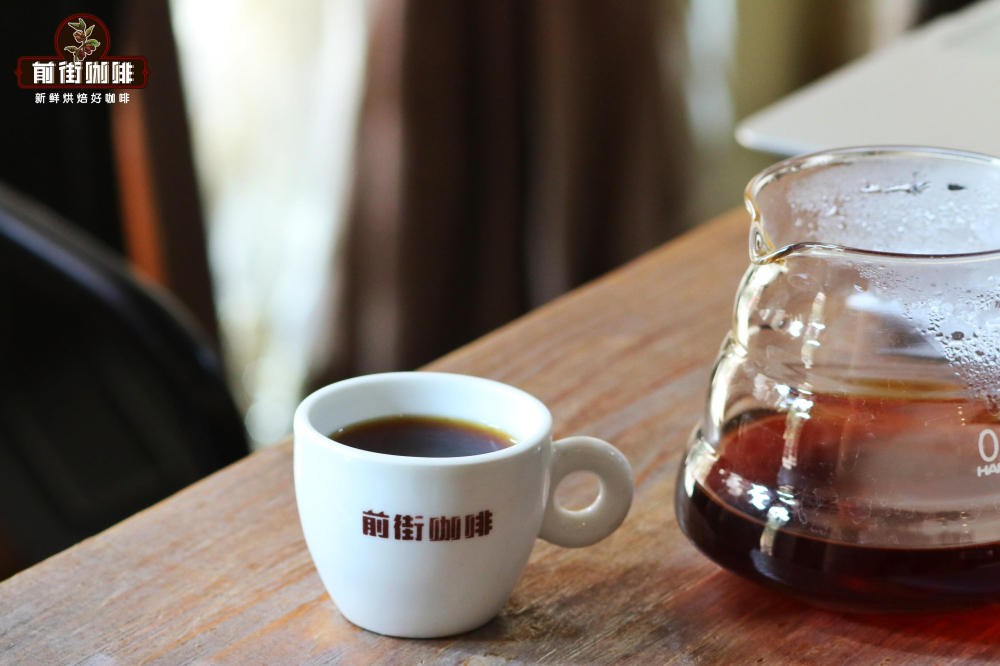
FrontStreet Coffee still remembers the first time we tasted a cup of Ethiopian pour-over. The sweet, fruity brightness was so captivating that it pulled us straight into the world of specialty coffee. Many friends feel the same way about the floral, fruit-forward character of Ethiopian beans. Today, FrontStreet Coffee wants to talk about the coffee that captures that magic better than any other: Yirgacheffe, the finest representative of Ethiopian specialty coffee.
Ethiopian Coffee Cultivation and Culture
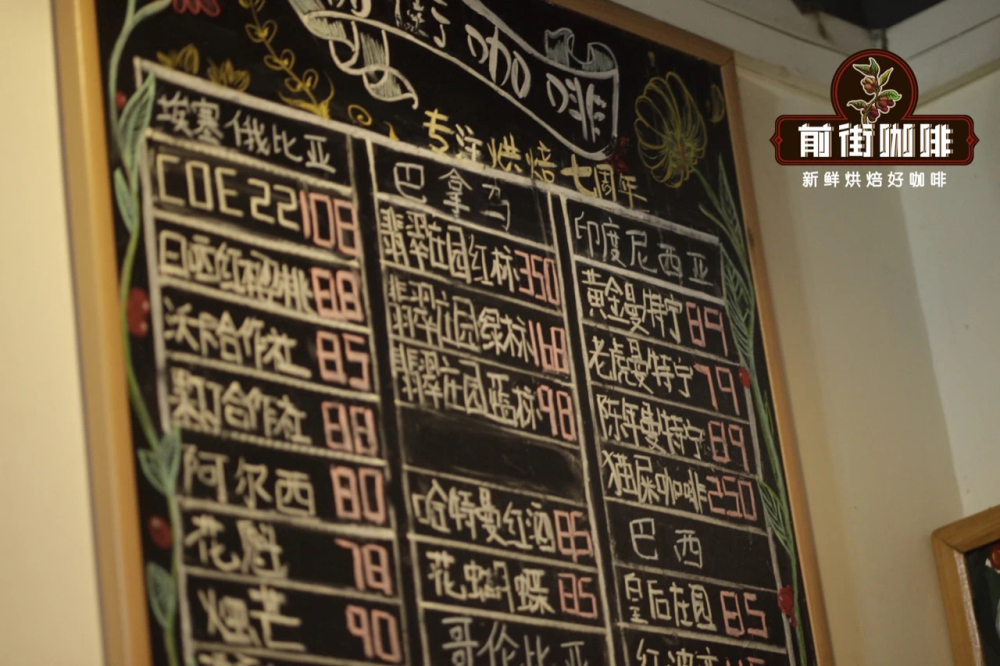
Have you noticed that a café's pour-over menu may not carry famous single origins like Geisha or Blue Mountain, yet it almost always has something from Ethiopia? FrontStreet Coffee's daily menu, for example, features eight different Ethiopian beans, with household names like Yirgacheffe, Sidamo, and Guji leading the way.
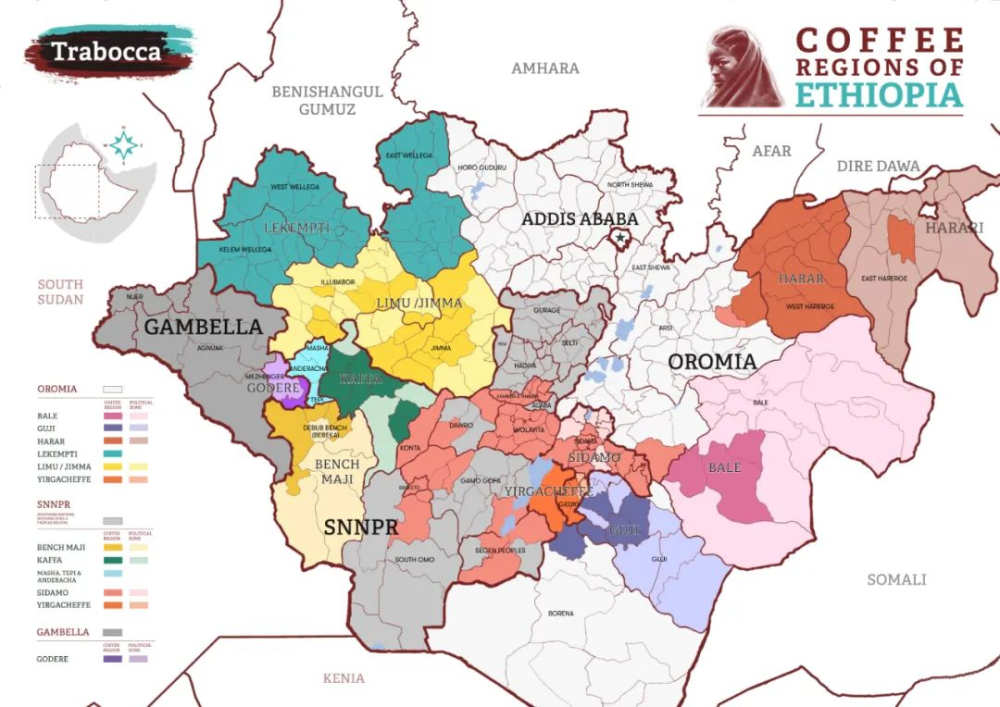
Ethiopia is the largest coffee-producing country in Africa. Coffee is not merely an important source of income here; it is woven into the entire national culture and into daily life. It is a vital cash crop, and most regions carry on the traditions of both growing and drinking it. Ethiopia's production system falls into four types: forest coffee, semi-forest coffee, garden coffee, and large plantations. Garden coffee is the most common, with each household farming no less than 4 hectares. Because smallholders produce so little on their own, there are countless cooperatives and processing stations of every size, each handling the green beans of its own area. Farmers deliver their harvested cherries to a nearby station built close to a water source for centralized processing, and the coffee is then sold under that station's name.
Beyond export, a large share of Ethiopian coffee is consumed at home. Here, regardless of wealth or status, every household owns a set of coffee-making utensils. For Ethiopians, drinking coffee is a social ritual as important as tea is elsewhere.
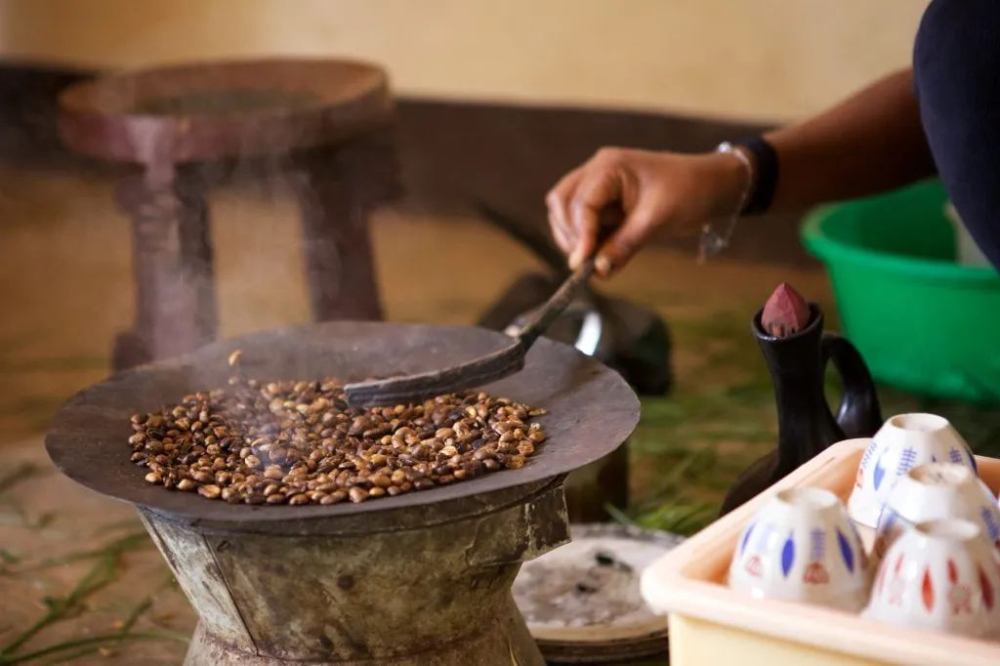
Ethiopians also keep a coffee ceremony of great antiquity. Green beans are first roasted in a flat pan, then crushed with a mortar and pestle, and finally boiled in a clay pot called a Jebena. When the water and grounds come to a boil, the coffee is ready to taste. The ceremony unfolds in three rounds: the first cup, Abol, is accompanied by elders' blessings; the second, Tona, opens the floor for everyday conversation; and the third, Beraka, symbolizes joy. Only after that final cup does the ceremony truly come to a close.
Ethiopian Coffee Varieties Are Heirloom
Regular drinkers of Ethiopian coffee may have noticed that the beans vary in shape and size, a trait especially common among natural-processed lots. This is entirely normal. As the birthplace of coffee, Ethiopia safeguards more than ten thousand Arabica heirloom varieties, making it a living coffee museum. Cultivation is mostly carried out by smallholders who essentially grow coffee on their own land. At harvest, processing stations buy cherries directly from nearby farmers and take it from there.
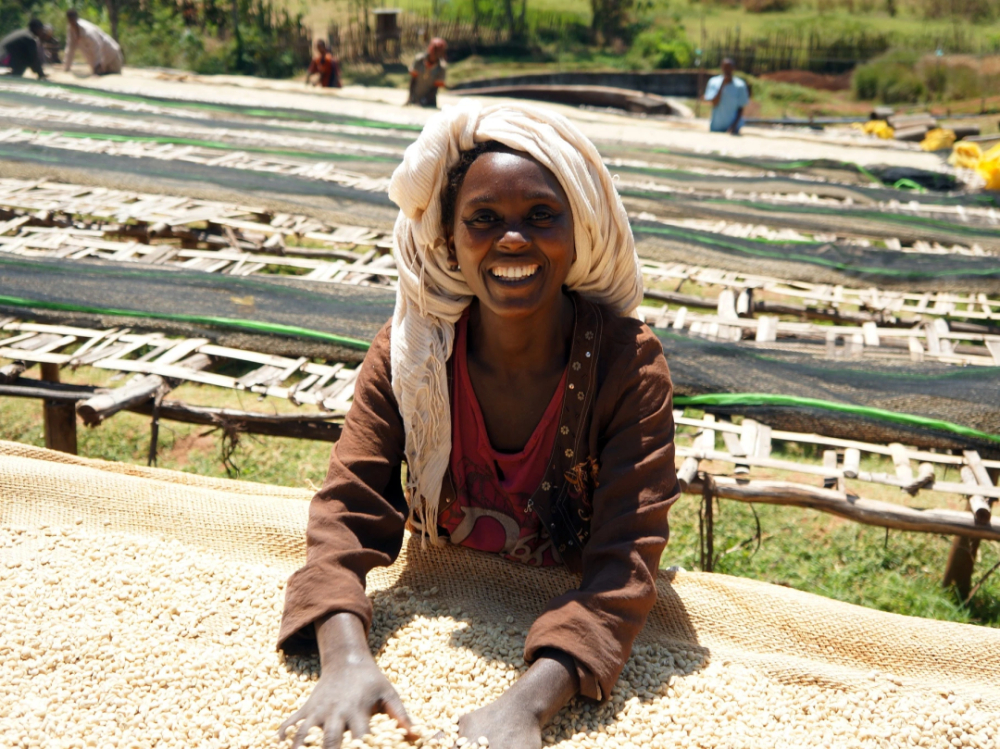
Coffee varieties are inherently complex and hard to identify, and the Ethiopian government, for reasons of protection, is reluctant to make them public. So they are grouped together under the blanket term "Heirloom." As with any crop, flavor depends on the innate factors of variety and terroir. FrontStreet Coffee believes the captivating aroma and fruitiness of Ethiopian coffee owe much to the region's unique growing environment and the excellent quality of these heirloom varieties.
Yirgacheffe
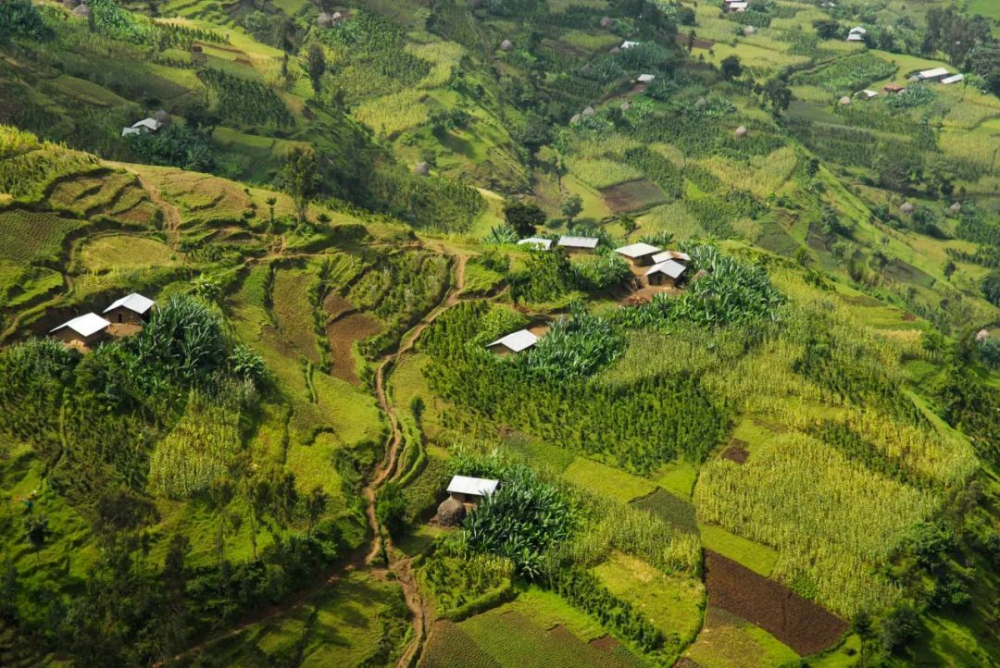
The famous Yirgacheffe is a small Ethiopian town set at an altitude of roughly 1,700 to 2,200 meters. Lower temperatures there slow the coffee's growth, giving it ample time to accumulate more nutrients and flavor compounds. Because the beans are so distinctive and high in quality, Ethiopian farmers take real pride in coffee that carries Yirgacheffe character.
The Yirgacheffe growing region was originally administered within Ethiopia's Sidamo zone. Later, as its flavor and reputation set it apart, it split off from greater Sidamo to become its own exclusive area. The little town is wrapped in mist, with spring-like weather all year round: gentle breezes, cool but never hot, rain but never excessive humidity, and winters free of frost. For a crop like coffee, that is close to ideal.
Washed-Processed Yirgacheffe
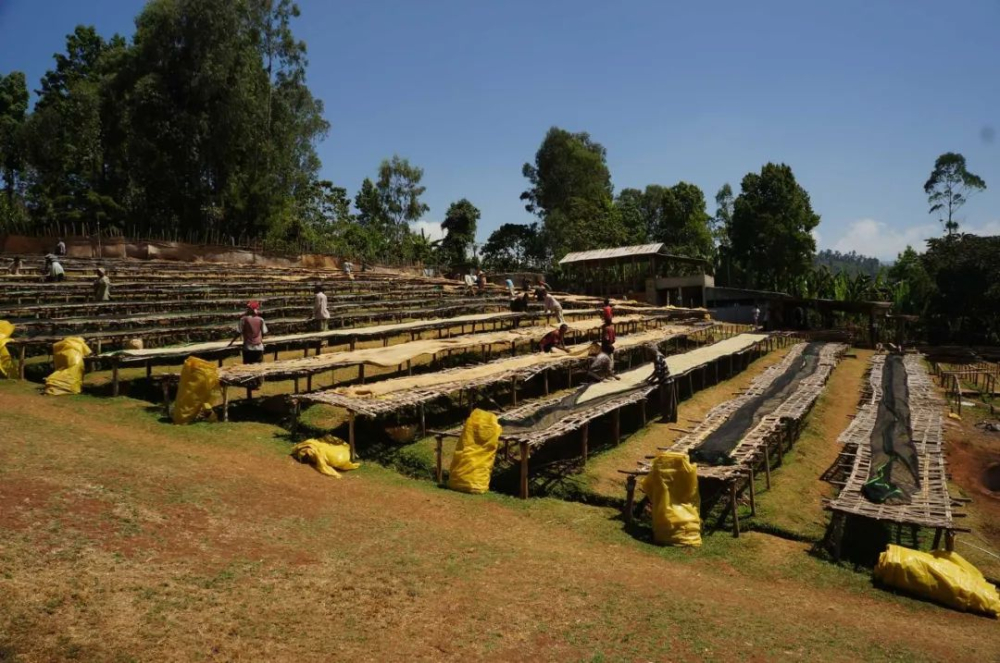
To coffee lovers around the world, Yirgacheffe stands among the finest African beans. It brings bright acidity, a pronounced yellow-lemon aroma rather than a generic citrus note, and a remarkably clean mouthfeel and aftertaste. Much of that signature style comes from the washed processing the Ethiopian government introduced from Central and South America in 1972, layered on top of the region's natural terroir.
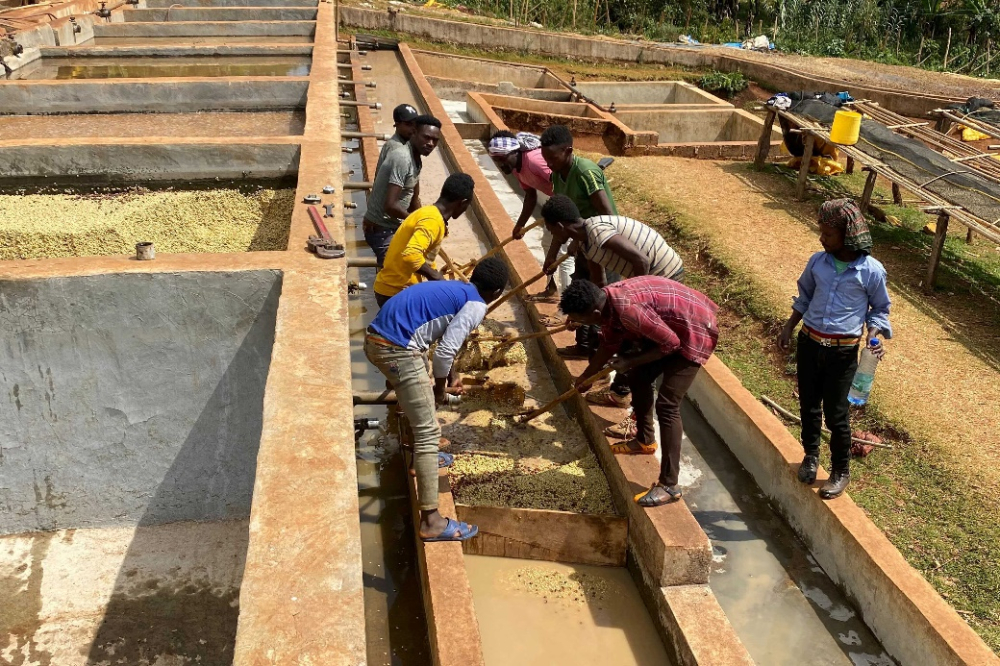
Post-harvest processing is a skilled trade in its own right. As the saying goes, every trade has its master: a farmer who knows how to grow coffee does not necessarily know how to process green beans. Specialty processing is intricate and delicate, and it often demands serious equipment and careful production monitoring. A farm using the washed method must build washing channels and have access to a steady supply of fresh water, which drives up cost. Yet the many steps of washed processing do more than cut the defect rate sharply; they lend Yirgacheffe its fresh citrus notes and elegant white florals, for an overall cup that is bright, fine, and clean. That is why it earns such wide acclaim.
FrontStreet Coffee's daily Yirgacheffe uses washed processing and a medium-light roast, carrying the classic Yirgacheffe profile and suiting a wide range of methods, including pour-over, cold brew, and French press. The daily-bean range lets newcomers experience the basic flavors of a region at a friendly price, while the small packaging avoids waste from coffee that never gets finished. If you want to taste the classic Yirgacheffe aromatics, FrontStreet Coffee believes a hand-brewed black coffee is the perfect choice.
Washed coffee may have had its moment in the spotlight, but natural processing still makes up the bulk of Ethiopian coffee. What has changed is that today's natural lots put far more thought into hand sorting and even drying. The Gedeb cooperative beans on FrontStreet Coffee's menu are Yirgacheffe processed by the classic washed method, while another offering, the Red Cherry beans, are Yirgacheffe given a refined natural treatment, delivering fuller fermentation notes and tropical fruit flavors.
The Correct Brewing Method for Yirgacheffe
Some fans have written to FrontStreet Coffee saying their home-brewed Yirgacheffe tastes only sour and lacks the rich aromatics they enjoy at our stores. So here, FrontStreet Coffee will share the approach we use in-store.
First, whatever the brewing method, FrontStreet Coffee believes freshness matters enormously. Beans roasted more than two months ago have likely lost much of their aroma, and even superb technique struggles to bring that back. To let everyone taste coffee at its peak, FrontStreet Coffee ships beans roasted within the last 5 days, so they are ready to brew the moment they arrive.
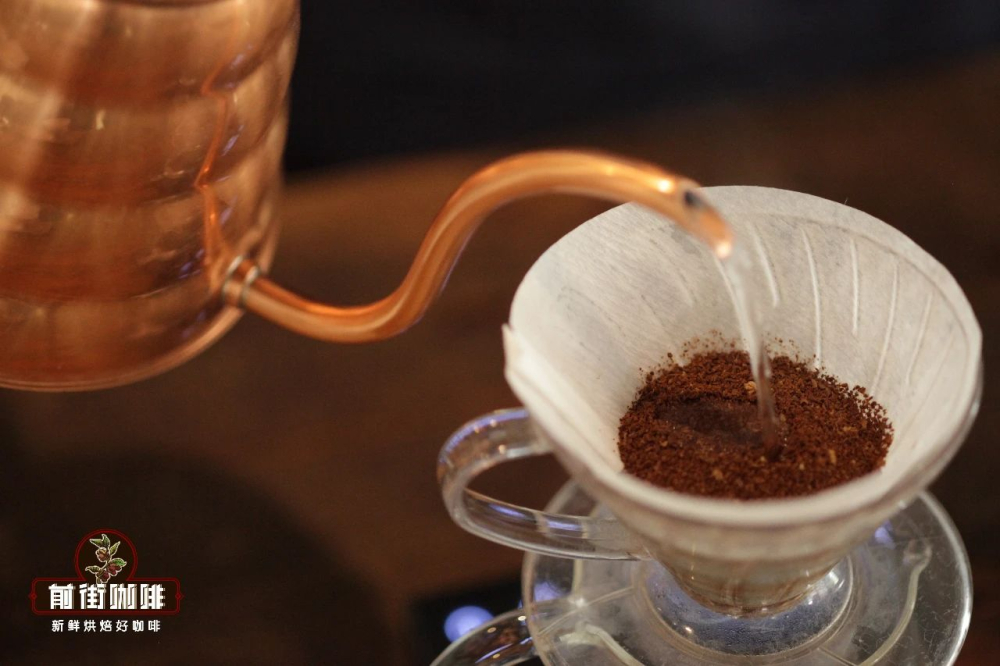
Because Yirgacheffe is lightly roasted, the beans are relatively hard and need water at 92°C–93°C to release their floral and fruit compounds. FrontStreet Coffee recommends a medium-fine grind, roughly 78% passing a Chinese standard No. 20 sieve. Too coarse and you fail to extract body, leaving the cup thin; too fine and it is easy to over-extract at high temperature and turn bitter. If your coffee tastes only sour, the water temperature is probably too low, holding back the flavor compounds.
During cupping, FrontStreet Coffee noticed that this bean shows different flavors at different temperatures, so we use a three-stage pour, letting different compounds express themselves as the bed gradually warms. To highlight the fresh, captivating aromatics of washed Yirgacheffe, FrontStreet Coffee uses a V60 dripper. Its spiral ribs let the grounds degas more effectively, maximizing the release and dissolution of aromatic compounds.
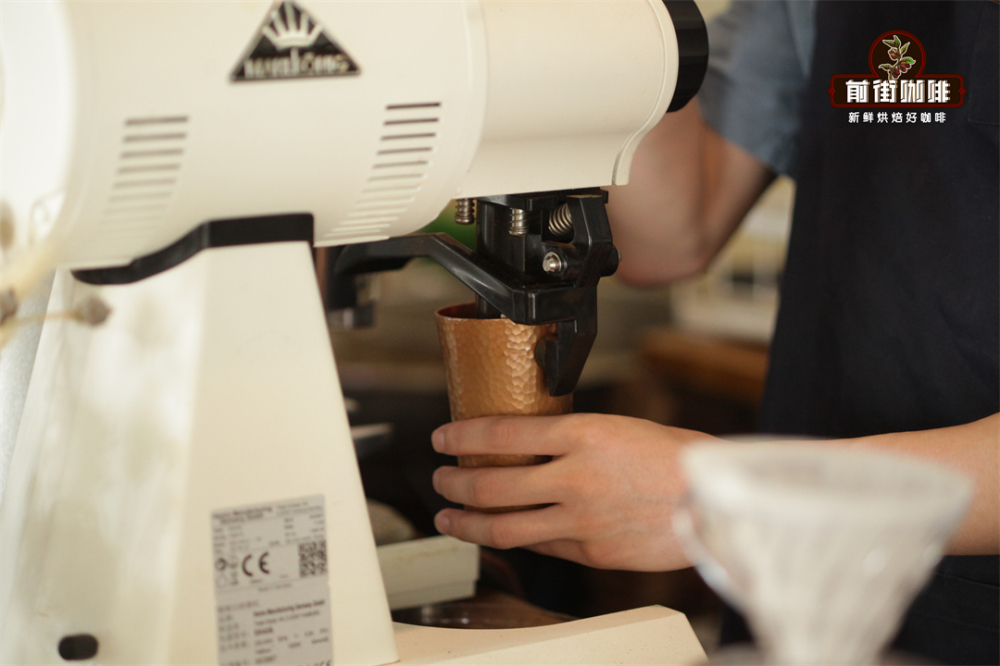
As for ratios, FrontStreet Coffee finds both 1:15 and 1:16 work well. For a richer body, use 1:15; to perceive the floral and sweet notes more clearly, use 1:16 and let the flavors open up.
Dripper: V60
Water temperature: 92-93°C
Coffee dose: 15g
Coffee-to-water ratio: 1:15
Grind size: fine sugar consistency (78% passing a No. 20 sieve)
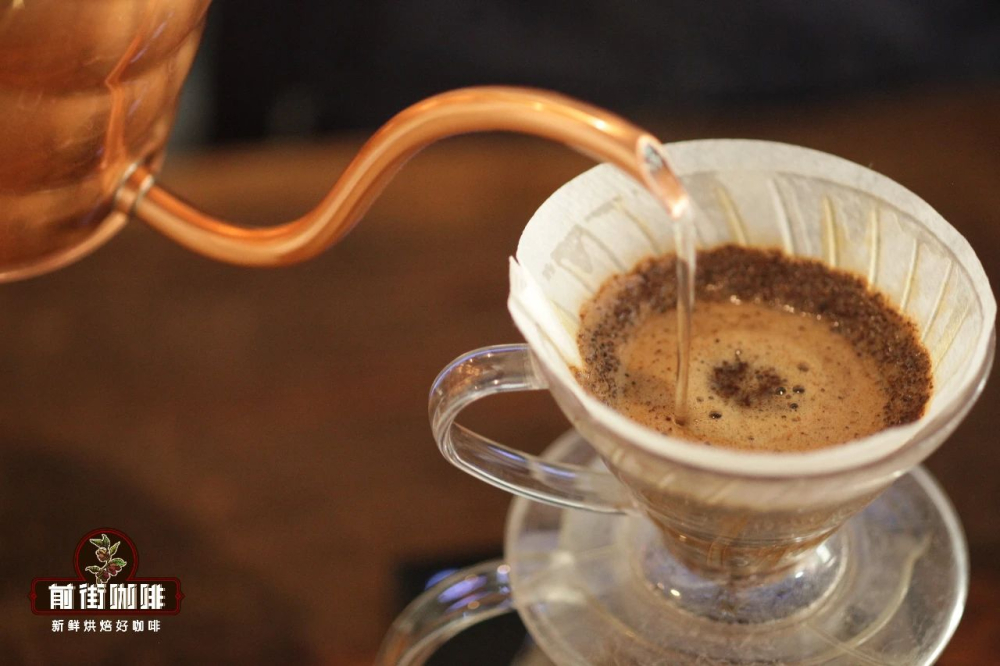
Three-stage pour: wet the bed with twice the coffee's weight in water and let it bloom into a dome for 30 seconds. Then, with a fine stream, pour in circles from the inside out until you reach 125g for the first split. When the bed drops to half the height of the dripper, continue with the same fine stream for the third stage until you reach 225g. Remove the dripper once all the liquid has filtered through, about 2 minutes in total. After the coffee flows into the server, remove the dripper, swirl the liquid to even it out, and begin tasting Yirgacheffe from the hottest point.
Flavor Description of Hand-brewed Washed Yirgacheffe
When washed Yirgacheffe is ground, you can smell fresh honey and jasmine. As FrontStreet Coffee pours the hot water, subtle berry notes begin to emerge. The hand-brewed black coffee enters with bright lemon, citrus, and green tea. As it cools, berry, cream, and sugarcane appear in the aftertaste, with a noticeable sweetness and a clean, sweet mouthfeel.
FrontStreet Coffee Recommendation
For a first taste of the Ethiopian region, begin with FrontStreet's washed Yirgacheffe daily bean. Known for its white jasmine, bright citrus and lemon acidity, and tea-like body, it is the coffee that introduces countless drinkers to specialty coffee, all at a friendly price.
If you want the region's elegance pushed a little further, look to FrontStreet's Gedeb Cooperative coffee. Gedeb sits at Yirgacheffe's southeastern edge in the Worka area, and the station carries on the most traditional washed processing. It has none of the classic bitterness, offering instead fresh, bright citrus and lemon acidity with a jasmine fragrance that wins people over on the first sip.
And for the natural side of Yirgacheffe, FrontStreet's Sun-dried Red Cherry is made from fully ripe cherries, dried on raised beds with frequent turning so they ferment evenly. After three to five weeks of drying, the fruit pulp is removed by machine. Because the cherries dry with their pulp intact, it keeps the typical Yirgacheffe character while adding tropical fruit, with citrus-like acidity, a juicy berry quality, honeyed sweetness, and a creamy smoothness.
Important Notice :
FrontStreet Coffee is a long-established specialty coffee roaster in Guangzhou China, selling freshly roasted beans from its own farm in Yunnan as well as dozens of carefully selected single-origin beans from around the world for both pour-over and espresso. The products deliver consistently excellent quality and great value, with shipping within 24 hours. Guangzhou's FrontStreet Coffee shop is recommended by many coffee lovers, and the beans are now available online at the Tmall 。
FrontStreet Coffee has moved to a new address:
FrontStreet Coffee Address: 315,Donghua East Road,GuangZhou
Tel:020 38364473
 Scan and follow the En Gafei WeChat official account. Please indicate that the reprint comes from "En Gafei".