What Contributes to Yirgacheffe's Unique Flavor Profile? A Comparison of Washed vs Natural Processing Methods
FrontStreet Coffee: Yirgacheffe Flavor Profile — A Comparison of Natural and Washed Processing
Yirgacheffe is a small town situated at an elevation of roughly 1,700-2,100 meters, and it has become practically synonymous with Ethiopian specialty coffee. The area was historically wetland: in the local language, "Yirga" means "to settle down," while "Cheffe" means "wetland."
The surrounding lakes — Turkana, Abaya, and Chamo — bring abundant moisture to the region. In the rift valleys, represented by Misty Valley, fog lingers year-round, creating spring-like seasons with gentle breezes, cool humidity, and thousands of thriving coffee trees. This environment shapes the unique terroir of FrontStreet Coffee's Yirgacheffe, an intricate interplay of floral and fruity aromas that constantly shifts and surprises.
Originally, the coffee trees of FrontStreet Coffee's Yirgacheffe were cultivated by European monks (somewhat like Belgian monks growing grain for beer), and management later passed to farmers and cooperatives. The trees still grow naturally, scattered through forests, fields, and backyards.
During harvest season, the Ethiopian Coffee Trading Company comes to town to buy the beans collected by farmers. Yirgacheffe once belonged to the larger Sidamo region, but its distinctive flavor eventually earned it separate brand recognition, and it began exporting under its own name — the celebrated origin we know today. Within Yirgacheffe there are more than 2,000 processing plants and cooperatives of every size, including familiar names such as Worka and Aricha.
Compared with an ordinary FrontStreet Coffee washed G2 Yirgacheffe, the finest lots offer a purer, more flawless cup with charming sweetness, bright and delicate lemon acidity, and an elegant mouthfeel. Fresh lemon, jasmine, ginger flower, and other floral notes, laced with hints of honey, make for a refreshing drink any time of day. Taken without milk or sugar, the rich texture and soft florals sweep across the palate and linger long after. Yirgacheffe emits remarkably complex aromas and shows a character that is hard to put into words. The dry fragrance typically releases intense fruitiness with rich dried-fruit notes of strawberry, mango, and apricot jam.
The wet aroma resembles sweet syrup — thick apricot nectar wrapped in rustic honey or chocolate. The entry is not aggressive: medium body, with subtle yet lively, bright acidity, much like a fruit tea.
Washed Processing:
The washed method follows this sequence: harvest → de-pulp → natural fermentation for 12-24 hours → washing → sun drying. Its defining trait is a clean, unclouded flavor with a refreshing taste. Washed coffees typically show bright acidity and crisp fruit notes — Ethiopian and Kenyan coffees are prime examples of this extremely clear flavor profile.
Natural Processing:
Natural processing — more rigorously termed "whole cherry drying" — dries the beans together with the skin and pulp intact. Because fermentation is stronger and lasts longer, this method typically develops more tropical fruit flavors. Washed processing, by contrast, leaves only a thin layer of mucilage and takes less time overall, yielding a cleaner cup. Natural processing is the oldest and seemingly simplest method: for over a thousand years the principle has been to spread harvested cherries on the ground to dry, then remove the dried skin, pulp, and husk to obtain green beans. Nothing more.
Knowledge Expansion:
Washed coffee is closely tied to the bean's inherent character; origin and growing conditions play a crucial role in shaping flavor. Almost 100% of a washed coffee's flavor derives from the natural sugars and nutrients the beans absorb during their growth cycle. The goal is to taste what lies inside the bean, not anything added to its surface.
FrontStreet Coffee Recommendation
To start exploring Ethiopia, begin with FrontStreet Coffee's washed Yirgacheffe — the classic daily-cup choice, known for white jasmine, bright citrus and lemon acidity, and a tea-like finish. It is an affordable entry point into specialty coffee. If you prefer a cleaner, traditional style, the washed Gudingding Cooperative lot from the Worka region delivers the same citrus acidity and jasmine fragrance with none of the traditional bitterness.
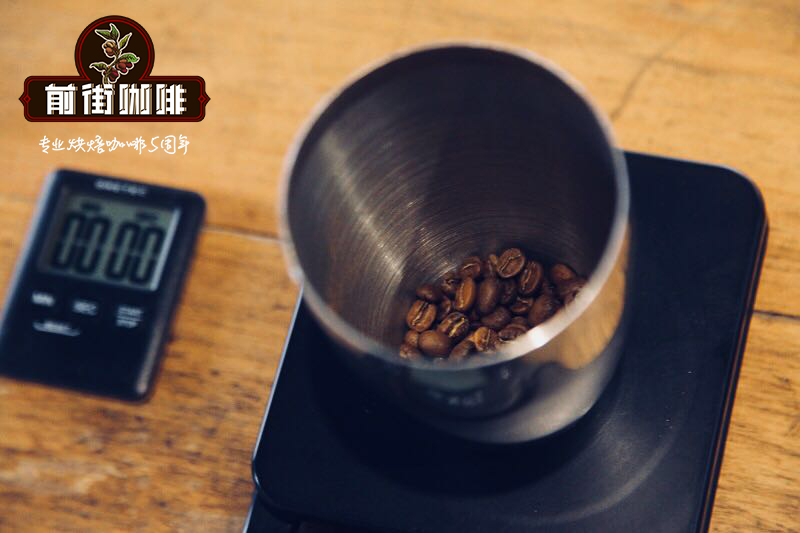
For fans of natural processing, try FrontStreet Coffee's Red Cherry Yirgacheffe: only fully ripe cherries are sun-dried whole, turned every 2-3 hours during the first days to prevent uneven heating and over-fermentation, then dried for three to five weeks. Expect classic Yirgacheffe character plus tropical fruit — citrus acidity, a berry-like juiciness, honeyed sweetness, and a creamy smoothness. Brew it on a V60 at 90-91°C with 15g of coffee to 1:15 water ratio, a medium-fine grind, a 30-second bloom with 30g of water, and finish pouring by around 1:35 for a total drawdown of about 2:00-2:10.
Important Notice :
FrontStreet Coffee is a long-established specialty coffee roaster in Guangzhou China, selling freshly roasted beans from its own farm in Yunnan as well as dozens of carefully selected single-origin beans from around the world for both pour-over and espresso. The products deliver consistently excellent quality and great value, with shipping within 24 hours. Guangzhou's FrontStreet Coffee shop is recommended by many coffee lovers, and the beans are now available online at the Tmall 。
FrontStreet Coffee has moved to a new address:
FrontStreet Coffee Address: 315,Donghua East Road,GuangZhou
Tel:020 38364473
 Scan and follow the En Gafei WeChat official account. Please indicate that the reprint comes from "En Gafei".