How Much Does Luckin Starbucks Yirgacheffe Coffee Cost Yirgacheffe Coffee Bean Ranking and Flavor Introduction
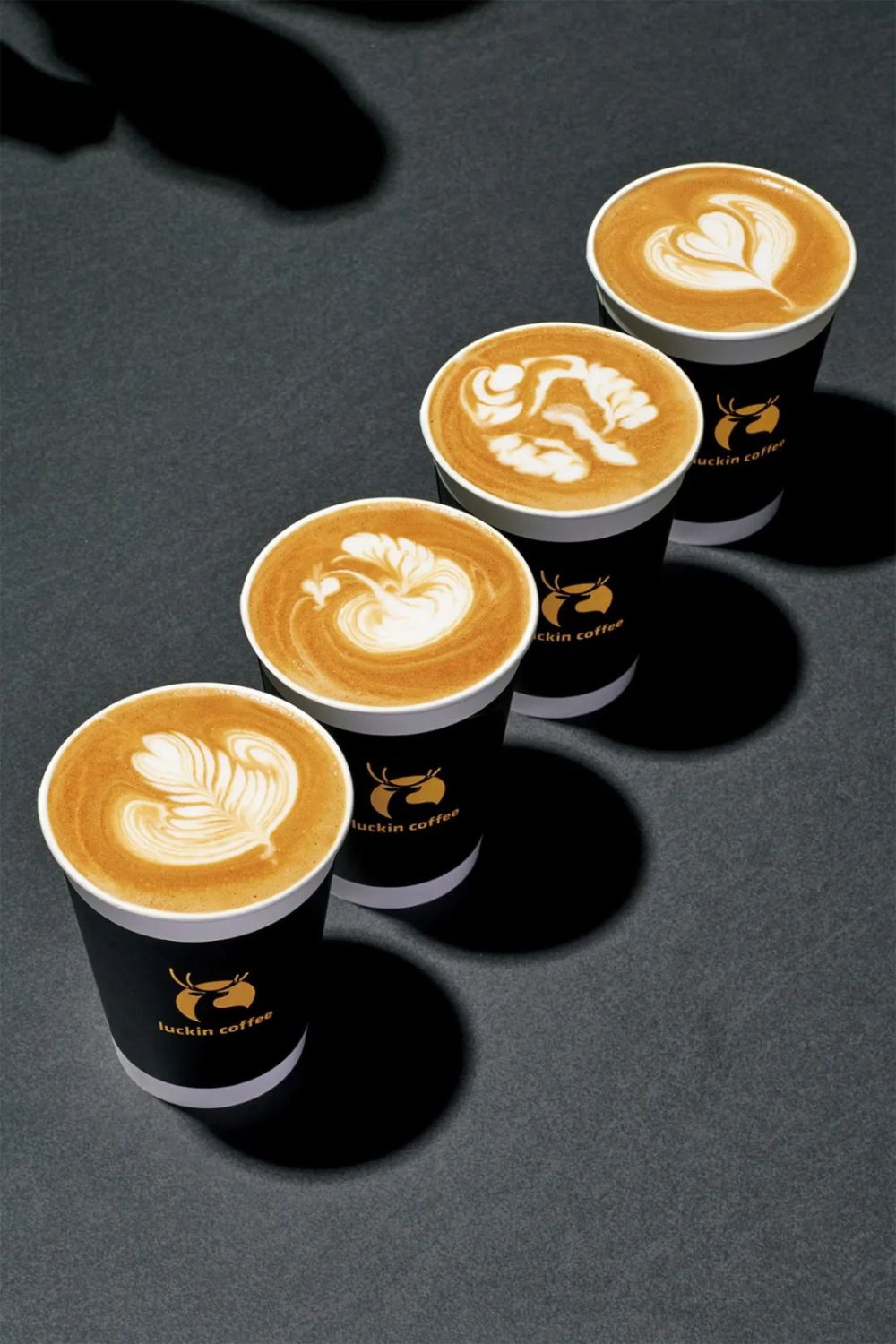
At the end of 2020, Luckin Coffee launched its "Little Black Cup SOE Yirgacheffe" in major cities, priced between 20 and 34 yuan. The affordable price, combined with single-origin coffee beans, drew plenty of attention from coffee enthusiasts. Today FrontStreet Coffee introduces the origins of Yirgacheffe coffee.
Yirgacheffe: The Epitome of Ethiopian Specialty Coffee
As the birthplace of coffee beans, Africa holds a pivotal position in the entire coffee industry. Coffee from the region generally carries rich aromas and captivating fruity acidity. The most famous producing countries here are Ethiopia and Kenya.
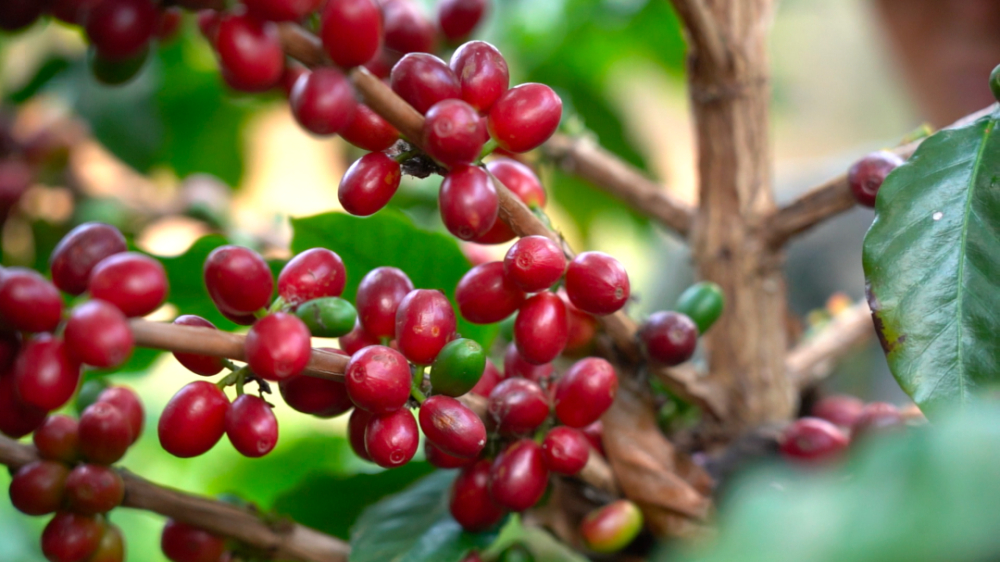
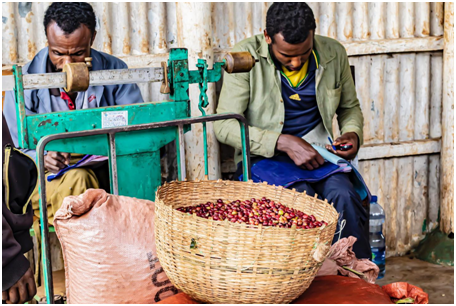
Coffee cultivation in Ethiopia is mainly concentrated in the western and southern regions, with smallholder family farms accounting for 90% of total cultivation. Nearly 1.2 million smallholder families rely on coffee for their livelihood. The local production system is predominantly garden coffee. Because production is small-scale and scattered, many coffee cooperatives and processing plants of various sizes have been established, mainly to process the area's green coffee. Farmers deliver their harvested cherries to a nearby plant built beside a water source for unified processing, and the coffee is later sold under the plant's name.
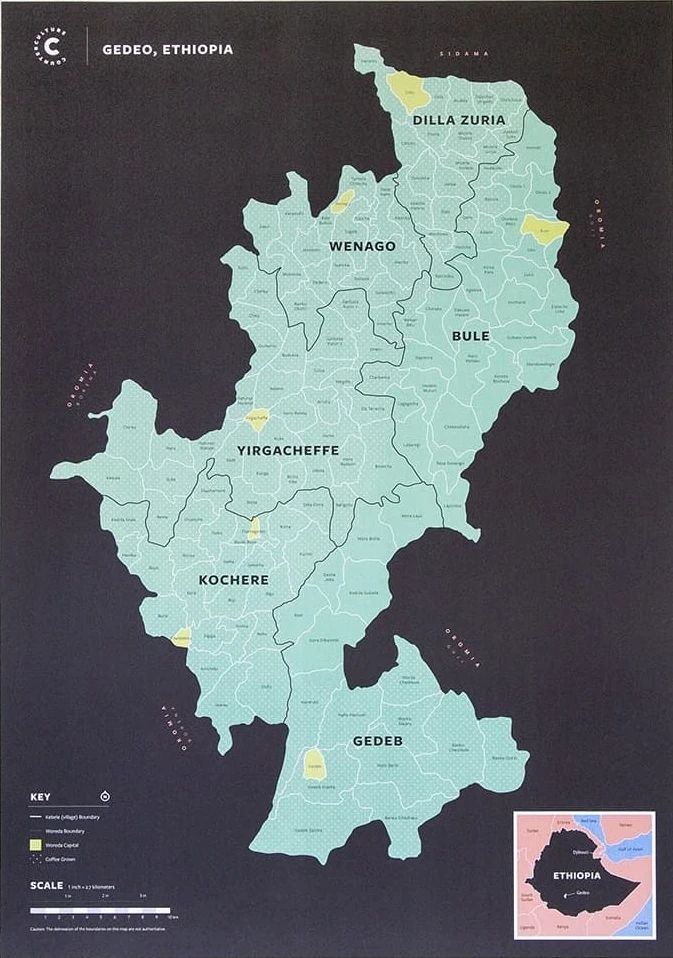
The name Yirgacheffe originates from the town of "YIRGACHEFFE," set at an ultra-high altitude of 1,700-2,100 meters. The town is shrouded in mist during the day and enjoys spring-like weather year-round. Coffee farmers grow coffee trees alongside other crops in their backyards or in the farmland in front of their homes. Strictly speaking, Yirgacheffe is a sub-producing region within Ethiopia's Sidamo province, located to the northwest of Sidamo. Later, because the coffee produced there was so distinctive and became world-famous, it separated from Sidamo and established its own identity.
To promote the development of the coffee industry, the Ethiopian government registered the flavor profiles of its three coffee-producing regions (including Yirgacheffe) as commercial trademarks in 2004. In 2008 the Ethiopia Commodity Exchange (ECX) was established, with coffee among the auctioned commodities. The government implemented quality grading and flavor classification for exported coffee, ensuring buyers can purchase coffee with trademarked flavors. Origins carrying the Yirgacheffe flavor include Yirgacheffe, Wenago, Gelena Abaya, and Kochere.
The Global Phenomenon of Yirgacheffe Flavor
As one of the representatives of global specialty coffee, Yirgacheffe has distinctive citrus and lemon aromas complemented by the fragrance of jasmine. Its fresh, bright floral and fruity notes, with clearly layered acidity, make for a clean, unadulterated taste. The rich, well-balanced mouthfeel is Yirgacheffe's signature, earning it a reputation as a representative of African specialty coffee and high esteem among connoisseurs worldwide.
The so-called Yirgacheffe flavor covers elegant citrus, lemon, and berry notes with rich floral aromas and a clear tea-like sensation that leaves a lasting impression. To express such refined flavors and mouthfeel, none of the following can be overlooked: excellent growing conditions, coffee varieties, processing methods, and roasting and brewing techniques.
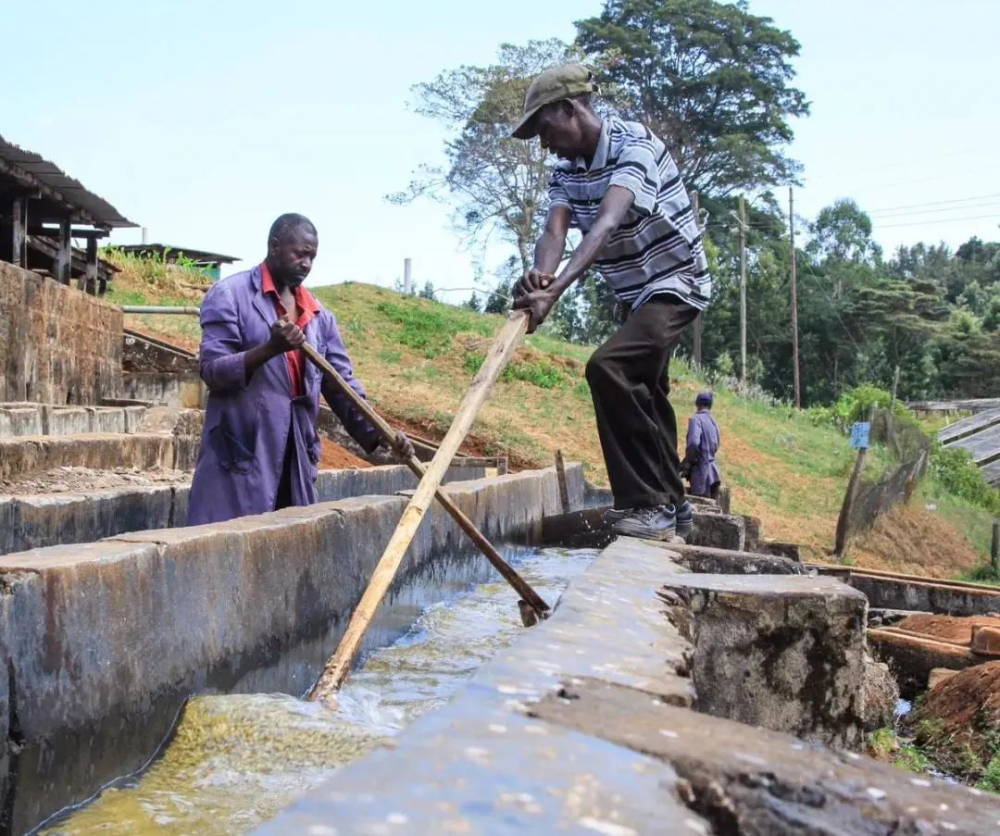
Ethiopia sits on the African continent with underdeveloped water resources, which traditionally meant ancient natural processing for green beans -- direct drying in the sun. Because the techniques were relatively crude, coffee quality was generally low. It was not until 1972 that Ethiopia introduced washed-processing technology and equipment from Central and South America to improve bean quality. Unlike other producing regions, Yirgacheffe is a wetland area, making it more suitable for washed processing. That move also amplified the citrus and lemon aromas inherent in Yirgacheffe coffee beans, for a fresher, brighter taste.
Washed Processing Steps
After harvesting, coffee cherries are placed in water, where buoyancy helps separate out underripe fruit. A pulping machine then removes the pulp and skin from the cherries. The beans are left to ferment in tanks for 18-36 hours until the mucilage layer decomposes. After fermentation, the parchment beans are washed in channels, where specially designed channels combined with water flow remove low-density, poor-quality beans. Finally the coffee beans are drained of moisture and spread on African-style raised beds to dry. The multiple stages of defect removal significantly reduce the defect rate, resulting in higher cleanliness and clearer, more transparent inherent aromas.
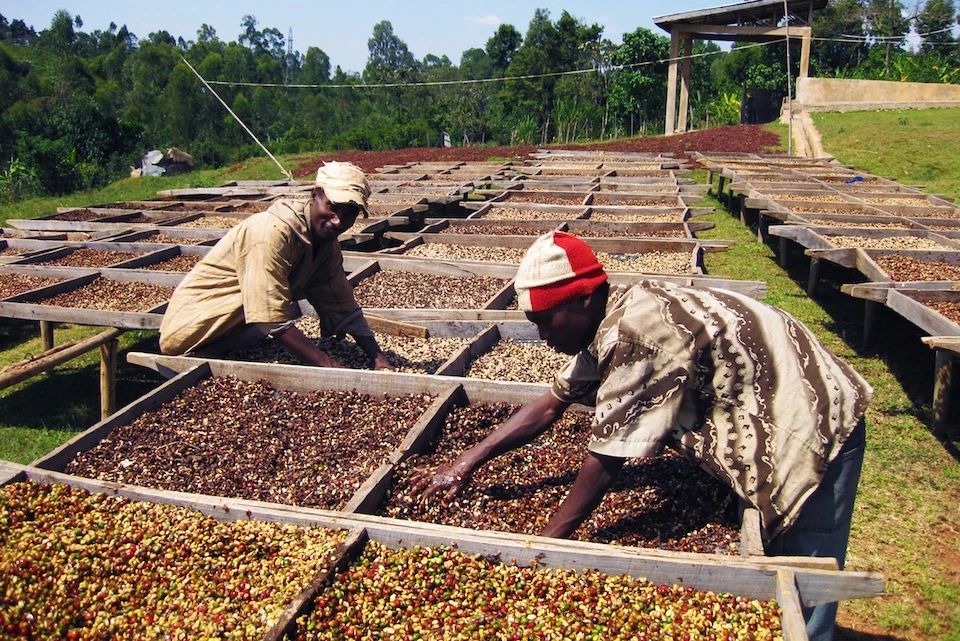
In the past, most of the coffee we drank was dominated by bitter and burnt flavors. The main reason was that roasters took the beans to a dark level, with the primary flavor aimed at nuts and dark chocolate. With the emergence of specialty coffee concepts, and to preserve more acidity, roasters began taking Yirgacheffe only to an appropriate light level. Light-roasted Yirgacheffe exhibits pleasant fruit sweetness and sourness along with white floral notes, arguably ushering in "a new era of fruity, acidic coffee." The preference for sweetness over bitterness aligns exactly with popular taste, which explains why Yirgacheffe is so popular worldwide.
In recent years, various high-quality single-origin coffee beans have gradually joined the fixed menus of coffee shops. FrontStreet Coffee's bean menu, for example, features a large blackboard, with each variety showcasing its own flavor characteristics. Beyond pour-over, baristas began researching how to apply distinctive single-origin beans to espresso extraction, which led to the rise of SOE (Single Origin Espresso). On January 5, 2021, Luckin Coffee signed agreements to purchase a total of 1,000-2,000 tons of specialty coffee beans annually from Ethiopia's Yirgacheffe region between 2021 and 2023, launching SOE Little Black Cups in multiple cities. The beans used in the "Little Black Cup" come from Ethiopia's Yirgacheffe, showing that single-origin coffees with outstanding flavors are gradually becoming a trend pursued by many.
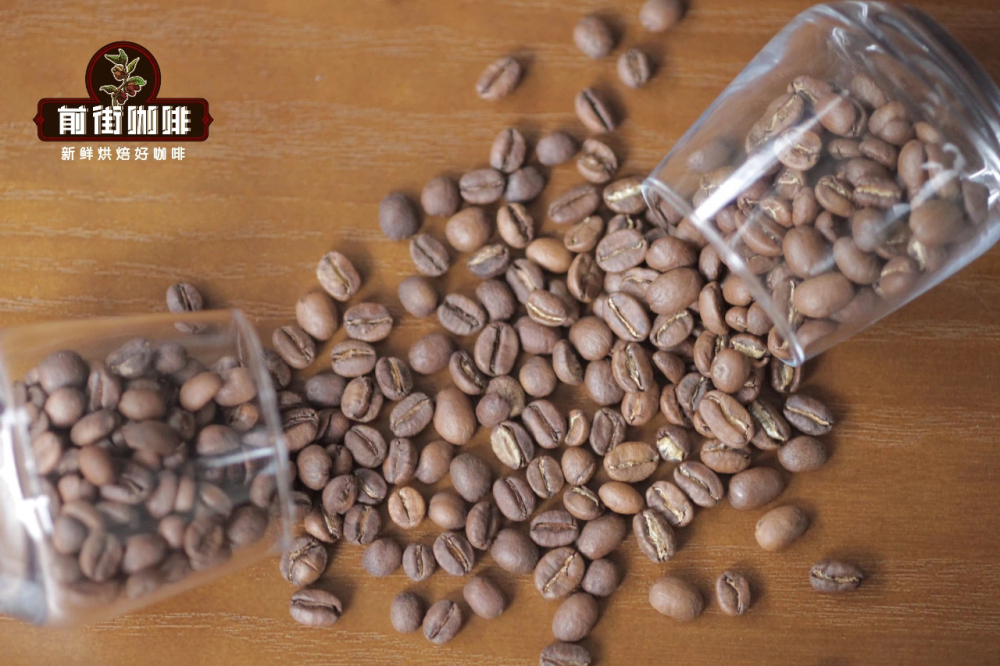
FrontStreet Coffee's House-Roasted Yirgacheffe Flavors
As fans of floral and fruity coffee, FrontStreet Coffee features several Yirgacheffe beans on its menu, the most representative being the washed Gedeb Cooperative, the natural Red Cherry, and the washed Yirgacheffe daily drinker that represents Ethiopian coffee.
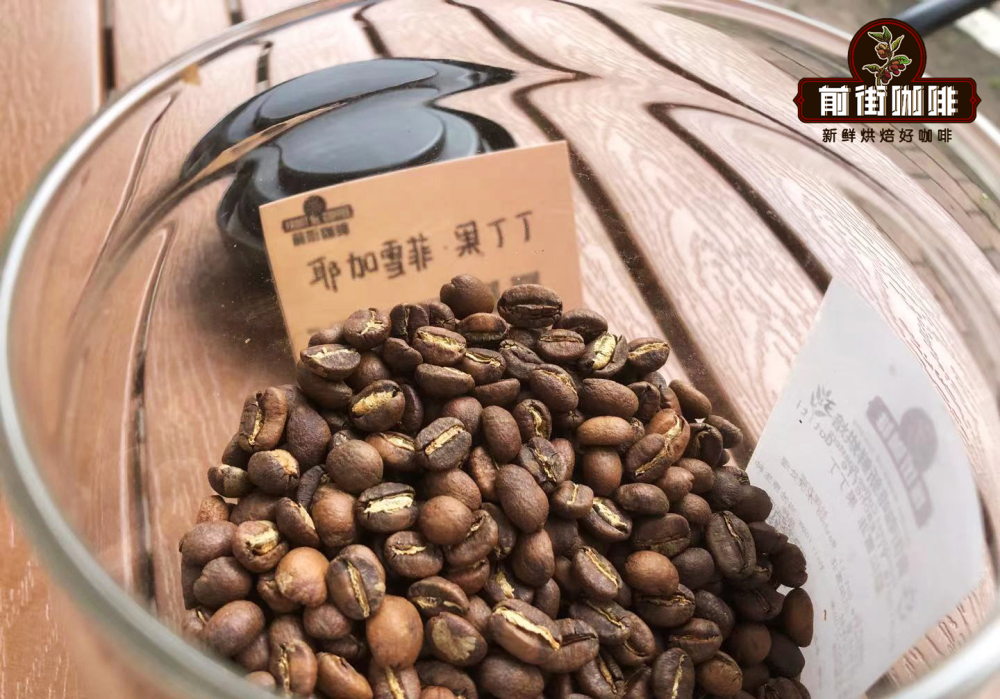
Among customers who come to FrontStreet Coffee for coffee, if they wish to experience washed, fruit-forward coffee, the baristas recommend the Gedeb Cooperative beans from the shelf first; if they want full, rounded fruit sweetness, FrontStreet Coffee finds the natural Red Cherry a better fit. The Gedeb Cooperative is made up of 300 smallholder farmers and is renowned for growing some of Ethiopia's highest-quality coffee. Its processing also follows the most traditional washed approach, earning it the name "the last pure land of Yirgacheffe." Natural Red Cherry coffee beans are made from 100% mature coffee cherries processed naturally, preserving the whole coffee fruit. More sugars from the pulp and mucilage work into the beans, giving richer sweetness in the cup and fermented notes.
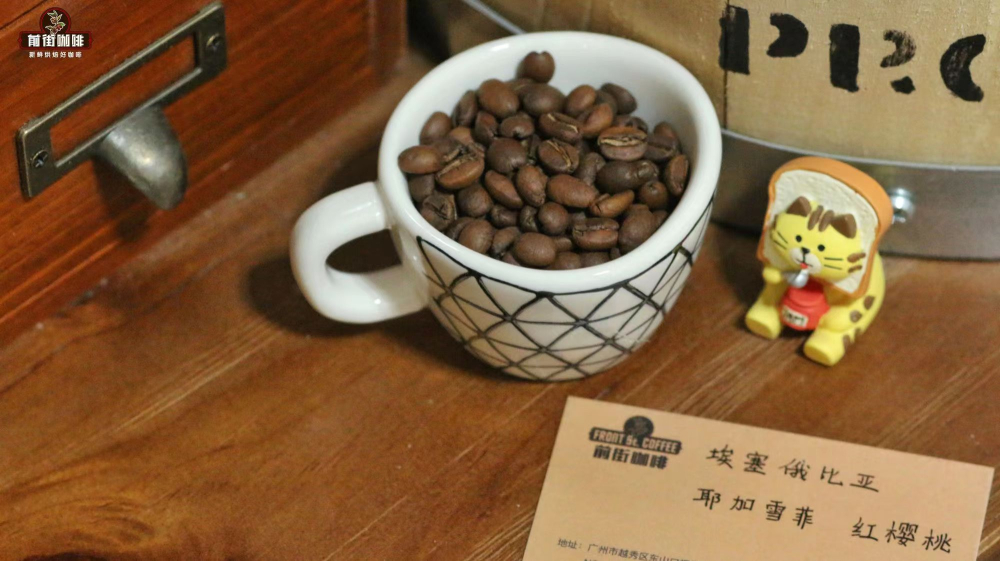
FrontStreet Coffee considers fruit acidity the primary representative flavor of Yirgacheffe, making it more suitable for light roasting to preserve more aromatic acids.
Yirgacheffe Cupping Notes
Washed Gedeb Cooperative Coffee: The dry aroma emits fresh passion fruit, citrus, and berry acidity. The wet aroma presents citrus and berries. On tasting, it reveals citrus acidity, berry sweetness, almond notes, and a tea-like sensation, with a honey-sweet aftertaste. Light body with bright acidity, clean and refreshing.
Natural Red Cherry Coffee: The dry aroma exhibits full berry sweet-and-sour notes. Slurped at different temperatures, it presents soft berry sweetness and sourness, mature fruit fermentation, distinct honey sweetness, and a black tea finish, with a smooth mouthfeel.
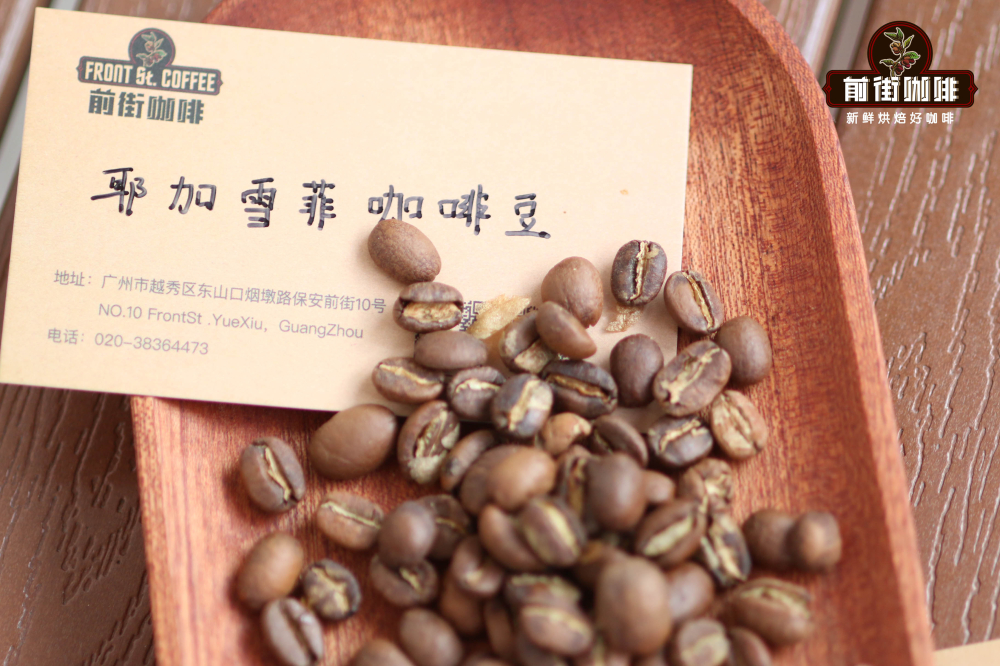
FrontStreet Coffee's Yirgacheffe daily drinker beans also use washed processing and medium-light roasting, carrying classic Yirgacheffe flavor notes and suitable for many brewing methods, including pour-over, cold brew, and French press. The daily drinker series lets friends new to coffee experience the basic flavors of the producing region at an affordable price, with small packaging that prevents waste from unfinished coffee. If you wish to taste the classic aromas of Yirgacheffe, FrontStreet Coffee finds hand-poured black coffee the most suitable.
FrontStreet Coffee's Brewing Recommendations
Some customers, after buying FrontStreet Coffee's beans, ask for brewing advice. In fact, every bag provides reference brewing parameters on the label. Here FrontStreet Coffee discusses the extraction approach for Yirgacheffe, based on the store's standards.
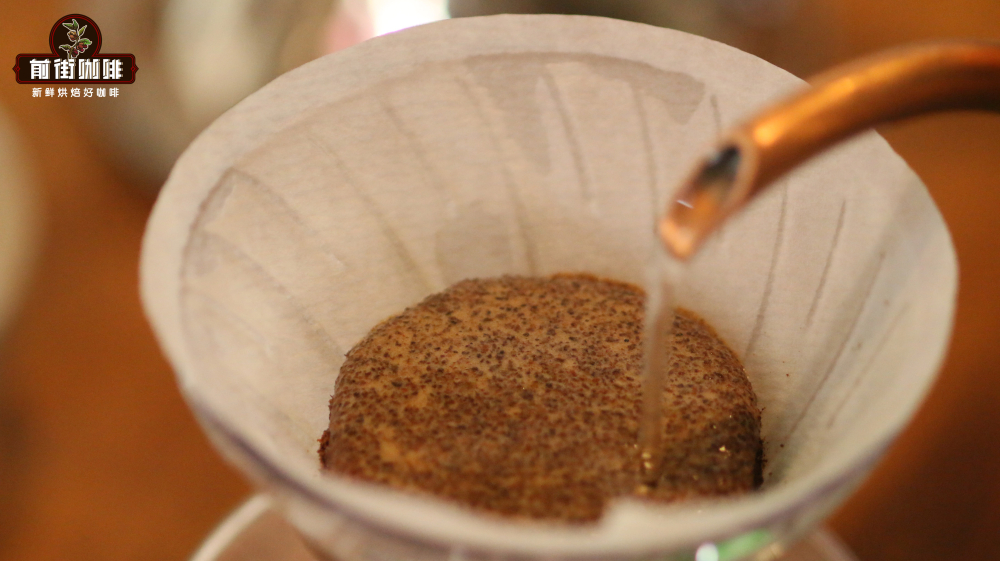
Because Yirgacheffe is light roasted, the beans are relatively hard and need high-temperature water at 92C-93C to extract the floral and fruity notes. FrontStreet Coffee recommends a medium-fine grind size (78% retention through the China standard #20 sieve). Too coarse a grind cannot extract the body, leaving the coffee thin; too fine a grind can easily over-extract at high temperature and turn the coffee bitter.
During cupping, FrontStreet Coffee noticed that this bean shows different flavors at different temperature stages, so the brewing method uses a three-stage extraction, letting different flavor compounds express themselves as the coffee bed temperature gradually rises. To highlight the fresh, charming aroma of washed Yirgacheffe, FrontStreet Coffee uses a V60 dripper. The spiral rib design lets the grounds degas better, maximizing the volatilization and dissolution of acidic aromatic compounds.
Dripper: V60
Water Temperature: 92-93C
Coffee Dose: 15g
Coffee-to-Water Ratio: 1:15
Grind Size: Fine sugar size (78% retention through the #20 sieve)
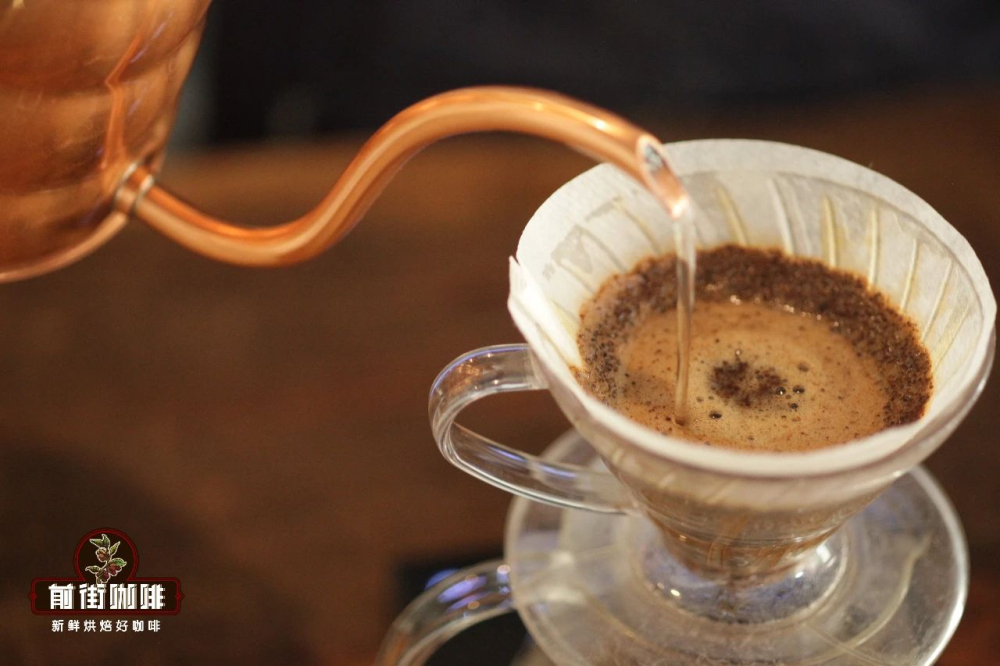
Three-Stage Pouring: Use twice the weight of the coffee grounds in water to wet the bed, forming a dome for a 30-second bloom. Then, with a small stream, pour in circles from the inside out until you reach 125 g for the first stage. Wait until the coffee bed drops to half the height of the dripper, then continue with the same fine stream for the third stage to 225 g. Remove the dripper once all the coffee liquid has filtered through, taking approximately 2 minutes in total.
FrontStreet Coffee Recommendation
If the Little Black Cup is what made you curious about Yirgacheffe, FrontStreet Coffee's washed Yirgacheffe daily drinker is the same idea in bean form: white jasmine, bright citrus and lemon acidity, and a tea-like body, at a price that makes it the classic first bag of specialty coffee.
Up one step is the Gededing cooperative in the Woka area at the southeastern edge of Yirgacheffe. Independent since 2012 and still using traditional washed processing, it is known as one of the last pure corners of Yirgacheffe, with clean citrus, lemon, and jasmine. For a fruitier, sweeter expression, the sun-dried Red Cherry uses only fully ripe cherries dried on raised beds for three to five weeks and adds tropical fruit, a berry-juice body, and honey sweetness.
FrontStreet Coffee brews washed Yirgacheffe as a V60 pour-over: 90-91C, 15 g, a 1:15 ratio, and a grind of fine caster sugar -- EK43s setting 10, or 80% through the China standard #20 sieve. Pour in three stages: 30 g for a 30-second bloom, then to 125 g over about a minute, then to 225 g by roughly 1:35, finishing the drawdown at about 2:00-2:10.
Important Notice :
FrontStreet Coffee is a long-established specialty coffee roaster in Guangzhou China, selling freshly roasted beans from its own farm in Yunnan as well as dozens of carefully selected single-origin beans from around the world for both pour-over and espresso. The products deliver consistently excellent quality and great value, with shipping within 24 hours. Guangzhou's FrontStreet Coffee shop is recommended by many coffee lovers, and the beans are now available online at the Tmall 。
FrontStreet Coffee has moved to a new address:
FrontStreet Coffee Address: 315,Donghua East Road,GuangZhou
Tel:020 38364473
 Scan and follow the En Gafei WeChat official account. Please indicate that the reprint comes from "En Gafei".