
What's Special About 90+ Geisha? How Much Does a Cup of Geisha Coffee Cost?
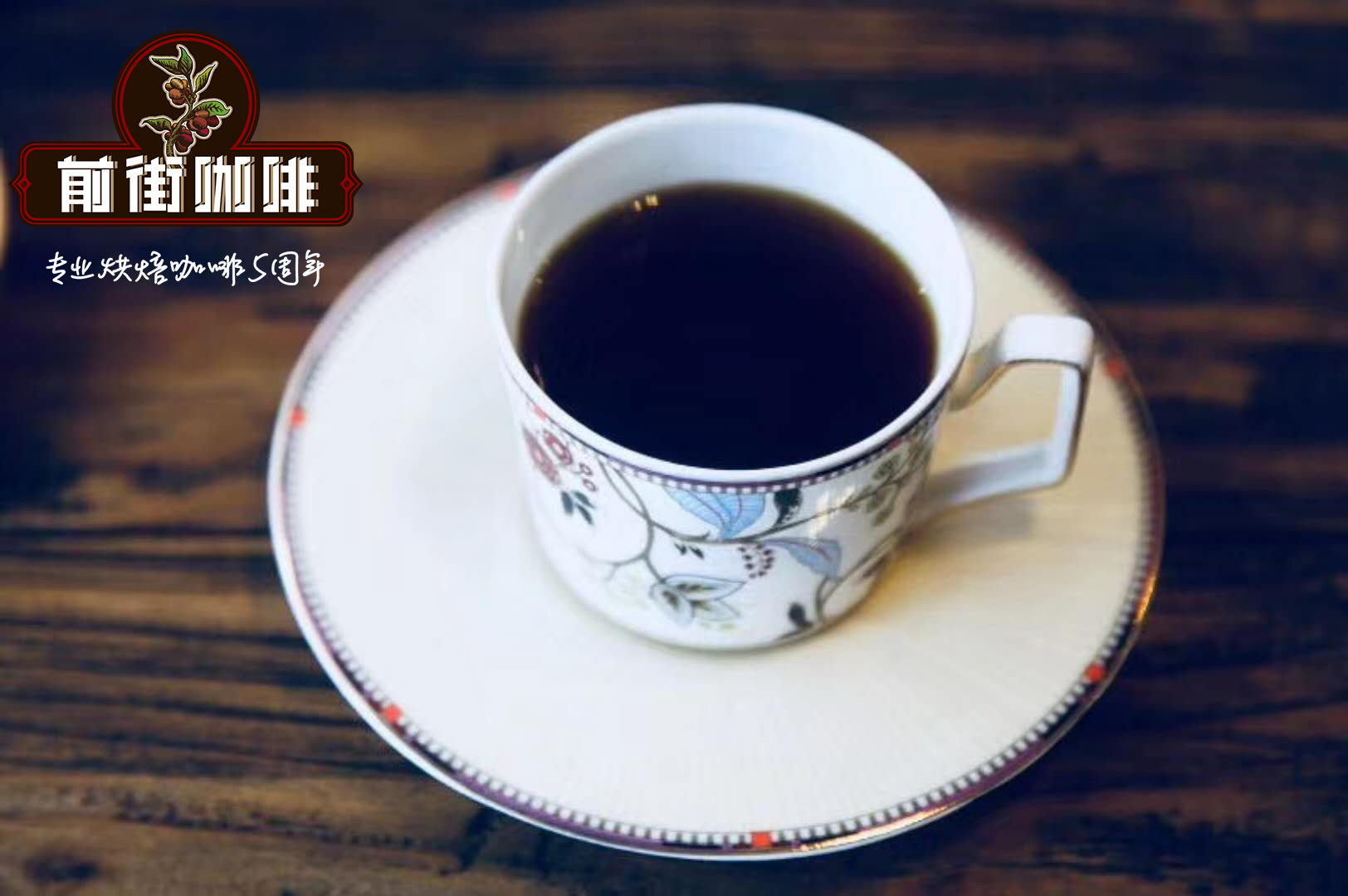
FrontStreet Coffee's 90+ Balu Geisha Pour-over Ratio Sharing
The year 2020 has arrived, but looking back at how 90+ Geisha developed, 2018 at the Panama 90+ Estate was destined to be a paradise for Geisha coffee. That year the fertile volcanic soil, covered with virgin forest across the mountains, experienced lower temperatures than in previous years, which gave the Geisha beans on this land a slower and more complete growing season and also completed Ninety Plus's improvement in quality.
That year 90+'s most renowned product, "Lycello" (Prospect), completed another upgrade in processing method, with flavour layers reaching unprecedented heights. Jose Alfredo, the estate production manager who had by then worked for less than two years, became more skilled at balancing fermentation against regional flavour. The estate was no longer the dream field of 400kg production from the early days after it was founded a few years earlier. This land not only inherits the genes of the early Lycello but also carries its future.
Lycello has complex aromas and extremely layered flavours. More importantly, it reinterprets the possibilities of sun-dried fermentation, because before it almost everyone in the industry believed that only washed processing could showcase good coffee. This coffee retains the fruit flavours and soft tones of the original Geisha beans while also nurturing new fruit flavours during fermentation. At the time of its introduction, it was disruptive.
Ninety Plus's new entry-level product was born, representing 90+ flavour characteristics but at only half the price of Lycello. Among the tonnes of coffee processed with Lycello's method, only the best 10% is selected and called Lycello. The remaining 90%, in quality terms, had already surpassed the earliest batch of Lycello. From this the product came to market, and we call it "Balu Geisha."
In the specialty coffee market this coffee from 90+ Geisha is quite rare, and is basically overshadowed by Panama's Geisha, the most famous of which is Hacienda La Esmeralda. At FrontStreet Coffee, a cup of Geisha sells for 75 yuan, which is moderate compared with most coffee shops in Guangzhou. Although 90+ coffee is limited in quantity, that does not mean it is buried. FrontStreet Coffee will share this coffee with you today.
Panama 90+ Balu Geisha
Origin: Panama
Estate: 90+ Geisha Estate
Variety: Geisha
Altitude: 1400-1800 metres
Processing Method: Natural & Honey
Roast: Medium Roast
Flavor: Peach Whiskey, Pure Dark Chocolate, Honey Aftertaste, Citrus Floral Notes
Mouthfeel: Lingering smoothness that changes from hot to cold, rich dark chocolate, intoxicating fragrance
Pour-over Parameters: 16g of coffee grounds, V60 dripper, water temperature 92 degrees Celsius, powder-to-water ratio 1:15, grind size BG 6S (China standard 20-mesh sieve pass rate 58%).
Technique: Bloom with 30g of water for 30 seconds, pour quickly with a small water stream to 125g in sections, and when the water level drops and is about to expose the coffee bed, continue pouring to 230g then stop. When the bed is about to be exposed again, remove the dripper. Starting from the bloom, the extraction time should be around two minutes.
Knowledge Extension:
90+ is an internationally renowned coffee bean production and sales company, known worldwide for providing rare and unique green coffee beans. In addition to working directly with coffee farmers, it owns a 134-hectare coffee estate in Panama. Since it was officially established in 2007, its customers have spread to more than 40 countries worldwide.
FrontStreet Coffee Recommendation
The 90+ Balu Geisha is a natural and honey-processed coffee, and anyone who enjoys that style will find the same thread running through FrontStreet Coffee's Panamanian Gesha selection. The FrontStreet Panama Esmeralda Red Label Gesha is planted at 1,600 to 1,800 metres and cupped above 90 points, drawn from a single plot such as Jaramillo, and the natural batch FrontStreet acquired shows particularly rich tropical fruit on top of the bright rose-like florals and citrus fragrance that define the top of the Boquete mountain. The FrontStreet Esmeralda Green Label Gesha blends lots from Jaramillo and Quiel and focuses on the classic Gesha profile of floral, fruit, citrus acidity and a thick, juicy body at a more approachable price.
For a slightly different expression, the FrontStreet Boquete Gesha is an entry-level Panamanian Gesha with the region's orange-blossom honey sweetness, an oolong-tea texture and a layered fruit acidity. Gesha is a medium-light, floral and fruit-forward coffee with a hard, dense bean that tends to sink and clog the dripper, so FrontStreet suggests brewing 15g in a small Hario V60 at a 1:16 ratio with water at 91 degrees Celsius, grinding fine enough that 78% passes a Chinese standard No. 20 sieve, roughly the texture of caster sugar. Bloom with 30g of water for 30 seconds, pour in stages to 125g, then continue to 225g, for a total extraction of roughly 2 minutes 10 seconds to 2 minutes 20 seconds.
Important Notice :
FrontStreet Coffee is a long-established specialty coffee roaster in Guangzhou China, selling freshly roasted beans from its own farm in Yunnan as well as dozens of carefully selected single-origin beans from around the world for both pour-over and espresso. The products deliver consistently excellent quality and great value, with shipping within 24 hours. Guangzhou's FrontStreet Coffee shop is recommended by many coffee lovers, and the beans are now available online at the Tmall 。
FrontStreet Coffee has moved to a new address:
FrontStreet Coffee Address: 315,Donghua East Road,GuangZhou
Tel:020 38364473
 Scan and follow the En Gafei WeChat official account. Please indicate that the reprint comes from "En Gafei".

