Flavor Differences Between Yirgacheffe and Guji 8.0 Coffee Beans: How to Perfect Pour-Over Brewing for Washed vs Natural Process Beans

When coffee drinkers crave something fresh, lively, and bursting with flavor, Ethiopian beans are the first thing that comes to mind. The bright, lemony acidity of washed Yirgacheffe and the juicy, full-bodied character of natural processed Guji are, for lovers of medium-light roasts, as good as it gets. But if both beans come from Ethiopia, why do their sweet-and-sour profiles read so differently? Join FrontStreet Coffee on a tour of two of the country's most celebrated growing regions: Yirgacheffe and Sidamo.
Sidamo Coffee Region
Sidamo lies in southern Ethiopia, stretching east to the Arsi and Bale administrative regions and west to Gamogofa. Its coffee is typically cultivated at altitudes of 1,400-2,000 meters, and agriculture anchors the local economy, with the main growing areas clustered around the Great Rift Valley.

In recent years Sidamo has developed rapidly and gradually become one of Ethiopia's key coffee export hubs. Its flavor range is remarkably diverse: differences in soil, microclimate, and an enormous pool of native varieties mean each town's beans carry their own signature. Because Sidamo coffees are so rich in floral and fruity aromas, most of the region's cherries are processed naturally -- the better to express that abundant floral-fruity sweetness and full, juicy body.
Why Does Natural Processing Give Coffee Rich Fruit Flavors?
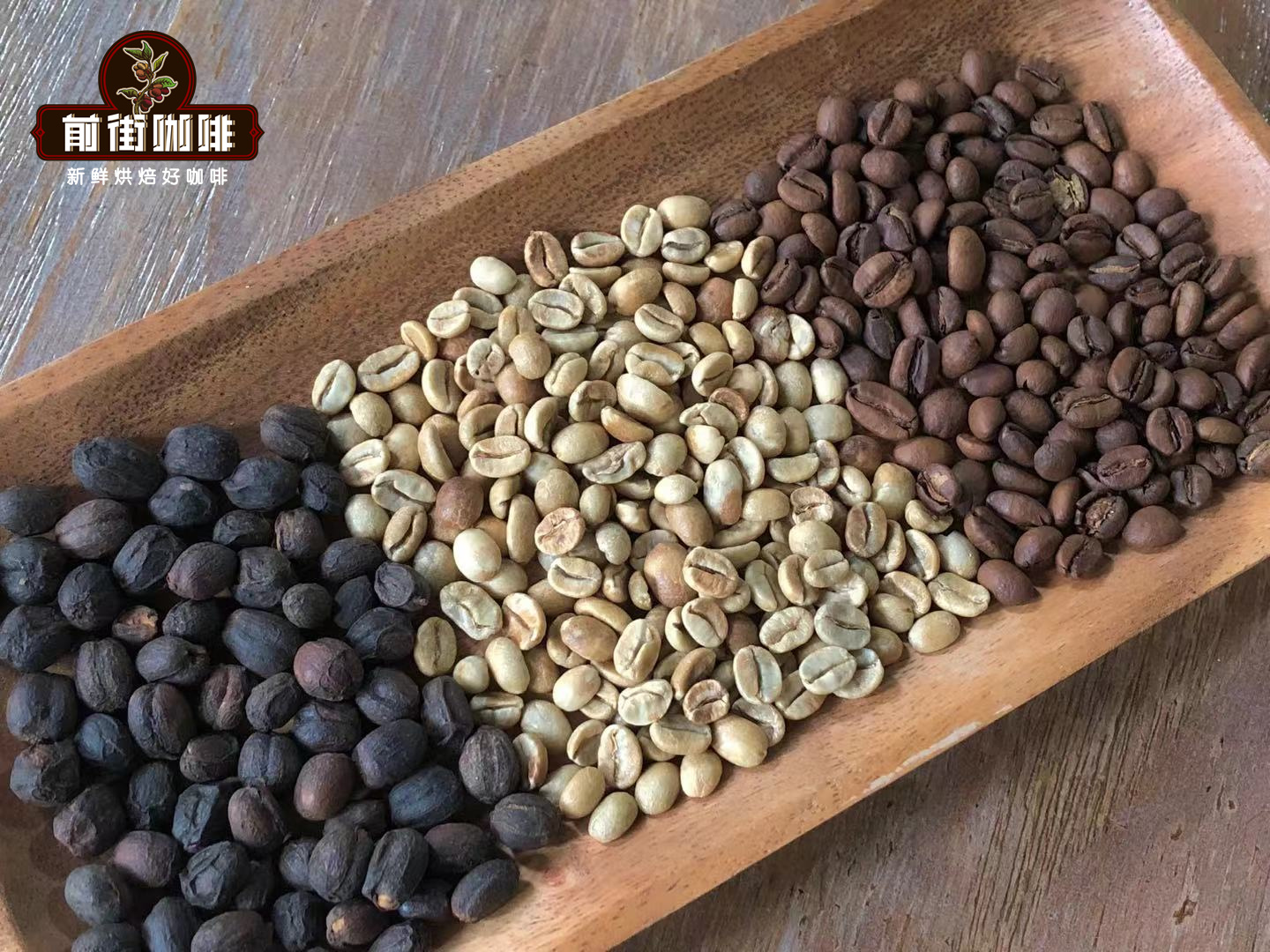
Natural processing -- also called Dry Process or Sun Dried -- simply means drying whole coffee cherries directly in the open sun. Of all the processing methods, it is the simplest to run: given good weather and plenty of sunshine, you can spread the cherries out on African raised beds or clean cement patios and let the sun do the work.

Because the whole cherry is dried intact, its moisture content is far higher than that of fully pulped washed beans, so drying takes longer -- typically twice as long as washed processing. In sun-drenched Ethiopia, a batch needs at least 3 weeks to dry completely for storage. In Central and South America, some well-equipped estates build raised wooden drying racks or shaded drying patios to slow the process down, introducing varying degrees of fermentation; this slow natural drying usually takes 4-5 weeks.
During drying the cherries lose moisture down to 11-13%, after which the skin, pulp, and mucilage layers are stripped away. Crucially, while the bean sits inside the drying fruit it absorbs sugars from the pulp and mucilage. Over a drying period that can run a full month, the bean has ample time to take on those sugars, forming the juice-like sweet-sour flavors natural coffee is known for. At the same time, sun exposure drives light fermentation in the pulp, and the fermented notes the bean absorbs give the brewed cup a full, smooth texture. FrontStreet Coffee considers the defining traits of natural processing to be its rich fruit aroma and light fermented character, with pronounced sweetness and a silky mouthfeel.

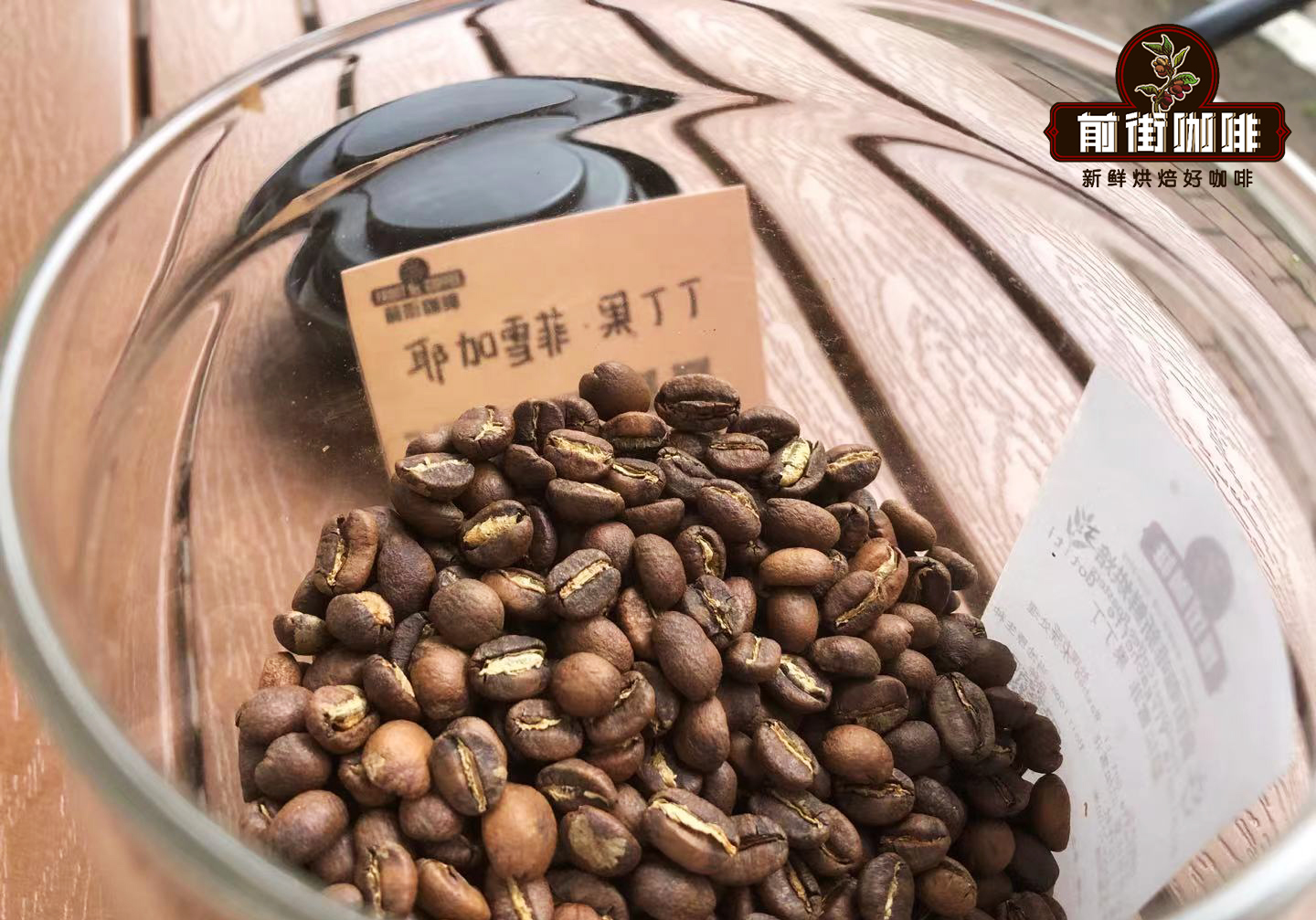
Guji coffee comes from the Hambella region of Sidamo and is processed by the method the area knows best: natural. Unlike other Sidamo beans, only natural processed lots from the Sidamo Hambella Buku processing station may be called "Guji coffee." Coffee being an agricultural product, its flavor shifts slightly from year to year with climate and soil. To distinguish later batches from the 2017 champion Guji beans, subsequent harvests carry a version number: the 2021 crop was named "Guji 5.0," and the latest 2024 batch is, naturally, "Guji 8.0."
FrontStreet Coffee: Sidamo · Guji 8.0 Coffee Beans
Country: Ethiopia
Region: Sidamo · Guji Zone
Altitude: 2,250-2,350 meters
Variety: Local native varieties
Processing: Natural processed
Flavor: Floral, jackfruit, dried fruit, apricot, juicy sensation
Against the 7.0, the new-crop Guji 8.0 shows a more intense fruit character in the dry aroma: dense notes of guava, jackfruit, apricot, dried fruit, citrus, and pink florals. Add hot water and sweet aromas of honey, berries, and chocolate rise from the cup.

On the cupping table, FrontStreet Coffee first picked up a layered interplay of fruit sweetness and acidity in the 8.0 -- dried mango, jackfruit, orange, passion fruit -- with a clear juiciness and a round mouthfeel. As the cup cooled slightly, the fresh sweetness of peach and the bright acidity of berries came forward. After swallowing, a sweet aftertaste reminiscent of black tea lingers, with remarkable depth from layer to layer.
Yirgacheffe Coffee Region
Yirgacheffe began as a sub-region of Sidamo, but its bright, delicate coffees developed such a distinctive style within the region that farmers competed to attach the "Yirgacheffe flavor" label to their beans as a badge of honor -- and eventually the area broke away from Sidamo entirely to become today's most renowned Yirgacheffe region. As FrontStreet Coffee understands it, what lets Yirgacheffe beans carry such a distinctive style is, beyond the natural terroir, largely the work of washed processing.

Ethiopia's high altitudes and abundant sunshine make the country ideal for sun-drying coffee cherries, and in the beginning Yirgacheffe was in fact a natural-process region. Traditional natural processing meant nothing more than spreading cherries on the ground -- no sorting, no flotation -- so bean quality was wildly inconsistent. That changed in the 1970s, when Yirgacheffe town built Sidamo state's first washing station and the surrounding areas gradually shifted toward washed processing.
As more farmer cooperatives formed, people began building washing stations to raise green-bean quality for export, lifting incomes while serving multiple communities at once. Unlike natural processing, a washing station first needs a reliable water source, then depulping machinery, then enough hands to run it. From a production standpoint, the ideal site is a place with people, water, and roads -- and Yirgacheffe is precisely that kind of treasure.

Yirgacheffe town, in the Gedeo zone, sits downstream of large lakes, with abundant springs and rivers running through it -- freshwater in plentiful supply for the washing stations. FrontStreet Coffee also notes that in the ancient Ethiopian language, "Yirgacheffe" combines two words: Yərga (ይርጋ), meaning calm or settled, and Č̣äffe (ጨፌ), meaning swamp-like wetlands -- so the name carries the sense of "let us settle and thrive in this wetland."
Why Does Washed Processing Make Coffee Flavors Bright and Upward?
In washed processing, harvested cherries first go through flotation to remove underripe or low-density fruit. Machines then strip away the skin and pulp before the beans spend time in fermentation tanks -- dry or wet -- to break down the mucilage layer. Once fermentation is complete, the beans are washed in clean water to remove any remaining mucilage, and finally sun-dried until their moisture content falls between 11-13%.
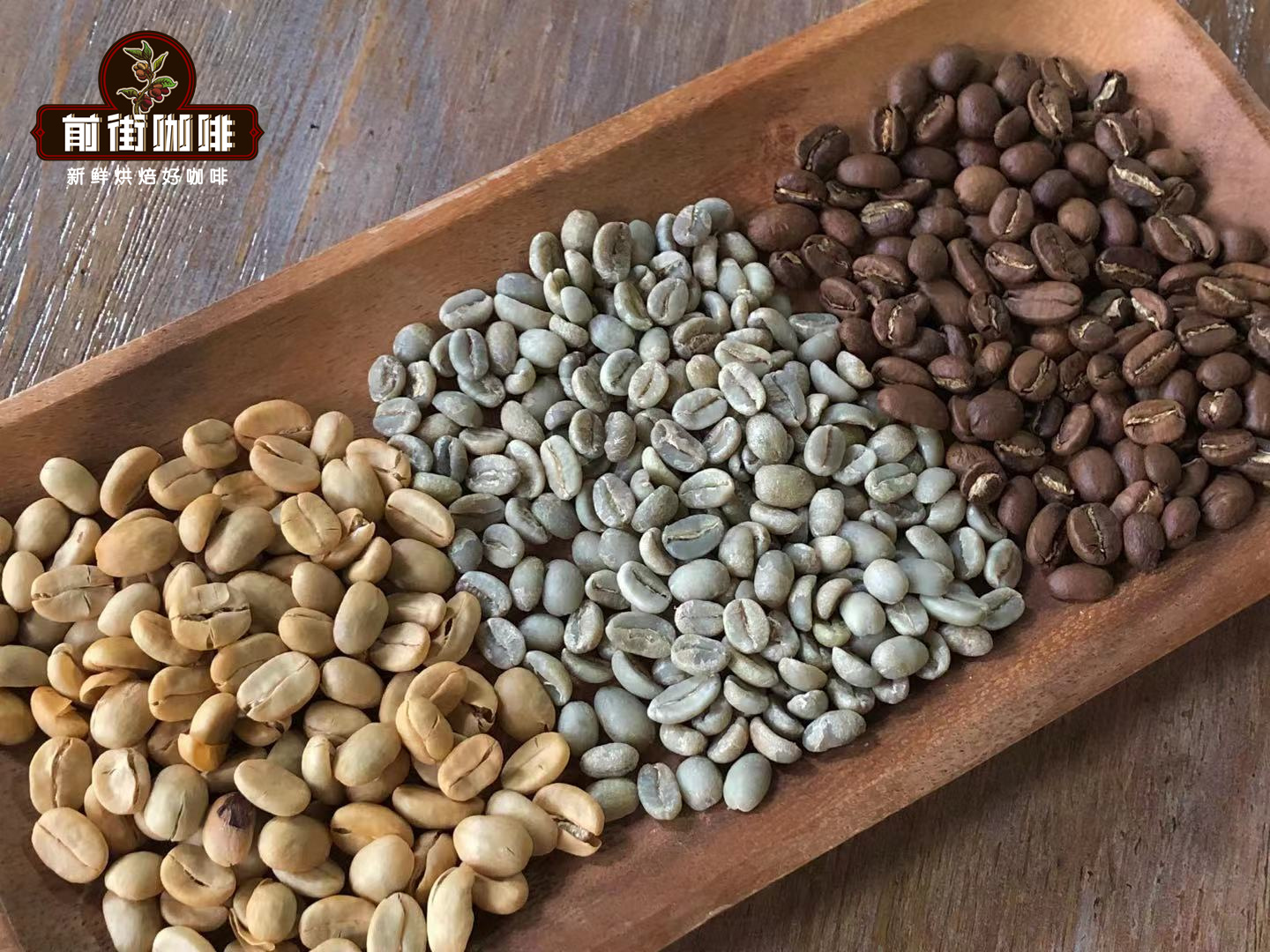
Every step of washing removes impurities and defective beans, so the green coffee is more uniform -- and commands a higher trading price than naturally dried lots. Washed processing not only cuts defect rates dramatically; it is also what earned Yirgacheffe its fresh citrus character and elegant white-floral aromas, with flavors that are bright, delicate, and clean throughout. FrontStreet Coffee's everyday Yirgacheffe beans are washed, carrying the classic Yirgacheffe profile, and work well as pour-over, cold brew, French press, and more.

So is everything from Yirgacheffe washed? Not necessarily. Washed Yirgacheffe made the region's name, but some cooperatives have kept the traditional natural method alive. The natural processed Red Cherry beans and Konga beans on FrontStreet Coffee's shelves are both famous natural lots from Yirgacheffe.
Brewing Yirgacheffe & Sidamo Region Coffee Beans -- Do You Need to Adjust Techniques and Parameters?
FrontStreet Coffee roasts both regions' beans medium-light to preserve their rich acidity. Still, the two beans express acidity and fruit differently -- washed Yirgacheffe shows bright lemon acidity, while natural Sidamo shows softer berry acidity -- so we adjust water temperature and pouring technique between them.

We keep a 1:15 coffee-to-water ratio with a medium-fine grind (78% pass rate on a Chinese standard #20 sieve). Grind too coarse and you cannot extract enough of the full-bodied compounds, leaving the cup thin; grind too fine and, at high water temperatures, you easily over-extract into bitterness.
FrontStreet Coffee also recommends brewing with freshly roasted beans to experience the coffee at its fullest. Beans shipped from FrontStreet Coffee are roasted within 5 days of dispatch, because freshness has an outsized impact on flavor. Our roasting philosophy -- "freshly roasted good coffee" -- is meant to ensure every order arrives at its peak: coffee's resting period after roasting runs about 4-7 days, so beans reach the customer right as flavor peaks.
For our washed Yirgacheffe, FrontStreet Coffee selected beans from the Gedio Cooperative, formerly part of the Worka Cooperative. The coffee this cooperative produced was so exceptional that coffee hunters sought it out, and it became an independent production cooperative in its own right -- a testament to the quality of Gedio's washed Yirgacheffe.
Washed Yirgacheffe (Gedio) Brewing Adjustments:
For bright, uplifting acidity with a tea-like aftertaste, brew at 90°C-91°C; for fuller acidity and enhanced body, go 92°C-93°C. FrontStreet Coffee noticed while cupping washed Yirgacheffe that the beans express different light flavors -- white floral, green tea, and more -- at different temperatures, so we brew with three-stage extraction, letting the various flavor compounds shine as the coffee bed's temperature gradually rises.

For natural processed Sidamo, the most representative beans in FrontStreet Coffee's view are unquestionably Guji. Many fans already know that Guji coffee is a natural processed bean from Ethiopia's Hambella region, with the full English name "Ethiopia Guji Hambella Buku Abel." Broadly speaking, it is a champion bean from Ethiopia's Guji region; more precisely, it is a natural processed lot from the small Hambella Buku Abel processing station. The evocative name "Guji" means "leader of a hundred flowers." Fame, excellent quality, rich and juicy fruit flavors, an approachable price, and extremely high brewing tolerance (it is hard to brew badly) -- this combination not only makes Guji stand out among Ethiopian coffees but also makes it the first choice for many people trying single-origin coffee for the first time.
Natural Processed Sidamo Brewing Adjustments:
To bring out the sweetness and full juiciness of natural processed Sidamo, FrontStreet Coffee brews at 91°C-92°C to build overall body. Cupping these beans, we find a full mouthfeel with clear juiciness and sweetness, so we brew with a center pour, letting the coffee bed extract its sweet and sour compounds steadily and evenly at a constant temperature.

Three-Stage Pouring:
Freshly ground Guji 8.0 carries a honeyed, cream-and-strawberry sweetness. Add the grounds to a V60 dripper, wet the coffee bed with twice the coffee's weight in water, and bloom for 30 seconds. Then, with a small, steady stream, pour in circles from the center outward up to 125g -- a staged pour. Once the coffee bed drops to half the dripper's height, continue with the same fine stream for the third pour up to 225g, then remove the dripper once all the liquid has drawn down, at around 2 minutes (give or take 10 seconds).
FrontStreet Coffee Recommendation
If this article makes you want to taste both sides of Ethiopia for yourself, start with FrontStreet Coffee's Washed Yirgacheffe everyday beans. It is the classic entry point into the region -- known for white jasmine florals, bright citrus and lemon acidity, and a clean tea-like finish -- and it suits newcomers and seasoned pour-over drinkers alike who prefer an elegant, floral cup over heavy, dark flavors. If you would rather have the juicy, tropical side, the natural processed Guji 8.0 featured above delivers jackfruit, apricot, and a full-bodied fruit-juice sensation. Brew either one with a V60 dripper at 90-91°C water, a 1:15 ratio, and a medium-fine grind, following the three-stage pour described above; for washed Yirgacheffe, grind to roughly fine-granulated-sugar size (80% pass rate on a #20 sieve) and dose 15g, blooming with 30g of water for 30 seconds before finishing the staged pours.
Important Notice :
FrontStreet Coffee is a long-established specialty coffee roaster in Guangzhou China, selling freshly roasted beans from its own farm in Yunnan as well as dozens of carefully selected single-origin beans from around the world for both pour-over and espresso. The products deliver consistently excellent quality and great value, with shipping within 24 hours. Guangzhou's FrontStreet Coffee shop is recommended by many coffee lovers, and the beans are now available online at the Tmall 。
FrontStreet Coffee has moved to a new address:
FrontStreet Coffee Address: 315,Donghua East Road,GuangZhou
Tel:020 38364473
 Scan and follow the En Gafei WeChat official account. Please indicate that the reprint comes from "En Gafei".