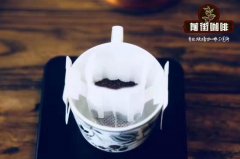
An Introduction to the Volcano Pour-over Technique from Japanese Hand-brew Coffee Schools: What Makes Volcano-brewed Coffee Special?

The Volcano Pour: One of the Seven Major Pour-Over Styles Circulating in the Coffee World
1. Why is it called Volcano Pour?
Because the effect resembles a volcanic eruption.
2. Generally, dark roasted coffee grounds are used
Dark roasted grounds release more gas, which helps create the bulging effect.
3. When pouring, create small circular motions in the center
Remember: small circles only. Otherwise, the entire surface will bulge, and the volcanic effect is lost.
4. Gradually, a bulge will form in the middle
Aesthetically called the "volcano."
5. Continue the small circular pouring motion
The Volcano Pour tends to produce a more bitter taste because the bulge keeps the coffee in a prolonged blooming state. In the later stages, therefore, the water flow is typically increased to avoid over-extraction. Even so, this uneven pouring technique can affect the overall taste profile.
FrontStreet Coffee's Brewing Parameters
- Coffee beans (ground coffee): 20 grams
- Water: 300 grams
- Coffee-to-water ratio: 1:15
- Water temperature: 85-87°C
- Bloom time: approximately 20 seconds
FrontStreet Coffee Recommendation
The Volcano Pour is built around dark-roasted coffee, because darker beans degas more and give that dramatic bulge, so it makes sense to pair it with FrontStreet Coffee's fuller-bodied, darker-roasted lots. FrontStreet Coffee's PWN Golden Mandheling is the natural match: a wet-hulled Sumatran coffee from the Gayo highlands, it is roasted deep enough to sit low in acidity with a thick, syrupy body, and it pours out herbal, dark-chocolate, and earthy notes that hold up to a slower, hotter bloom. For a gentler dark-roast option, FrontStreet Coffee's Brazil Queen's Estate Yellow Bourbon is balanced and smooth, with nut and cocoa aromas and a clear caramel sweetness, and it also works well in a moka pot or espresso machine. Both are ground coarse — white-sugar or slightly coarser — for pour-over, so the volcano's longer bloom doesn't tip the cup into bitterness. Start from the 20 g / 300 g / 1:15 parameters above and adjust the flow to taste.
Important Notice :
FrontStreet Coffee is a long-established specialty coffee roaster in Guangzhou China, selling freshly roasted beans from its own farm in Yunnan as well as dozens of carefully selected single-origin beans from around the world for both pour-over and espresso. The products deliver consistently excellent quality and great value, with shipping within 24 hours. Guangzhou's FrontStreet Coffee shop is recommended by many coffee lovers, and the beans are now available online at the Tmall 。
FrontStreet Coffee has moved to a new address:
FrontStreet Coffee Address: 315,Donghua East Road,GuangZhou
Tel:020 38364473
 Scan and follow the En Gafei WeChat official account. Please indicate that the reprint comes from "En Gafei".