Pour Over Guji 6.0 Coffee Characteristics What Are the Features of Small Bean Guji Coffee Beans Pour Over Taste Flavor Description
Ever since Luckin Coffee listed Queen of Coffee beans and sold out within a day, another wave of heated discussion broke out. Li Guoqing publicly called out Luckin online for cornering the Queen of Coffee market, while netizens seized on the funnier point that Luckin's sellout had apparently cost Li Guoqing his own supply. The reverse marketing was quite a spectacle — and it introduced a lot of new drinkers to Queen of Coffee.
The Origin of Queen of Coffee
Most of us learn coffee through names: Blue Mountain Coffee, where Blue Mountain is the name of the origin; Kona Coffee, where Kona is likewise a place. So is "Huakui" (Queen) in Queen of Coffee another place name? Not at all. Queen of Coffee is produced in the Hambela sub-region of Guji, Ethiopia.
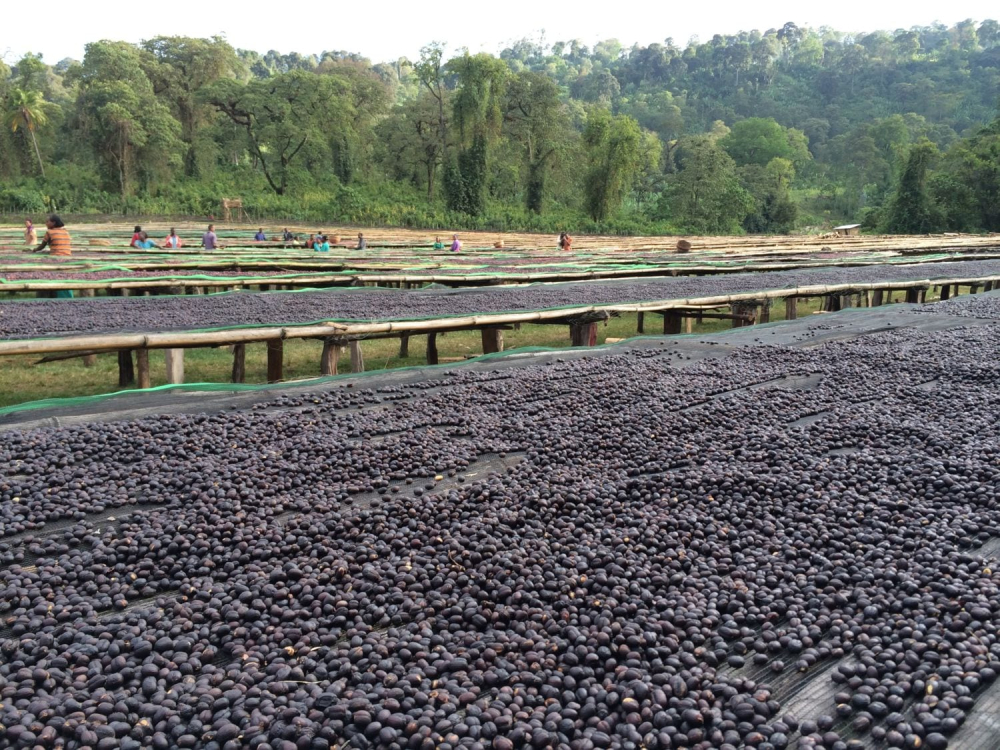
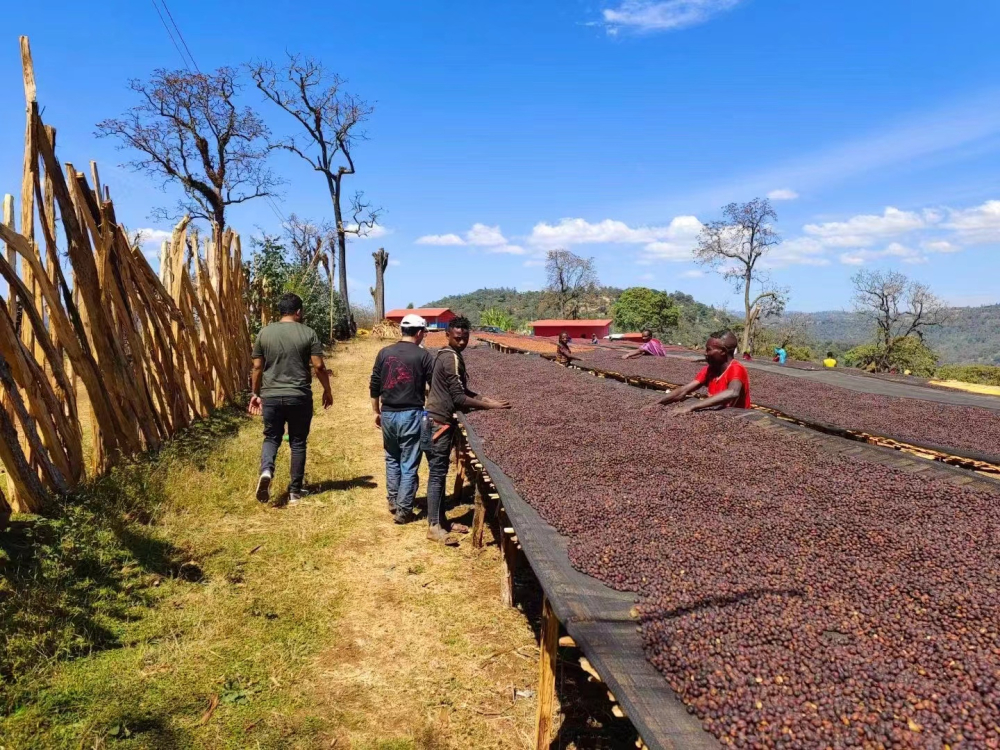
Hambela is the highest-altitude growing sub-region in Ethiopia, with farms above 2,000 meters, which creates big day-night temperature swings. The fertile, iron-rich red soil makes the coffee here sweet and delicious. The western edge of Hambela faces Kochere in Yirgacheffe across the mountains — a range 3,200 meters high and 30 kilometers wide separates the two regions.
Why Is It Called Queen of Coffee?
By now you may be wondering: if Queen of Coffee comes from Hambela, why isn't it simply called Hambela Coffee? The answer lies in the coffee's breakout in 2017.
In 2017, Ethiopia's DW company entered the natural-process coffee from the Buku Abel processing station it manages in that year's TOH (Taste of Harvest) competition — and won the natural process category championship for Ethiopia.
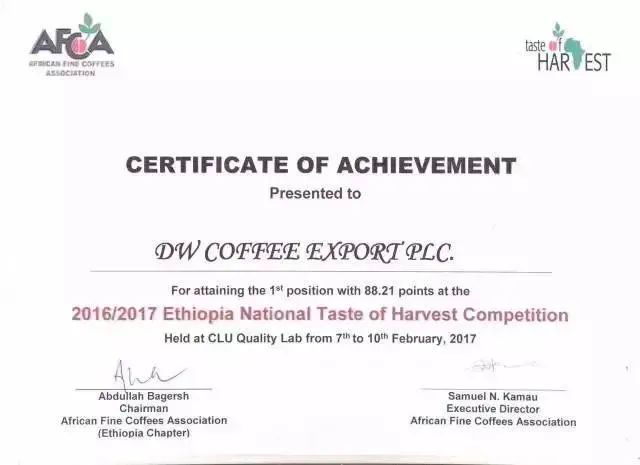
That same year, Beijing green bean merchant Hongshun noticed the same batch of beans and introduced them to China. The strawberry-cream flavor that had captivated the TOH judges also amazed domestic green bean merchants, who saw that with slight refinements to post-harvest processing, this bean could become the next Geisha. So it was named "Huakui" — literally "first among flowers" — a name that speaks volumes about the merchant's expectations.
Also in 2017, at the China competition of the World Brewers Cup, Geisha beans dominated most entries. Yet Li Jianfei, who took second place that year, had brewed this very batch of Queen of Coffee. Word spread fast: here was a bean that could out-flavor Geisha, and Queen of Coffee's fame surged.
2017 was the breakout year, and connoisseurs' pursuit of the bean has never let up since. As the merchant who discovered this earthly delicacy, Hongshun has worked the "Queen" brand diligently, maintaining its ties to the producing region year after year. With 2022 underway, the new season's beans were on their way: following the naming convention, the new crop should be "Queen 6.0." FrontStreet Coffee learned that the 2022 beans were still at origin, expected at port in April 2022 — and FrontStreet Coffee had of course pre-ordered the batch at the first opportunity, ready to share it with everyone once it arrived.
The Evolution of the Queen Naming
FrontStreet Coffee mentioned Queen 6.0 above, but what you actually see on the market is mostly "Queen 5.0." Anyone catching the pattern has figured it out: Queen of Coffee is named "Queen X.0" by year. Queen 2.0 in 2018, Queen 3.0 in 2019, Queen 4.0 in 2020, Queen 5.0 in 2021 — so 2022's would naturally be Queen 6.0.
FrontStreet Coffee's bean list currently carries not only Queen 5.0 but also a small-bean Queen of Coffee. Since 2017, tasting side by side, FrontStreet Coffee has found that the bean's signature aroma comes mainly from the smaller-sized Queen beans. By 2020, DW's Buku Abel station began processing the small-bean lot separately as its own product, meaning small bean Queen sits outside the "Queen X.0" series.
One more data point: in 2021 alone, domestic green bean merchants imported only 30 to 40 tons of Queen of Coffee in total — yet in his public call-out, Li Guoqing claimed Luckin had bought up 90 tons. And remember, Queen of Coffee is produced at one specific place: the Buku Abel processing station in Hambela.
The Buku Abel Processing Station
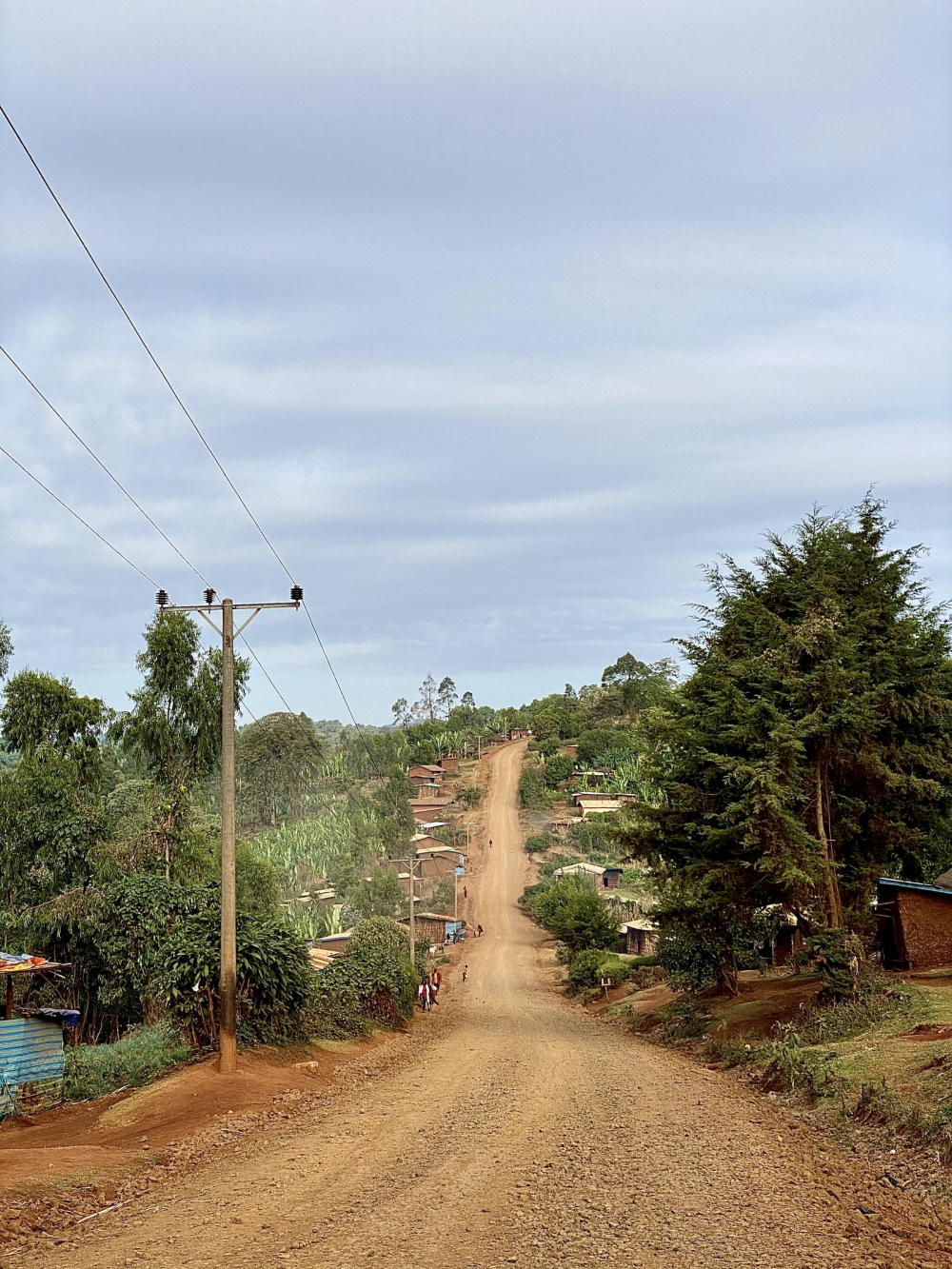
Buku Abel is a natural-process station managed by DW company, which has 20 years of experience. The station sits in Buku village, 400 kilometers from Ethiopia's capital, Addis Ababa. The land around the village's coffee-growing areas is planted with false banana, the local staple food. In FrontStreet Coffee's view, anything deserving the name Queen of Coffee must be a natural-process coffee from the Buku Abel station.
Flavor Profiles and Brewing Methods
Cupping two 2021-season Queen of Coffee beans side by side, FrontStreet Coffee found that Queen 5.0 leans toward the citrus and berry tones typical of Guji, with light florals and tropical-fruit juiciness, while the small bean Queen stays closer to the strawberry-cream flavor of the 2017 Ethiopia TOH championship batch.
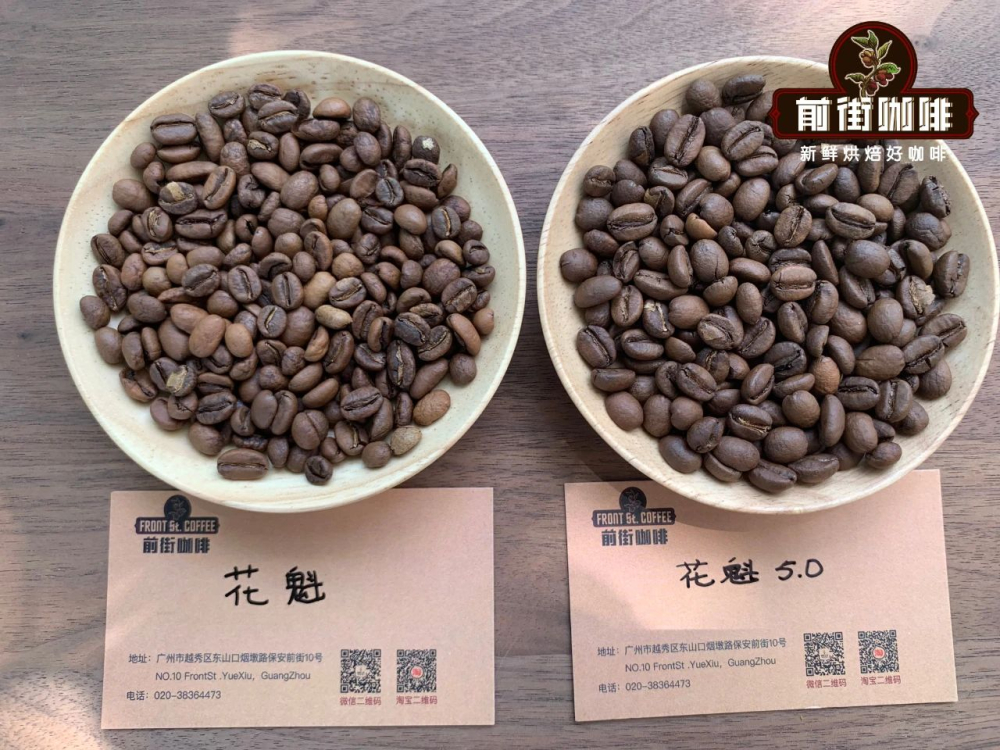
FrontStreet Coffee roasts both Queen of Coffee beans medium-light to preserve their berry acidity and bright mouthfeel. For brewing, FrontStreet Coffee recommends 91°C water, a Hario V60 dripper, and a medium-fine grind.
The V60's spiral ribs run top to bottom in varying lengths, allowing smooth airflow and a relatively fast flow rate. That is exactly why this dripper is usually paired with segmented pouring — it slows the flow and improves extraction, helping offset the under-extraction that a fast flow can cause.
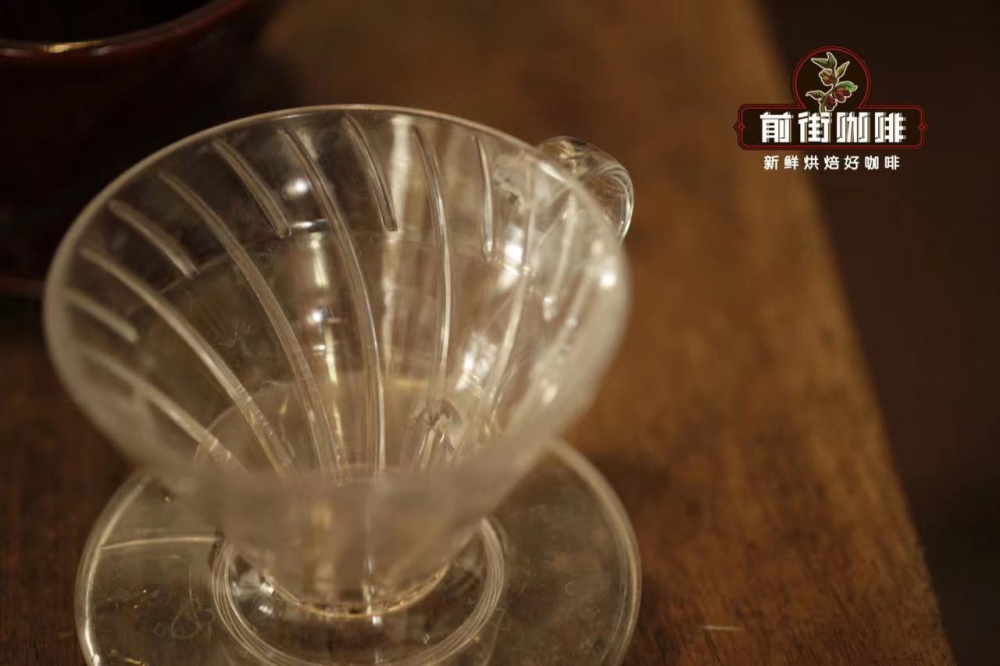
Dripper: Hario V60
Water Temperature: 91°C
Dose: 15g
Ratio: 1:15
Grind Size: 80% pass-through rate on China standard #20 sieve
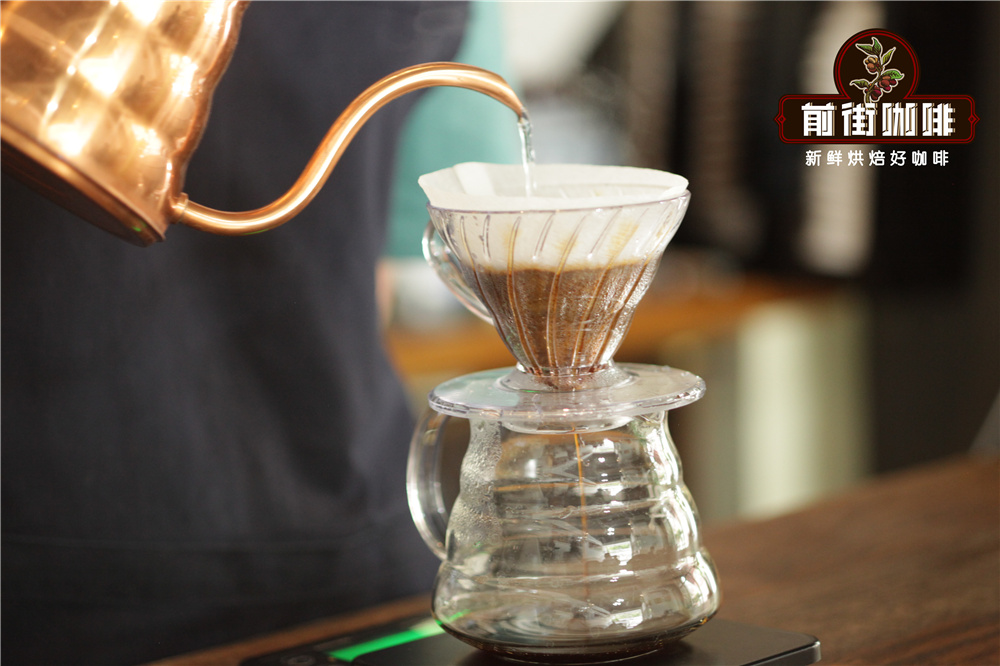
FrontStreet Coffee recommends a three-stage pour for richer layers. First pour 30g of hot water in slow circles to wet the grounds completely and bloom for 30 seconds. Then pour a small stream at the center, circling slowly up to 125g, and pause. Once the water level drops to just above the coffee bed, pour gently in slow circles to 225g and stop. When all the water has dripped through, remove the dripper. Total extraction time is approximately 2 minutes.
For more coffee bean information, follow Coffee Workshop (WeChat public account: cafe_style)
For professional coffee knowledge exchange, add WeChat ID: kaixinguoguo0925
FrontStreet Coffee Recommendation
If Queen of Coffee has sparked your interest in Ethiopian coffee, the classic starting point is FrontStreet Coffee's Washed Yirgacheffe. Yirgacheffe itself is a small town in Ethiopia's southern Sidamo province, sitting at roughly 1,700-2,100 meters with coffee planted above 1,800 meters — among the highest growing zones in the world. The region was originally wetland, and its instantly recognizable white floral character and lemon-citrus acidity have made it a byword for Ethiopian specialty coffee; so famous had the name become that in 2010 the Ethiopian Commodity Exchange formally split Yirgacheffe off from Sidamo as its own designation.
Yirgacheffe town actually breaks down into many small sub-regions and villages, several of them home to seasoned, well-run cooperatives. The most representative is FrontStreet Coffee's Washed Worka (Guodingding) Cooperative lot, from the Worka area at Yirgacheffe's southeastern tip. Once part of the Yirgacheffe Union (YCFCU)'s Worka cooperative, it was carved out as a "single-origin" lot as roasters worldwide chased traceability. Washed in the most traditional way, it carries none of the traditional bitterness — just fresh, bright citrus and lemon acidity wrapped in jasmine fragrance.
To taste the natural-process side of the region, FrontStreet Coffee's Red Cherry coffee uses fully ripe, hand-sorted cherries sun-dried whole on raised beds, turned every 2-3 hours during the first days to prevent uneven fermentation, then dried for three to five weeks before the outer pulp is scraped off by machine. Because the fruit dries on the bean, the cup keeps classic Yirgacheffe character plus tropical fruit: citrus acidity, berry juiciness, honeyed sweetness, and a creamy smoothness.
However you brew it, FrontStreet Coffee suggests a V60 at 90-91°C, 15g of coffee at 1:15, ground to fine granulated sugar (80% pass on the #20 sieve): bloom with 30g of water for 30 seconds, pour to about 125g within the first minute, then add the remaining 100g (to about 225g on the scale) by around 1'35", with the drawdown finishing at 2'00"-2'10" for a clean, layered cup.
Important Notice :
FrontStreet Coffee is a long-established specialty coffee roaster in Guangzhou China, selling freshly roasted beans from its own farm in Yunnan as well as dozens of carefully selected single-origin beans from around the world for both pour-over and espresso. The products deliver consistently excellent quality and great value, with shipping within 24 hours. Guangzhou's FrontStreet Coffee shop is recommended by many coffee lovers, and the beans are now available online at the Tmall 。
FrontStreet Coffee has moved to a new address:
FrontStreet Coffee Address: 315,Donghua East Road,GuangZhou
Tel:020 38364473
 Scan and follow the En Gafei WeChat official account. Please indicate that the reprint comes from "En Gafei".