What Grade and Variety is Authentic Blue Mountain Coffee? Introduction to Taste and Origin - Which Country's Brand is Blue Mountain Coffee?
Introduction to Blue Mountain Coffee
Blue Mountain Coffee has become one of the world's finest coffee representatives through its clean and elegant taste and its lasting, unique charm. What contributes to that exquisite flavor? Follow FrontStreet Coffee to learn about this world-renowned coffee.
Premium Blue Mountain Coffee Comes from Jamaica
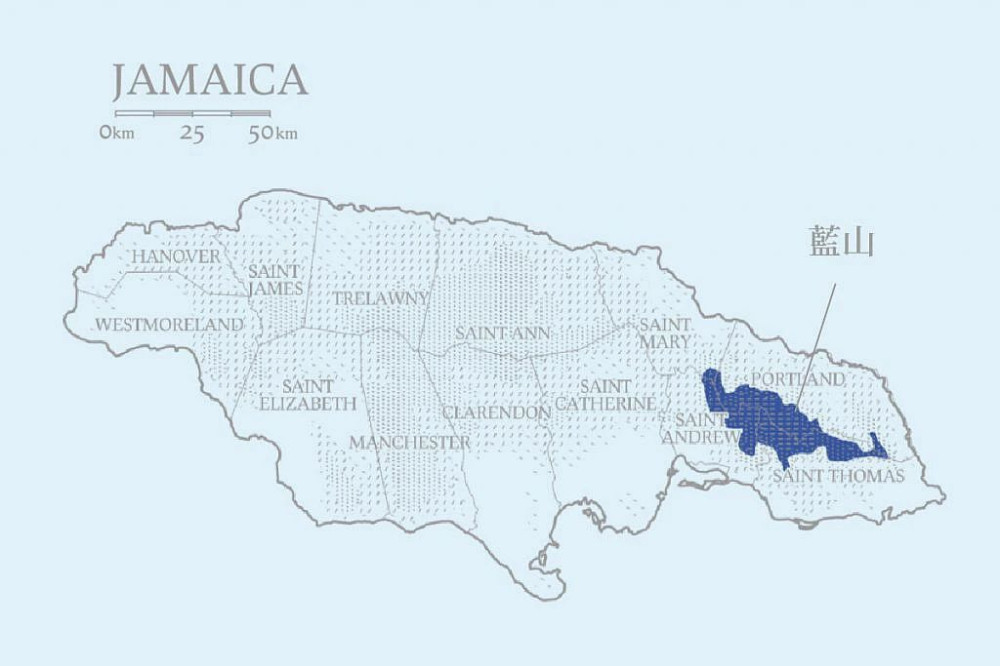
As the name suggests, Blue Mountain Coffee is produced in the Blue Mountains of Jamaica, but not every coffee tree growing anywhere in the Blue Mountain region yields excellent Blue Mountain beans. The Jamaica Coffee Industry Board (CIB) has set strict production standards: only Arabica coffee grown at elevations between 910 and 1700 meters may be called Jamaica Blue Mountain Coffee, while coffee from the remaining lower-altitude areas is classified as Jamaica High Mountain Coffee and Jamaica Prime Coffee. Jamaica Blue Mountain Coffee has four major producing regions: St. Mary, St. Thomas, St. Andrew, and Portland.
The Ideal Growing Environment
Surrounded by the waters of the Caribbean Sea, the Blue Mountains have an island tropical rainforest climate. During the rainy season the rainfall is concentrated and drains well, and volcanic ash from active volcanoes enriches the soil with nutrients, so the coffee trees need very little irrigation or fertilizer. The misty, cool, and comfortable high-altitude growing areas suit many crops, and locals typically plant coffee trees alongside banana trees on the slopes of the Blue Mountains.
What Variety Does Blue Mountain Belong To?
The variety of Jamaica Blue Mountain Coffee is the ancient Typica, which is renowned for an elegant and pure flavor. Anyone who knows coffee varieties knows that Typica has the longest history and that all the Arabica varieties we see today descend from Typica and Bourbon.
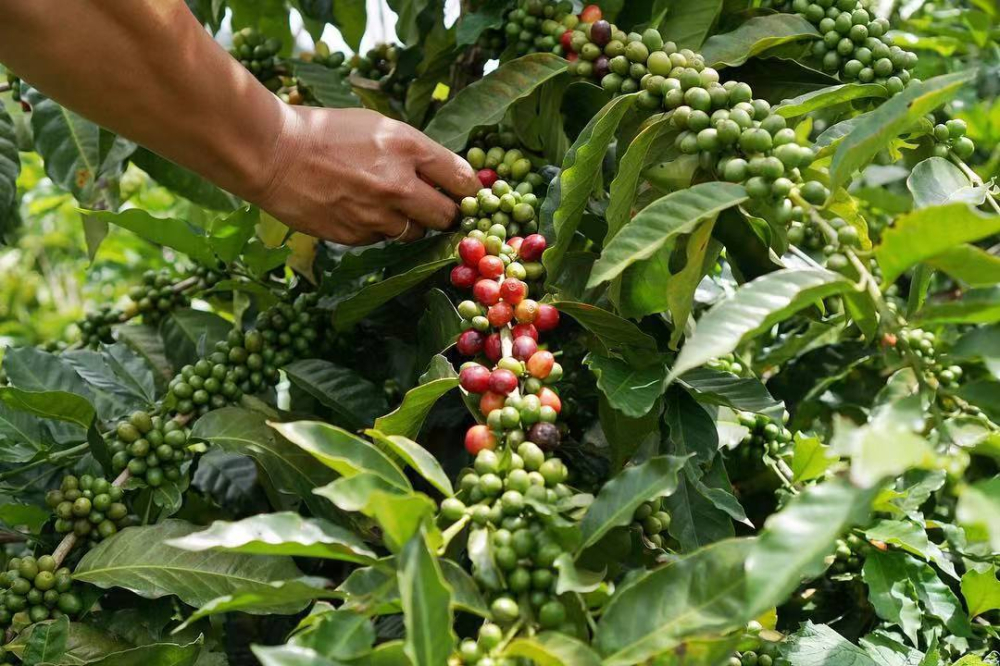
Typica is no longer widely cultivated because of its weak constitution, poor disease resistance, and very low yield per plant. It was introduced to the Blue Mountains in the 18th century and has been grown there for more than two hundred years. Blue Mountain Typica has adapted to the local island terroir and evolved better disease resistance, particularly against coffee berry disease, than typical Typica. FrontStreet Coffee believes that the exquisite, clean flavor of Blue Mountain is inseparable from Jamaica's commitment to careful cultivation of the Typica variety.
Premium Blue Mountain Coffee Uses Traditional Washed Processing
The clean flavor of Blue Mountain Coffee is maintained by the local adherence to traditional washed processing. During green bean processing, multiple steps eliminate substandard cherries, greatly reducing the overall defect rate.
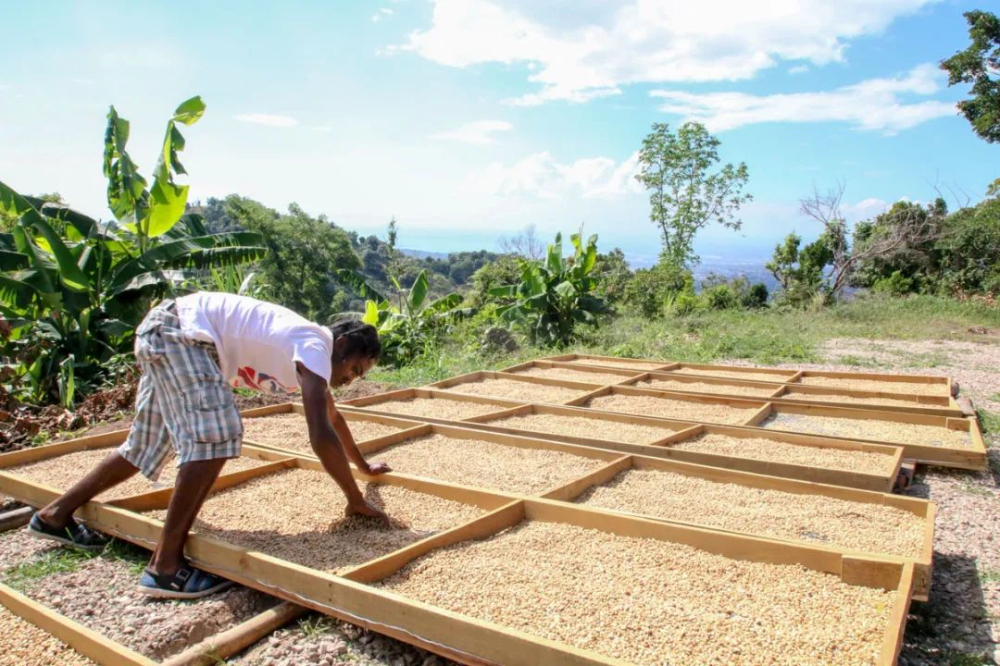
After the cherries are harvested, machines crush them and remove the skin and pulp, and the beans are then placed in pools to ferment overnight. The fermented beans go into clean water pools and are washed back and forth, using the friction of the beans and the power of flowing water to wash them until they are smooth and clean. Finally the parchment beans are dried in the sun for 2-3 weeks until the moisture content reaches 12-14%. Because the pulp and mucilage are removed before drying, no excessive fermented acidity affects the beans, so the inherent aroma of Blue Mountain becomes more balanced and clean.
Although the coffee market has diversified and Blue Mountain has experimented with small batches of natural processed beans, washed Blue Mountain remains the most classic expression.
The Exquisite Flavor of Blue Mountain No. 1 Coffee
What made Blue Mountain famous worldwide is Jamaica's national treasure, Blue Mountain No. 1, a bean with a full and solid aroma, a perfect fusion of acidity, sweetness, bitterness, and richness, and a smooth, fragrant, mellow mouthfeel.
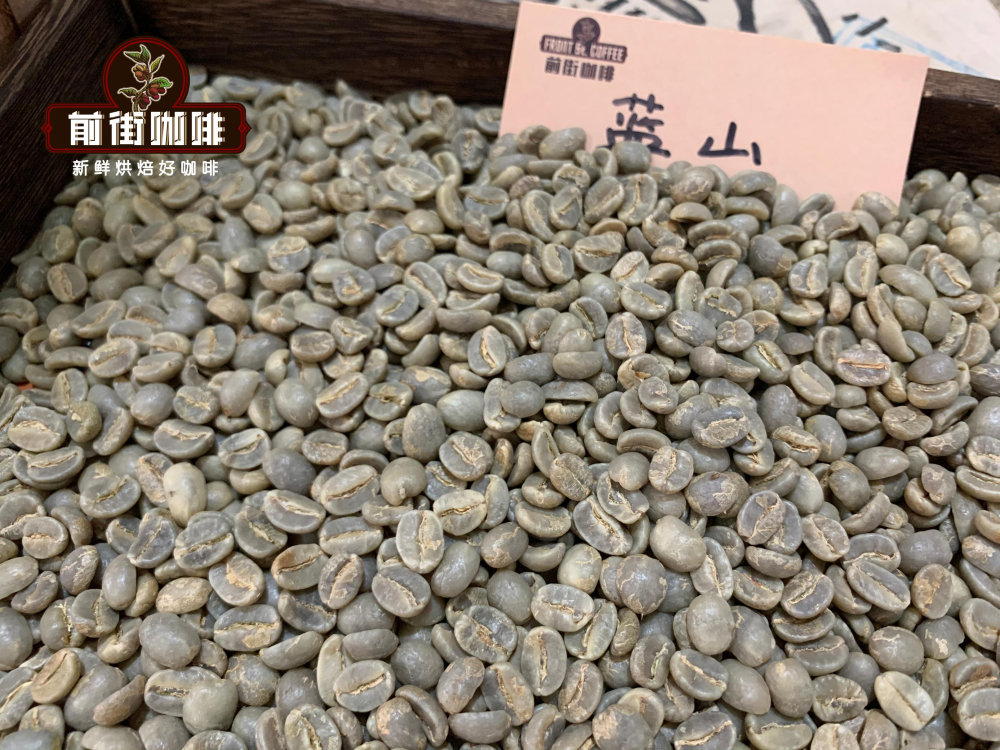
In the 1950s the CIB was officially established by the Jamaican government and laid out detailed export grading standards, with strict requirements for exported green beans regarding size, color, defects, and flavor. Jamaica Blue Mountain Coffee beans must meet specifications of 17 screen or larger, with a defective bean ratio not exceeding 2% and a moisture content of around 10-12.5%, and they must possess just the right balance of acidity, sweetness, bitterness, body, and aroma. As you can imagine, such exquisitely flavored beans are extremely rare. FrontStreet Coffee's daily bean selection often reserves this Blue Mountain No. 1 for fans of the classic Blue Mountain flavor. FrontStreet Coffee's Blue Mountain No. 1 comes from Jamaica's historic Clifton Mount Estate.

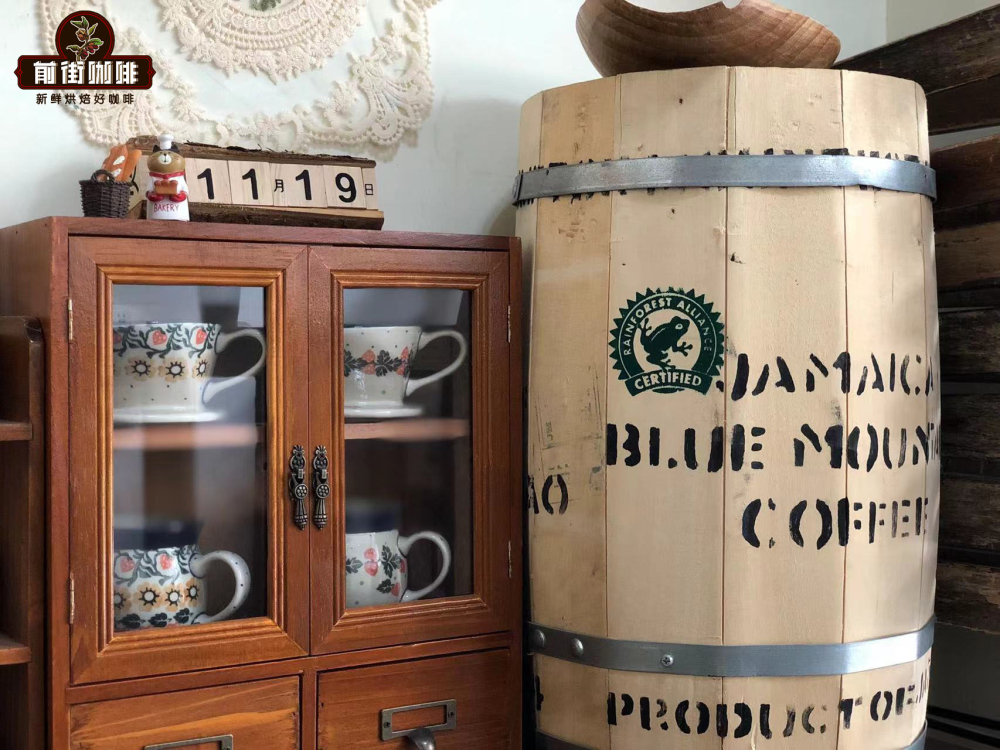
Clifton Mount Estate is one of the Rainforest Alliance certified estates. Its entire coffee production process follows sustainable environmental principles, minimizing pollution, and the water used in the processing plant is recycled. When FrontStreet Coffee receives Blue Mountain green beans, the wooden barrels outside are printed with the green rainforest tree frog logo. If you visit FrontStreet Coffee's store to drink coffee, you can spot this distinctive Blue Mountain wooden barrel with a little attention.
Brewing the Perfect Blue Mountain Coffee
FrontStreet Coffee wants every guest to taste the coffee at its complete optimal window, so FrontStreet Coffee guarantees the beans are freshly roasted within 5 days of shipping, which means that when you receive them you are already enjoying beans rich in aroma.

To present the classic Blue Mountain flavor, FrontStreet Coffee uses a medium-dark roast to highlight the chocolate sweetness while retaining some elegant acidity. For brewing, FrontStreet Coffee's barista chooses the Kono dripper, which emphasizes a mellow mouthfeel. The Kono's ribs do not reach even halfway up the dripper wall; the design keeps the filter pressed tightly against the wall after wetting, limiting airflow and increasing the time the water spends in contact with the coffee particles, which yields a more even extraction and a fuller body.
Because Blue Mountain No. 1 is medium roasted, the internal structure of the beans is fluffier than that of a light roast and absorbs water more readily. To avoid over-extraction, FrontStreet Coffee chooses a grind of 75% passing through a #20 standard sieve, along with water at 88 degrees Celsius and FrontStreet Coffee's customary three-stage pouring.
Brewing Parameters
Coffee grounds: 15 grams | Coffee-to-water ratio: 1:15

FrontStreet Coffee uses segmented extraction, namely the three-stage pouring method. Bloom with 30g of water for 30 seconds. The first stage uses a small, circular flow to pour to 125g, then stops. When the liquid level drops to just about to expose the coffee bed, continue with the second stage and end extraction at 225g. The total extraction time, including blooming, is 2'00".
Tasting Notes
Hand-poured Blue Mountain No. 1 tastes of rich dark chocolate, nut, and caramel, with a creamy smooth mouthfeel, a moderate body, a clean sweet aftertaste, and a balanced flavor.
FrontStreet Coffee Recommendation
Buying Blue Mountain is as much about the paperwork as the cup, and the certification system is what separates a genuine lot from a lookalike. A legitimate Jamaica Blue Mountain has no traceability code on the bag, but the importer normally holds complete export certification and proof of origin, and the green beans carry clear origin characteristics. FrontStreet Coffee's own listings, for example, show the certificate from Jamaica's Clifton Mount Estate together with stacks of the wooden barrels that are unique to Blue Mountain green beans. Traditional Blue Mountain is shipped in wooden barrels of 15, 45, and 70 kilograms, and each barrel is itself a mark of authenticity, so a seller who can provide full certification and origin documentation is generally the more trustworthy one.
Blue Mountain No. 1, or Blue Mountain No. 1 as it is also written, is the highest grade, and it is produced with a medium-dark roast that lets the classic balance show through. In the cup you find nut, dark chocolate, cream caramel, and a soft sweetness unfolding layer by layer, with acidity, sweetness, bitterness, and aroma in harmony. FrontStreet Coffee's Blue Mountain No. 1 comes from the historic Clifton Mount Estate, where coffee has been grown since around 1750, and the merchant holds complete origin certification plus the original shipping barrels, so the source is fully traceable. Whether you drink it as an everyday specialty coffee or give it as a high-end gift, it delivers the enduring appeal this legendary coffee has held for decades.
The good news is that Blue Mountain is not limited to pour-over. Because it is so well balanced, it also performs beautifully in a moka pot and as espresso. For pour-over, FrontStreet Coffee suggests a 1:15 to 1:16 ratio, water at 85-88 degrees Celsius, and a medium-coarse grind, which brings out the cream, caramel, and nut flavors while preserving the soft, bright sweet-tart edge and giving a cleaner, more transparent cup with more layered change. For a fuller body, use a moka pot with a slightly finer grind than pour-over, hot water in the base, medium-low heat, and take it off the heat just as the coffee finishes flowing; the moka pot intensifies the chocolate, caramel, and nut notes and keeps the signature balance, and it also performs very well when paired with milk as a latte or a flat white.
Important Notice :
FrontStreet Coffee is a long-established specialty coffee roaster in Guangzhou China, selling freshly roasted beans from its own farm in Yunnan as well as dozens of carefully selected single-origin beans from around the world for both pour-over and espresso. The products deliver consistently excellent quality and great value, with shipping within 24 hours. Guangzhou's FrontStreet Coffee shop is recommended by many coffee lovers, and the beans are now available online at the Tmall 。
FrontStreet Coffee has moved to a new address:
FrontStreet Coffee Address: 315,Donghua East Road,GuangZhou
Tel:020 38364473
 Scan and follow the En Gafei WeChat official account. Please indicate that the reprint comes from "En Gafei".