Coffee Processing Methods: What's the Difference in Flavor Characteristics Between Anaerobic Natural and Natural Processing?
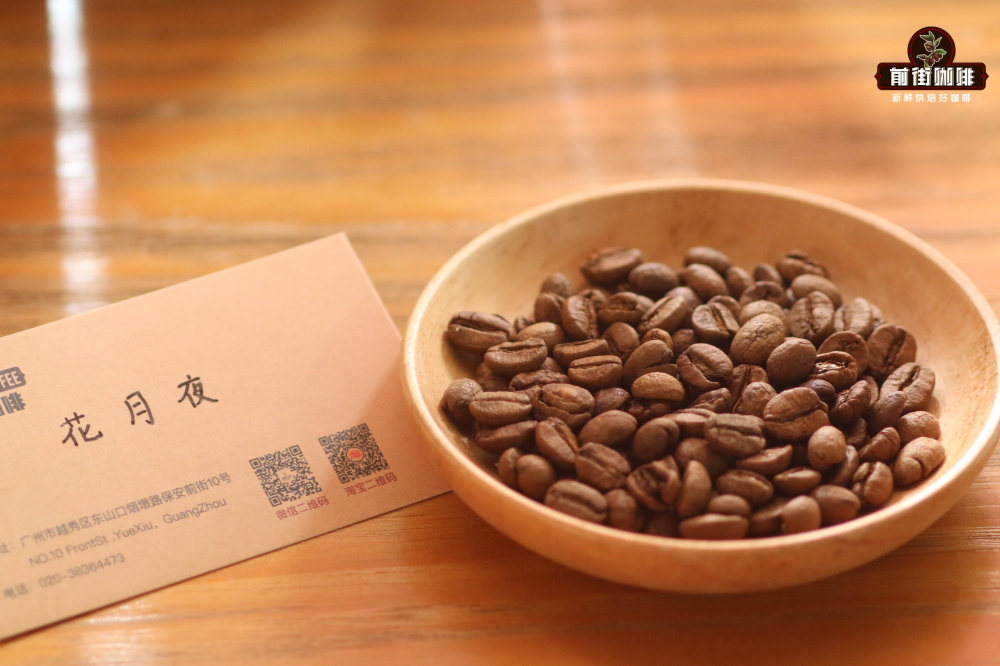
In pursuit of greater sweetness in coffee, anaerobic processed beans have become very popular in recent years. FrontStreet Coffee's Colombian Flower Moon Night, for example, uses anaerobic natural processing. Prepared as pour-over, it exhibits rich fruit aromas and fermentation notes, with gentle acidity and noticeable sweetness, making it highly popular among coffee enthusiasts.
What is Natural Processing?
Those who have studied coffee processing methods know that the beans we taste are actually seeds inside a fruit. After coffee cherries are picked, they must go through a series of steps to remove the pulp and dry before we obtain the beans we want. Natural processing is the oldest traditional method and also the most common green bean processing method, still widely used in many countries today.
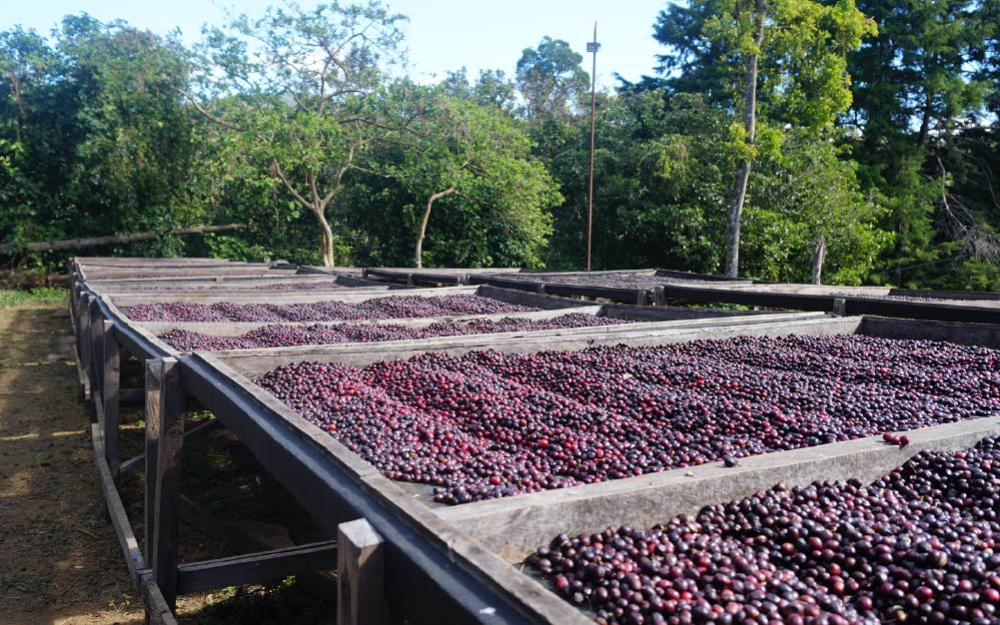
So-called natural processing involves spreading freshly picked coffee cherries under the sun, letting sunlight evaporate the moisture from the fruit surrounding the beans. Once the target moisture content is reached, the dried shell can be mechanically crushed to extract the parchment beans. Since natural processing requires no sophisticated technology, virtually every smallholder household can do it themselves. The whole drying process needs only sunlight on clear days, keeping production costs low, and it is most common in high-altitude coffee regions.
Regions pursuing refined flavors will first float-select the cherries, removing underripe fruit and gravel debris, then spread them evenly on raised drying beds. The purpose is to keep the cherries off the ground to prevent infection by crawling insects, dust, and bacteria. During the drying period, dedicated staff check the drying degree of the cherries and remove worm-infested, burst, and moldy fruits so these bad cherries cannot affect the rest.
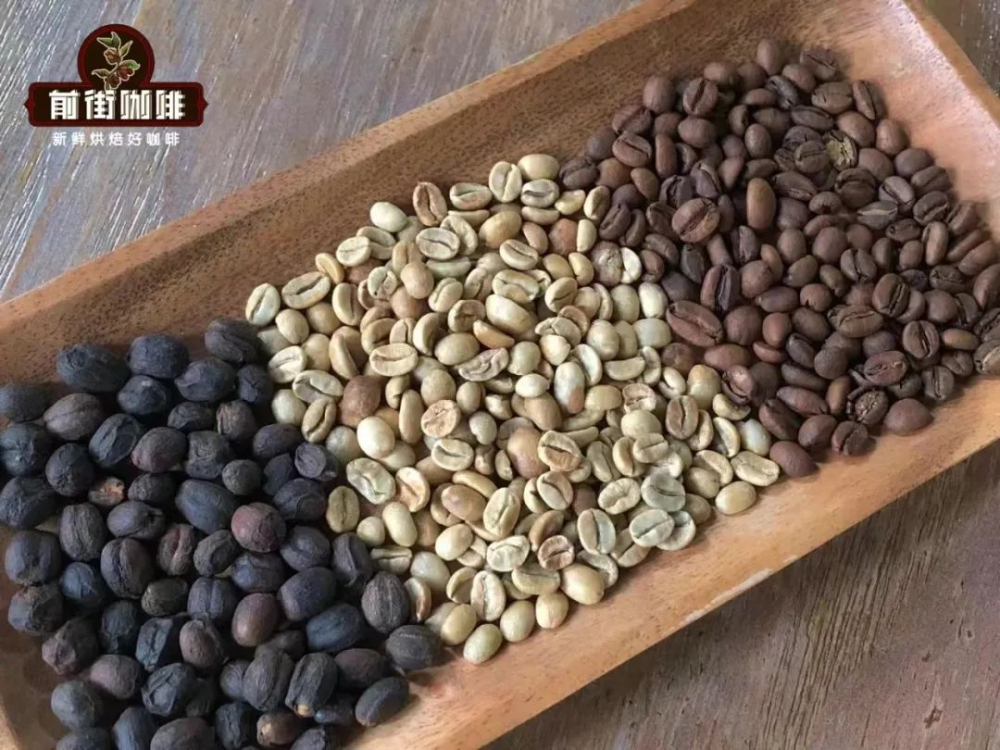
Because the beans of natural processed coffee dry while completely wrapped in fruit pulp, the cherries ferment for longer, with a higher degree of reaction between microbial strains and pulp. As the fruit ferments, microorganisms produce more volatile compounds, especially esters. These aromatic substances lend more floral and tropical fruit fermentation notes to the roasted beans - furan compounds, for instance - broadening the flavor profile of natural coffee and making it taste sweeter. FrontStreet Coffee's Yirgacheffe Red Cherry, Flower Queen, and Panama Red Label Gesha all use refined natural processing.
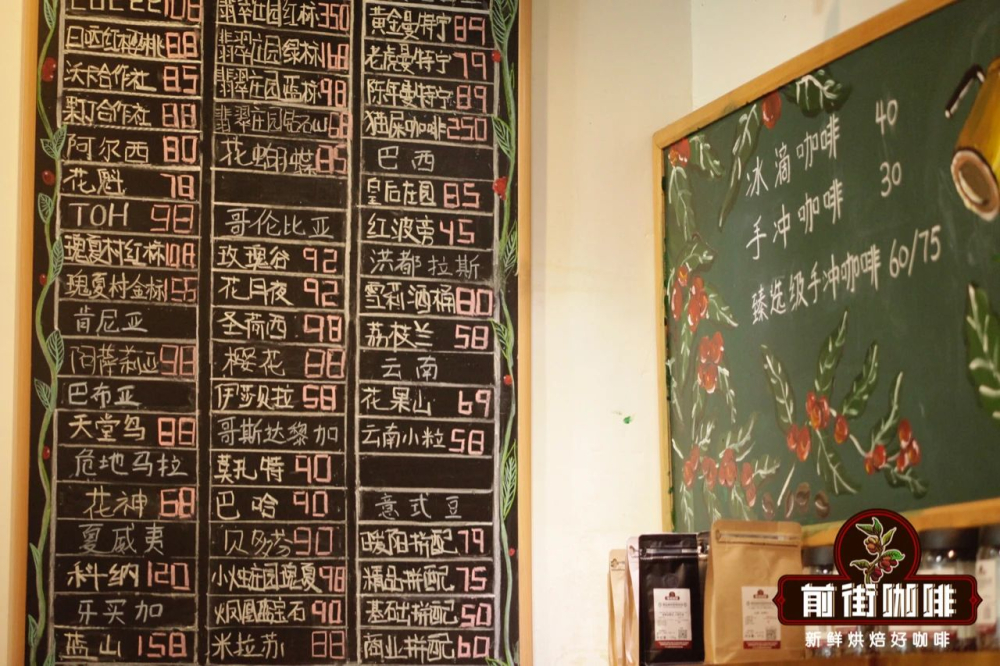
What is Anaerobic Natural Processing?
Simply put, anaerobic natural processing is a post-harvest method built on natural processing that uses modern technology to first ferment the coffee cherries in an anaerobic environment. Freshly picked cherries are placed in sealed barrels for low-temperature fermentation. In the oxygen-free environment, the decomposition of pectin slows and the pH value drops more gradually, extending the fermentation time and thereby developing more sweetness. The anaerobic environment requires strict temperature control, averaging between 10 to 15 degrees Celsius.
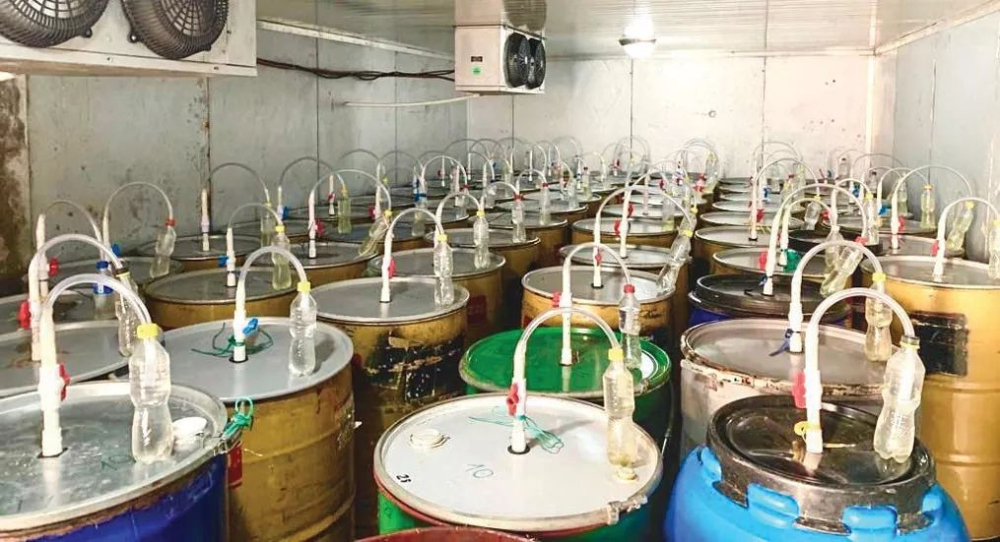
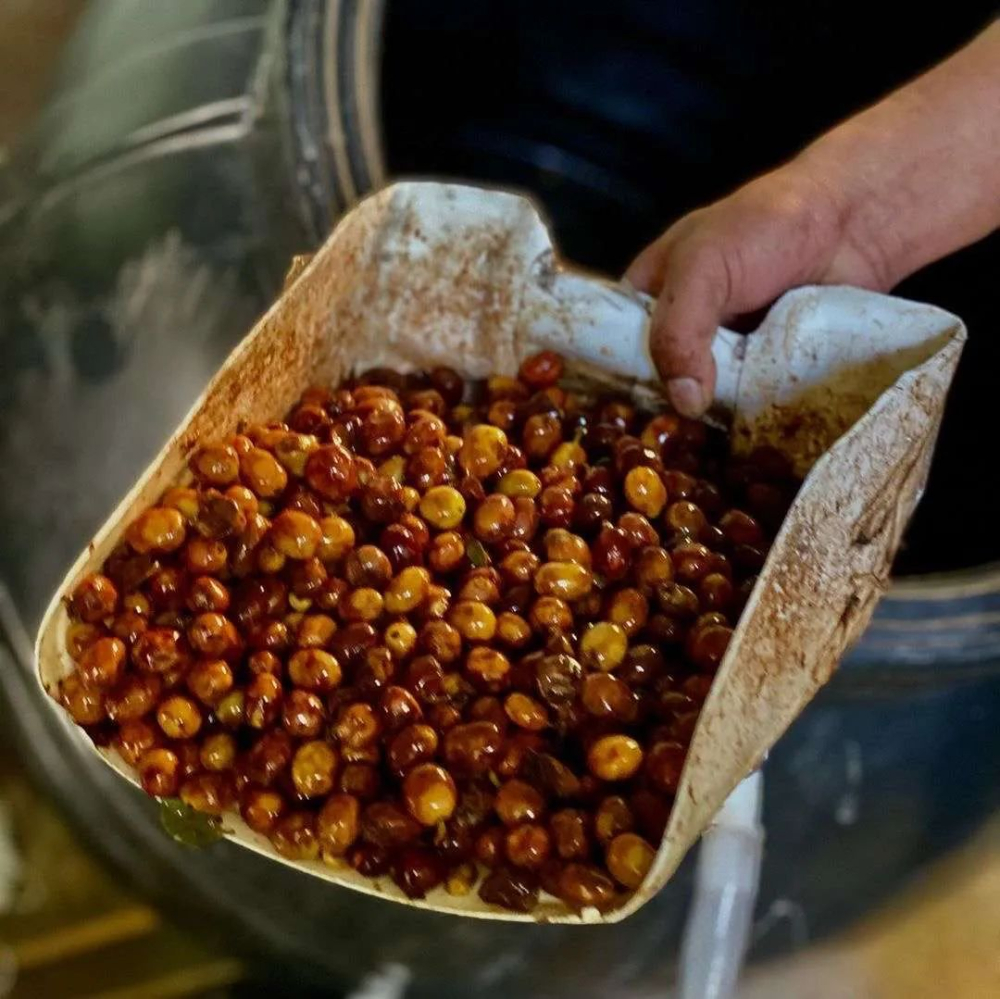
After more than three days of anaerobic fermentation, the cherries are transferred to natural drying. Once dry, the excess parts are removed to extract the beans. FrontStreet Coffee's Colombian Flower Moon Night is processed exactly this way, gaining richer mature fruit acidity and fermentation aromas from the anaerobic natural method. To preserve that fermentation character while showcasing full body and flavor sweetness, FrontStreet Coffee's roasters apply a medium roast.
After roasting, FrontStreet Coffee immediately cupped the lot. While grinding, the Flower Moon Night beans give off obvious berry and mature fruit aromas. The wet aroma after adding hot water is like rich strawberry jam. On entry come the sweet-sour notes of cranberry and strawberry jam plus a strong fermentation sensation, like eating liqueur-filled chocolate; after swallowing, faint floral notes linger in the mouth. To taste the poetic aromas of Flower Moon Night at their best, brewing details matter too.
How to Brew Anaerobic Natural Coffee for Good Taste?
Because anaerobically processed beans ferment for long periods in sealed spaces, the density of their cell walls decreases. Even though they are extremely hard, high-altitude Central American beans, the cell structure of anaerobic coffee becomes less compact and the internal structure looser after roasting. Water therefore flows through more easily during brewing, the contact time between grounds and water shortens, and the coffee can easily be under-extracted and flat. FrontStreet Coffee makes adjustments in grind size and pouring technique.
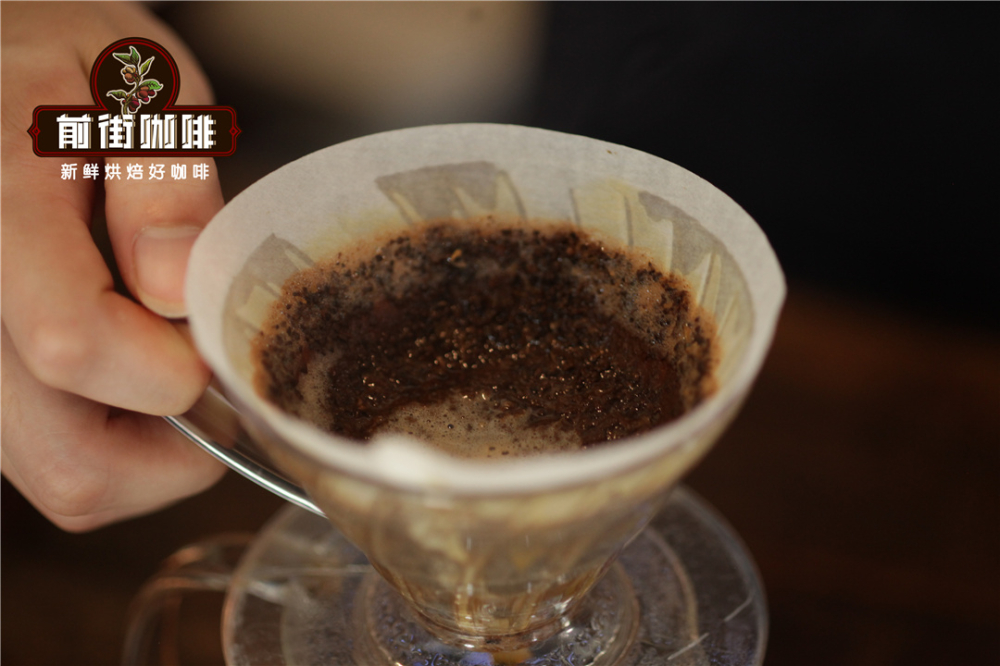
FrontStreet Coffee calibrates grind size with the China No. 20 0.85mm standard sieve: for medium-light roasts we consistently target a 75-80% pass rate, and for medium-dark roasts, 70-75%. Because the anaerobic Flower Moon Night has a looser texture and absorbs water more readily, water passes through the grounds faster and under-extraction is a real risk, so the grind is set finer - our stores use an EK43s setting of 9.2-9.5.

Water temperature plays a similar role to grind size. The hotter the water, the higher the extraction efficiency and concentration - but near-boiling water easily pulls out unpleasant bitter substances. FrontStreet Coffee recommends 87-90°C for medium-dark roasts, while light roasts need 91-93°C to stimulate their aromas. For Flower Moon Night we suggest 90°C: the coffee leans toward a balanced sweet-sour, well-rounded profile, and water that is too hot extracts heavy bitterness that masks its fruit and floral aromas.
The brewing dose remains 15g with a coffee-to-water ratio of 1:15. A moderate concentration is more conducive to experiencing the various flavors of Flower Moon Night.
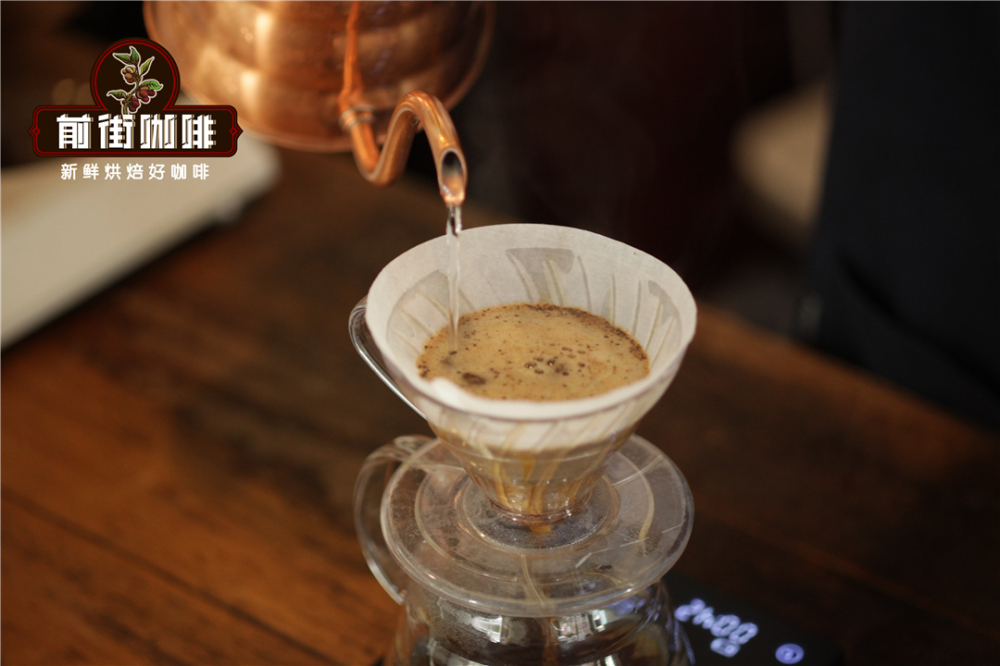
Three-Stage Pouring Method:
First, place the folded filter paper in the dripper and wet it so it fits snugly. Prepare hot water and a thermometer, add 15 grams of ground coffee to the dripper, and zero the electronic scale.
For the first stage, pour 30g of water for a 30-second bloom. Start timing as you pour, using a small stream from the center outward in circles to wet the entire coffee bed. You can watch the grounds dome up as they release gas.
After 30 seconds, use a steady stream to pour the second stage of 100g, aiming to lift the whole coffee bed. The water column should pour vertically and evenly; the scale reads 130g, completed at about 55 seconds. When the liquid level drops until the bed is nearly exposed, switch to a small stream in small circles for the third stage of 95g. Keep the stream narrow, and try not to let the liquid level rise above the wall of grounds built up in the second stage - otherwise water runs down the filter paper and the coffee under-extracts.
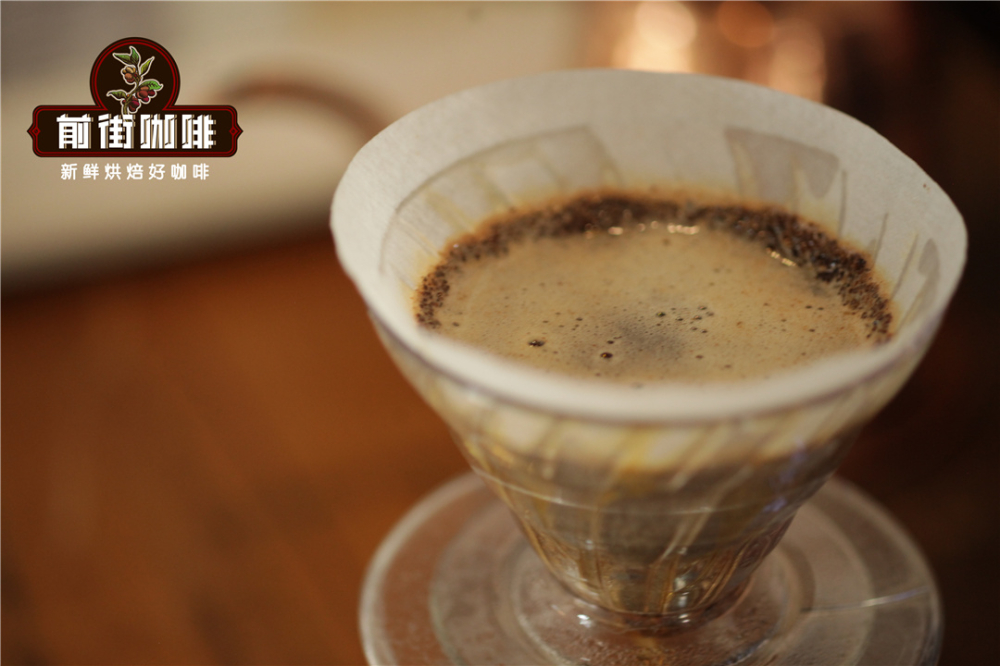
In total, 225g of water is poured, with drip completion at approximately 1 minute 50 seconds. Remove the dripper, swirl the coffee in the server to even it out, and begin tasting. Hand-poured Flower Moon Night opens with the sweetness of strawberry jam and the fermented note of mature berries; the cranberry acidity and berry-juice sensation spread across the mouth after entry, followed by a liqueur-filled chocolate aftertaste rising through the nasal cavity.

FrontStreet Coffee Recommendation
Flower Moon Night belongs to FrontStreet Coffee's Colombian lineup, and Colombia is one of the few origins whose coffee is sold under a country name. Colombian coffee suits every purpose - espresso blends and pour-over singles alike, with fruity styles, full-bodied styles, and intensely aromatic styles all on offer. The washed Huila, roasted medium-dark, is the classic counterpoint to Flower Moon Night: black chocolate and nutty sweetness with a mellow, rounded body, at home in a pour-over, French press, moka pot, or espresso machine.
If Flower Moon Night's anaerobic fermentation excites you, FrontStreet's Boundary Line Estate Sidra pushes the same direction further. Anaerobic fermentation takes place in a sealed, pressure-resistant stainless tank where temperature, time, and pH are controlled; after the oxygen-free fermentation, the Sidra converts more of its sugars into tropical fruit aromas. At a medium-light roast it reveals passion fruit, grape, apricot, and dried fruit, whether brewed as pour-over, cold brew, drip bag, or moka pot coffee.
For brewing either coffee, the same principles apply: calibrate your grind with a #20 sieve (75-80% pass rate for medium-light roasts), start near 90°C, dose 15g at a 1:15 ratio, and use the three-stage pour described above. Rest the beans several days past the roast date, and the fermentation aromas will land sweet and layered rather than sharp.
Important Notice :
FrontStreet Coffee is a long-established specialty coffee roaster in Guangzhou China, selling freshly roasted beans from its own farm in Yunnan as well as dozens of carefully selected single-origin beans from around the world for both pour-over and espresso. The products deliver consistently excellent quality and great value, with shipping within 24 hours. Guangzhou's FrontStreet Coffee shop is recommended by many coffee lovers, and the beans are now available online at the Tmall 。
FrontStreet Coffee has moved to a new address:
FrontStreet Coffee Address: 315,Donghua East Road,GuangZhou
Tel:020 38364473
 Scan and follow the En Gafei WeChat official account. Please indicate that the reprint comes from "En Gafei".