Coffee Processing Methods: What is Anaerobic Fermentation? Do Anaerobically Fermented Beans Taste Good?
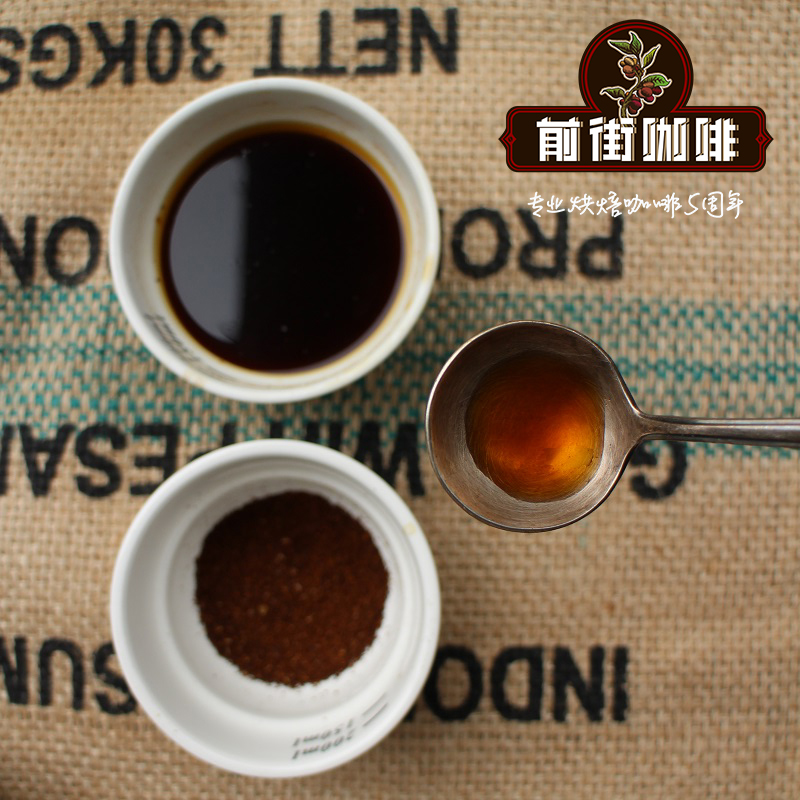
What is Anaerobic Fermentation? Introduction by FrontStreet Coffee
Anaerobic fermentation is nothing new in fermented foods. Both kimchi and wine rely on anaerobic bacteria. Since we already know that the post-harvest processing of coffee is a fermentation process, the only new part is the principle behind the fermentation itself.
Traditional natural, washed, and honey processing mostly expose the coffee to open air. The microbes that act on it are therefore typically aerobic, such as photosynthetic bacteria and yeast colonies, and yeast is facultative, so it can also function without oxygen. Anaerobic fermentation, naturally, makes use of anaerobic bacteria such as lactobacillus, filamentous fungi, and yeast.
To carry out anaerobic fermentation, you do not add specific strains to the coffee; you create an environment that lets the coffee ferment. That typically requires:
1. Airtight Enclosed Space
If you do not want other flavors creeping in, use easy-to-clean vessels such as tin or stainless steel. Tin, however, is too expensive, so hopefully no one reaches for a gasoline barrel.
2. Temperature Control and Proper Timing
Accurate temperature control and timing are crucial to a successful fermentation.
3. High-Quality Coffee Beans
The beans must start with a certain level of sweetness.
As for whether to remove the fruit pulp, or whether to use dry or wet processing first, those are each grower's trade secrets, with no unified standard.
Logically that makes sense, because microorganisms play a major role during anaerobic fermentation. In an oxygen-free environment, lactobacillus converts glucose to produce the sweet-and-sour sensation of lactic acid.
Chemical Reaction of Lactobacillus with Sugar:
C6H12O6 (glucose, etc.) + 2 ADP + 2 phosphate -> 2 lactic acid + 2 ATP
In an anaerobic environment, yeast also ferments sugar, converting glucose into alcohol (ethanol):
Yeast Anaerobic Fermentation:
C6H12O6 -> 2C2H5OH (ethanol) + 2CO2 + 2ATP
The alcohol then reacts with other organic acids, such as the lactic acid above, to form esters, which are an important source of the fruity notes in coffee. Anaerobically fermented beans therefore have a fuller body and a wine-like richness, while their sweetness and fruity notes surpass honey-processed coffee.
Some processors keep the fruit pulp on the beans during anaerobic treatment, but this carries risk: yeast converts glucose into alcohol, and a large amount of pulp means a high glucose content. If there are not enough organic acids to convert all the alcohol, the result can be an overly strong fermented wine flavor that dominates unpleasantly.
FrontStreet Coffee Recommendation
To taste what carefully controlled fermentation can do, try FrontStreet Costa Rica Blackberry. It is processed with the distinctive black honey method, which removes almost none of the mucilage, so drying takes longer, at least two weeks, under cover to keep the sun from drying it too fast, with regular turning to prevent uneven heat and over-fermentation. Medium-light roasted, it gives off an intense floral fragrance when ground and tastes of grape, berry, and ripe blackberry in the cup.
For a different take on extended fermentation, FrontStreet Costa Rica Mozart uses a raisin honey process in which the coffee cherries are pre-dried on raised beds for at least three days before the skin and pulp are removed and the honey process continues. Retaining 100% of the mucilage makes this method harder to control than even black honey. It brings a richer, riper fruit sweetness, with distinctive osmanthus, pineapple, and raisin aromas whether you brew it as pour-over, cold brew, or moka pot.
Important Notice :
FrontStreet Coffee is a long-established specialty coffee roaster in Guangzhou China, selling freshly roasted beans from its own farm in Yunnan as well as dozens of carefully selected single-origin beans from around the world for both pour-over and espresso. The products deliver consistently excellent quality and great value, with shipping within 24 hours. Guangzhou's FrontStreet Coffee shop is recommended by many coffee lovers, and the beans are now available online at the Tmall 。
FrontStreet Coffee has moved to a new address:
FrontStreet Coffee Address: 315,Donghua East Road,GuangZhou
Tel:020 38364473
 Scan and follow the En Gafei WeChat official account. Please indicate that the reprint comes from "En Gafei".