How to Brew Panama Geisha Coffee Beans to Perfection - A Guide to Clever Dripper and French Press Brewing Steps

The Legend of Geisha Coffee: From Rarity to Excellence
There was a time when Kopi Luwak sat at the top of the coffee world, incredibly difficult to obtain. Today, the new king of coffee—Geisha—shares that same exclusivity. The reason Geisha is so hard to find comes down to its premium price. As one friend once told FrontStreet Coffee: "Geisha is so expensive it makes you want to kneel." So once you finally get a bag of Geisha beans, you naturally want to treat it like treasure. But if you are still early in your brewing journey, extraction principles can be daunting—and what if the brew comes out poorly? What a waste that would be.
Brewing Method: V60 Dripper
Because the Panama Geisha beans on FrontStreet Coffee's menu are lightly roasted, FrontStreet Coffee typically brews its Panama Geisha with a Hario V60 dripper, a fine grind size, and a high water temperature.
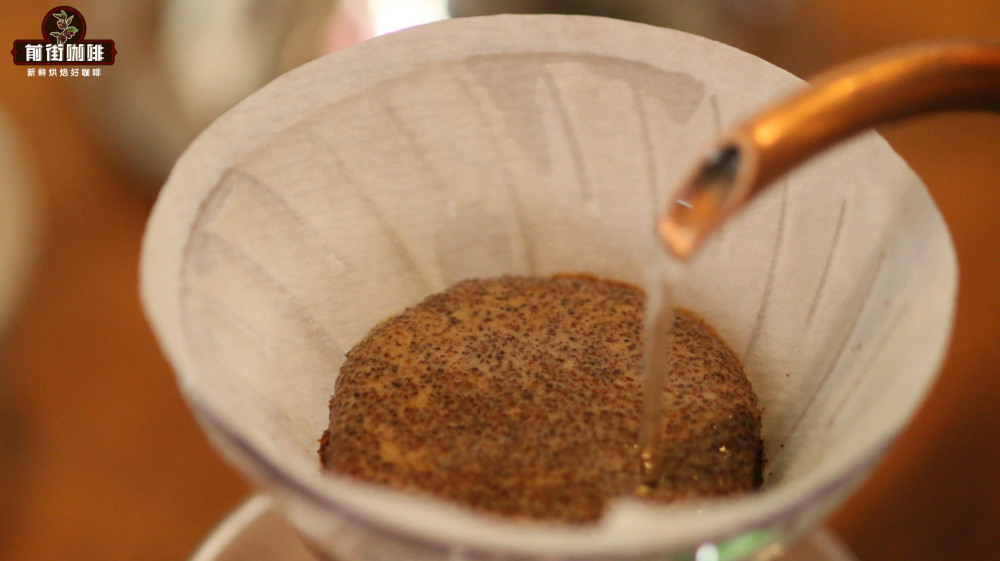
Dripper: Hario V60
Water Temperature: 91°C
Coffee Dose: 15g
Coffee-to-Water Ratio: 1:16
Grind Size: Fine sugar (80% retention on China standard #20 sieve)
Start by pouring 30g of hot water in a spiral pattern for a 30-second bloom. Then pour slowly from the center outward in circles until you reach 140g; once the water level drops to just below the coffee bed, continue pouring in circles up to 240g. Total extraction time should be about 2 minutes.
Some coffee enthusiasts have noticed that FrontStreet Coffee uses a 1:16 ratio for its Panama Geisha. The reason: Geisha resists over-extraction, and at 1:15 the flavors come out overly concentrated. Nudging the ratio to 1:16 lets the coffee open up—white floral aromas become more pronounced, acidity softens, and sweetness steps forward.
The Terroir of Panama Geisha
Geisha's unique flavor profile has a way of converting people: many who taste this "heavenly" coffee set out to try Geisha from every producing region they can find—Costa Rica, Honduras, Bolivia, El Salvador, Ethiopia, even Geisha grown in Yunnan, China. Some have even tried FrontStreet Coffee's hidden gem, the FrontStreet Blue Mountain Geisha. Yet many discover that the same variety can taste worlds apart; Geisha from other countries never quite matches the exceptional quality of Panama's.
Coffee is an agricultural product, and when it comes to flavor, terroir is everything. Unlike other growing areas, most Panamanian Geisha cultivation sits in primary forest zones and very close to Barú Volcano—conditions no other region can replicate.
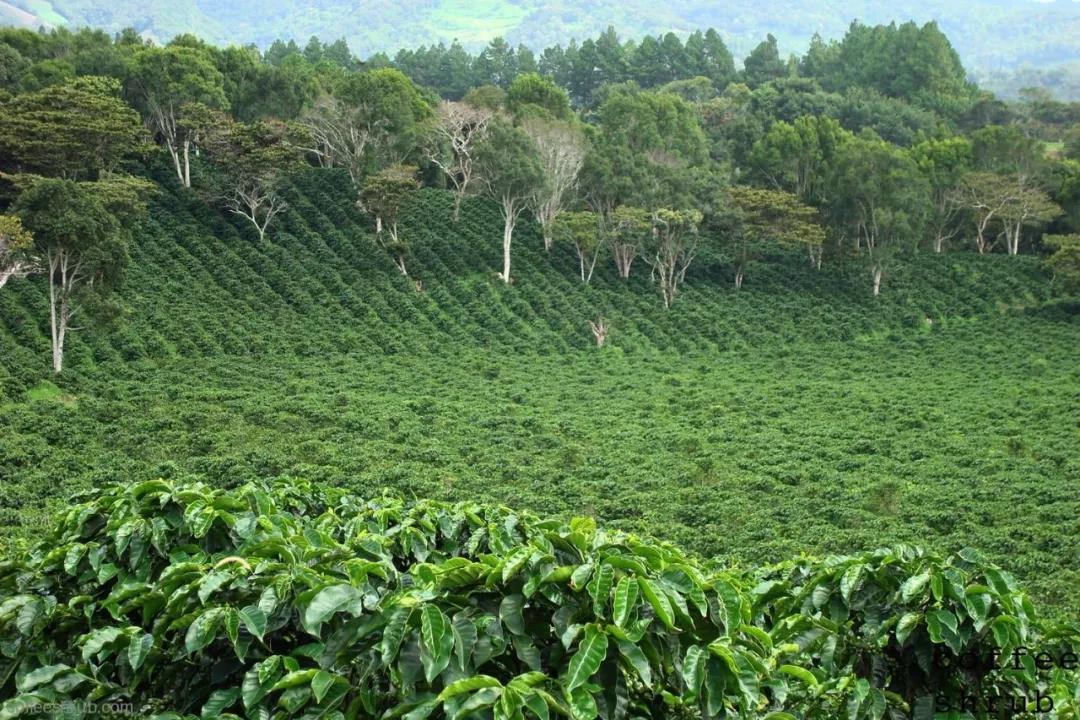
It is easy to imagine what that means: mineral-rich volcanic soil, with primary forests sheltering growing zones whose temperature and humidity are ideal for coffee—many spots even benefit from microclimates that stay humid and temperate year-round. The high altitude brings cooler nights, which slow the cherries' maturation and let more fructose develop while the fruit takes extra time to draw nutrients from the soil. With mountains and water like these, plus abundant nutrition, how could the cherries be anything but exceptional?
FrontStreet Coffee's Geisha Collection
FrontStreet Coffee's Panama menu carries numerous Geisha lots: the Hacienda La Esmeralda Red Label, the Hacienda La Esmeralda Green Label, the Volcanic Rock New Blue Label, the Debora Savic Series Geisha, the Aurora Estate Natural Geisha, the Nuovo Estate Geisha, and more. They all share the signature Panama Geisha profile—white florals, citrus, honeyed sweetness, and a clean mouthfeel—but different plots and processing methods give each its own character. For the most classic Panama Geisha experience, Hacienda La Esmeralda is unrivaled.
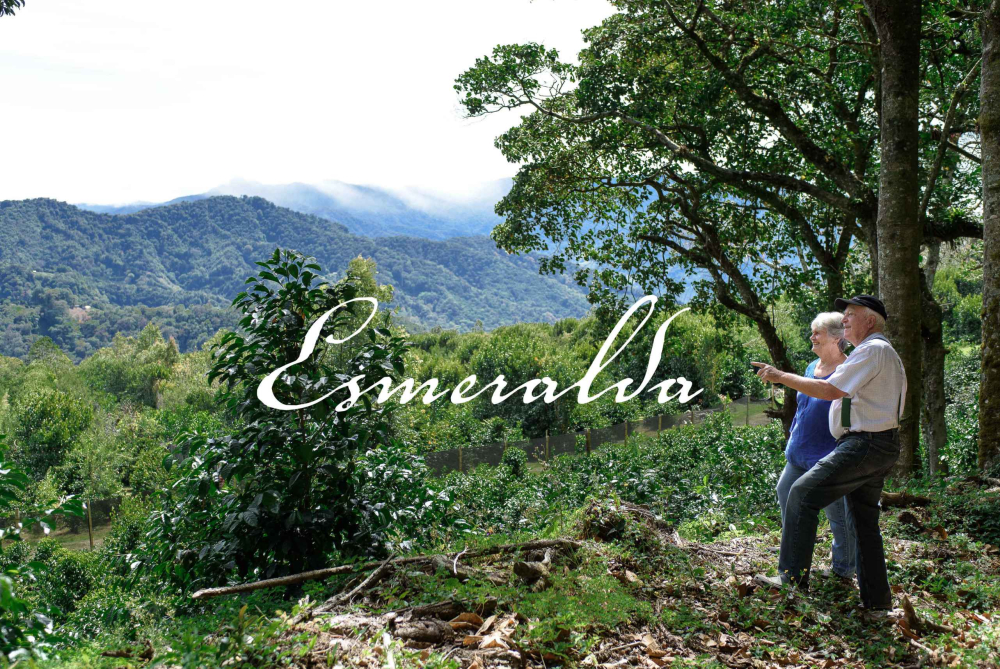
Hacienda La Esmeralda originally set out to improve coffee quality by comparing and recording the flavors of multiple varieties—and unexpectedly discovered that Geisha possessed unique white floral aromas, citrus, and honey-like sweetness, completely unlike the typical "nutty, caramel-sweet" profile of Central American coffee.
In 2004, Daniel selected a batch of Geisha to enter that year's BOP (Best of Panama) competition. Geisha made a stunning, world-captivating debut: it won the championship and shattered green coffee auction price records. Its auction prices kept climbing in the years that followed, growing more expensive year after year—and Geisha's flavor is so dominant that the BOP now runs separate Geisha and non-Geisha categories to keep it from overshadowing everything else.
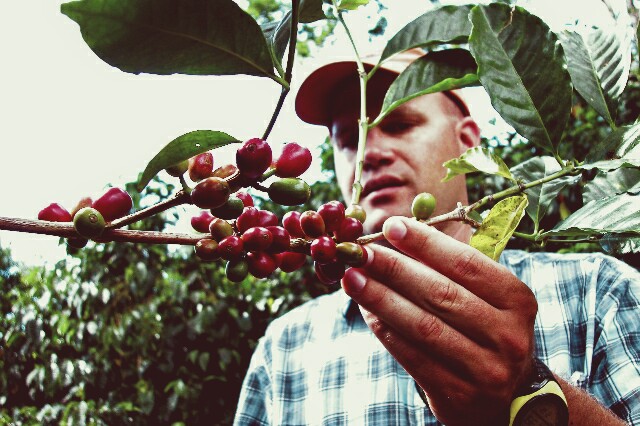
Thanks to Hacienda La Esmeralda, the world learned what Geisha could be, and for years the estate has done its utmost to produce batch after batch of top-quality beans—the discoverer of Geisha's flavor and its greatest promoter. Naturally, a menu that features nearly 50 different beans, like FrontStreet Coffee's, has to include them.
For the most classic taste of Panama Geisha, nothing compares to FrontStreet Coffee's Hacienda La Esmeralda Red Label Geisha.
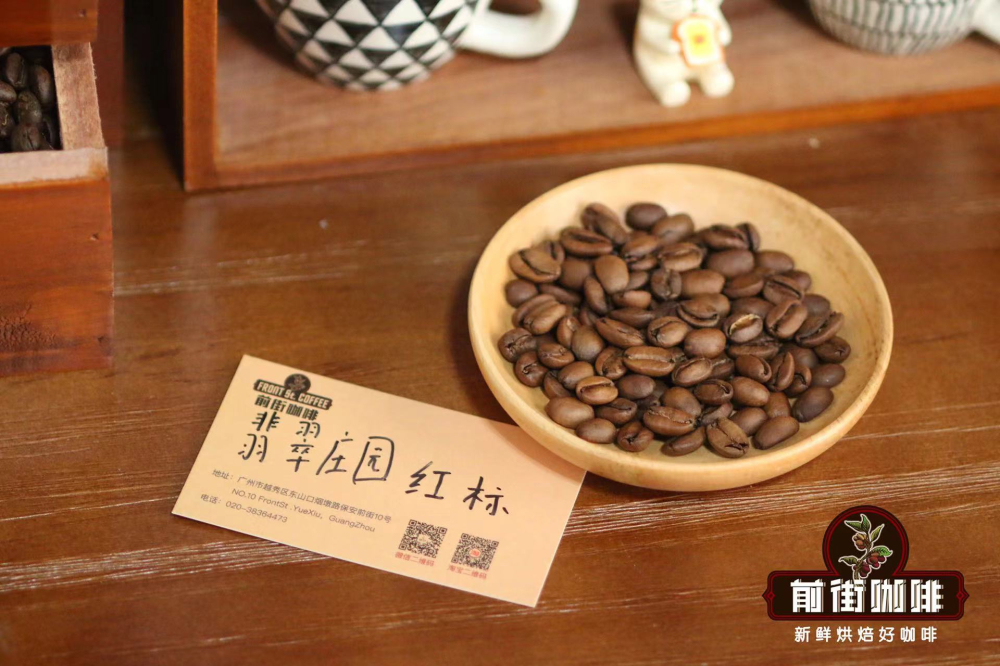
Hacienda La Esmeralda Red Label Geisha
FrontStreet Coffee's Hacienda La Esmeralda Red Label Geisha Coffee Beans
Region: Boquete, Panama
Estate: Hacienda La Esmeralda
Lot: Mario
Altitude: 1700+ meters
Variety: Geisha
Processing: Slow Natural
The Red Label classification is extremely strict: only Geisha grown above 1700 meters qualifies, and every batch must cup above 90 points. FrontStreet Coffee's Red Label beans come from the Mario lot—the very site where Geisha's distinctive flavor was first discovered—so you taste the original charm.
These beans are also slow natural processed: the whole fruit, pulp and skin intact, is dried slowly so the sugars and flavor compounds of the cherry penetrate gradually into the green bean. The result is a natural coffee with more intense aromas and more apparent sweetness.
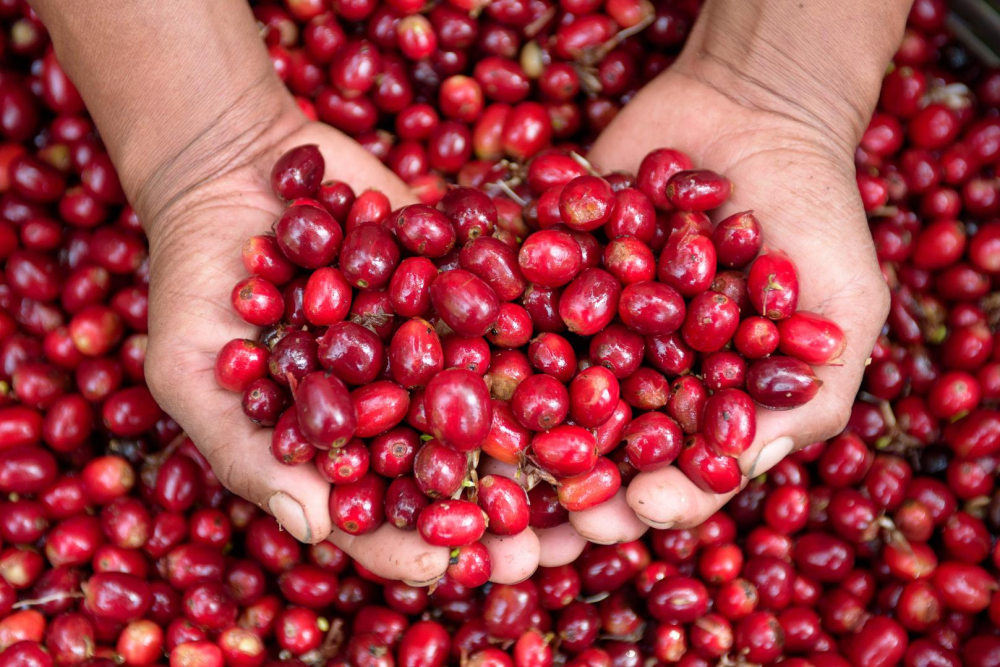
French Press Brewing Method
As the representative of premium coffee, FrontStreet Coffee's Hacienda La Esmeralda Red Label Geisha makes many enthusiasts brew it with extreme caution. But as the saying goes, fine ingredients often need only the simplest cooking—and coffee is no exception.
Coffee shops cup beans before deciding whether to add them to the menu. Cupping is simple in principle: grind the beans, steep the grounds in hot water, and both the qualities and the flaws of the coffee reveal themselves.
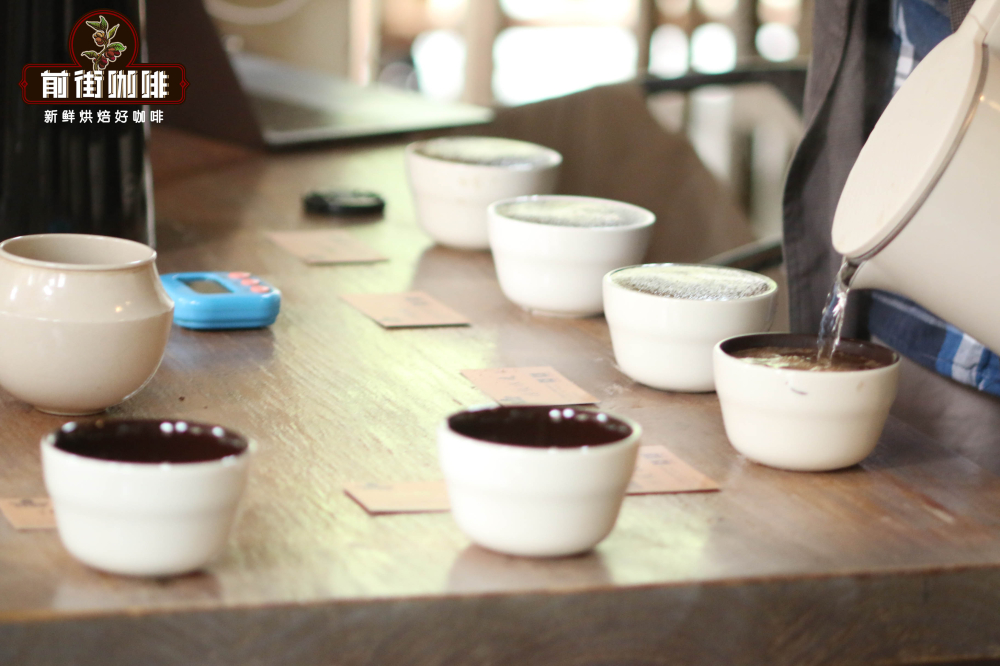
The French press works on the same immersion principle and is very friendly to beginners—no pouring skill required, and operation could hardly be simpler. Here is how FrontStreet Coffee brews its Red Label Geisha in a French press.
Because French press brewing takes time, grind coarse: FrontStreet Coffee recommends a grind with 75% retention on a China standard #20 sieve. The ratio can follow your taste—1:13 for a stronger brew, 1:16 for a lighter one.
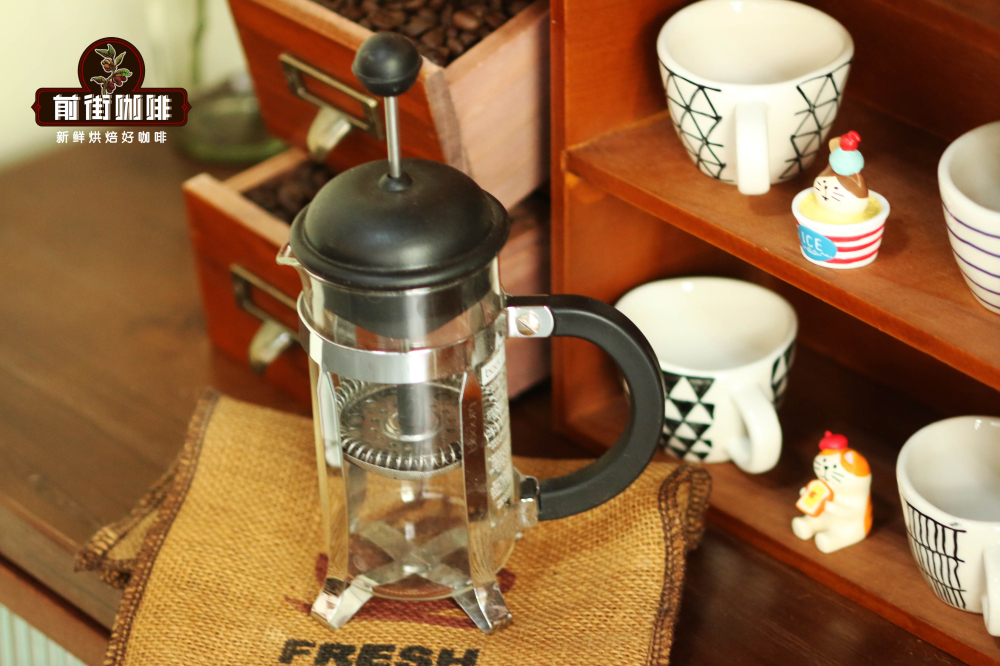
Brewing Equipment: French Press
Water Temperature: 91°C
Coffee Dose: 15g
Coffee-to-Water Ratio: 1:13–1:16
Grind Size: 75% retention on China standard #20 sieve
Time: 4 minutes

1. Pour hot water into the French press to preheat, then discard the water. Add the ground coffee and pour the appropriate amount of hot water within 3 seconds.
2. Pull up the filter mesh and cover with the lid, then wait for four minutes.
3. After four minutes, gently press the plunger down to one-quarter of the press.
4. Pour out the coffee and enjoy.
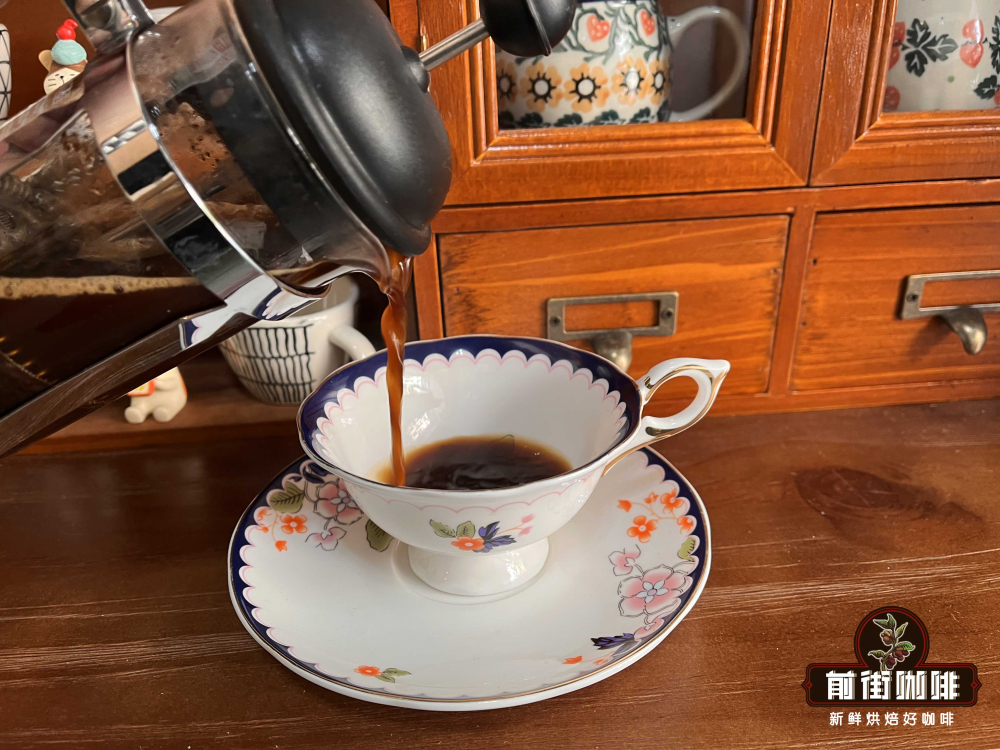
Compared with pour-over through a paper filter, the French press's metal mesh has larger pores and keeps more of the coffee oils in the cup, giving a fuller body and more intense flavors. Brewed this way, FrontStreet Coffee's Red Label Geisha fills the whole drink with white floral aromas; on the palate, berry juice wraps around the tongue with noticeable honey sweetness, rich layering, and a substantial mouthfeel.
FrontStreet Coffee Recommendation
If Red Label is beyond the budget for now, the Hacienda La Esmeralda Green Label ("Private Collection") is the smart alternative: instead of single-plot lots, it blends batches from several high-altitude plots to showcase the estate's signature Geisha flavor, at a friendlier price—excellent value for a genuine Esmeralda cup.
Newcomers who just want a first taste of the legendary "Geisha flavor" should start with FrontStreet Coffee's Panama Boquete Geisha, an entry-level lot that delivers the classic orange-blossom honey character, oolong-tea finish, and delicate fruit acidity of high-quality Panama Geisha without the flagship price. On the Ethiopian side—the variety's birthplace—FrontStreet Coffee's Granana Estate Gesha, roasted medium-light, offers bright citrus acidity, elegant ginger-flower aroma, and the ripe-fruit sweetness of fully hand-picked cherries dried 14-20 days on raised beds.
However you brew it, treat Geisha gently: it is a hard, dense, medium-light-roast bean that tends to sink and clog the dripper, so grind to about fine sugar (roughly 78% through a China #20 sieve) and use water at 91°C. Brew 15g on a small Hario V60 at 1:16 in three pours—30g to bloom for 30 seconds, then to 125g, then finish at 225g—drawing down in about 2:10-2:20 for a cup of luminous florals and juicy sweetness.
Important Notice :
FrontStreet Coffee is a long-established specialty coffee roaster in Guangzhou China, selling freshly roasted beans from its own farm in Yunnan as well as dozens of carefully selected single-origin beans from around the world for both pour-over and espresso. The products deliver consistently excellent quality and great value, with shipping within 24 hours. Guangzhou's FrontStreet Coffee shop is recommended by many coffee lovers, and the beans are now available online at the Tmall 。
FrontStreet Coffee has moved to a new address:
FrontStreet Coffee Address: 315,Donghua East Road,GuangZhou
Tel:020 38364473
 Scan and follow the En Gafei WeChat official account. Please indicate that the reprint comes from "En Gafei".