Best Brewing Methods and Tips for Indonesian Mandheling Coffee Beans - Introduction to the Characteristics, Flavor, and Taste of Hand-Poured Golden Mandheling
Unlike African beans with their bright fruity acidity, FrontStreet Coffee's Indonesian Mandheling stands out for its intense bitter aroma, thick body, and deep flavor profile. So how should such a heavy-bodied coffee be brewed? FrontStreet Coffee breaks down how to hand-brew a great cup by looking first at what makes Mandheling what it is.
Sumatran Mandheling Coffee
FrontStreet Coffee's Mandheling comes from northern Sumatra in Indonesia, a region with higher altitudes and a climate ideal for Arabica varieties. The areas around Lake Tawar in Aceh Province and around Lake Toba in North Sumatra Province are particularly representative, with the Lintong producing area located within North Sumatra.
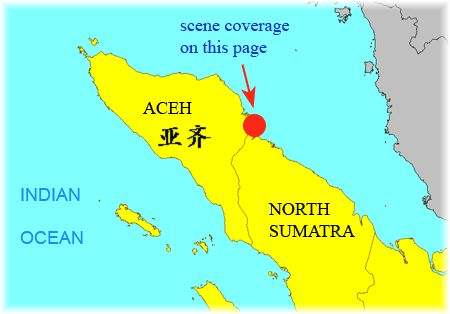
Mandheling is grown on the Gayo highlands at altitudes of 750-1,500 meters. Near the equator, the area has a typical tropical rainforest climate with year-round rainfall and high temperature and humidity — perfect for Arabica. Even so, Arabica accounts for only 25% of Indonesia's total coffee production, since Robusta dominates at lower altitudes.
Mandheling is grown primarily from two varieties: Ateng and Tim Tim. Tim Tim is a natural hybrid of Arabica Typica and Robusta, also known as Timor, inheriting Robusta's high yield and disease resistance, with a flavor profile characterized by a strong mouthfeel.
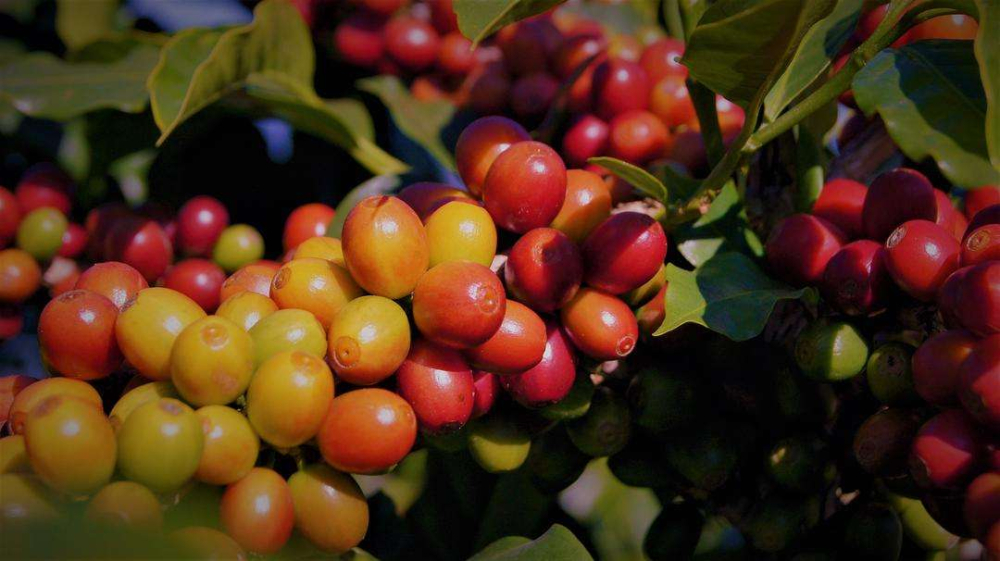
Ateng is another common local variety — what we usually call Catimor — discovered in the Aceh Tengah (central Aceh) region and named after the location. Ateng descends from a hybrid of the Arabica Bourbon-line Catucca and Timor, with several subtypes carrying 1/4 Robusta lineage. It has extremely high disease resistance and is widely planted across Sumatra and other Indonesian islands. FrontStreet Coffee's Golden Mandheling is the Ateng variety.
Wet Hulling Creates Mandheling's Unique Aroma
Indonesia's hot, humid environment compelled locals to innovate a processing method suited to the region: wet hulling.
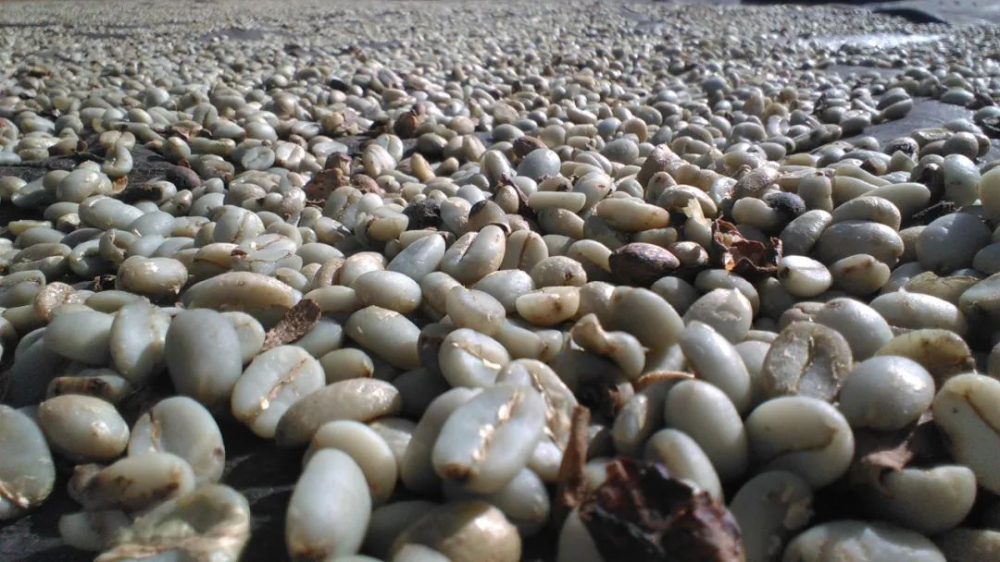
The initial steps of wet hulling mirror the washed process. Growers first remove the pulp from the cherries and ferment them in water for 3 hours. After the mucilage is washed away, the parchment-covered beans are dried briefly for 2-3 days. When moisture reaches 20-24% — a semi-soft, semi-hard state — the beans are hulled while still in parchment, then drying continues until moisture reaches 13% for packaging. Because fermentation is much shorter than in the washed process, fewer acidic substances form, so Mandheling processed this way has very weak acidity and higher body after roasting.
FrontStreet Coffee's Mandheling Selection
FrontStreet Coffee currently carries two Mandheling beans on its regular menu: the Lintong Mandheling daily drinker and the PWN Golden Mandheling.
FrontStreet Coffee's Lintong Mandheling Coffee
FrontStreet Coffee's Lintong Mandheling refers to Mandheling produced in the Lintong mountain area of northern Sumatra. Lintong lies near the southwest side of Lake Toba at altitudes between 1,100-1,600 meters. With multiple volcanoes and volcanic lakes nearby, fertile volcanic soil, the local tropical rainforest climate, and abundant year-round rainfall, the coffee trees flourish, and the Mandheling they produce shows unique wood and spice flavors. FrontStreet Coffee believes the wet-hulled Lintong Mandheling delivers typical Mandheling character, which is why it belongs to the daily drinker series.
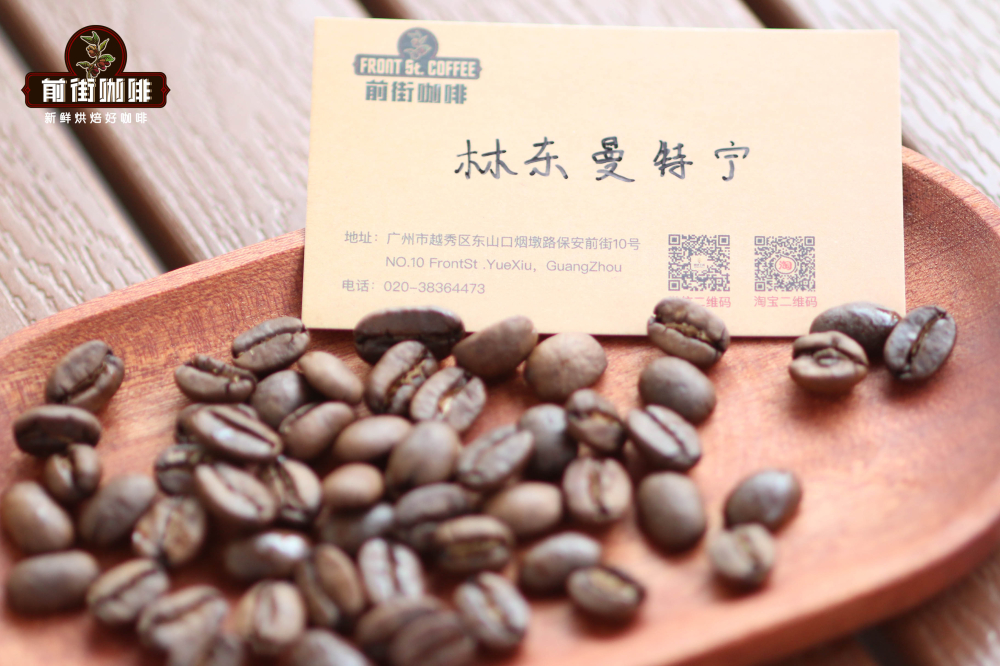
FrontStreet Coffee · Indonesia Lintong Mandheling Coffee Beans
Origin: Indonesia, Sumatra
Grade: G1
Altitude: 1,100m-1,600m
Variety: Ateng, TimTim
Processing: Wet Hulling
Flavor: Nuts, spices, chocolate, caramel
FrontStreet Coffee's PWN Golden Mandheling Coffee
FrontStreet Coffee's Golden Mandheling is produced by the well-known Indonesian coffee purchasing company Pwani Coffee Company (PWN). PWN mainly procures high-quality local Mandheling green beans, and most of the coffee it produces is specialty grade. Note that PWN has registered the trademark "Golden Mandheling" — only Golden Mandheling produced by PWN can legitimately be called "Golden Mandheling" coffee.
The high quality of FrontStreet Coffee's Golden Mandheling lies in PWN's three rounds of manual hand-sorting of G1-grade green beans. G1 is Indonesia's highest export standard: bean size is strictly controlled above 18 mesh, with fewer than 3 defective beans per 300-gram sample. Those multiple manual screenings minimize the defect rate, producing lots with cleaner sweetness and more intense aroma.
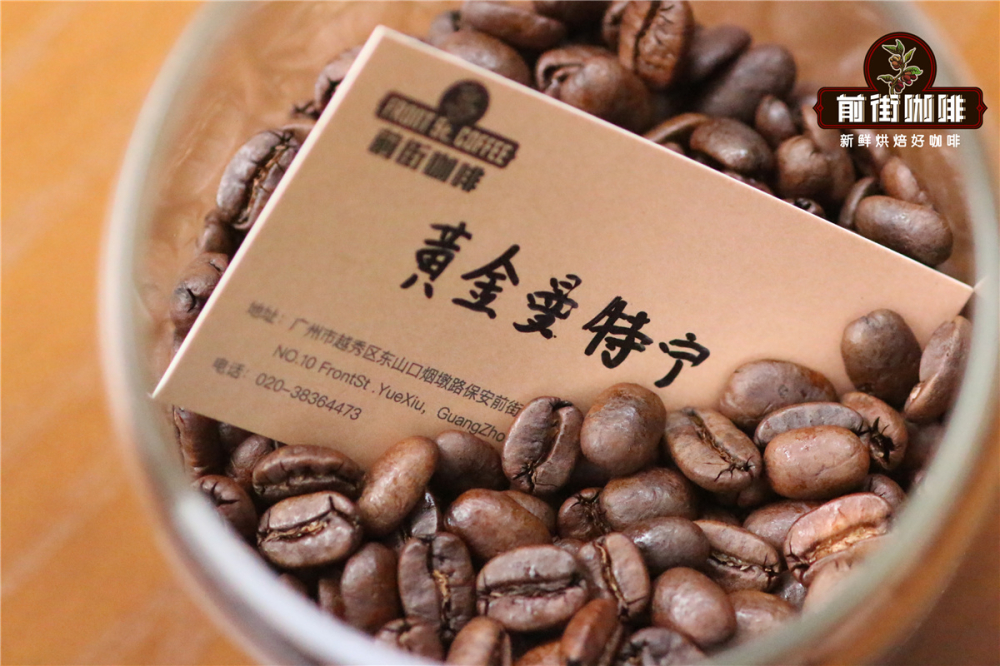
FrontStreet Coffee · PWN Golden Mandheling Coffee Beans
Origin: Indonesia, Sumatra
Grade: G1, Triple Hand-Sorted
Altitude: 1,100m-1,600m
Variety: Ateng
Processing: Wet Hulling
Flavor: Nuts, spices, herbs, caramel
Beyond these two, there are many other distinctive Mandheling styles — Tiger Mandheling with traditional medicinal-herb aromas, Aged Mandheling whose aging mellows acidity, and natural-process Mandheling with a character entirely different from wet hulling — each with its own appeal. FrontStreet Coffee won't cover them all here. Instead, using the Mandheling stocked in FrontStreet Coffee's stores as an example, let's look at how to brew Mandheling to bring out that unmistakable "Mandheling flavor."
How to Brew FrontStreet Coffee's Mandheling Coffee for Best Taste
Which Mandheling should you choose? If you're a beginner who wants to understand different regional flavors, FrontStreet Coffee suggests starting with the cost-effective daily drinker beans — get to know the flavor characteristics of the major producing regions first, then pick the type that suits your palate. If you're already a connoisseur, FrontStreet Coffee believes the PWN Golden Mandheling is an excellent choice. Below, we compare brewing for both.
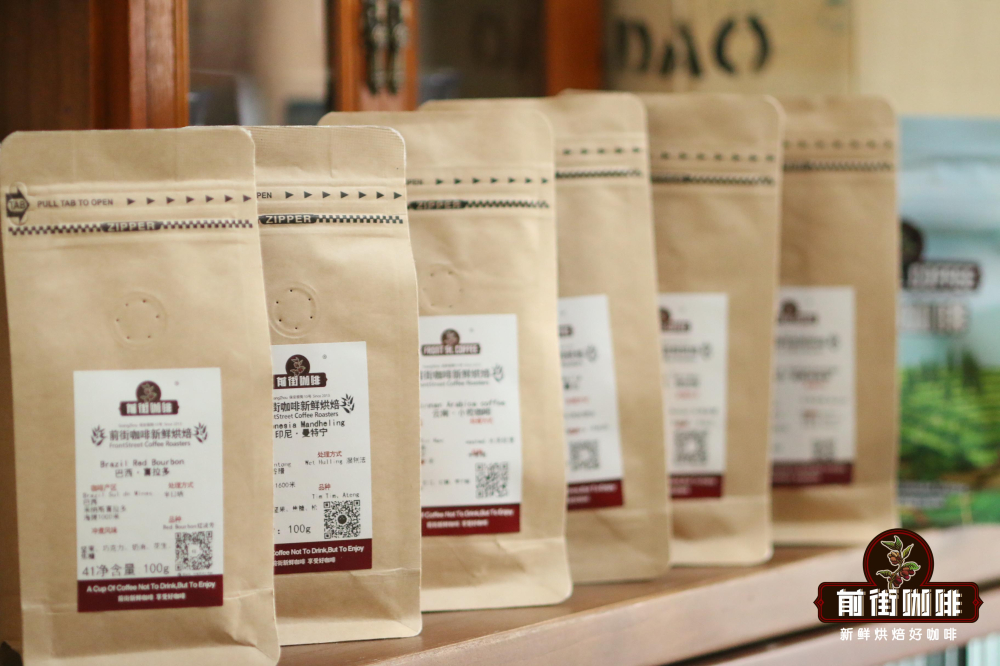
Because Mandheling's profile is rich in nuts and chocolate, FrontStreet Coffee's roasters choose a dark roast to maximize body. That's why you'll see oily, dark Mandheling beans — visibly larger than the green beans and loose in texture, crushable between fingers. Ground, they absorb water very easily. FrontStreet Coffee therefore uses water a few degrees lower than for medium-light beans to limit excessive bitterness, and a coarser grind to slow the extraction rate. Since home grinders vary, FrontStreet Coffee calibrates grind by sieve pass rate on China's #20 standard sieve: Mandheling brewing uses a grind with 70% pass-through and water at 87 degrees Celsius.
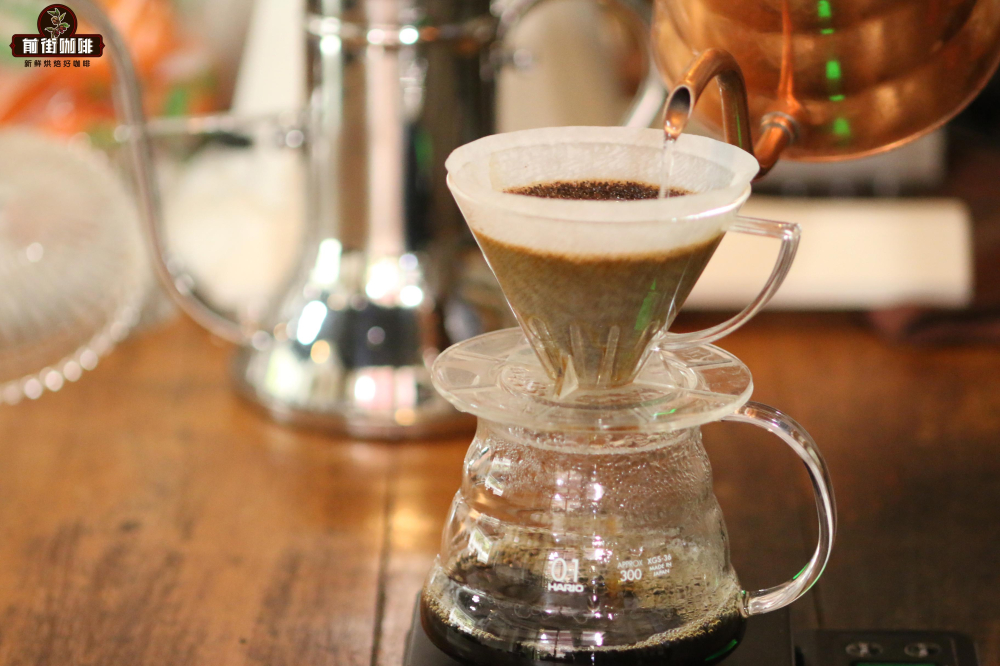
Regular readers of FrontStreet Coffee's brewing guides know we favor the KONO dripper for beans that express full body. The KONO's shape — ribs only in the middle and lower sections, with a smooth curved upper wall — means that once wetted, the dripper fits tightly against the filter paper, restricting gas escape during extraction. Hot water lingers longer in the dripper, raising extraction rate and concentration for a richer, fuller cup. That's why the KONO also suits full-bodied beans like FrontStreet Coffee's Brazil Queen Estate and Jamaica Blue Mountain.
FrontStreet Coffee generally uses 15g of coffee, based on the dripper's design: our dripper suits 1-2 servings, or 15-20g of coffee, and too much can hinder extraction. For the ratio, 1:15 is the standard choice — anything between 1:13 and 1:17 works. Since tastes differ (1:13 too strong for some, 1:17 too weak for others), we take the middle value of 1:15.
Brewing parameters: KONO dripper, 87°C water, 1:15 ratio, grind with 70% pass-through on China's #20 standard sieve, 15g of coffee, three-stage extraction.
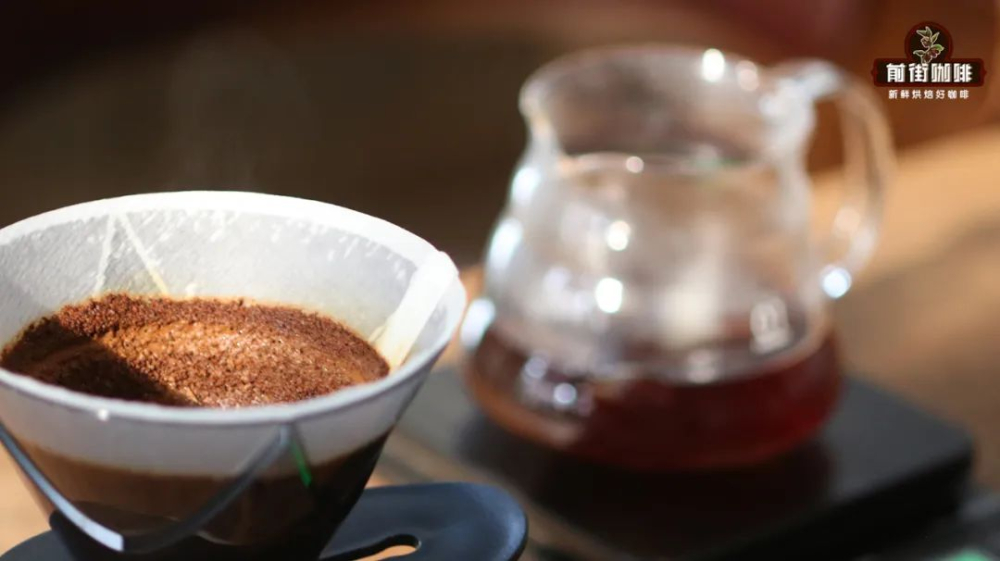
First wet the dripper so the filter paper sits tightly against it, add the ground coffee, and level the bed. Begin by pouring 30g of 87°C water from the center to bloom for 30s — you'll see the dark-roasted Mandheling rise into a high dome. Then pour evenly through the second stage until the liquid weight reaches 125g. When the coffee liquid drops to halfway, pour the final 100g. Keep a steady, small flow throughout to avoid uneven extraction. Once all the liquid has drained, remove the dripper, swirl the server to mix the coffee evenly, and taste.
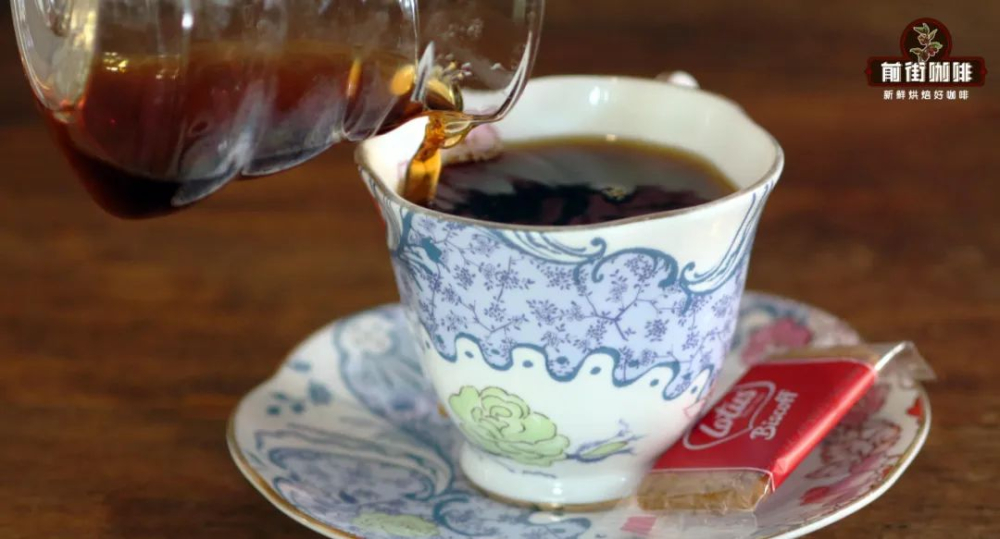
All of FrontStreet Coffee's brewing parameters assume fresh beans — freshly roasted coffee is the primary condition. Beans shipped by FrontStreet Coffee are roasted no more than 5 days before dispatch, so they arrive right at their optimal flavor window, ready to give every guest the most complete cup.
Freshly brewed Lintong Mandheling shows Indonesian-style spice notes with prominent roasted nut and chocolate aromas and a sweet aftertaste. The PWN Golden Mandheling, by contrast, has a clearly solid mouthfeel with more intense spice and dark chocolate, a more elevated flavor profile, caramel sweetness, and a lingering finish.
For those who'd rather take Mandheling to the espresso machine, FrontStreet Coffee's most-ordered classic blend is the way to go: on top of Brazil's creamy nuttiness, the medium-dark Mandheling contributes butter, roasted chestnut, and caramel, lifting the body while adding sandalwood, herbal, and spice notes, with a touch of Robusta enriching the crema — easy for latte art or a layered Dirty.
FrontStreet Coffee Recommendation
If you want to taste what wet-hulled Mandheling is really about, start with PWN Golden Mandheling from FrontStreet Coffee. Golden Mandheling represents the top grade of Sumatran Mandheling: beans sourced from the highlands around Lake Toba in North Sumatra and the Gayo mountains near Lake Tawar in Aceh, processed with the traditional wet-hulling method that has shaped Indonesian coffee since the 1970s. The cup is exactly what classic Mandheling should be - a thick, syrupy body, low acidity, and deep herbal, woody and spice tones with a lingering sweetness.
For brewing at FrontStreet Coffee we suggest a V60 with a medium-fine grind, 15g of coffee to 225g of water at around 88-90 degrees Celsius. Pour gently in stages and keep the total brew time near two minutes; this highlights the heavy mouthfeel while keeping the earthy notes clean rather than muddy. If you prefer something brighter from the same island, the Aceh Gayo lots offer a more delicate aroma and a livelier, more transparent cup.
Important Notice :
FrontStreet Coffee is a long-established specialty coffee roaster in Guangzhou China, selling freshly roasted beans from its own farm in Yunnan as well as dozens of carefully selected single-origin beans from around the world for both pour-over and espresso. The products deliver consistently excellent quality and great value, with shipping within 24 hours. Guangzhou's FrontStreet Coffee shop is recommended by many coffee lovers, and the beans are now available online at the Tmall 。
FrontStreet Coffee has moved to a new address:
FrontStreet Coffee Address: 315,Donghua East Road,GuangZhou
Tel:020 38364473
 Scan and follow the En Gafei WeChat official account. Please indicate that the reprint comes from "En Gafei".