Why Does Costa Rican Coffee Taste Sweeter? What's the Best Brewing Method for Geisha Variety Coffee?
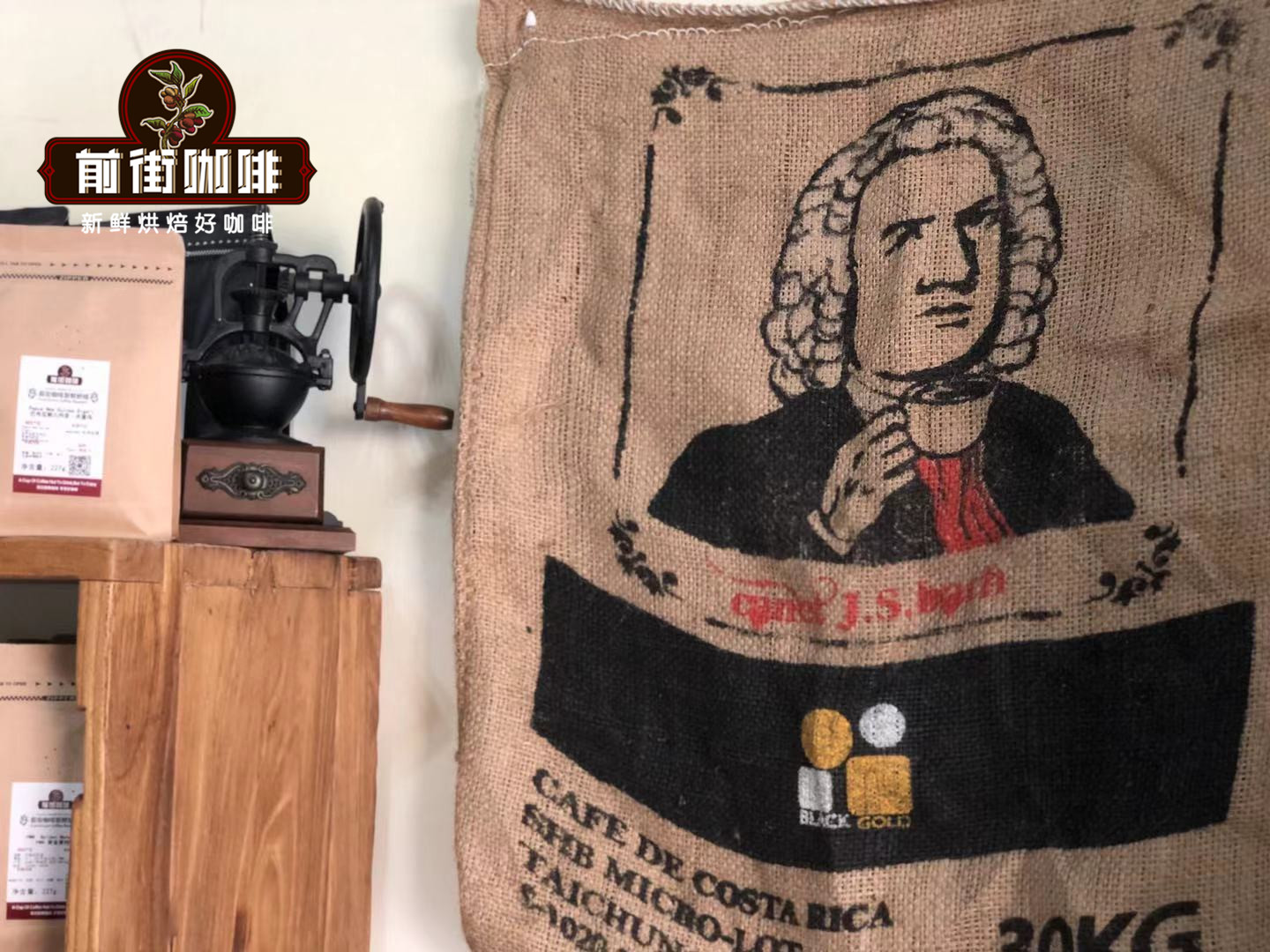
Geisha coffee originated in Ethiopia and was perfected in Panama, captivating the specialty coffee world with its enchanting floral aroma and bright fruit acidity. The variety has since attracted growers in many high-altitude countries, including its Ethiopian homeland and Costa Rica with its rich volcanic soils. FrontStreet Coffee has sourced several Geisha lots from Costa Rica — most famously the Little Candle Estate Geisha and the Mirazu Estate Geisha blend. This article explores the character of Costa Rican Geisha.
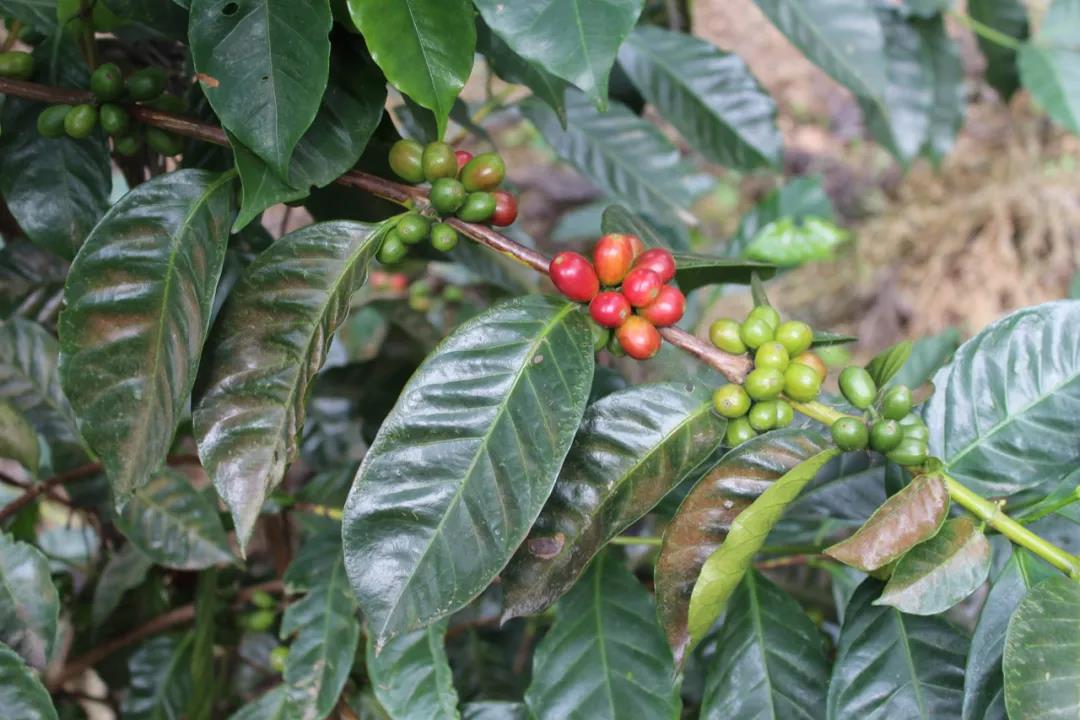
Costa Rican Geisha Is Grown Mainly in the Tarrazu Region
Tarrazu sits in the fertile volcanic belt of Central America, with a humid climate, fertile volcanic soil, abundant annual rainfall, high altitude, and dense natural forest shade — an exceptional growing environment. Although many estates operate within Tarrazu, each expresses its own microclimate, soil variation, and varietal character quite distinctly. These natural differences are exactly why FrontStreet Coffee keeps seeking out different beans from the same region for comparison.
First, Mirazu Estate
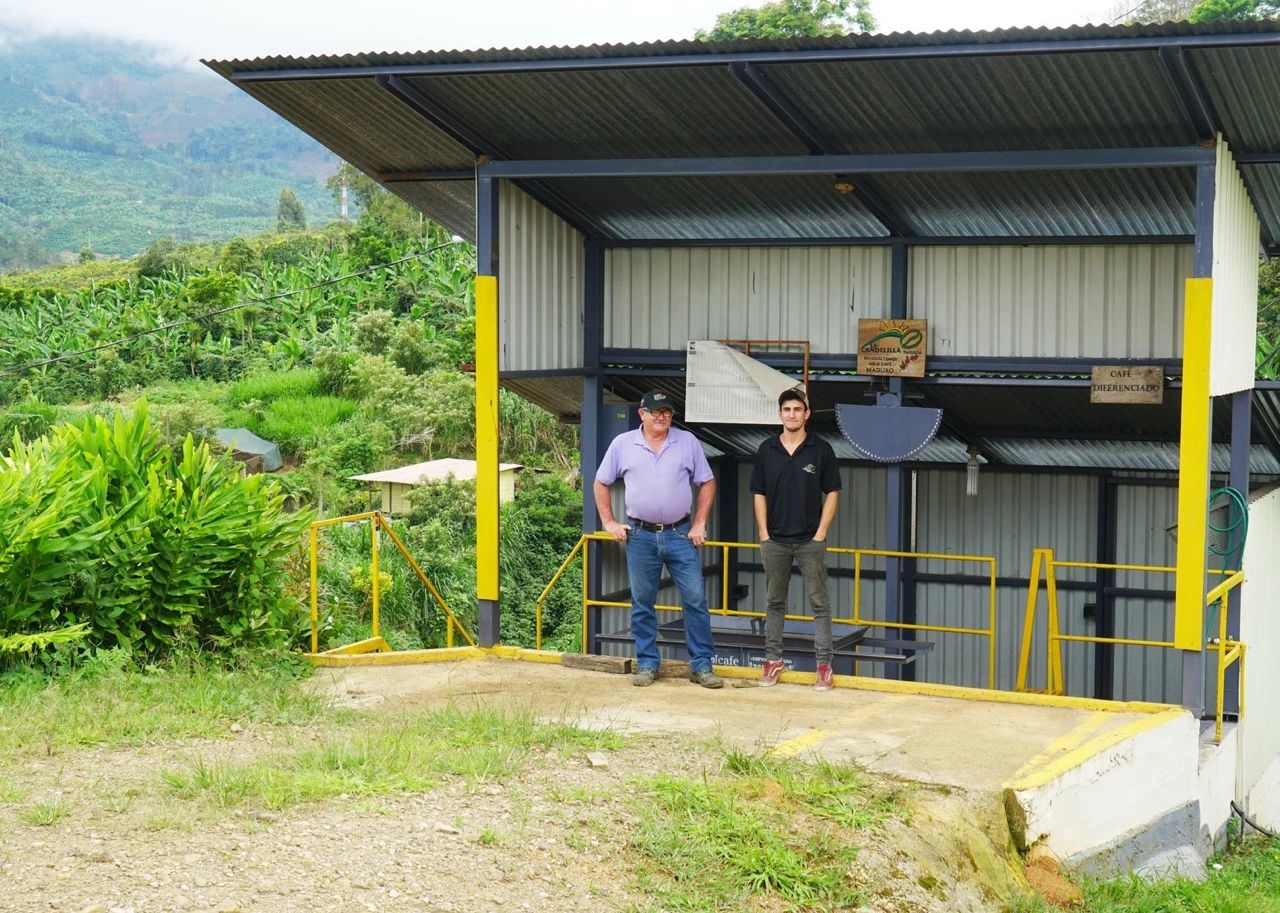
Mirazu means "overlooking Tarrazu." Perched at 1700m, the estate's scenery is stunningly magnificent, and its microclimate was carefully chosen by the owner, laying an excellent foundation for bean quality. Mirazu lies near the Little Candle Estate, and Esteban Sanches, the owner of Mirazu, was one of the founders of the Little Candle Estate. A scientifically minded grower with a professional background, he especially enjoys researching coffee varieties: he established Mirazu nearby to cultivate varieties such as the Ethiopian-native ET47 and to trial a range of processing methods. The small wet-mill machines at his processing plant were designed and assembled by Esteban Sanches himself.
Next, the Little Candle Estate
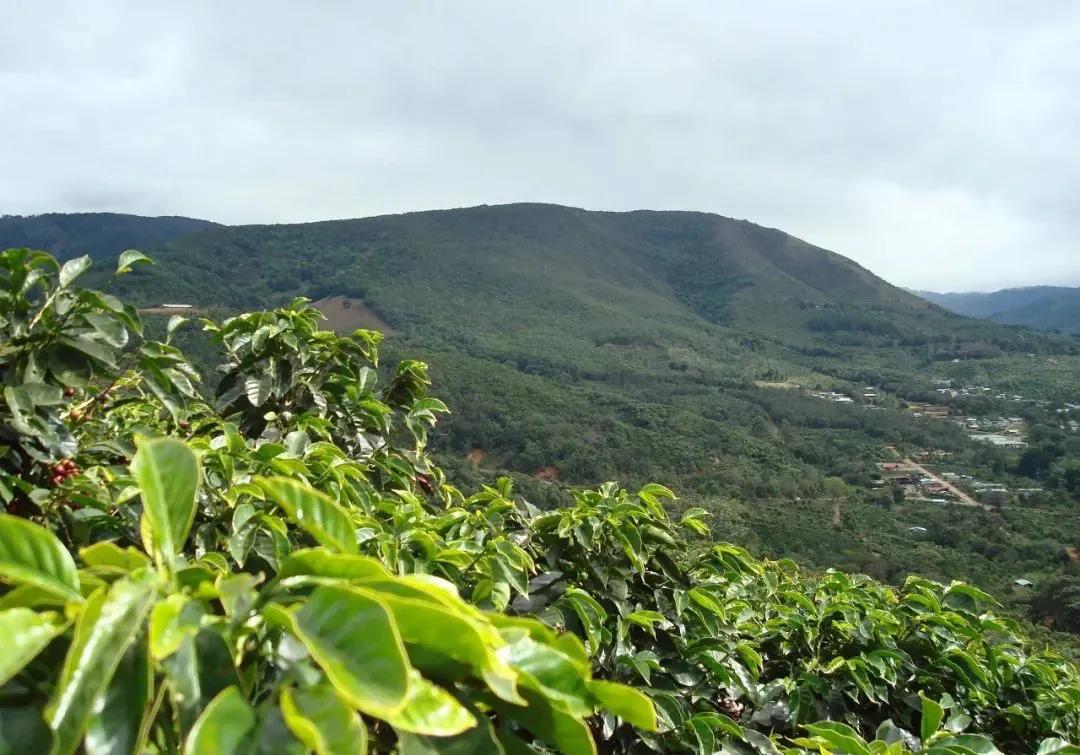
The name "little candle" comes from the group of sparkling fireflies nearby. Water is abundant and humidity high around the estate, and the shade the coffee trees provide creates an ideal firefly habitat. The Little Candle Estate sits in Tarrazu at 1750m, where fertile volcanic soil, mild temperatures, and stable, plentiful rainfall give the trees excellent growing conditions. The estate's microclimate and its wide day-night temperature difference let the cherries accumulate nutrients and develop more refined flavors. FrontStreet Coffee believes this high-altitude environment with large temperature swings is exactly what Geisha trees want: slower growth extends flavor formation, producing a richer brewed cup. The delicate fragrance of high-altitude Geisha simply cannot be replicated at low elevations.
Coffee Varieties
The Mirazu Estate Geisha blend FrontStreet Coffee acquired uses Geisha, ET47, SL28, and Maico. As long as the beans come from the same origin and the same estate or cooperative, they can still be defined as single-origin coffee. The ET47 variety deserves a special mention: ET47 was simply laboratory number 47, since many varieties introduced in the same period were distinguished by numbers. Estate owner Esteban Sanchez obtained ET47 and devoted himself to researching it — a complex composite carrying fruity sweetness, a rounded and clean mouthfeel, and elegant, pleasant acidity. As for ET47's "ancestors," the Costa Rican Coffee Research Institute has never published that information.

Since this article is about Costa Rican Geisha, a brief introduction to the variety is essential. Geisha was originally collected from the coffee forests of Ethiopia in the 1930s. In 1953 it was brought to the Tropical Agricultural Research and Higher Education Center (CATIE) in Central America, where it was recorded as T2722. However, its brittle branches made it unpopular with farmers, so it was not widely cultivated.
Processing Methods
The Little Candle Estate Geisha uses the washed process, chosen by the estate owner to highlight the beans' bright acidity and florals. Selected cherries are run through a depulper to remove skin and pulp; beans still carrying pulp and mucilage ferment in water for about 24 hours; after fermentation, the parchment beans are washed in flowing channels to remove the residue; then they are sun-dried or machine-dried to about 12% moisture. Finally, the parchment is removed.
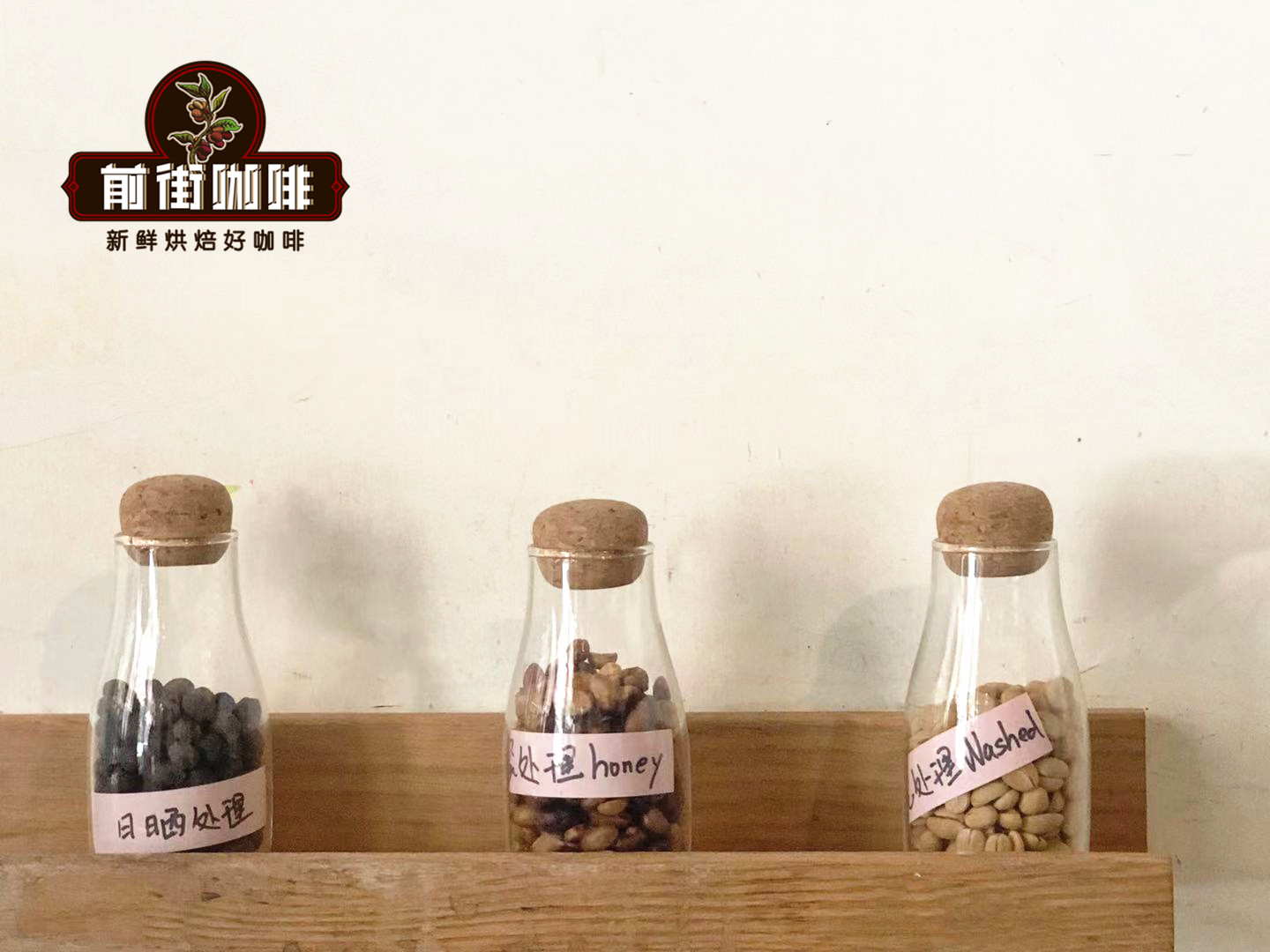
The Mirazu Geisha blend uses the raisin honey process. The owner first selects the harvested cherries and dries them on raised beds for at least three days, then removes the skin while preserving all the mucilage before further drying. The beans must be turned constantly for even drying, but the turning frequency is controlled so they dry slowly enough to ferment without over-fermenting. FrontStreet Coffee's cupping found that raisin honey processing — which sun-dries the beans with 100% of the mucilage intact — produces very high sweetness plus a fermented, preserved-fruit sweetness.
FrontStreet Coffee Roasting Records
Mirazu Geisha Blend, Yangjia 800N roaster, charge 480g. Preheat to 200°C, load at 175°C, heat at 120, damper at 3; turning point at 1'32", maintain heat; at 114°C keep heat unchanged and open damper to 4. Turning yellow at 6'15" as the grassy aroma disappears — entering the drying stage; reduce heat to 100 at 140°C, damper stays at 4. Drying complete at 9'00": the bean surface shows wrinkles and black markings, the toast aroma shifts to coffee aroma, and first crack is near — listen carefully now. First crack begins at 10'25"; open the damper fully to 5 with heat unchanged. Development after first crack: 1'30", drop at 193.5°C.

Little Candle Estate Geisha, Yangjia 800N roaster, charge 480g. Load at 180°C, heat 130, damper 3; turning point at 1'32"; open damper to 4 once the roaster reaches 130°C, heat unchanged. The bean surface turns yellow at 151.6°C as the grassy aroma fully disappears — entering the drying stage. At 7'56" the beans show pronounced wrinkles and black markings and the toast aroma clearly turns to coffee aroma, the prelude to first crack. First crack begins at 8'30"; open damper to 5, develop 1'28" after first crack, drop at 190°C.
FrontStreet Coffee Brewing Comparison
To compare the two fairly, FrontStreet Coffee brewed both on a V60 dripper: 15g of coffee, 1:15 ratio, 90°C water, medium-fine grind.

FrontStreet Coffee Three-Stage Brewing Method:
Preheat the dripper and server. Add 15g of coffee and gently tap level. First pour: 30g of water, poured in circles from the center, blooming for 30 seconds — ideally the grounds moisten evenly and form a small "coffee dome." After 30 seconds, second pour: a water column 3-5cm high, 95g poured from the center outward in concentric circles, bringing the total to 125g; the liquid surface should be covered in golden coffee foam. When the bed is about to be exposed, make the final pour of 100g, slowly drawing concentric circles with a steady flow. When all the liquid has drained into the server, remove the dripper to finish. Total brew time: 1 minute 55 seconds.

The brewed Geisha blend expresses jasmine, with raisin and strawberry-candy sweetness and a nutty, cream-like mouthfeel, while the Little Candle Estate lot is much fresher — delicate jasmine, lemon acidity, and a honeyed green-tea finish. Choose the Mirazu blend for pronounced sweetness, or the Little Candle Estate for a cleaner cup.
FrontStreet Coffee Recommendation
If Costa Rican Geisha sparks your curiosity about the variety's two homelands, start with Panama — where Geisha made its name in 2003, when Hacienda La Esmeralda's entry stunned the Best of Panama judges with an average cupping score of 94.6, a competition record. FrontStreet Coffee's Esmeralda Red Label ("Esmeralda Special," grown at 1600-1800m, each batch cupping above 90 points) and the more affordable Green Label ("Private Collection") both showcase the classic orange-blossom honey character, juicy fruit acidity, and tea-like finish.
For Ethiopia, the origin, FrontStreet Coffee recommends the medium-light roasted Genlana Estate Geisha from Yirgacheffe — white florals with orange, guava, and citrus — or the estate-level Geisha Village Gold and Red Label lots. For brewing any of these, use 15g of coffee on a small V60 at 1:16, water at 91°C, a medium-coarse grind, and a three-stage pour (30g bloom for 30 seconds, then to 125g, then to 225g) for a total extraction of about 2:10-2:20.
Important Notice :
FrontStreet Coffee is a long-established specialty coffee roaster in Guangzhou China, selling freshly roasted beans from its own farm in Yunnan as well as dozens of carefully selected single-origin beans from around the world for both pour-over and espresso. The products deliver consistently excellent quality and great value, with shipping within 24 hours. Guangzhou's FrontStreet Coffee shop is recommended by many coffee lovers, and the beans are now available online at the Tmall 。
FrontStreet Coffee has moved to a new address:
FrontStreet Coffee Address: 315,Donghua East Road,GuangZhou
Tel:020 38364473
 Scan and follow the En Gafei WeChat official account. Please indicate that the reprint comes from "En Gafei".