Sun-dried Yirgacheffe Gedeb Coffee Bean Characteristics Introduction and Yirgacheffe Pour-over Method Flavor Description
Yirgacheffe: The Signature Flavor of Ethiopian Coffee
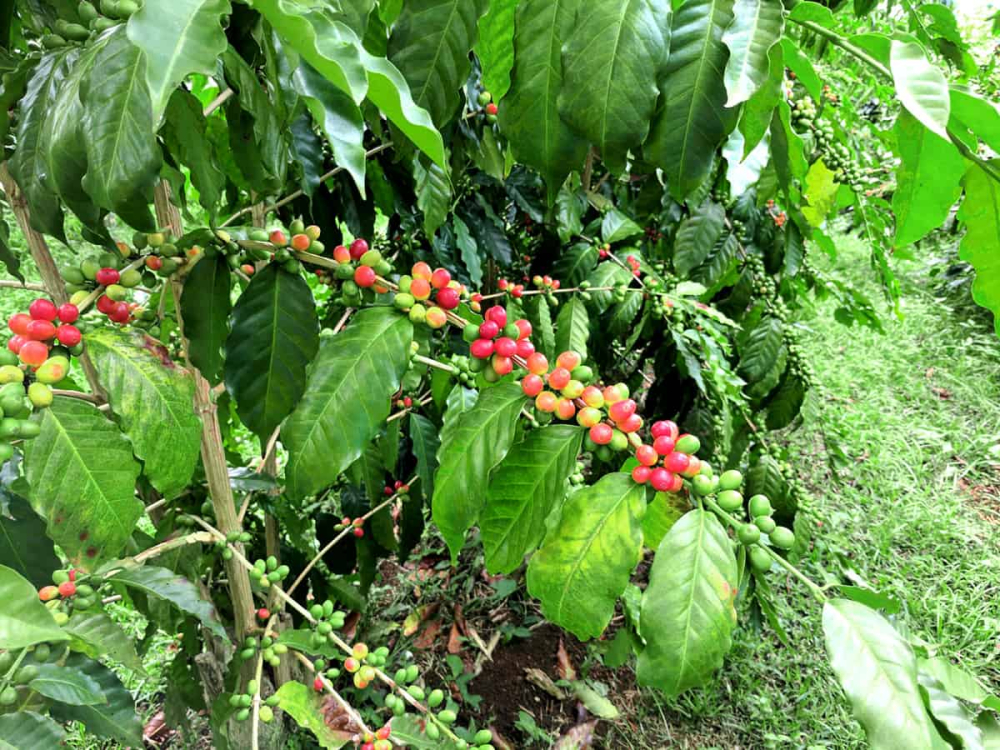
Yirgacheffe is both a coffee-producing region in Ethiopia and a synonym for exceptional coffee flavor. It serves as the gateway bean for many people entering the world of specialty coffee and represents one of the most prominent specialty coffee regions. FrontStreet Coffee's washed Yirgacheffe is particularly beloved among coffee lovers and has consistently maintained its popularity.
As an agricultural product, coffee naturally has a profound relationship with its growing environment. FrontStreet Coffee believes that the unique citrus and floral notes of Yirgacheffe are intimately connected to its special geographical conditions. Located at altitudes between 1,800-2,000 meters, Yirgacheffe ranks among Ethiopia's highest-altitude coffee-producing regions. Situated in the northwestern part of Sidamo, Yirgacheffe was originally classified under the broader Sidamo region but later gained independence as its own distinct region due to its outstanding flavor profile. While Yirgacheffe is merely a small town in Ethiopia, the Yirgacheffe coffee-producing region extends beyond the town itself to include legal areas such as Wenago, Yirgacheffe town, Kochere and Genena Ambaya.
The Rich Diversity of Ethiopian Coffee

Friends familiar with FrontStreet Coffee might notice that our collection includes over a dozen different Ethiopian single-origin coffees. Why do we source so many varieties from one producing country? Because Ethiopia, as the birthplace of coffee, harbors an incredible diversity of varieties. Each microregion's unique climate creates distinct flavor profiles, which is precisely why FrontStreet Coffee has curated such an extensive selection of Ethiopian single-origin beans.
As a representative of Ethiopian washed coffees, FrontStreet Coffee's washed Yirgacheffe might lead some to assume that all Ethiopian Yirgacheffe beans are washed. In reality, Yirgacheffe beans originally employed the most traditional natural processing method. After the Ethiopian government introduced washing methods from Central and South America, however, the quality of Yirgacheffe beans improved dramatically, showcasing bright, uplifting acidity and distinctive white floral notes that quickly attracted a loyal following. Perhaps the washed Yirgacheffe became Ethiopia's "viral coffee" overnight. Even so, the naturally processed coffees from the Yirgacheffe region are equally impressive, with a special Red Cherry Project dedicated to natural processing.
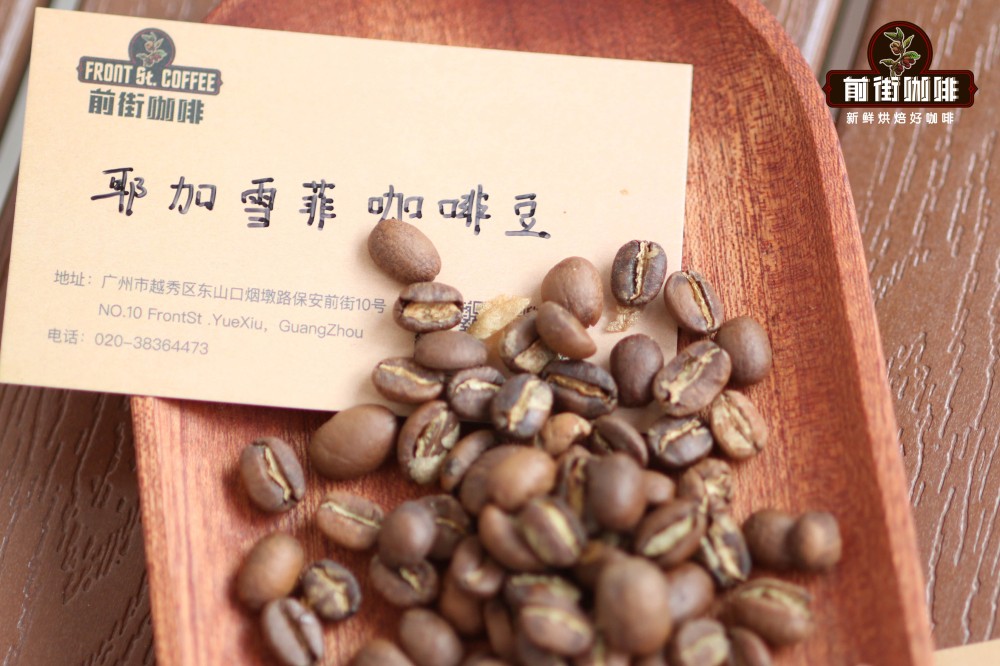
FrontStreet Coffee believes that washed processing yields cleaner, brighter flavors, while natural-processed Yirgacheffe excels in aromatic intensity. Both processing methods are widely appreciated, with neither superior to the other.
Banko Gotiti Cooperative

The Banko Gotiti Cooperative, located in the Woreda region at the southeastern end of Yirgacheffe, was originally part of the Yirgacheffe Coffee Farmers Cooperative Union (YCFCU)'s Woreda cooperative. As the pursuit of traceability in green coffee grew, "single-origin" designations were gradually uncovered by coffee hunters worldwide.
In 2012, Banko Gotiti, with approximately 300 member farmers, became an independent cooperative. Banko Gotiti village was among the first areas to gain independence, and many small-scale farmers had been original members of the Woreda cooperative, ensuring their expertise in coffee production. Known as the last pristine territory of Yirgacheffe, the Banko Gotiti Cooperative employs very traditional processing methods, both washed and natural.

Currently the Banko Gotiti Cooperative comprises approximately 300 farmers, all exceptionally skilled, experienced and wise. Each farmer typically harvests from 1-2 hectares of land, with most processing their coffee using traditional natural methods. The Woreda cooperative is located in a remote area within the Yirgacheffe region, 75 kilometers from the local coffee collection center in Dilla town. Initially established by 305 farmers with planting areas covering 763 hectares and annual production of nearly 460 tons, it is a smaller-scale farmers' cooperative. Because no chemical fertilizers or pesticides are used during cultivation, Woreda small-scale farmers have obtained SKAL organic coffee certification recognized by the European Union. These coffees not only hold organic and fair trade certifications, but some even come from coffee trees growing at altitudes as high as 2,300 meters. Such unique terroir creates these unparalleled Ethiopian coffee flavors.
Ethiopian Yirgacheffe Processing Methods

FrontStreet Coffee's current batch of Banko Gotiti cooperative beans uses washed processing. After removing the cherry's skin and pulp with a pulping machine, the beans are placed in fermentation tanks for 18-36 hours until the mucilage layer decomposes (the duration varies with local temperature and humidity). The parchment beans are then washed through channels for 30-60 minutes.
At this stage, channel design combined with water flow removes low-density, lower-quality beans. The high-quality parchment beans are then placed on African raised beds to dry for approximately 14 days. After drying, they are stored in the processing station's warehouse until export, when the parchment beans are transported to a dry mill for hulling. They undergo a series of complex screening processes—foreign matter removal, silver-skin polishing, gravity separation and color sorting—before being bagged for export.
Traditionally, farmers would harvest coffee cherries and place them directly on patios or spread them on the ground, drying them under direct sunlight until the cherries reached approximately 12% moisture content, after which they could be sent for hulling and packaging. Coffee processed this way often showed earthy flavors, over-fermentation and rotten fruit notes. To reduce these defects caused by sun-drying, Ethiopia introduced washed processing technology from Central and South America.

Washed processing involves pouring coffee cherries into water tanks, removing floating unripe cherries, mechanically removing the fruit skin, and placing the beans in clean water tanks for fermentation. The acidic substances produced during fermentation help the mucilage layer detach. The parchment beans are then thoroughly rinsed with clean water and finally dried in sunlight. During washing, multiple steps remove defective beans, resulting in cleaner acidity in the cup.
Natural Red Cherry Coffee

The "Red Cherry Project" was initiated in 2007 by the Dutch trading company Trabocca BV to improve the quality of Ethiopian coffee.
This project focuses on improving processing techniques (washed, semi-washed, natural) in high-altitude regions like Yirgacheffe, Ethiopia. It involves professional cuppers who establish different harvest volumes for various microclimate zones during the harvest season. Only 100% mature red coffee cherries may be harvested, with yields typically between 1,500-3,000 KG. The economic loan support, new hardware equipment and production knowledge provided by Trabocca have significantly improved the quality of coffee in the Yirgacheffe region and even throughout Ethiopia. Consequently, the coffees command higher prices, thereby increasing farmers' income.
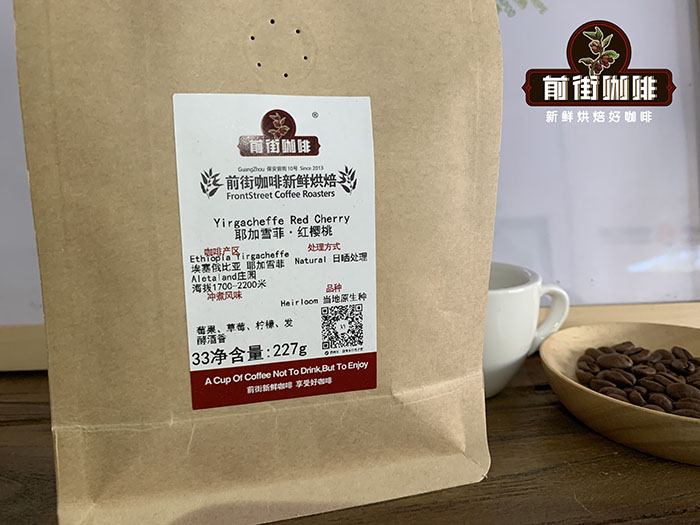
FrontStreet Coffee's natural Yirgacheffe Red Cherry beans are selected from full red-cherry natural processing at the Aletland farm. The green beans appear light yellow, full-bodied and complete in appearance, with low defect rates and G1 grade. FrontStreet Coffee's natural Yirgacheffe offers more intense flavors and richer complexity, featuring fermented wine-like notes and higher sweetness.
Coffee Varieties
Regarding Ethiopian coffee bean size, observant friends might notice that Ethiopian beans are less uniform than Colombian beans. This is because Ethiopia is coffee's birthplace and Arabica's natural gene bank, containing an incredible diversity of varieties. Variety identification and classification are also challenging, and the Ethiopian government, considering conservation, is reluctant to disclose this information. Therefore, many Ethiopian coffees are simply labeled as local Heirloom varieties.
FrontStreet Coffee's Yirgacheffe Brewing Parameters
Considering that Yirgacheffe coffee should showcase acidity as its primary flavor direction, FrontStreet Coffee employs medium-light roasting. FrontStreet Coffee's washed Yirgacheffe Banko Gotiti cooperative beans use light roasting to preserve more bright acidity and white floral notes, while FrontStreet Coffee's natural Yirgacheffe Red Cherry beans use medium-light roasting to present rich berry sweetness.
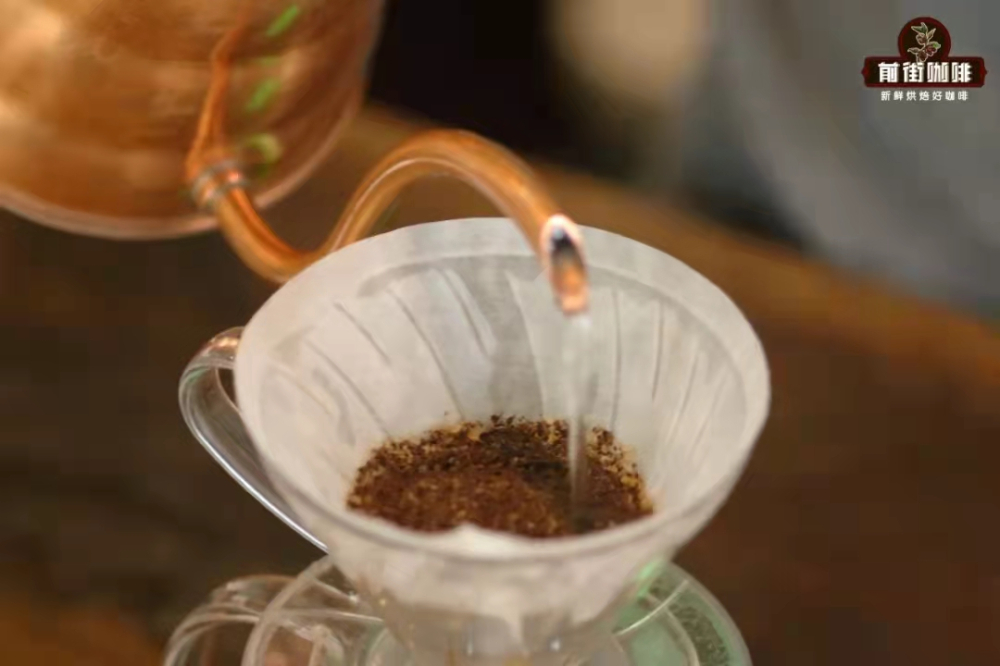
Because Yirgacheffe uses light roasting, the beans are relatively hard and require high-temperature water at 91°C to extract the floral and fruity notes. FrontStreet Coffee recommends a medium-fine grind (80% pass-through rate on Chinese standard #20 sieve). Too coarse a grind fails to extract body compounds, resulting in thin coffee. Too fine a grind can lead to over-extraction at high water temperatures, producing bitter and astringent coffee.
FrontStreet Coffee's specific brewing parameters are: V60 dripper, water temperature 91°C, water-to-coffee ratio 1:15, coffee dose 15g, medium-fine grind (80% pass-through rate on Chinese standard #20 sieve).

FrontStreet Coffee's staged extraction technique: First, use 30g of water to fully saturate the coffee bed into a "hamburger" shape and bloom for 30 seconds. In the second stage, at 1:00 on the timer, pour water to 125g, then wait until the water level drops to 2/3 of the coffee bed before the third stage. In the third stage, at 1:40 on the timer, pour water to 225g. Wait for the coffee to finish dripping completely, with a total extraction time of 1:59 and a total brewing time of 2:00. After extraction completes, gently swirl the server to ensure the coffee is fully mixed before tasting.
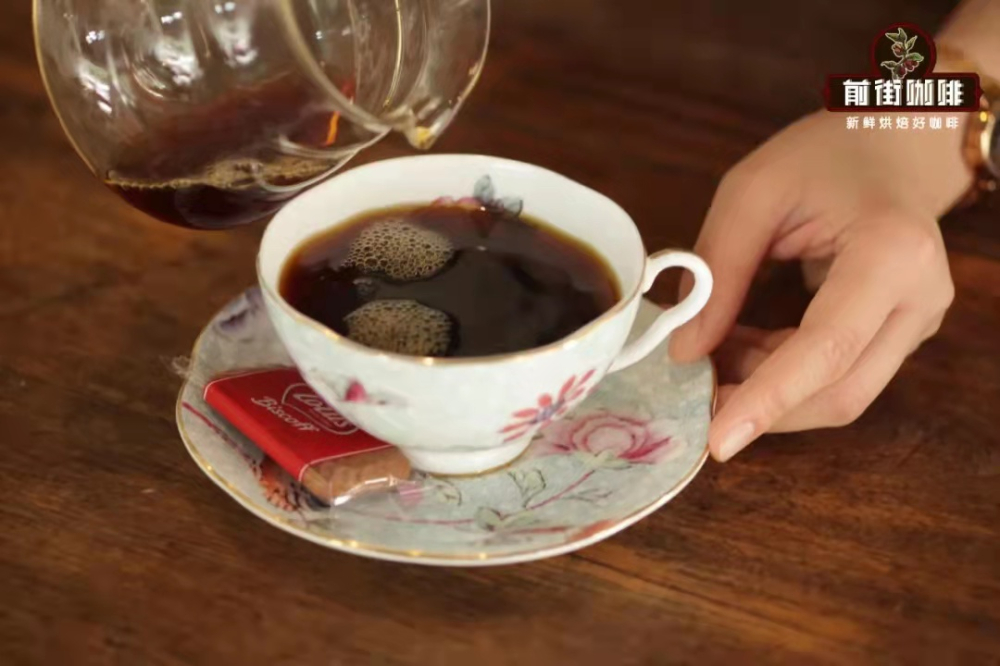
FrontStreet Coffee's washed Banko Gotiti flavor profile: when hot, it shows berries, cream, honey, citrus and a juice-like mouthfeel with bright acidity. As it cools slightly, it shows berries, cream, smoothness and citrus.
FrontStreet Coffee's natural Red Cherry flavor profile: lemon, citrus, berries and sweet orange, with overall higher sweetness. The aftertaste features caramel and cream notes, with a finish carrying black tea aromatics.
FrontStreet Coffee's Brewing Recommendations

To brew a delicious cup, attention to bean freshness is essential. FrontStreet Coffee has always believed that freshness greatly affects coffee flavor, so FrontStreet Coffee ships all beans roasted within 5 days. FrontStreet Coffee's roasting philosophy is "Freshly Roasted Good Coffee," ensuring every customer receives the freshest coffee possible. The coffee's resting period is approximately 4-7 days, so when customers receive their order, it is at peak flavor.
For customers who need ground coffee, FrontStreet Coffee offers a gentle reminder: pre-ground coffee doesn't require additional resting time, as the pressure from carbon dioxide buildup in the package during transport also helps round out the flavor. So you can brew a cup immediately upon receiving ground coffee. Ground coffee should be brewed promptly, however, because it oxidizes quickly when exposed to air, meaning its flavor will dissipate rapidly. FrontStreet Coffee therefore recommends buying whole beans and grinding fresh before brewing to better experience the coffee's flavor.
Whether natural or washed, FrontStreet Coffee's Yirgacheffe offers distinct flavor characteristics. FrontStreet Coffee believes that washed processing better represents the authentic local coffee flavor, which is why FrontStreet Coffee's daily bean series features a washed Yirgacheffe as a staple. FrontStreet Coffee offers nearly fifty single-origin coffees, including natural, washed, anaerobic, honey and other processing methods—each with different flavor characteristics, letting you experience diverse coffee cultures and styles.
FrontStreet Coffee Recommendation
The Banko Gotiti cooperative and the Red Cherry Project described here sit at the heart of FrontStreet Coffee's Ethiopian range. For the clean, washed expression that this article calls the classic, FrontStreet Coffee's washed Yirgacheffe is the daily bean to start with: white jasmine, bright citrus and lemon acidity and a clean tea-like body, at a friendly price. To taste the cooperative model in detail, FrontStreet Coffee's washed Gotiti Cooperative coffee comes from the Worka area at the southeastern edge of Yirgacheffe—originally part of the YCFCU Worka cooperative—with jasmine, citrus and berry notes and a refined, tea-like mouthfeel. And to experience the Red Cherry Project's whole-cherry natural approach, FrontStreet Coffee's Natural Red Cherry uses only fully ripe red cherries, dries them on raised beds for three to five weeks and delivers tropical fruit aroma with citrus acidity, berry juiciness, honey sweetness and a creamy texture. Side by side, they are the clearest illustration of the washed-versus-natural contrast this article sets out.
Important Notice :
FrontStreet Coffee is a long-established specialty coffee roaster in Guangzhou China, selling freshly roasted beans from its own farm in Yunnan as well as dozens of carefully selected single-origin beans from around the world for both pour-over and espresso. The products deliver consistently excellent quality and great value, with shipping within 24 hours. Guangzhou's FrontStreet Coffee shop is recommended by many coffee lovers, and the beans are now available online at the Tmall 。
FrontStreet Coffee has moved to a new address:
FrontStreet Coffee Address: 315,Donghua East Road,GuangZhou
Tel:020 38364473
 Scan and follow the En Gafei WeChat official account. Please indicate that the reprint comes from "En Gafei".