What Variety Does Yirgacheffe Gedeb Belong To - Introduction to Konga Woka Cooperative in Yirgacheffe Region

Many people new to coffee have likely heard of "Yirgacheffe coffee" to some degree. When you first encountered the name, did you assume it was a drink category like latte or Americano?
In fact, Yirgacheffe is one of the most famous coffee-growing regions in Ethiopia. Any coffee brewed from beans grown in the Yirgacheffe region can be called Yirgacheffe coffee, regardless of the extraction method. Here, FrontStreet Coffee introduces this producing region that has been a favorite throughout the specialty coffee era.
Where Is Yirgacheffe?
Yirgacheffe is located in southwestern Ethiopia. It was originally a small town belonging to the Gedeo zone — a natural wetland with abundant water resources and an average annual temperature of 15 to 25 degrees Celsius. The wide day-night temperature difference created by its high-altitude environment gives the town the ideal growing conditions required for Arabica coffee.
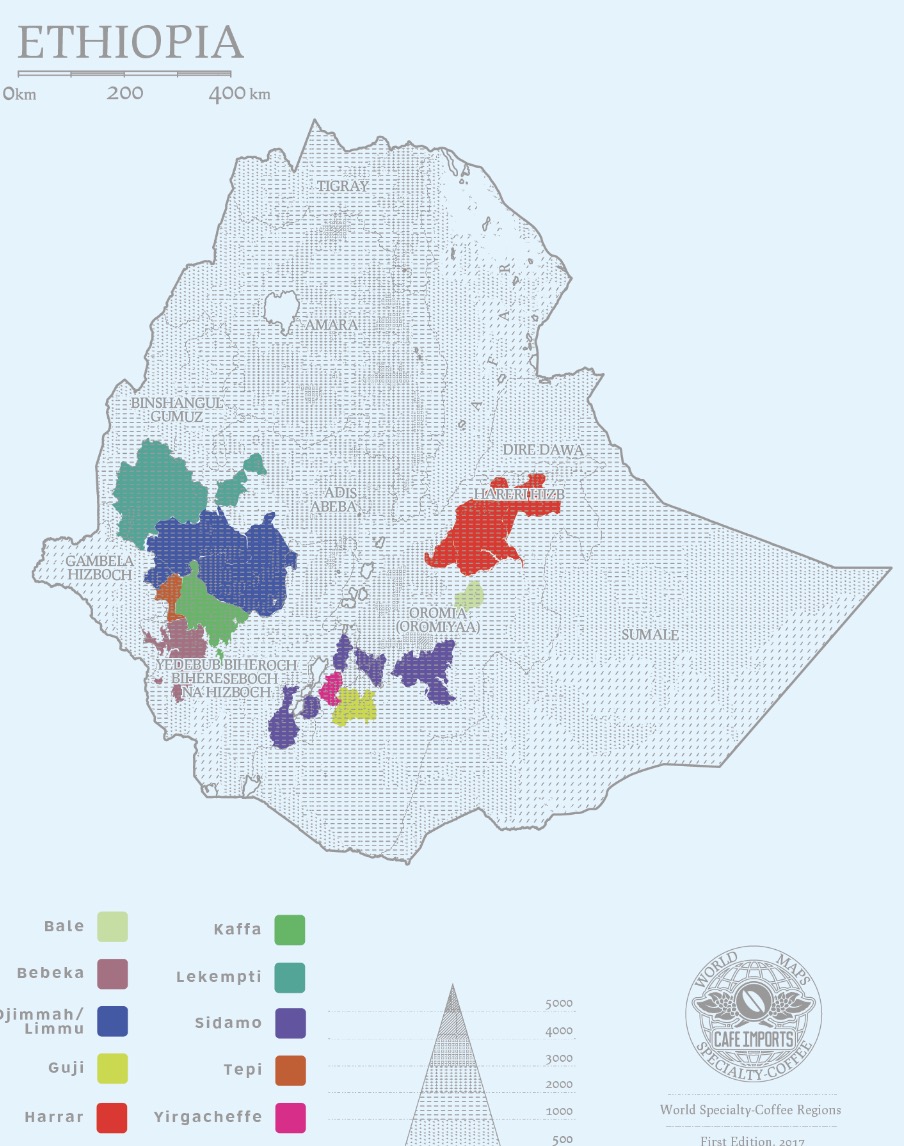
Yirgacheffe town originally belonged to Sidama, another famous coffee-producing region in Ethiopia. As the specialty coffee market's demand for beans with fresh, vivid flavors grew, the Ethiopian government began paying close attention to the coffee coming out of Yirgacheffe town.
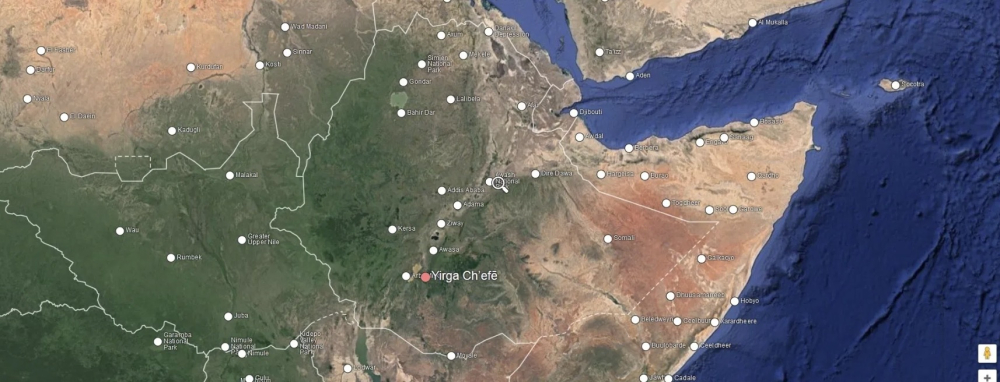
People soon recognized that beans from the Yirgacheffe town area carried unique floral and citrus notes, distinctly different from coffee grown elsewhere in Sidama. Traders began specifically requesting beans from Yirgacheffe town, and in 2010 the Ethiopia Commodity Exchange formally separated the Yirgacheffe region from Sidama — creating the now world-famous Yirgacheffe coffee region.
What Varieties Are Yirgacheffe Coffee Beans?
As the birthplace of coffee, Ethiopia is home to countless varieties that defy precise categorization — many plants still have undetermined genetics and no formal names to this day. The seedlings farmers buy or receive from the government are not sorted by variety either, resulting in a natural "mixed cultivation" of everything together.

Because specialty coffee prizes clear variety identification, most Ethiopian coffee is simply labeled as Ethiopian heirloom varieties. FrontStreet Coffee has noticed that this varietal inconsistency is also why Ethiopian beans vary noticeably in size.
Why Does Yirgacheffe Have So Many Cooperatives? For Fairer Trade!
The Yirgacheffe Coffee Farmers Cooperative Union (YCFCU) was established in 2002 and today has 24 primary cooperatives representing roughly 50,000 farmers.
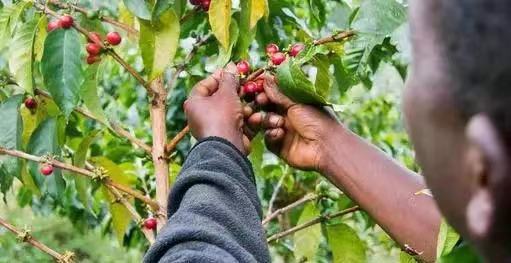
Cooperatives are not bound by the ECX (Ethiopian Commodity Exchange) system for bulk coffee trading, so buyers can select each batch of green beans according to their own preferences and quality standards, and trace detailed records such as producing region and growers. Through this kind of direct trade, buyers and farmers build deeper relationships. Beyond receiving fair compensation, farmers can even obtain material or financial support — such as cherry processing equipment and washing facilities — that helps them produce higher-quality coffee.
Since the Ethiopia Commodity Exchange (ECX) system was introduced in 2008, most green coffee has been sold through its bidding process. Cooperatives, however, fall outside that regulation and can negotiate, bargain, and export directly with buyers. This structure shields member farmers from the low prices imposed by middlemen, and when farmers hit economic hardship, cooperatives can also extend loan assistance — a benefit to both the farmers and the coffee itself.

Ethiopia is full of cooperatives, and each processes its beans with a distinct character. Among them, coffees from the Gotiti, Konga, Werka, Hafursa, and Idido cooperatives are especially beloved by specialty coffee drinkers.
Gotiti Cooperative
Gotiti Cooperative is located in the Worka producing area at the southeastern end of Yirgacheffe. It was originally part of the Werka Cooperative under the YCFCU, but as demand for traceable green beans grew, these "single-village" lots were tracked down one by one by coffee hunters around the world.

In 2012, Gotiti — with about 300 member farmers — formally established itself as an independent cooperative. Gotiti village was among the first to break away, and since many of its small farmers were originally members of the Werka Cooperative, their processing skills are beyond question. Known as "the last unspoiled corner of Yirgacheffe," Gotiti still uses very traditional processing methods (washed and natural).

FrontStreet Coffee sells a washed lot from Gotiti Cooperative that shows bright citrus acidity, white floral notes, honey-like sweetness, and a green-tea finish.
Konga Cooperative
Konga Cooperative is located in the Gedeo region, where most of the soil is rich in iron and runs more than 1.5 meters deep. Deep soil lets coffee trees root well and absorb water and nutrients more effectively.

Iron is a trace element essential for chlorophyll synthesis — plants deprived of it cannot produce chlorophyll even in full light. FrontStreet Coffee believes this iron-rich soil enables the coffee trees to generate ample chlorophyll, photosynthesize more efficiently, and store more nutrients, all of which improves the quality of the coffee cherries.
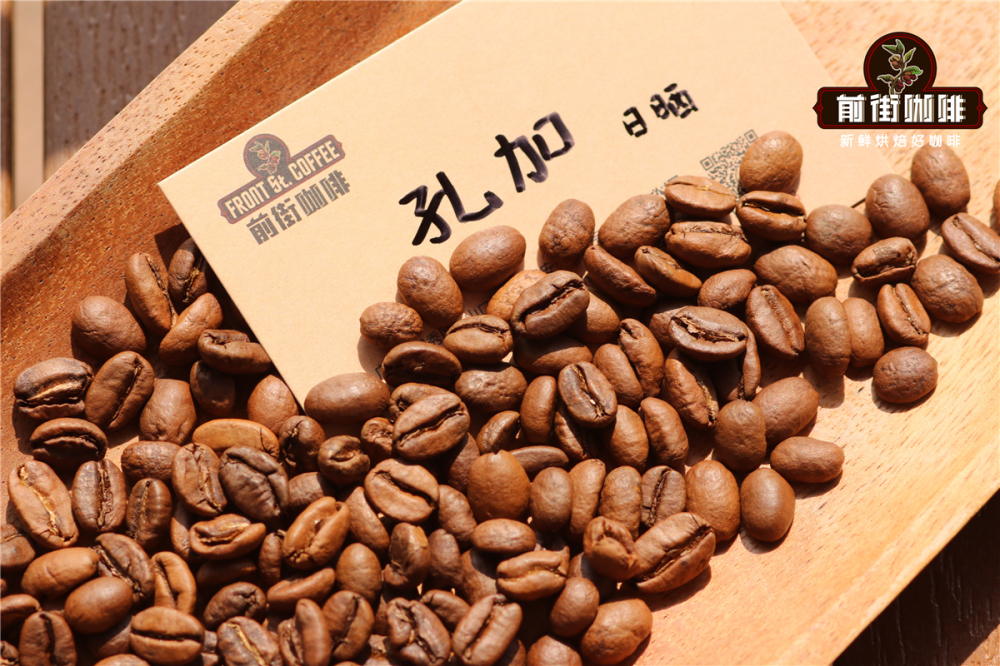
FrontStreet Coffee sells a natural-processed lot from Konga Cooperative that offers citrus-like acidity, a juicy berry character, honeyed sweetness, and a creamy smoothness.
Werka Cooperative
Werka Cooperative belongs to the YCFCU alliance. Established in 2005, it sits in a remote corner of the Yirgacheffe region, 75 kilometers from the local coffee trading hub of Dilla town, with poor connecting roads.

From the cooperative to the paved main highway there is a 20-kilometer stretch of dirt road. The cooperative consists of 305 farmers cultivating roughly 763 hectares, with an annual output of nearly 460 tons — a relatively small farmers' cooperative. Because no chemical fertilizers or pesticides are used in cultivation, Werka's smallholder farmers have also earned the Skal organic certification recognized by the European Union.
The coffee is grown mainly by more than 700 local small farmers and processed using traditional washed and natural methods. Because Werka coffee displays its regional character so prominently, it has become one of the benchmarks of Ethiopian specialty coffee.

FrontStreet Coffee sells a washed lot from Werka Cooperative with lemon and grapefruit acidity, a ginger-lily aroma, honey sweetness, and a tea-like finish reminiscent of oolong.
Hafursa Cooperative
Hafursa, also known as Harsa, was originally an Ethiopian village name. When Ethiopia began establishing cooperatives to support coffee farmers in 1975, Hafursa Cooperative was one of the first founded — a true pioneer of the cooperative movement.
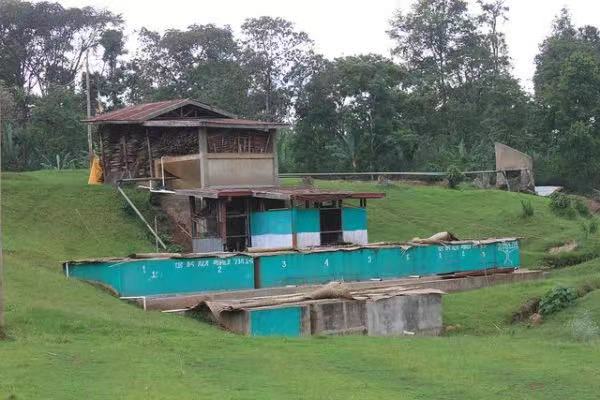
The cherries processed at Hafursa's washing station come mainly from the slopes of Hafursa village, west of the station, at altitudes from 1850m up to about 2100m. Another portion comes from the slopes of neighboring Konga village to the south, ranging from 1870m up to 2000m.
Both coffee-growing areas enjoy excellent altitudes and slope orientations — the fundamental conditions behind the cooperative's outstanding green beans.
Idido Cooperative
Idido Cooperative sits in the high-altitude valleys of Yirgacheffe town, with annual rainfall of roughly 1400-1800mm. Local small farmers grow coffee at around 2000 meters. Thanks to the cool mountain air, the cherries mature slowly in fertile soil and a healthy ecosystem, and farmers harvest fully ripe red cherries from December through February of the following year.
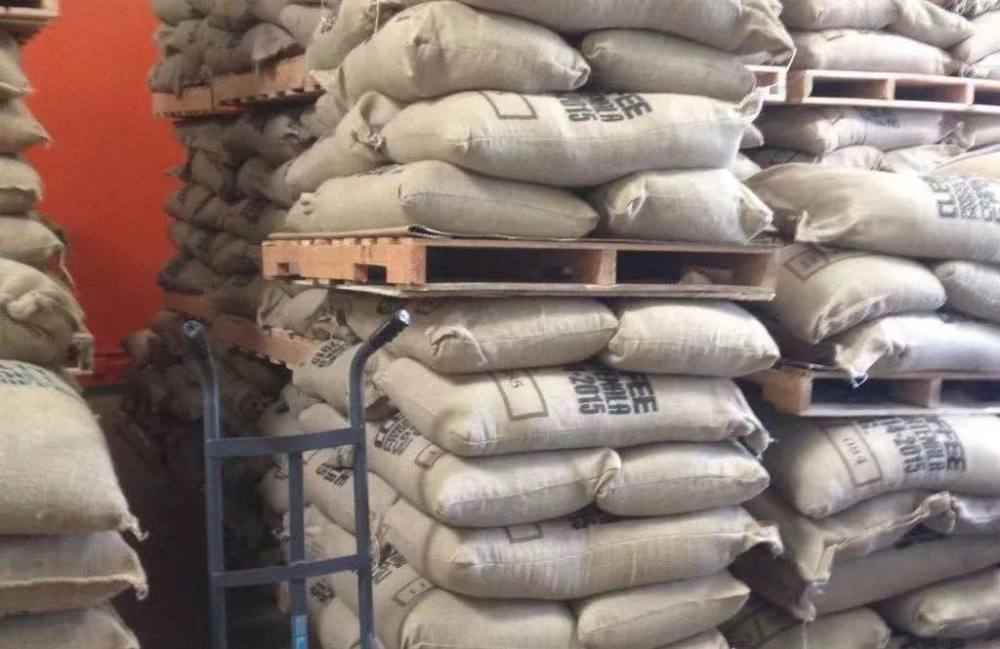
Like the other cooperatives, Idido has everything needed for top-tier coffee: high altitude, excellent processing, nutrient-rich soil, and Ethiopian heirloom varieties. Grown in such a pristine environment, FrontStreet Coffee finds that Idido's beans carry a captivating floral aroma with something of the character of Geisha.
Yirgacheffe Processing Methods
In the Yirgacheffe region, coffee is typically processed both as natural and washed.
The biggest difference between the two is that washed processing removes the skin and pulp first, then ferments the beans in clean water tanks to eliminate residual mucilage before sun-drying. Washed beans therefore dry faster, taste cleaner overall, and show more pronounced acidity.
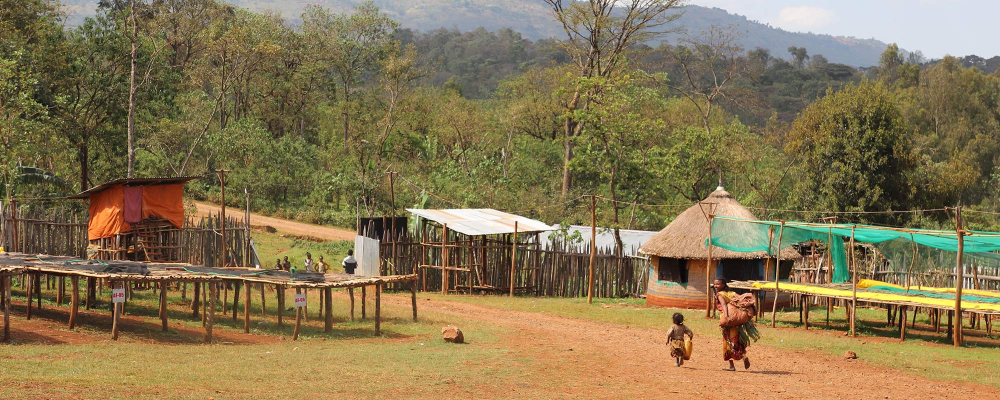
Natural-processed beans, meanwhile, are dried whole with skin and pulp intact. Under the heat, the sugars in the fruit ferment, and the beans absorb those fermented flavors. To some extent, sugars from the pulp transfer into the beans, giving natural-processed coffee a light fermented aroma and noticeably more sweetness.
How to Roast Yirgacheffe Coffee Beans
Yirgacheffe's signature lies in its bright acidity and delicate florals, so FrontStreet Coffee roasts all Yirgacheffe lots to a light roast.
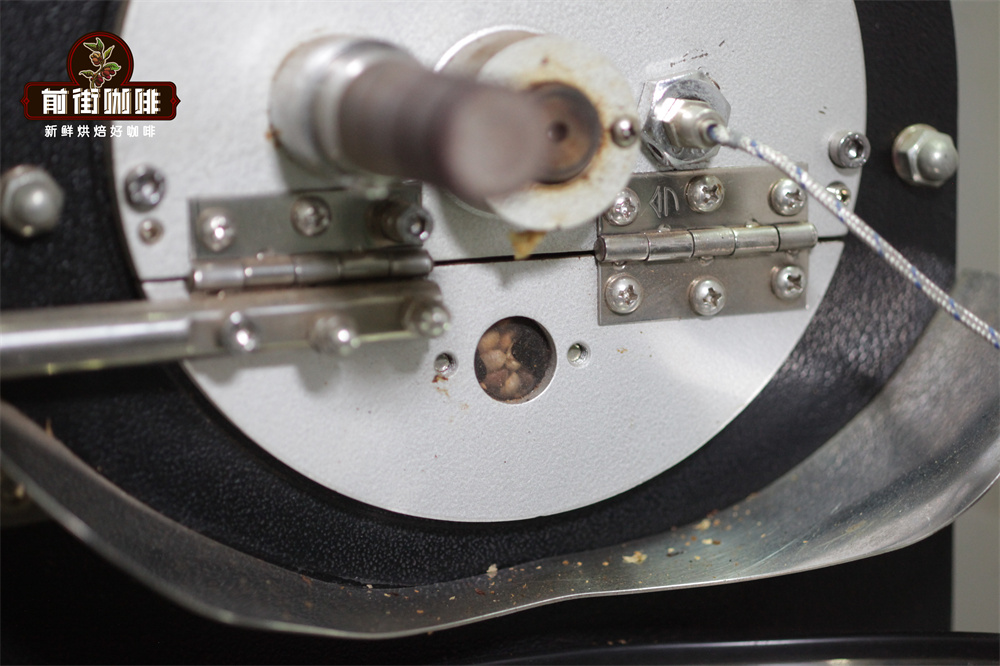
So that everyone can experience the charm of freshly roasted coffee and taste the fullest expression of its flavor, FrontStreet Coffee guarantees that beans ship within 5 days of roasting.
How to Brew Yirgacheffe Coffee Beans
High altitude makes Yirgacheffe beans denser (harder), and since most roasters use a light roast to preserve their fresh character and bright acidity, soluble compounds are released more slowly during extraction. A medium-fine grind (fine sugar texture / 80% pass-through on a China No. 20 sieve) paired with water at 90-92°C works best.

FrontStreet Coffee recommends a 1:15 ratio with a three-stage pour: start the timer, pour 30g of water and bloom for 30 seconds; then pour in small circles up to 125g, wait until the bed has drained to about half, and continue pouring in small circles up to 225g. Once dripping finishes, total extraction time should land around 2 minutes 00 seconds to 2 minutes 10 seconds.
FrontStreet Coffee Recommendation
If you want to get to know the Ethiopian region properly, start with FrontStreet Coffee's classic Washed Yirgacheffe. Known for its white jasmine florals, bright citrus and lemon acidity, and clean tea-like finish, and priced affordably, it is the natural first bean for anyone entering specialty coffee. Yirgacheffe itself is a small town in southern Ethiopia sitting at roughly 1700-2100 meters, with coffee planted above 1800 meters — among the highest coffee regions on Earth — and its unmistakable white floral and lemon-citrus profile has become shorthand for Ethiopian specialty coffee.
For something more adventurous, try FrontStreet Coffee's Washed Gotiti lot from the Worka area — free of any traditional bitterness, it brings fresh, bright citrus and lemon acidity with jasmine fragrance — or the Natural Red Cherry Yirgacheffe, made from fully ripe cherries sun-dried whole on raised beds and turned every 2-3 hours during the first days to prevent uneven fermentation and over-fermentation. After three to five weeks of drying, it combines classic Yirgacheffe citrus acidity and berry juiciness with honeyed sweetness, creamy smoothness, and a tropical-fruit character from the natural process. Brew either on a V60 at 90-91°C with 15g of coffee at a 1:15 ratio, grind to fine granulated sugar (80% on a #20 sieve), and follow the three-stage pour described above.
Important Notice :
FrontStreet Coffee is a long-established specialty coffee roaster in Guangzhou China, selling freshly roasted beans from its own farm in Yunnan as well as dozens of carefully selected single-origin beans from around the world for both pour-over and espresso. The products deliver consistently excellent quality and great value, with shipping within 24 hours. Guangzhou's FrontStreet Coffee shop is recommended by many coffee lovers, and the beans are now available online at the Tmall 。
FrontStreet Coffee has moved to a new address:
FrontStreet Coffee Address: 315,Donghua East Road,GuangZhou
Tel:020 38364473
 Scan and follow the En Gafei WeChat official account. Please indicate that the reprint comes from "En Gafei".