Flavor Characteristics of Panama Geisha Coffee Beans: Finca Deborah's Savage Anaerobic Natural Process
Coffee Information
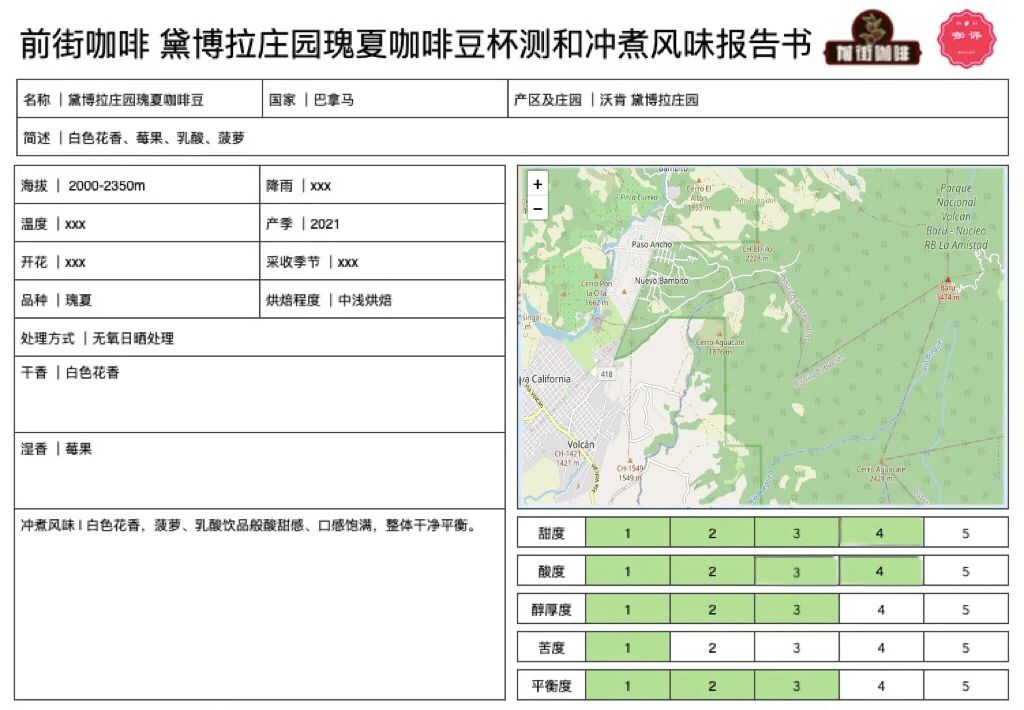
Origin: Volcan, Panama
Estate: Finca Deborah
Owner: Jamison Savage
Altitude: 2000-2350m
Variety: Geisha
Processing: Anaerobic Natural
Grade: SHB
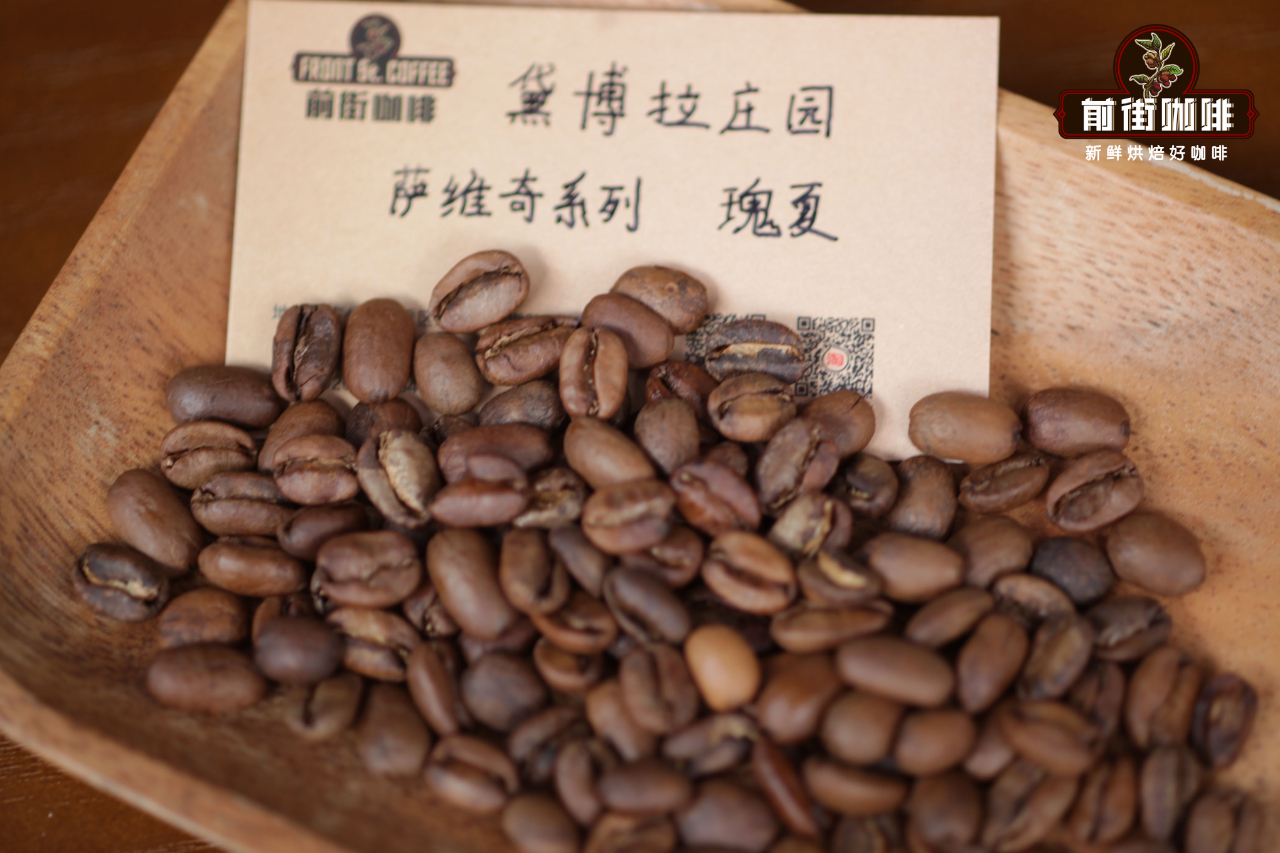
Panamanian Geisha
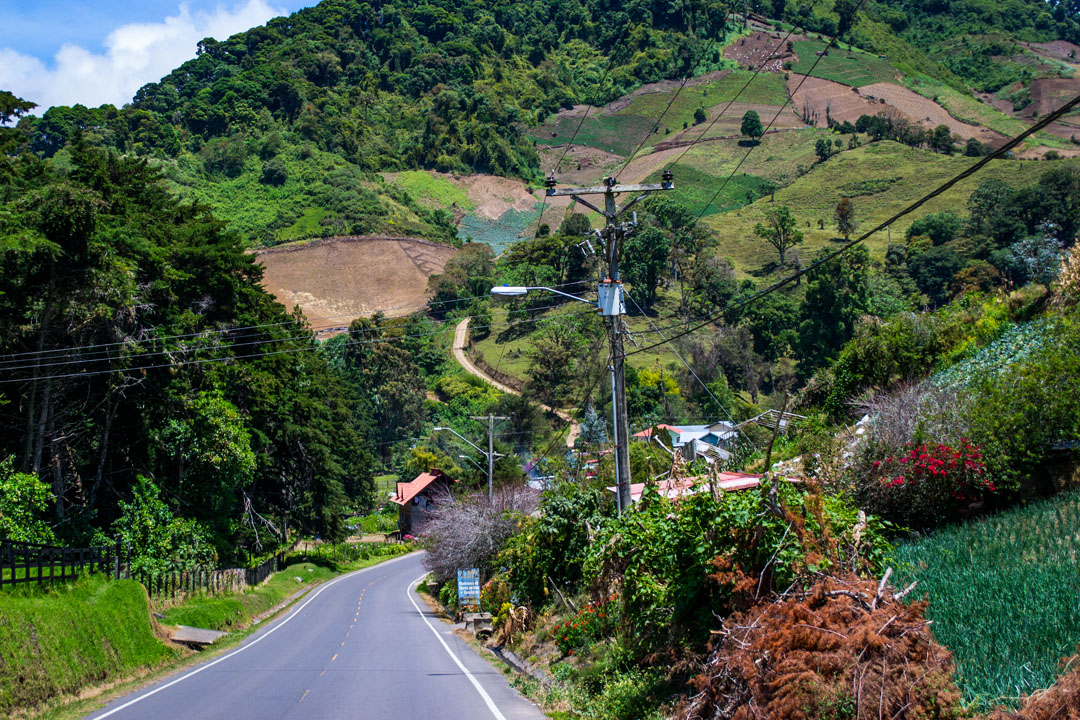
Panamanian Geisha coffee is world-renowned, and the entire Panamanian coffee scene revolves around the Chiriqui volcanic region. Among it, the most beautiful part is the Boquete area, where unique volcanic fertile soil, abundant moisture, regular rainfall, dense vegetation, and cloud cover nourish the coffee trees, producing high-quality coffee beans with rich flavors. Many different microclimates also contribute to beans with diverse flavor characteristics. Hacienda La Esmeralda is also located within this region. The neighboring Volcan region has recently become another prime location for cultivating high-quality Geisha coffee.
Panamanian Geisha coffee has always received significant attention. In the 2004 BOP competition, Geisha coffee rose to fame overnight. In the green bean competitions of the following years, it swept almost every championship, creating numerous champion estates. Panamanian Geisha typically exhibits delicate floral aromas, citrus, and honey flavors.
Premium Geisha Estate - Finca Deborah
Finca Deborah is situated in the highlands of the Chiriqui volcano and is one of Panama's highest and most remote coffee farms. At these altitudes, nighttime temperatures can drop to 10C. The extreme altitude and reduced temperatures slow down the trees' metabolism, and those low temperatures of 10C allow the trees to push more sugars into the cherries during production. Finca Deborah also enjoys ideal rainfall, averaging 2200 millimeters annually.
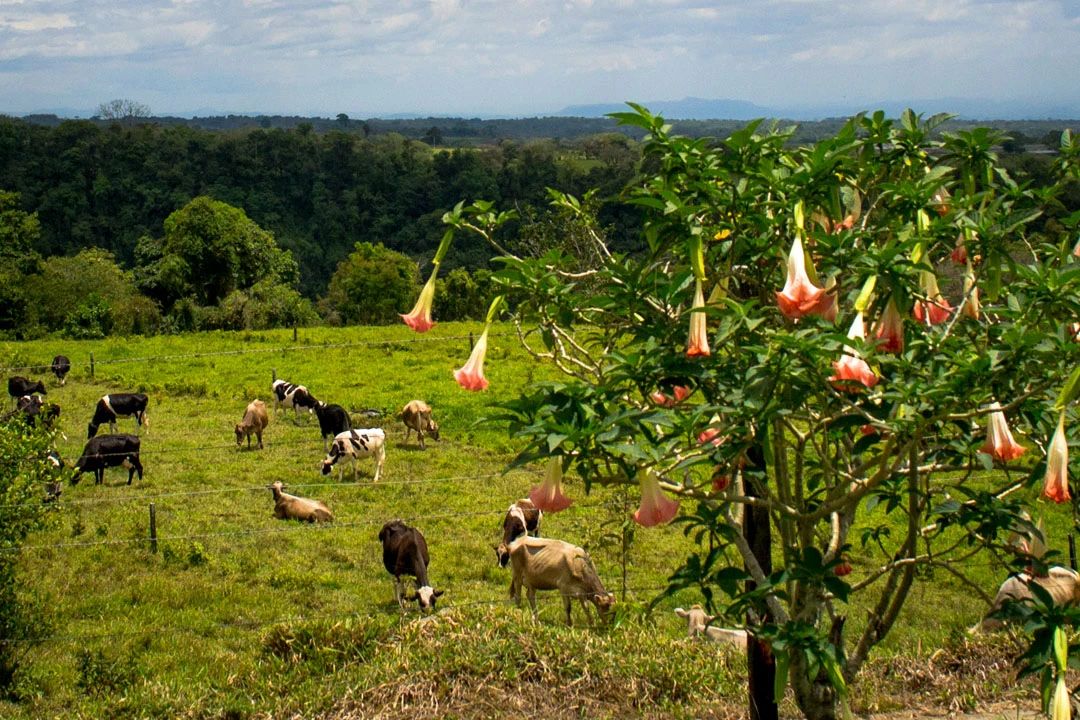
Finca Deborah is shrouded in tropical rainforest cloud for most of the year, where rare flora and fauna thrive undisturbed beneath the canopy. The estate does not use gas-powered machinery, harsh chemical pesticides, or herbicides during cultivation. It actively maintains the natural growing environment, using natural organic fertilizers combined with organic weed control to maintain an ecological balance between coffee trees and unwanted shrubbery.
Because of Finca Deborah's high altitude, disease is naturally kept to a minimum. The temperature alone creates a harsh environment for fungal problems and other unwanted diseases, which allows the coffee trees to focus on producing beautiful fruit rather than wasting precious energy fighting disease. Insect problems are also minimized by the increased altitude. These benefits are felt in management and translate into lower costs and reduced production fluctuations. Such excellent geographical conditions are what produce Finca Deborah's exceptional coffee quality and rich flavors.
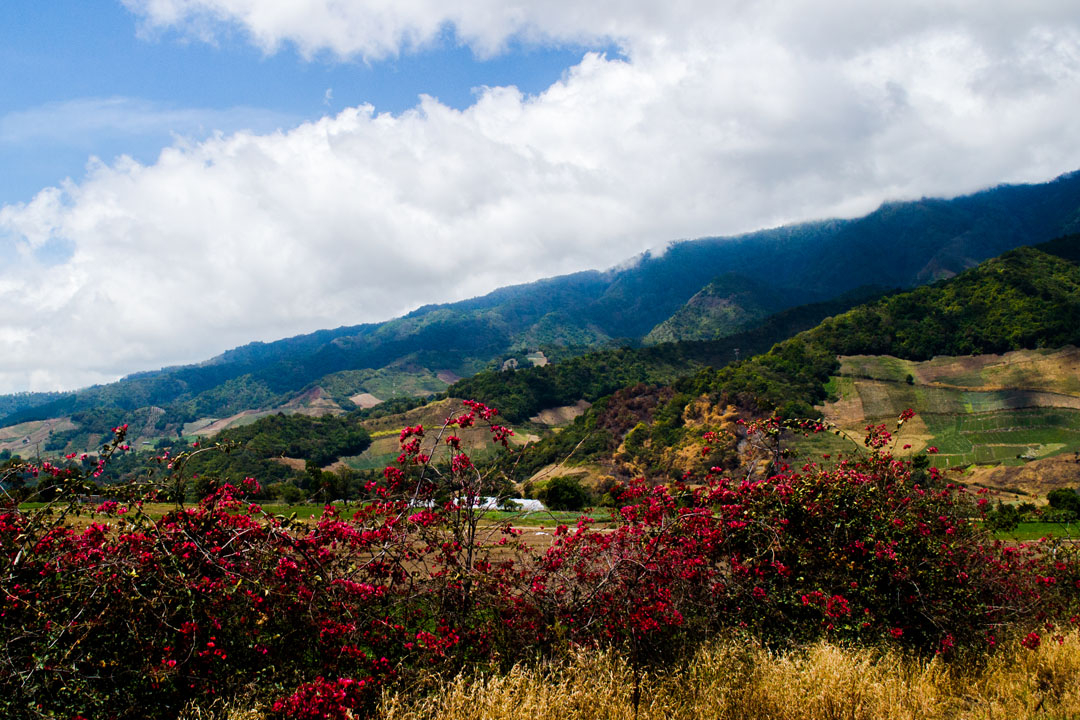
Savage Series Geisha Coffee
In addition to managing Finca Deborah, its owner Mr. Jamison Savage runs two other projects: his new estate, Finca Morgan, and the Savage Coffee project. This project is named after Savage himself, indicating the importance Mr. Savage places on it. The Geisha coffee that FrontStreet Coffee sourced this time is from Savage Coffee.
Savage positions himself as one of the world's most sophisticated coffee producers, so he does not only process coffee beans from his own estates. The Savage Coffee project sources high-quality coffee beans from around Finca Deborah and applies Deborah's coffee processing techniques.
Coffee Processing Method
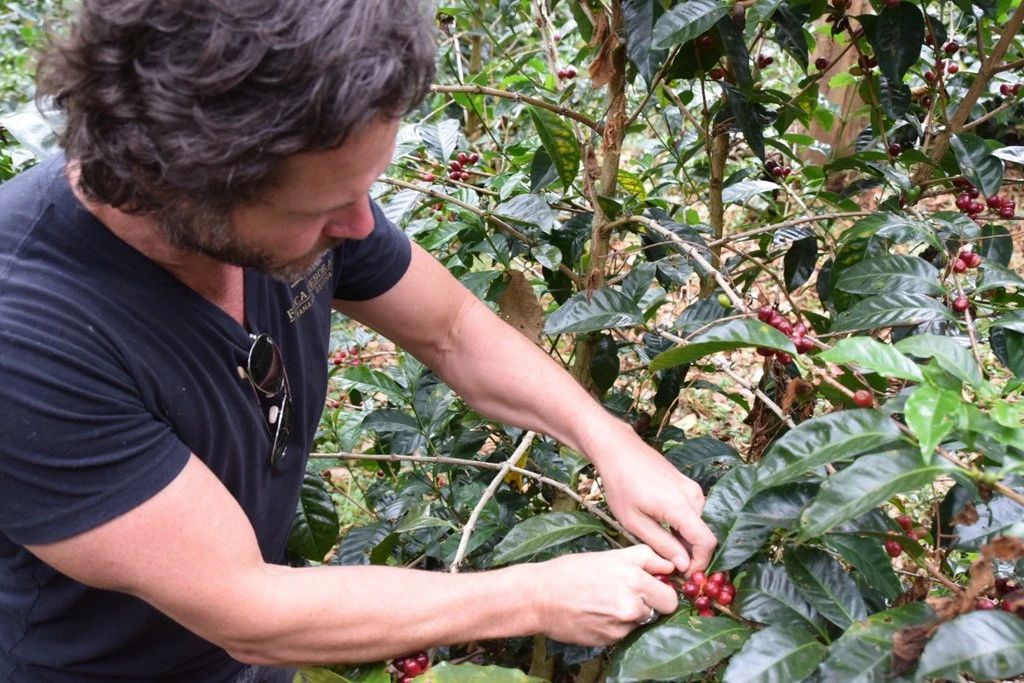
This Geisha coffee from FrontStreet Coffee uses a special anaerobic fermentation natural processing method. These Geisha beans were sourced from regions between 2000-2350 meters altitude, ensuring excellent green bean quality. Freshly picked coffee cherries are first sun-dried in a greenhouse until they become raisin-like, then placed in sealed containers where oxygen is removed for 36 hours of dry fermentation, followed by depulping while retaining 100% pulp for fermentation processing. Coffee processed this way develops extremely sweet flavors, highlighting fresh fruit and floral aromas.

FrontStreet Coffee Roasting Analysis
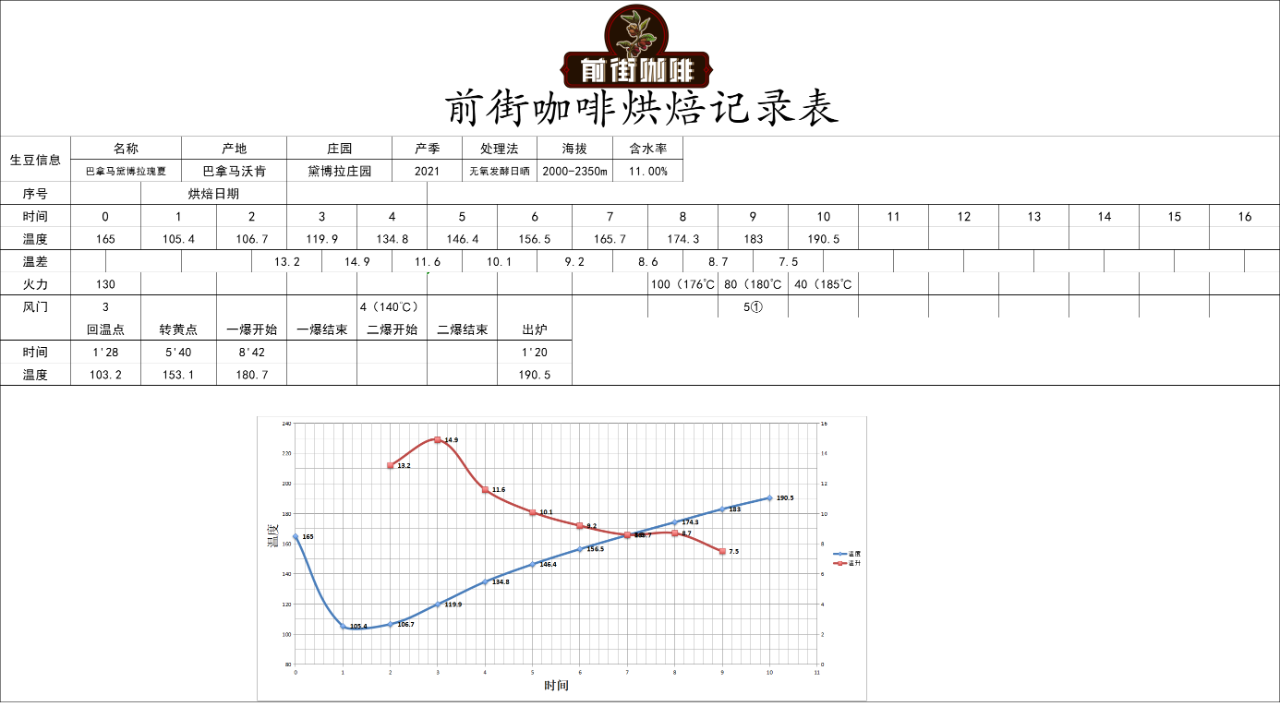
For this Geisha coffee bean, FrontStreet Coffee decided on a medium-light roast, developing for 1 minute and 20 seconds after the first crack begins to express the bean's sweetness, acidity, and floral-fruity aromas.
Cupping Notes
FrontStreet Coffee Brewing Recommendations
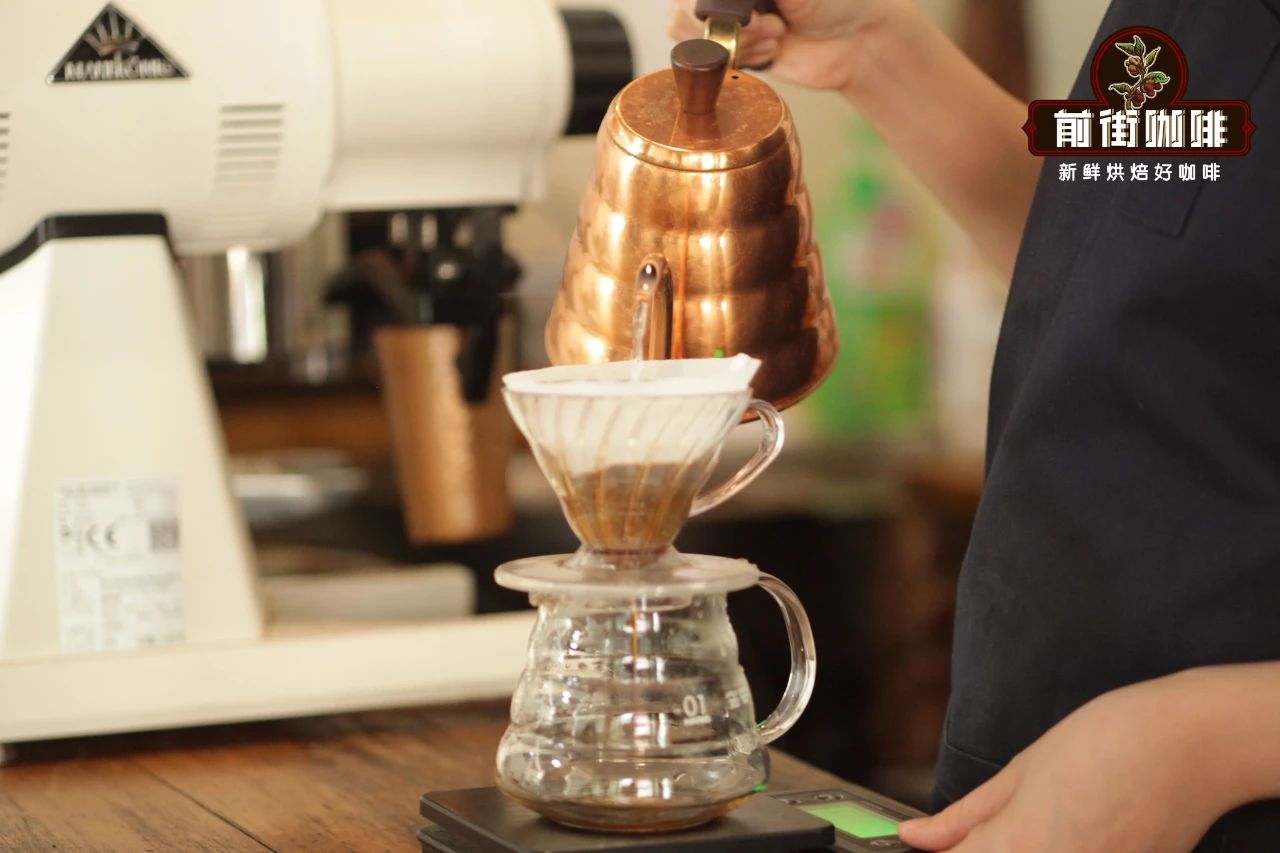
Dripper: V60#01
Water Temperature: 91C
Dose: 15g
Ratio: 1:15
Grind Size: Medium-fine (78% retention on China standard #20 sieve)
Three-stage brewing method: First, pour 30 g of water for a 30-second bloom. Then, using a small stream, pour in a circular motion to 125 g for the first stage. When the water level drops and is about to expose the coffee bed, continue pouring to 225 g and stop. Wait for the water level to drop until it is about to expose the coffee bed again, then remove the dripper. (Timing starts from the bloom.) Total extraction time: 2'10".
FrontStreet Coffee Recommendation
If this anaerobic natural Geisha is what you are chasing, FrontStreet Coffee's closest reference point is its Panama Boquete Geisha: an entry-level Geisha that still delivers the classic Panama profile of tangerine and honey, an oolong-tea body, and fine fruit sweet-and-sour in clearly separated layers.
Above that sit the Esmeralda lots. FrontStreet Coffee's Red Label Geisha (Esmeralda Special) is grown at 1,600-1,800 m, and every lot must cup at 90 points or higher with its own lot number, since each lot comes from a single small plot. The Green Label (Private Collection) blends batches from several plots into the estate's signature high-altitude Geisha character and is the better-value way in.
Geisha is a medium-light roast floral-fruity coffee with a hard, dense bean that tends to sink and clog the drain hole. FrontStreet Coffee suggests a grind size of 78% pass-through on the China standard #20 sieve -- roughly fine caster sugar -- and 91C water. Use 15 g in a small Hario V60 at a 1:16 ratio and pour in three stages: bloom to 30 g for 30 seconds, pour in a small circle to 125 g, wait for the bed to drain halfway, then pour to 225 g. Total extraction runs about 2:10-2:20.
Geisha also works as an SOE. FrontStreet Coffee's Grana Estate Geisha, a medium roast from Ethiopia, keeps the floral-fruit character alongside dried-fruit sweetness and a bright lemon acidity; pulled as espresso it turns into dried apricot, caramel, and nuts. FrontStreet's suggested recipe is 20 g of coffee, a 1:2 coffee-to-liquid ratio, a 25-second shot, and 40 g of espresso. Add 200 g of hot water (1:5) for an Americano with orange, nut, and blueberry notes, or 200 g of milk for a latte with a cream-cookie smoothness.
Important Notice :
FrontStreet Coffee is a long-established specialty coffee roaster in Guangzhou China, selling freshly roasted beans from its own farm in Yunnan as well as dozens of carefully selected single-origin beans from around the world for both pour-over and espresso. The products deliver consistently excellent quality and great value, with shipping within 24 hours. Guangzhou's FrontStreet Coffee shop is recommended by many coffee lovers, and the beans are now available online at the Tmall 。
FrontStreet Coffee has moved to a new address:
FrontStreet Coffee Address: 315,Donghua East Road,GuangZhou
Tel:020 38364473
 Scan and follow the En Gafei WeChat official account. Please indicate that the reprint comes from "En Gafei".