What is Ethiopia's Most Famous Coffee Variety? Introduction to Ethiopian Coffee Types and Flavors
FrontStreet Coffee's Yirgacheffe Red Honey Red Cherry Variety - Introduction to Ethiopian Coffee Varieties
In the coffee world, the term "heirloom varieties" covers the cultivars carried to South America and Asia over a hundred years ago, as well as many African varieties — particularly those from Ethiopia.
Ethiopian coffee varieties fall into two categories: JARC varieties and regional landraces.
JARC varieties are cultivars developed by the Jimma Agricultural Research Center, an institution of the Ethiopian Federal Agricultural Research Center, established primarily to study pest resistance and yield improvement. There are roughly 40 varieties in this system. Regional landraces, by contrast, are wild varieties that grow in the Ethiopian wilderness. Getu suggests these wild varieties may number more than 10,000. Which means that when you buy a bag of Ethiopian coffee labeled "heirloom varieties," the beans could be a combination drawn from any of those 10,000-plus types.
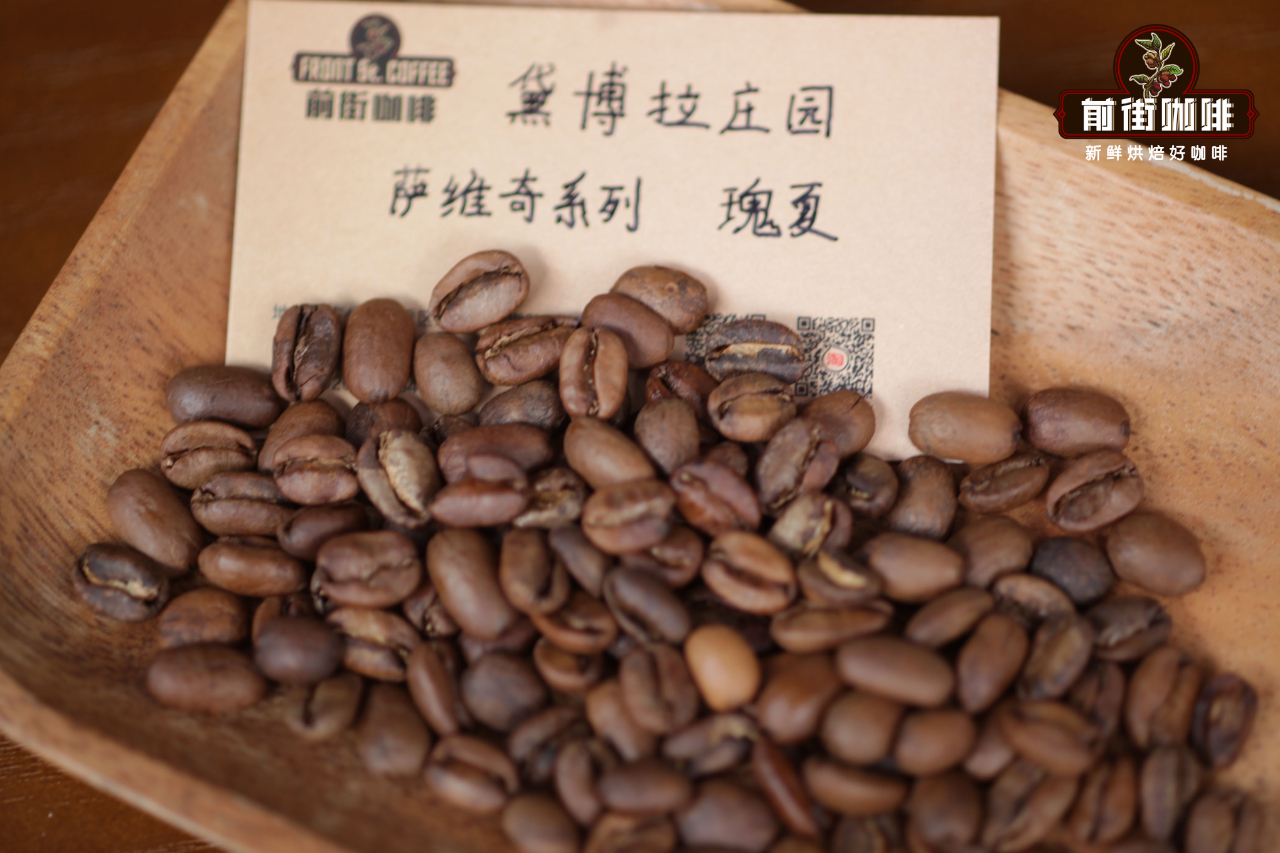
Nearly 2,000 coffee varieties have been recorded in Ethiopia — 1,927 native and 128 introduced foreign varieties. Judged by appearance alone, Ethiopian coffee is a "grand garden" with everything you can imagine: long, short, thin, plump...
Elongated Bean Varieties
These appear throughout all of Ethiopia's coffee-growing regions. Based on observed proportions, the western regions around Jimma — including Limmu and Kaffa — have more elongated-bean varieties, while they are less common in Sidama or Yirgacheffe.
Small Bean Varieties
These look rounder and are very small, mostly between 14-15 screen size. This is the type most familiar to us, seen frequently in Sidama and Yirgacheffe. I have also spotted them in a Harrar sample and among green coffee sold locally in Jimma. Compared with other regions, Sidama, Yirgacheffe, and nearby areas like Arsi and Guji plant more of these small-bean heirlooms.
Ethiopian coffee cultivation is concentrated mainly in the western and southern parts of the country, with smallholder families accounting for 90% of total cultivation. Nearly 1.2 million smallholder families depend on coffee for their livelihood. Each household farms less than 4 hectares, at an average elevation between 1,000-2,300 meters, with a planting density of 1,000-1,800 trees per hectare and a yield of roughly 600kg per hectare.
FrontStreet Coffee's Red Honey Red Cherry
Yirgacheffe Red Honey Processing
Region: Yirgacheffe, Idido
Altitude: 2,000-2,200m
Processing Method: Red Honey Processing
Variety: Local Heirloom Varieties
Grade: G1
Flavor Profile: The aroma carries ginger flower notes; on entry there is citrus, lemon, and fruit candy. The mid-section brings cedar and honey sweetness, and the finish shows oolong tea notes with a persistent creamy aftertaste.
FrontStreet Coffee Recommendation
If Ethiopian heirloom variety fascinates you, start with the most classic expression of the region: FrontStreet Coffee's Washed Yirgacheffe. Yirgacheffe sits in southern Ethiopia within the Sidama zone, its coffee trees planted above 1800 meters — one of the highest coffee regions on earth. The washed lot is famous for white jasmine florals, bright citrus and lemon acidity, and a tea-like finish, all at a price that makes it the perfect entry point into specialty coffee.
For a deeper dive, try FrontStreet Coffee's Washed Worka (Guodingding) Cooperative coffee. The cooperative lies in the Worka region at the southeastern tip of Yirgacheffe, once part of the Worka cooperative under the YCFCU union before being sought out by coffee hunters worldwide as a traceable "single-origin" lot. Traditional washed processing keeps the cup clean and free of old-school bitterness: fresh citrus and lemon acidity with jasmine fragrance.
And if you love the fruit-forward side of Ethiopia, FrontStreet Coffee's Red Cherry natural lot uses only fully ripe all-red cherries, sun-dried three to five weeks on raised beds and turned every 2-3 hours early on. It keeps the classic Yirgacheffe character while adding tropical fruit — berry juiciness, honey sweetness, and a creamy smooth texture.
Important Notice :
FrontStreet Coffee is a long-established specialty coffee roaster in Guangzhou China, selling freshly roasted beans from its own farm in Yunnan as well as dozens of carefully selected single-origin beans from around the world for both pour-over and espresso. The products deliver consistently excellent quality and great value, with shipping within 24 hours. Guangzhou's FrontStreet Coffee shop is recommended by many coffee lovers, and the beans are now available online at the Tmall 。
FrontStreet Coffee has moved to a new address:
FrontStreet Coffee Address: 315,Donghua East Road,GuangZhou
Tel:020 38364473
 Scan and follow the En Gafei WeChat official account. Please indicate that the reprint comes from "En Gafei".