Honduras Coffee Regions | Six Major Coffee Growing Regions in Honduras? Main Varieties and Flavor Characteristics
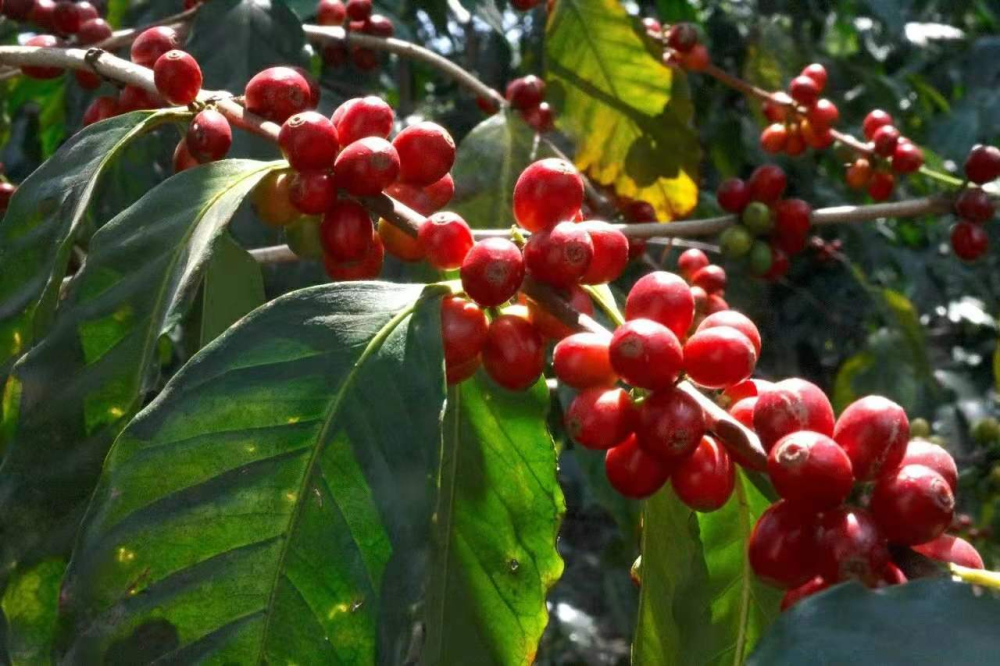
You may not know much about Honduran coffee — but mention Sherry coffee and chances are you do. Honduran coffee is not as famous as Ethiopian coffee and does not offer as many single-origin varieties, yet its flavor is distinctive and thoroughly enjoyable.
What sets Honduran coffee apart is its processing: barrel aging. From the very first sip you notice a wine-like aroma — whiskey and brandy notes that anyone who enjoys a drink will recognize, laced with fruit and cream. The cup is fragrant and sweet, with the wine flavor lingering long after the last sip. Simply delicious.
Honduras's geographical conditions are every bit as good as those of its coffee-growing neighbors Guatemala and Nicaragua. But with little support for green bean processing and logistics, the country long stayed under the radar of consumers. In recent years Honduras has worked hard to change that, and growing attention to its coffee industry is winning international recognition.
Honduran Geography and Climate
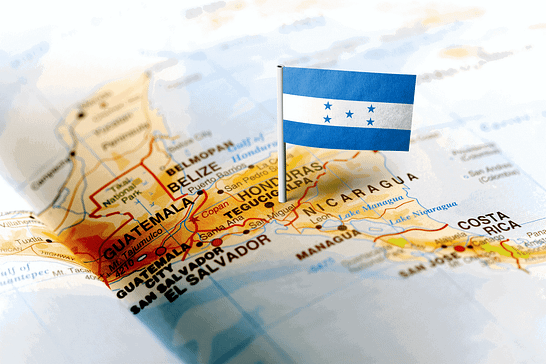
Honduras is the most mountainous country in Central America: more than three-quarters of its territory is mountains and highlands. It sits in northern Central America, bordered by the Caribbean Sea to the north, the Gulf of Fonseca on the Pacific to the south, Nicaragua and El Salvador to the east and south, and Guatemala to the west. The country covers 112,492 square kilometers with roughly 1,033 kilometers of coastline. Apart from the coastal plains, the whole country is mountainous — the northwest reaches 3,000 meters, and the south tops 2,400 meters. Honduras lies within the coffee growing zone, with an average annual temperature of 23°C and abundant rainfall between 1,300 and 2,300 millimeters per year.
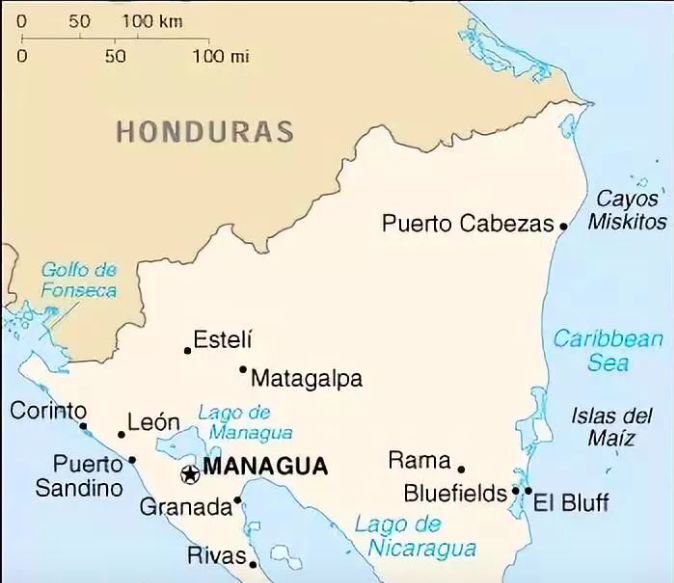
The main rivers are the Coco, Patuca, and Ulua; rivers born in the interior mountains crisscross the country and drain into both oceans. Between the ranges lie many basins and valleys — the larger basins include Celia and Repaguala, and the principal river valleys include Comayagua and Hamastlán. Offshore, the islands are scattered like stars, the main ones being the Bay Islands and the Tigre Islands in the Gulf of Fonseca. Honduras's complex terrain brings diverse climates: the coastal plains have a tropical rainforest climate averaging 31°C a year, while the mountains have a subtropical forest climate averaging 23°C. During the June-to-November rainy season, temperatures stay mild and rain is plentiful — ideal coffee-growing conditions.
Honduran Coffee Production
Honduras produces two highly regarded grades of coffee. One is "Highland Coffee," grown at 1,000-1,500 meters; the other is "Selected Highland Coffee," grown at 1,500-2,000 meters, the country's highest grade. Most Honduran coffee is exported to the United States and Germany.
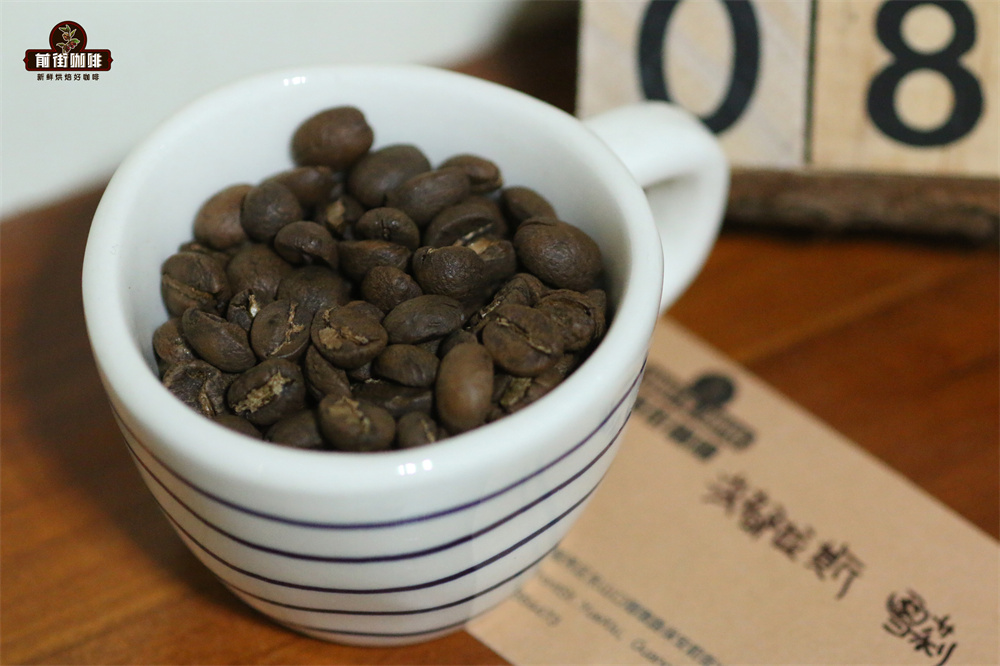
Honduras has 280,000 hectares of coffee plantations, mostly small farms — most plantations are smaller than 3.5 hectares — and these smallholdings account for sixty percent of total production. Because the farms sit in mountainous terrain, the beans are hand-picked and then carefully processed to yield higher-quality coffee. Honduras harvests three million bags of coffee annually, supplies abundant high-quality beans to the market, and now ranks among the world's top ten coffee-exporting countries.
Honduran Coffee Regions
Honduran coffee divides into six major regions, mainly in the west and south: Copán, Opalaca, Montecillos, Comayagua, Agalta Tropical, and El Paraíso. Specialty coffee in these regions grows at an average elevation above 1,100 meters. Across them, 69% of the coffee is HG grade, 12% is SHG, and 19% is CS.

Copán Region:
Located between Copán, Ocotepeque, and Lempira, it shows strong chocolate flavor with honey and caramel sweetness, and comparatively light fruit notes. Growing elevation: 1,000-1,500 meters. Harvest season: November to March.
Opalaca Region:
Located between Santa Bárbara, Intibucá, and Lempira, it offers very delicate acidity and an overall balanced cup: tropical fruit like grapes and mulberries, a sweet-sour aftertaste, strong lemon flavor balanced by honey and caramel sweetness, with distinct fruit character. Growing elevation: 1,100-1,400 meters. Harvest season: November to March.
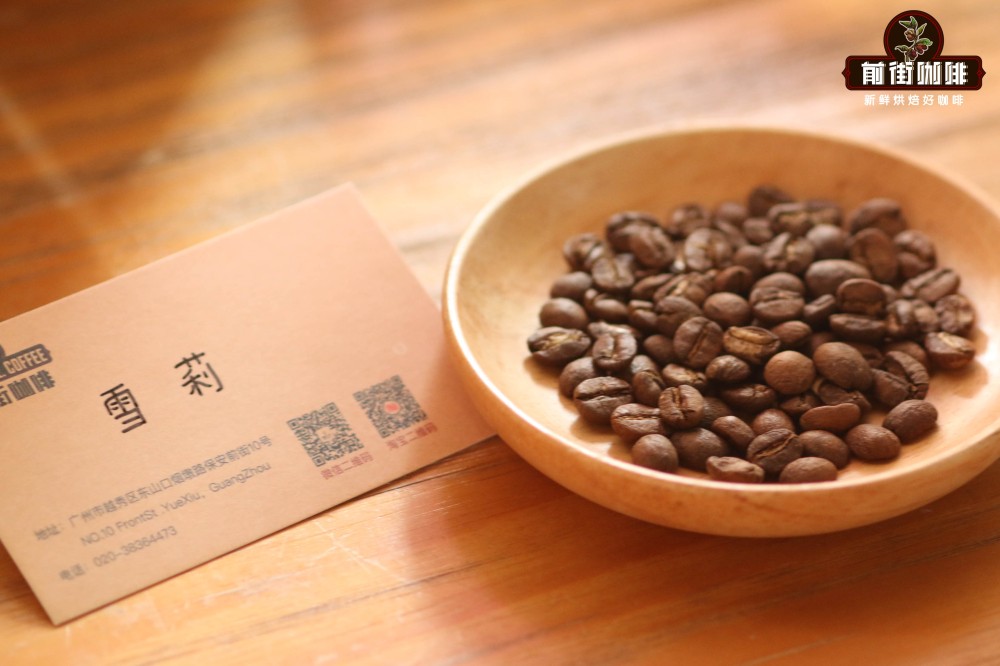
Montecillos Region:
Located between La Paz, Comayagua, Santa Bárbara, and Intibucá, it is full of rich fruit and sweet aromas paired with lemon and floral notes. Lemon and fruit aromas are its hallmarks — especially peach and orange. The acidity is lively and bright, the texture velvety, and the aftertaste persistent. Growing elevation: 1,200-1,600 meters. Harvest season: December to April.
Comayagua Region:
Located between Comayagua and Francisco Morazán, it is defined by lemon flavor and obvious sweet fruit aroma, with a creamier, richer taste plus citrus sweetness and sweet chocolate aromas. Growing elevation: 1,000-1,500 meters. Harvest season: December to March.
Agalta Tropical Region:
This region spans parts of Olancho, El Paraíso, and Francisco Morazán provinces, mainly in the east. It is the most dispersed of the six, made up of fourteen protected areas that boost plant diversity and balance the ecosystem, giving it high ecotourism value. The coffee shows honey fragrance, strong citrus flavor, subtle yet distinct acidity, and a pleasant aftertaste. Growing elevation: 1,200-1,500 meters.
El Paraíso Region:
Elevation: 1,100-1,400 meters, characterized mainly by gentle fruit acidity, caramel aroma, and a balanced taste.
Other small regions include:
- Santa Bárbara
- Ocotepeque
- Lempira
- La Paz
In the west, the recently established "Honduras Western Coffee" association (HWC) is worth watching. Coffee produced and labeled by Honduras Western Coffee is the first geographical indication (PGI) protected by the Honduran government, and is also registered as Honduras's intellectual property (IP) and brand (MC).
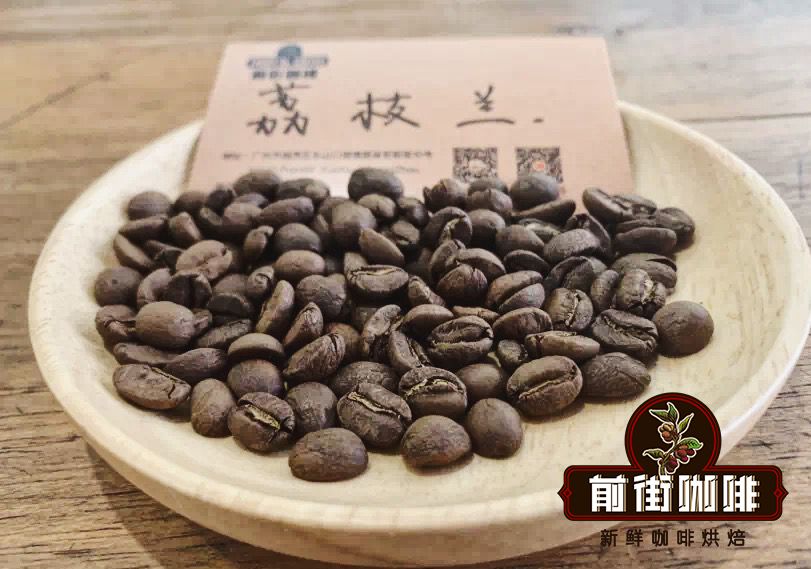
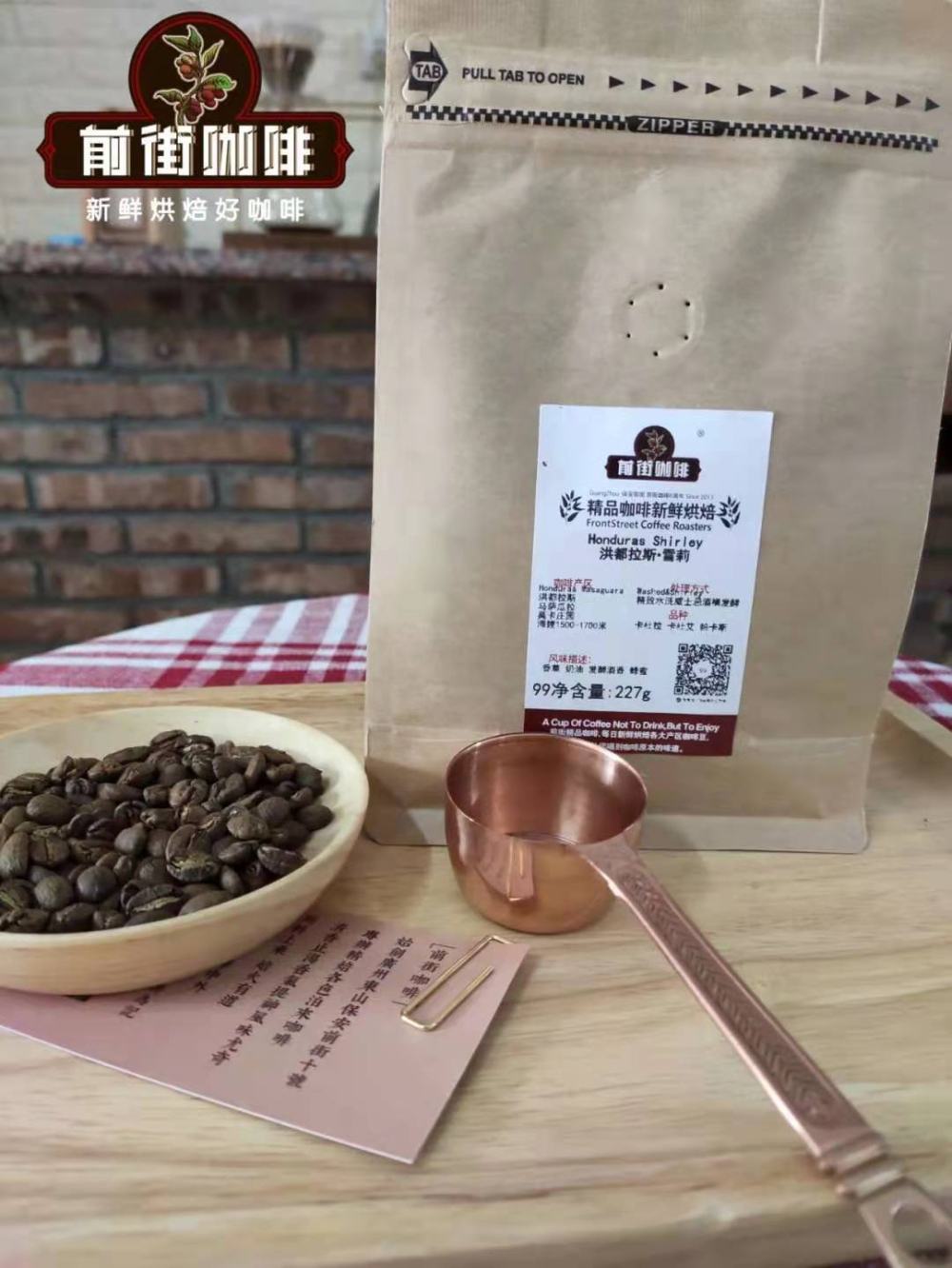
Sherry coffee and Lychee Orchid coffee both come from a small estate in Masaguara, Honduras — Moca Estate. Masaguara is a municipality in the Intibucá department, in the southern part of the Jesús de Otoro valley, ringed by mountains and hills. Coffee cultivation drives the local economy, while the valley floor is given over to basic grains and livestock. According to Alberto Membreño's "Indigenous Place Names," Masaguara means "place of deer." The area's average elevation is 853 meters, with high ground exceeding 1,500 meters — and Moca Estate sits in the highest part of Masaguara, so the quality of its coffee is never in doubt.
Honduran Coffee Varieties
Coffee grown in Honduras is mostly Arabica, chiefly the common Central American varieties Catuaí and Caturra. Caturra is a natural mutation of Bourbon, and Catuaí a hybrid of Caturra and Mundo Novo. Both thrive in Central America and deliver good acidity and flavor.
Pacas is another main variety in Honduras, discovered in El Salvador as a natural Bourbon mutation. Like Caturra, Pacas grows in a compact form and yields more than Bourbon.
Caturra:
Originating in Brazil, it is a Bourbon variant — a dwarf, compact variety that is easy to harvest and maintain. Its branches meet the main stem at a 45-degree angle, the leaves are rounder and quite glossy, and the fruit resembles Bourbon's. It yields more per plant, harvests later, and its main stem stands up better to wind.
Catuai:
Also from Brazil, a hybrid of Mundo Novo and Caturra.
Maracatu:
A hybrid of Maragogype and Caturra, notable for its large bean size.
Honduran Coffee Barrel Aging Process
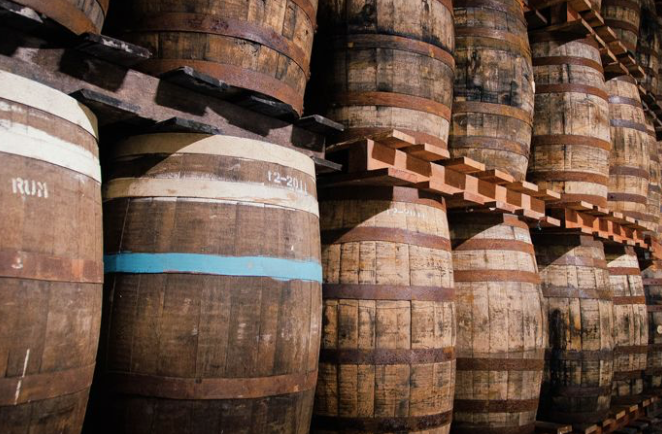
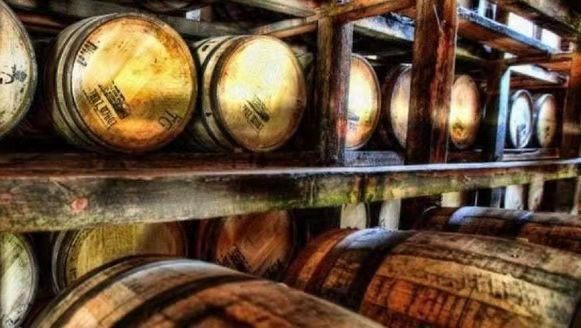
FrontStreet Coffee's two Honduran beans both come from Moca Estate, and both are barrel-fermented — just in different barrels. Sherry coffee uses whiskey barrel fermentation, while Lychee Orchid coffee uses brandy barrels. The process: after harvesting ripe cherries, Moca Estate processes them the same day — pulped, washed — and then the parchment beans go into the spirit barrels for low-temperature fermentation lasting 30 to 40 days. Finally, the parchment coffee is spread out to dry in a cool, shaded place. The drying step must never be exposed to direct sunlight: the heat would evaporate the wine aroma the beans worked so hard to absorb, and could also create undesirable fermented acidity.
FrontStreet Coffee's Honduran Brewing Parameters:
To highlight the wine aroma and fruit character, FrontStreet Coffee roasts its Honduran coffee medium-light. For brewing, use a V60 dripper, a 1:15 coffee-to-water ratio, a medium grind (about coarse sugar / 80% pass rate on the China #20 standard sieve), and 91°C water.
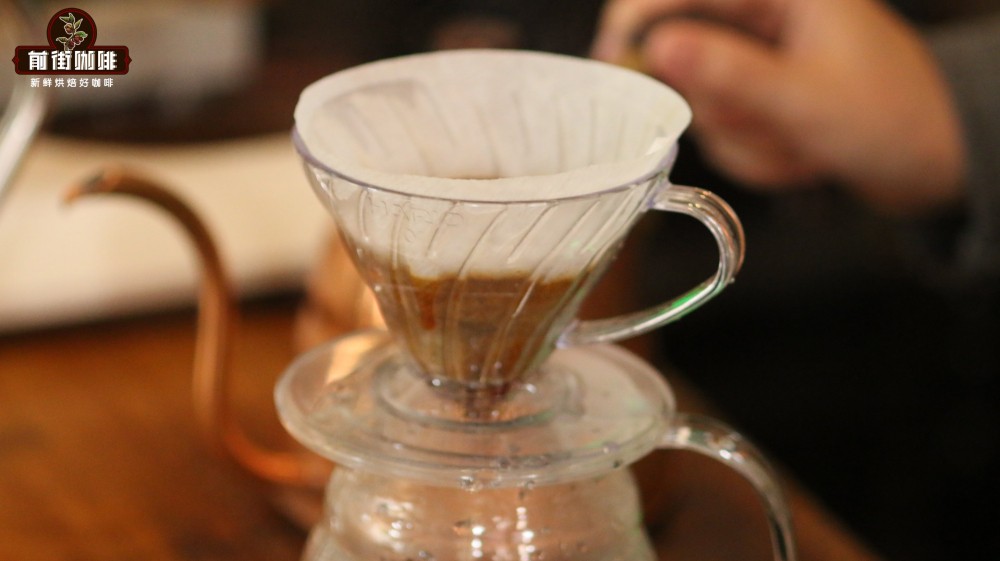
Pour in segments: bloom with twice the coffee weight in water — 30g of water for 30 seconds. Blooming lets the grounds release trapped carbon dioxide so the rest of the extraction runs steadily. With a small circular flow, pour to 125g in segments, then continue to 225g and stop. When the dripper has fully drained, remove it. Timing from the start of the first pour, extraction takes 2'00". Swirl the full cup evenly, then pour and taste.
FrontStreet Coffee's Flavor Notes:
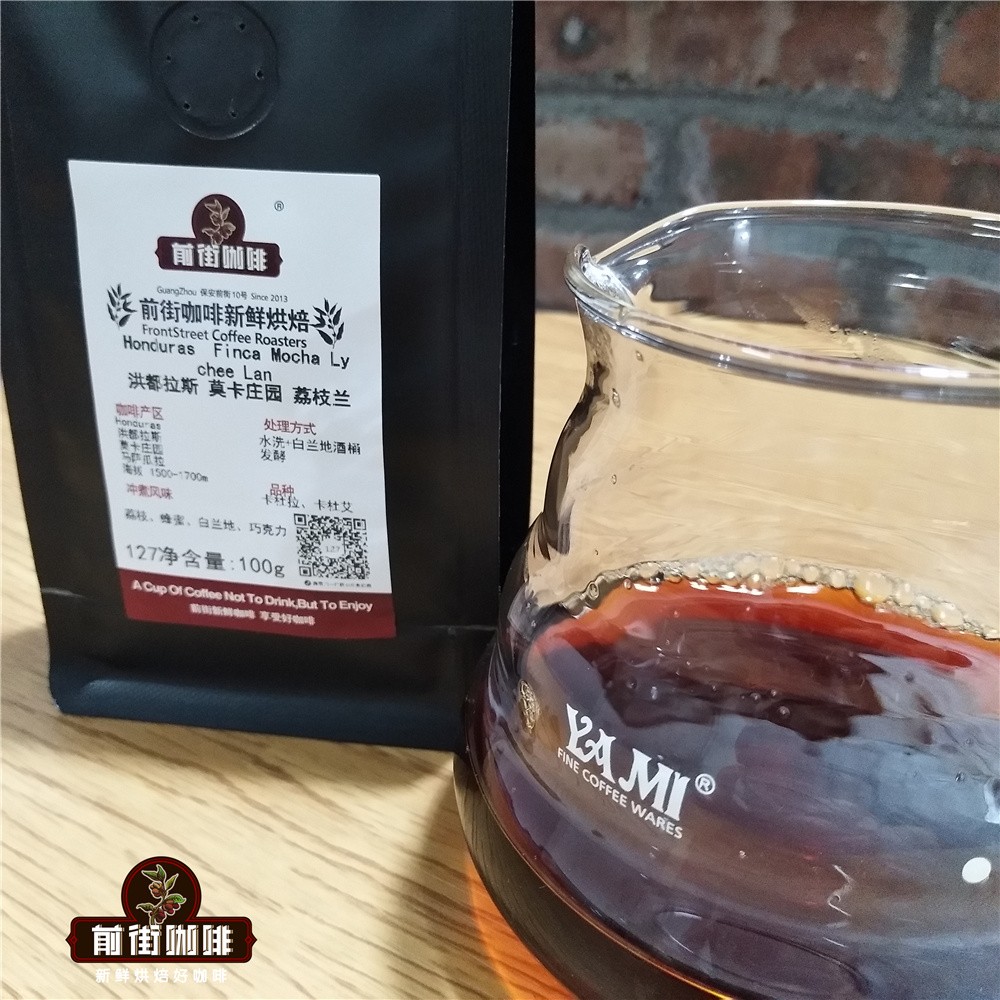
FrontStreet Coffee Sherry Coffee: Vanilla and cream on the nose; whiskey, berry, almond, and dark chocolate on entry, finishing with maple syrup.
FrontStreet Coffee Lychee Orchid Coffee: Cream, dark chocolate, honey, lychee, and brandy, with a relatively thick mouthfeel and clear sweetness. As the cup cools, the wine flavor grows more apparent with every sip.
FrontStreet Coffee's Brewing Suggestions:
FrontStreet Coffee has always believed that bean freshness has everything to do with cup quality, which is why every bag shipped was roasted within the past 5 days. The roasting philosophy is "Freshly Roasted Good Coffee," so every order arrives fresh. The ideal resting period is about 4-7 days, meaning the coffee is at its best the moment it reaches you.
If you need pre-ground coffee, one warm reminder: ground coffee needs no resting at all. During shipping, the pressure of the carbon dioxide building up in the package mellows the flavor, so you can brew immediately on arrival. But do brew it promptly — grounds oxidize quickly once exposed to air, the flavor fades faster, and the cup suffers. FrontStreet Coffee therefore recommends buying whole beans and grinding fresh before each brew.
For professional coffee knowledge exchange and more coffee bean information, follow Coffee Workshop (WeChat official account: cafe_style)
To browse more specialty coffee beans, add FrontStreet Coffee on WeChat: qjcoffeex
FrontStreet Coffee Recommendation
If you love exploring what different origins can do, Ethiopia — the birthplace of coffee — makes a fascinating counterpoint to Honduras. As the world's best-known specialty coffee origin, Ethiopia holds countless indigenous varieties, and coffee lovers treat it as a treasure land whose flavor rewards a lifetime of following.
The classic entry point is FrontStreet Coffee Washed Yirgacheffe: clear jasmine florals and bright citrus acidity in a light, elegant, tea-like cup — often described as a refreshing, clean lemon tea. Yirgacheffe itself is a small town in southern Ethiopia, spring-like and misty year-round, cool and humid, where thousands of coffee trees thrive and give the coffee its signature weave of floral aroma and fruit acidity.
Ethiopian coffee is mostly grown on a smallholder garden model: every farmer sends harvested cherries to a village-based processing station and sells the output under the team's name, which is why so many cooperative coffees exist — FrontStreet Coffee's Guodingding Cooperative, Worka Cooperative, and Konga Cooperative among them. The Guodingding Cooperative, in the Worka area at Yirgacheffe's southeastern tip, was once part of the YCFCU's Worka cooperative; in 2012, with about 300 member farmers, it became an independent cooperative. Because the fruit is stripped before drying, FrontStreet Coffee's Guodingding lot shows exceptionally clear, bright flavors — citrus and lemon tones with elegant white florals.
For the natural-process side of Ethiopia, FrontStreet Coffee's Huakui (Queen of Coffee) coffee comes from the Hambella sub-region of Sidamo Guji, from a 200-hectare farm using traditional sun-drying: ripe cherries are laid on raised beds for 21 days, turned constantly for even drying, with moldy or defective beans hand-picked out every three to five days, then hulled and given a final hand sort. Because the beans dry with pulp and skin intact, a medium-light roast reveals light fermented wine notes, florals, citrus, and mango — a far richer, more complex cup with honeyed sweetness, cocoa undertones, a touch of spice, and a thick body with a long finish.
Important Notice :
FrontStreet Coffee is a long-established specialty coffee roaster in Guangzhou China, selling freshly roasted beans from its own farm in Yunnan as well as dozens of carefully selected single-origin beans from around the world for both pour-over and espresso. The products deliver consistently excellent quality and great value, with shipping within 24 hours. Guangzhou's FrontStreet Coffee shop is recommended by many coffee lovers, and the beans are now available online at the Tmall 。
FrontStreet Coffee has moved to a new address:
FrontStreet Coffee Address: 315,Donghua East Road,GuangZhou
Tel:020 38364473
 Scan and follow the En Gafei WeChat official account. Please indicate that the reprint comes from "En Gafei".