What are the characteristics of Sidamo coffee beans - Introduction to Sidamo coffee taste and flavor

Ethiopia is the birthplace of coffee, home to countless varieties, and each of its coffee regions produces distinctly different flavors. Ethiopia is the world's sixth-largest coffee producer. According to reports, 100 million people worldwide were directly or indirectly involved in the coffee industry in 2018, with Ethiopian coffee professionals accounting for 20% of that total. In 2017, the country produced approximately 470,000 tons of green coffee and exported about 160,000 tons — meaning less than half of Ethiopia's production is exported, with the rest consumed domestically.
Coffee has been woven into Ethiopia's social fabric for hundreds of years. The country has eight major coffee-producing regions: Lekempti, Limu, Illubabor, Djimmah, Harar, Teppi/Bebeka, Sidamo, and Yirgacheffe.

Sidamo
Mention Yirgacheffe and you think of Yirgacheffe coffee; speak of Sidamo and one bean inevitably comes to mind — the "Hua Kui" coffee.
Sidamo is a renowned specialty coffee-producing region in Ethiopia, and its excellent flavor is inseparable from its growing environment. Sidamo grows on the southern Ethiopian highlands at altitudes between 4,600-7,200 feet (in Sidamo province), bordering Kenya, southeast of Djima, and directly south of the capital. Its annual production is approximately 225,000 bags of 60kg each. The region's greatest advantage lies in maintaining soil fertility through the recycling of organic matter — withered leaves from surrounding trees and plant root residues serve as fertilizer. This gives the coffee from different towns their own distinct differences and characteristics.

The most famous coffee-growing areas within the Sidamo region are Guji and West Arsi.
Sidamo green coffee beans are slightly grayish in color, with large beans in some areas and smaller ones in others. They combine soft yet bright acidity, appropriate body, and sweet, spicy flavors, making them one of the celebrated garden coffees of the southern Ethiopian highlands. FrontStreet Coffee finds that, unlike typical African coffees, Sidamo offers clear fruit acidity, a smooth mouthfeel, and delicate floral aromas.

Guji Region
Speak of the Guji region and you will certainly think of "Hua Kui" coffee. Guji was formerly part of Sidamo but was established as an independent new region by the Ethiopia Commodity Exchange (ECX) in 2010. Guji lies southeast of Yirgacheffe, with complex terrain of towering mountains, valleys, and plains. Its geology consists of fertile black soil (Vertisol) nearly two meters deep, at an average altitude above 1,800 meters. The pronounced day-night temperature differences created by this geography provide the terroir for producing high-quality specialty coffee.

The "Hua Kui" coffee bean comes from Hambella, in Guji — Ethiopia's largest coffee-producing region — administratively belonging to the Oromia region. Western Hambella faces Yirgacheffe Kochere across the mountains, the two separated by highlands reaching 3,200 meters in altitude and about 30 kilometers in width. To the southeast, east, and north it borders Guji's Shakiso, Uraga, and Kercha sub-regions respectively, making it the highest-altitude coffee sub-region in Ethiopia. FrontStreet Coffee believes it is precisely these growing conditions that give "Hua Kui" its excellent flavor!
Today there are nearly 20 processing plants of various scales in the Hambella region. In 2017, Ethiopia's DW green coffee company entered its beans in the TOH (Taste of Harvest) green coffee competition hosted by the African Fine Coffee Association. A natural-process batch from the "Buku Abel" processing plant won the TOH Ethiopia championship with its rich strawberry and cream aromas. That year, the lot was imported into China by the Beijing green coffee trader Hongshun, and in the same year Li Jianfei used the bean to take second place in the 2017 World Brewers Cup China competition. This Ethiopian bean outshone the many Geisha entries in the competition, thus earning the name "Hua Kui" — in Japanese, the term refers to the leading courtesan among geisha, a nod to the bean's outstanding quality.
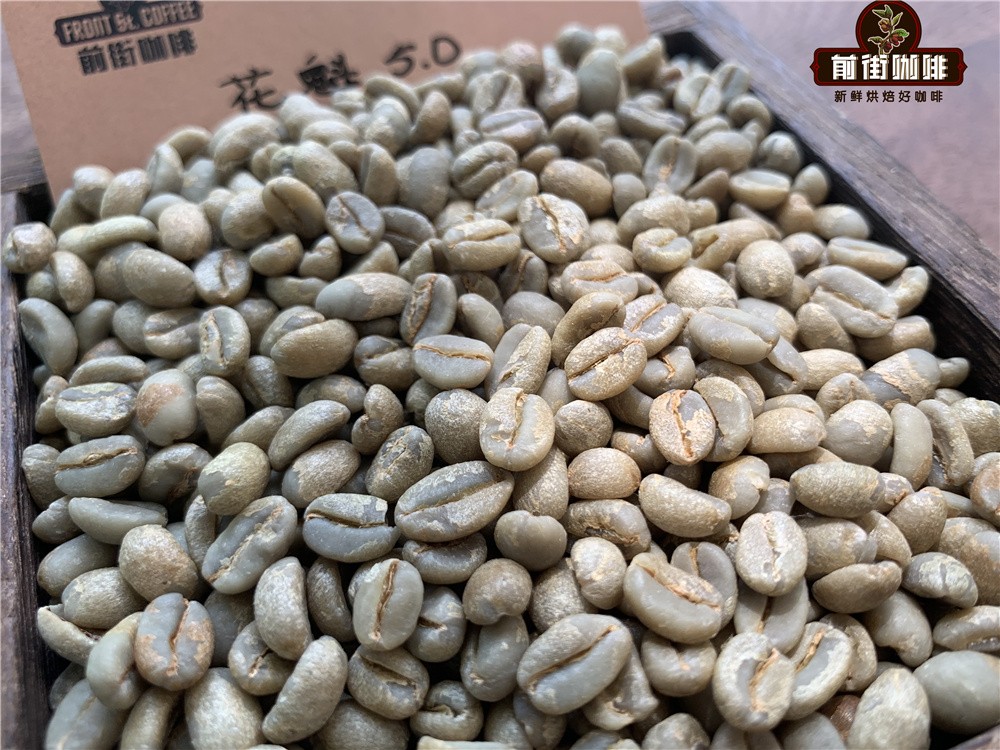
Coffee is an agricultural crop, naturally subject to climate and environmental conditions, and its flavor varies slightly from year to year. To mark these differences, successive harvests are named Hua Kui 2.0, Hua Kui 3.0, Hua Kui 3.1, Hua Kui 4.0, Hua Kui 5.0, and Hua Kui 6.0.
West Arsi Coffee Region
West Arsi is another specialty coffee-producing region within Sidamo. It lies between the famous Yirgacheffe coffee-growing area and Hararge, at altitudes of 1,900-2,200m, in the western part of the Sidamo region. The area takes its name from a branch of the Oromo people who have long lived here. West Arsi consists of three woredas (Ethiopian third-level administrative divisions): Arsi, Bale, and East Shewa. Approximately 88.52% of West Arsi's population is Oromo — significant in coffee history, because the Oromo were the first people in human history to drink coffee. Half of Ethiopia's coffee production comes from this region.
Coffee cultivation in West Arsi follows a smallholder model, with an average farm size of about 2-3 hectares per household — often slightly larger than the typical 1.5-2 hectares found in most Ethiopian regions. Although coffee cultivation techniques across Ethiopia are still developing, farming in West Arsi is advancing faster than in most regions. Farmers need not hire temporary or full-time workers; they harvest the coffee with help from their families, which gives them better control over quality. Processing stations typically pay a premium for fully ripe red cherries, which motivates farmers to keep standards high.
Natural Processing Method for Sidamo Coffee Beans
Beans from the Yirgacheffe region mostly use washed processing, while beans from the Sidamo region rely primarily on the natural process. FrontStreet Coffee believes the natural process gives Sidamo beans their rich fruit aromas and smooth mouthfeel.
During harvest season, farmers in Sidamo pick only mature red fruits, placing them one by one into baskets. The harvested cherries are uniform in size, similar in ripeness, and free of impurities. During processing, defective beans and immature or overripe cherries are first removed by hand. The red cherries are then spread evenly on raised wooden frames or whole drying racks for sun drying, avoiding the risk of the beans absorbing unwanted flavors from the ground.

Throughout drying, the beans are constantly turned to ensure even drying and uniform water loss. Every three to five days, workers hand-remove defective and moldy beans. Once the skin has dried and hardened, hulling machines strip away the dried husk, and after the green beans are obtained, farmers carry out one final sort in pursuit of perfect flavor. Thanks to all this care, a naturally processed Sidamo can reach the highest G1 grade.
FrontStreet Coffee's Brewing Recommendations:
How should you brew such excellent beans to bring out their best? FrontStreet Coffee believes freshness is the crucial factor — fresh beans let you appreciate the full richness of the coffee's flavors. Every bean FrontStreet Coffee ships was roasted within the past 5 days, because we know how strongly freshness affects flavor. Our roasting philosophy is "Freshly Roasted Good Coffee," ensuring every customer receives the freshest coffee possible. The resting period is about 4-7 days, so the coffee arrives at peak flavor.
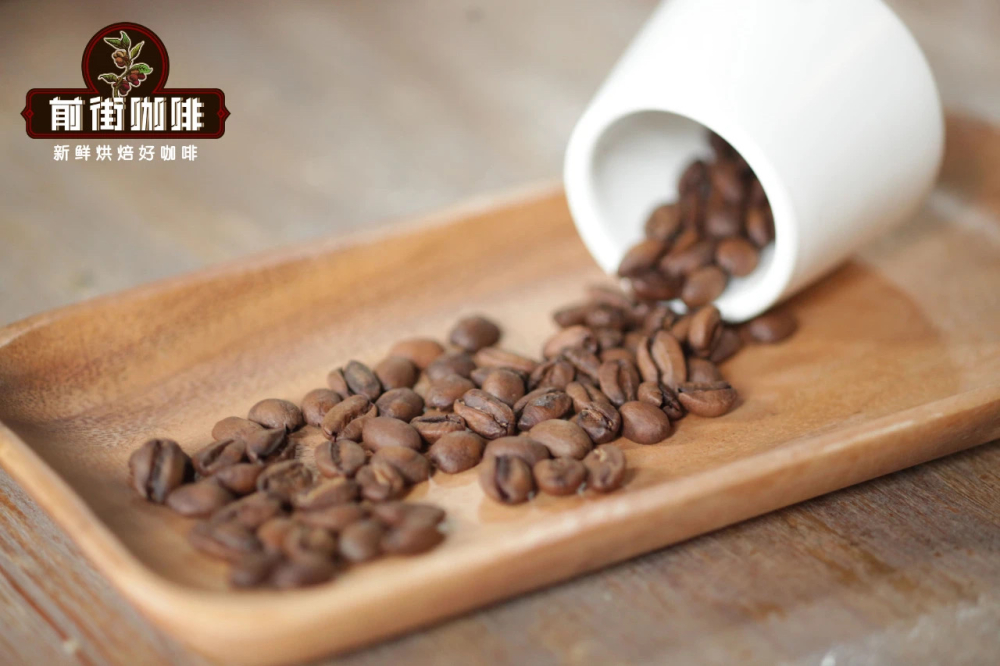
Of course, some customers ask FrontStreet Coffee to grind the beans for them, and that's fine too. But one reminder: pre-ground coffee needs no resting period — during transport, the pressure from carbon dioxide building up in the packaging helps mellow the flavor, so you can brew a cup the moment it arrives. Ground coffee, however, should be brewed promptly: it oxidizes quickly in air, the flavors dissipate relatively fast, and the coffee will not taste its best. That's why FrontStreet Coffee recommends buying whole beans and grinding fresh before each brew.
FrontStreet Coffee's Hua Kui Brewing Parameters:

V60 dripper, water temperature 90°C, coffee-to-water ratio 1:15, coffee dose 15g, grind size (80% pass-through rate on the China No. 20 standard sieve)
Use a segmented pour, blooming with twice the coffee dose in water (30g of water for 30 seconds). The bloom is essential — it lets the grounds release their internal carbon dioxide, ensuring a more stable extraction afterward. Using a small stream, pour in circles until you reach 125g, then continue pouring until 225g and stop. Remove the dripper once the water has finished dripping through. Time from the start of pouring: 2'00". Then pick up the carafe and swirl it gently to mix before pouring into cups for tasting.
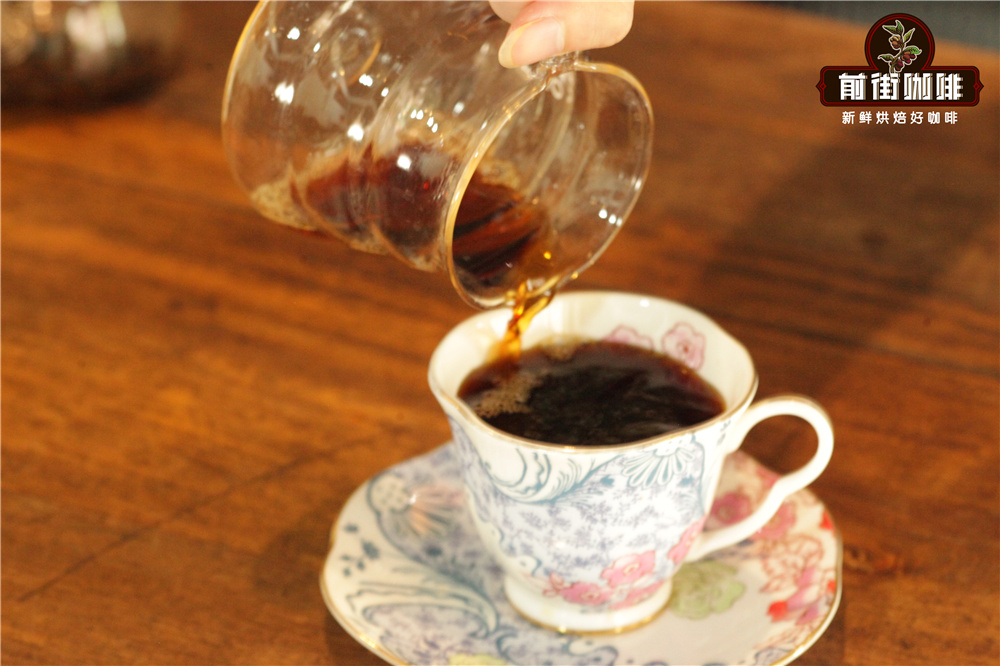
[FrontStreet Coffee 2025 New Crop Sidamo Hua Kui Flavor]: Floral, berries, citrus, sweet-and-sour plum, mango juice, honey, with a sweet black tea aftertaste.
[Natural Process West Arsi Flavor]: A berry-juice mouthfeel at high temperatures, gradually revealing plum, nectarine, mango, and a honeyed aftertaste as it cools.
FrontStreet Coffee Recommendation
If Sidamo's naturals have charmed you, FrontStreet Coffee's Ethiopian lineup is the perfect companion shelf. For the washed side of the coin, the FrontStreet washed Yirgacheffe delivers white jasmine florals and bright citrus and lemon acidity with a tea-like finish — the classic introduction to this birthplace of coffee. The FrontStreet Guodingding Cooperative lot from the Worka region, pulped before drying for extra clarity, offers citrus-lemon tones and elegant white florals, while the FrontStreet natural Red Cherry beans — dried whole for three to five weeks on raised beds and turned every 2-3 hours early on — pair classic Yirgacheffe character with tropical fruit: citrus acidity, berry-juice texture, honeyed sweetness, and creamy smoothness.
To brew any of them, FrontStreet suggests a V60 with 15g of coffee, a 1:15 coffee-to-water ratio, water at 90-91°C, and a grind passing 80% through a #20 sieve (EK43s at setting 10, about the size of fine granulated sugar). Bloom with 30g of water for 30 seconds, pour to 125g, then top up to 225g once the bed has drained to two-thirds, finishing between 2:00 and 2:10 — and enjoy the full spectrum of Ethiopian flavor.
Important Notice :
FrontStreet Coffee is a long-established specialty coffee roaster in Guangzhou China, selling freshly roasted beans from its own farm in Yunnan as well as dozens of carefully selected single-origin beans from around the world for both pour-over and espresso. The products deliver consistently excellent quality and great value, with shipping within 24 hours. Guangzhou's FrontStreet Coffee shop is recommended by many coffee lovers, and the beans are now available online at the Tmall 。
FrontStreet Coffee has moved to a new address:
FrontStreet Coffee Address: 315,Donghua East Road,GuangZhou
Tel:020 38364473
 Scan and follow the En Gafei WeChat official account. Please indicate that the reprint comes from "En Gafei".