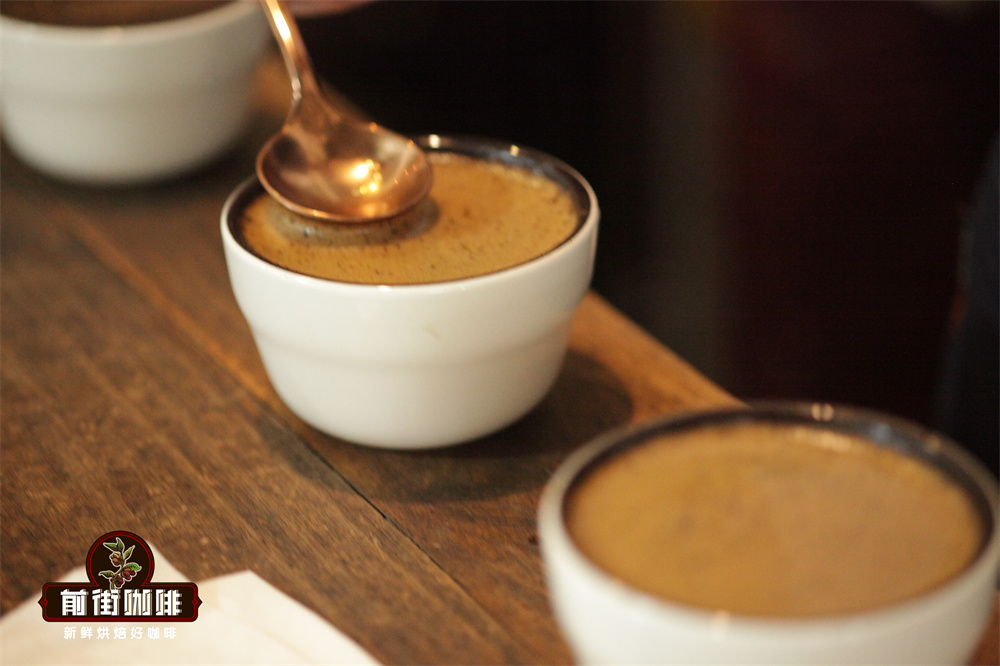
How many origins does Yirgacheffe have? What are the characteristics of Yirgacheffe pour-over coffee?
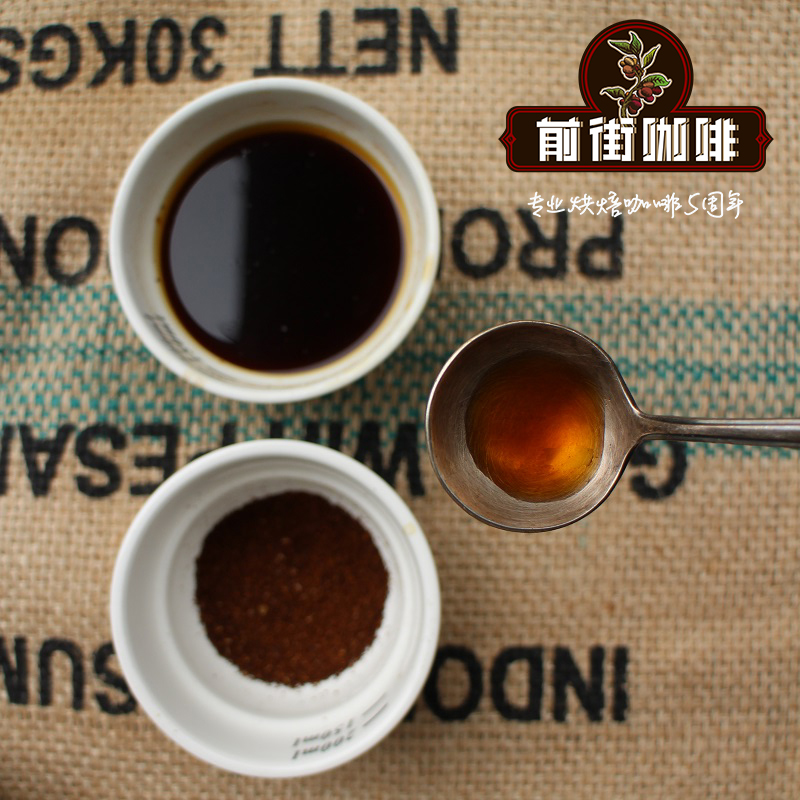
FrontStreet Coffee Introduction - Yirgacheffe Growing Region
The Yirgacheffe we all know is one of Ethiopia's major coffee regions. The others include Sidamo and Harar, plus smaller names like Limmu. Within each major region sit smaller sub-regions — inside Yirgacheffe alone you'll find Kochere, Aricha, Hambela, and even village-level growing areas. Because Ethiopian coffee estates are not formally demarcated, coffee is generally labeled by major region, sub-region, village area, and washing station.
Ethiopian coffee is processed two ways: natural (dry) and washed, and the cup differences are dramatic. Broadly, washed coffee runs slightly lighter in body and earthy notes, while natural processing gives you the wilder flavors.
Harar, in the eastern highlands (Harerge province), grows coffee at altitudes between 5,000-7,000 feet. Until the 20th century, coffee still grew wild on those slopes. Roasted, Harar throws off powerful chocolate aromas with a wild mouthfeel, moderate acidity, and rich texture — the classic mocha profile. Good Harar lots carry jasmine aromatics and a fermented, wine-like aftertaste, and Harar still processes its green beans with traditional natural methods today.
That said, Harar is genuinely hard to drink in China, because wealthy Gulf-state buyers have long snapped up nearly the entire crop.
Sidamo, in the southernmost Ethiopian highlands at 4,600-7,200 feet (Sidamo province), sits directly south of the capital and typically shows prominent sweetness — which is exactly why so many people love it. Natural-processed Sidamo mostly ships as G4, while washed Sidamo, processed more finely, mostly ships as G2. Natural Sidamo is floral with a faint earthy undertone; washed Sidamo carries nutty fruit aromas with light cocoa. Both, though, share a smooth mouthfeel, rich body, and comfortable, pleasant acidity and aroma. Medium roast suits the single-origin side; dark roast suits blends and makes a fine Espresso base.
Yirgacheffe, meanwhile, is a name in two parts: Yirga is a town in Sidamo meaning "settle," and Cheffe means "municipality." Grown in the southern Ethiopian highlands at 5,700-7,800 feet, in northwestern Sidamo province, it too leads with prominent sweetness — and it's one of the single origins you can most easily find on café menus.
At the washing stations, harvested cherries ferment in water-filled tanks while workers stir them with simple wooden rakes. When the fruit turns soft and pulpy, it is depulped and washed, leaving only parchment-covered beans; after a final washing, the beans dry right outside the station. The flavor lands between lemon and citrus, with excellent viscosity and complex character.
Parameters & Brewing Method
Dose: 15g; medium-fine grind (BG 5R: 58% pass-through on China standard #20 sieve); water temperature 90°C, powder-to-water ratio 1:15. Bloom with 31g of water for 30 seconds, small-stream center pour to 122g, continue to 227g, then remove the filter cone when the liquid drops to just short of exposing the coffee bed (timing starts from the bloom). Extraction time is two minutes.
Flavor
Aroma of lemon and nuts; lemon acidity on entry; clean sucrose sweetness with light floral notes; an oolong-tea-like aftertaste.
FrontStreet Coffee Recommendation
To bring Yirgacheffe home, FrontStreet Coffee's washed Yirgacheffe daily bean is the classic first pour: white jasmine, bright citrus and lemon acidity, and that unmistakable tea feel, all at a friendly price — the single most common gateway into Ethiopian coffee. Its washed Gedeb Chelbesa cooperative lot goes one level deeper. From the Worka area at Yirgacheffe's southeastern tip, the Chelbesa cooperative split off from the YCFCU union as an independent "single origin" in 2012, and its traditional washed processing yields G1-grade beans with clean citrus, lemon, orange, jasmine, and green-tea notes and zero conventional bitterness.
For the natural side of the family, FrontStreet Coffee's Red Cherry lot — whole-ripe-cherry sun-drying, turned every 2-3 hours early on, three to five weeks on the beds — pairs the citrus signature with berry juiciness, honeyed sweetness, and a cream-smooth body. However many Yirgacheffe sub-regions there are, these three cover the map beautifully.
Important Notice :
FrontStreet Coffee is a long-established specialty coffee roaster in Guangzhou China, selling freshly roasted beans from its own farm in Yunnan as well as dozens of carefully selected single-origin beans from around the world for both pour-over and espresso. The products deliver consistently excellent quality and great value, with shipping within 24 hours. Guangzhou's FrontStreet Coffee shop is recommended by many coffee lovers, and the beans are now available online at the Tmall 。
FrontStreet Coffee has moved to a new address:
FrontStreet Coffee Address: 315,Donghua East Road,GuangZhou
Tel:020 38364473
 Scan and follow the En Gafei WeChat official account. Please indicate that the reprint comes from "En Gafei".