An Introduction to Sumatra Coffee Origin, Is Sumatra Coffee Good, and Characteristics of Sumatra Mandheling Coffee
People once chased rich, full-bodied coffee above all; these days many prefer the floral, fruity acidity of Ethiopian coffee. But none of that has changed one fact: Mandheling remains the most full-bodied coffee in the world.
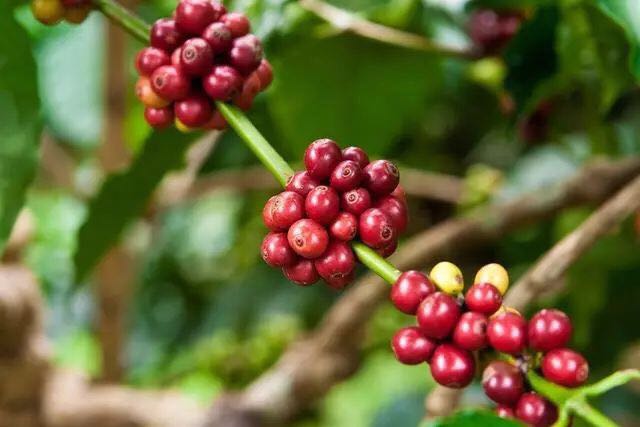
Mandheling is one of FrontStreet Coffee's staple beans, with Golden Mandheling the most popular of all. Mandheling gives a sense of substance and reliability while remaining full of character - Golden Mandheling especially. With its rich coffee flavor, Sumatran Mandheling has been a connoisseur favorite since coffee's earliest popularity. Grown in Sumatra's environment and soil, it offers woody tones and a full-bodied texture, restrained flavor, lively yet moderate acidity, and distinctive notes of herbs, cedar, cocoa, and fermented fruit. Mandheling represents the most classic of Indonesian coffees, accounting for only 25% of the Arabica produced in the country: a wonderful classic taste with rich flavor, body, and lively vibrancy, yet without astringency or excessive acidity - richness and bitterness in full expression.
Sumatra Coffee Origins
Indonesia, in Southeast Asia, has a coffee history dating back to 1696, when Dutch plantation owners went looking for broader coffee-growing territory. After extensive exploration they settled on the island of Java, and within 30 years Indonesia had built a solid foundation in the coffee market.

Yet today's representative Indonesian coffee is Mandheling from Sumatra - hardly surprising, since much of the Java coffee originally exported to Europe actually came from the Sumatra region, and Mandheling originates from Sumatra. Sumatra can be considered one of Indonesia's essential coffee origins.
Sumatra coffee is also known simply as "Sumatra Coffee." The country's main production areas include Java, Sulawesi, and Sumatra islands, with 90% of output being Robusta. The most famous of all is the "Mandheling" of Sumatra Island. The finest traditional Arabica from northern Sumatra is marketed as Lintong and Mandheling. Specifically, Lintong refers to coffee grown in a small area southwest of Lake Toba in the Lintong administrative region, where smallholdings are scattered across a high, undulating clay plateau covered with ferns. Lintong coffee is grown without shade and without chemicals, almost entirely in private smallholder hands. Mandheling is the broader term, covering Lintong coffee plus similar growing conditions in Diari (capital Sidikalang) and the northern Lake Toba areas.
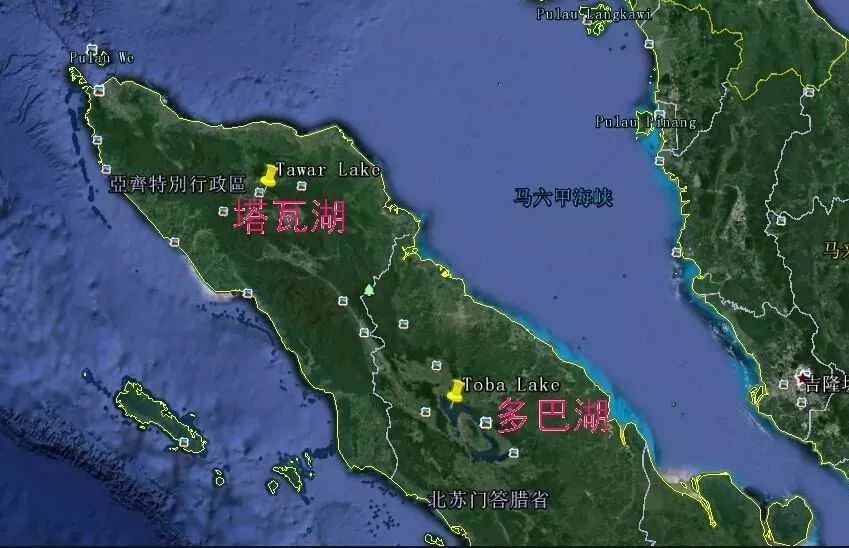
Sumatra's coffee landscape is complex and elusive. Though the island is large, not all of it grows coffee. Coffee is cultivated extensively only in the two northernmost of the island's eight provinces: Aceh and North Sumatra. Aceh coffee comes mainly from the Gayo Mountains around Lake Tawar, where farmers are mostly local Gayo people; North Sumatra coffee comes primarily from the Lake Toba area (the world's largest super-caldera) and the southern Lintong area, where farmers are mostly Batak people.
Aceh sits at the northwesternmost tip of the archipelago. Straddling the equator, it has a typical tropical equatorial maritime climate - summer heat all year, with an average annual temperature of about 27°C, hot and rainy. From October to March, influenced by Asian and Pacific air currents, it's Indonesia's rainy season with abundant rain and a cooler climate; from April to October, dry continental currents from Australia bring little moisture, making it the dry season.

Lintong Mandheling
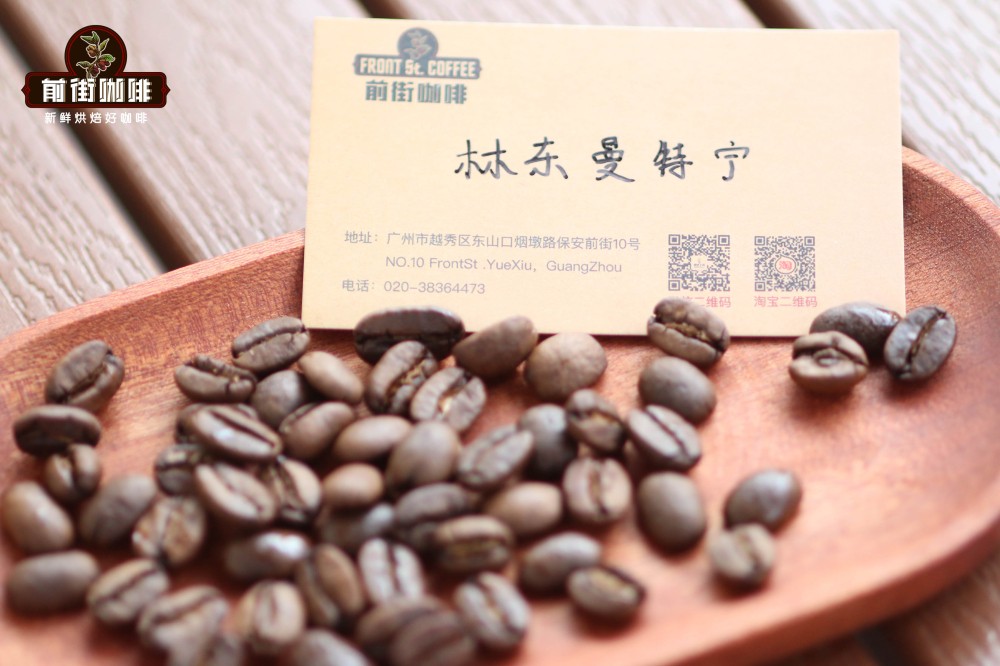
Lintong Mandheling is produced in the Lintong highlands of north-central Sumatra near Lake Toba, at 1400-1800 meters, from the Jember, Garundang Typica, and Ateng varieties. Specialty Mandheling from the Lintong region has larger beans and harder bean quality.
Indonesian coffee quality varies enormously, but the coffee we usually call Mandheling is Typica or its variants grown in the highlands around Lake Toba. Connoisseurs worldwide have said: "Sumatran Mandheling is the most textured coffee in the world." Mandheling beans are larger and harder, but because they carry more defects they demand strict sorting during processing.
Lake Tawar lies in the Gayo mountains of northern Aceh Province - a crater lake left by an eruption millions of years ago, its surface at 1,100 meters. Early transport difficulties meant coffee cultivation only began there in the 1930s, at altitudes of 1,200-1,600 meters, mostly under traditional shade. Natural morning mist and cool clouds, midday sunshine, and frequent afternoon showers create a microclimate and volcanic soil highly suited to coffee. The beans grown here are large and emerald green, so Taiwanese connoisseurs dubbed them "Emerald Mandheling"; internationally they're more often called Lake Tawar Mandheling.
Golden Mandheling Coffee
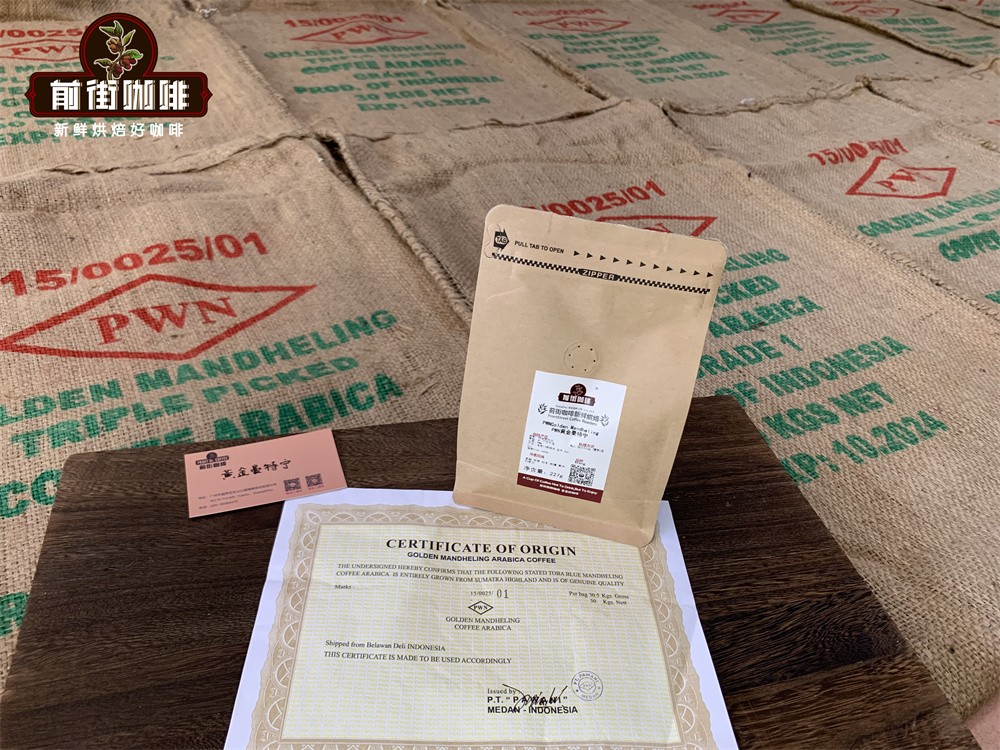
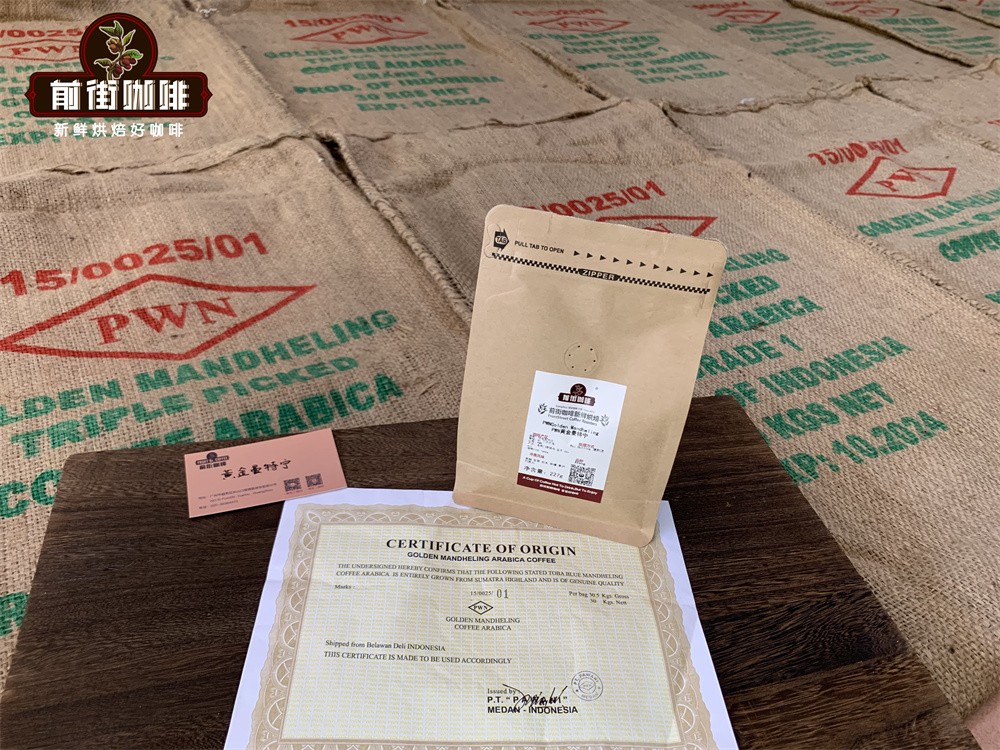
The famous PWN Golden Mandheling of the specialty coffee world is produced from the Gayo mountains of Aceh. Unlike ordinary Mandheling, "Golden Mandheling" is not only a grade of specialty Mandheling but also a registered trademark of PWN (P.W.N. Indonesia) - only Golden Mandheling produced by PWN is the genuine article.
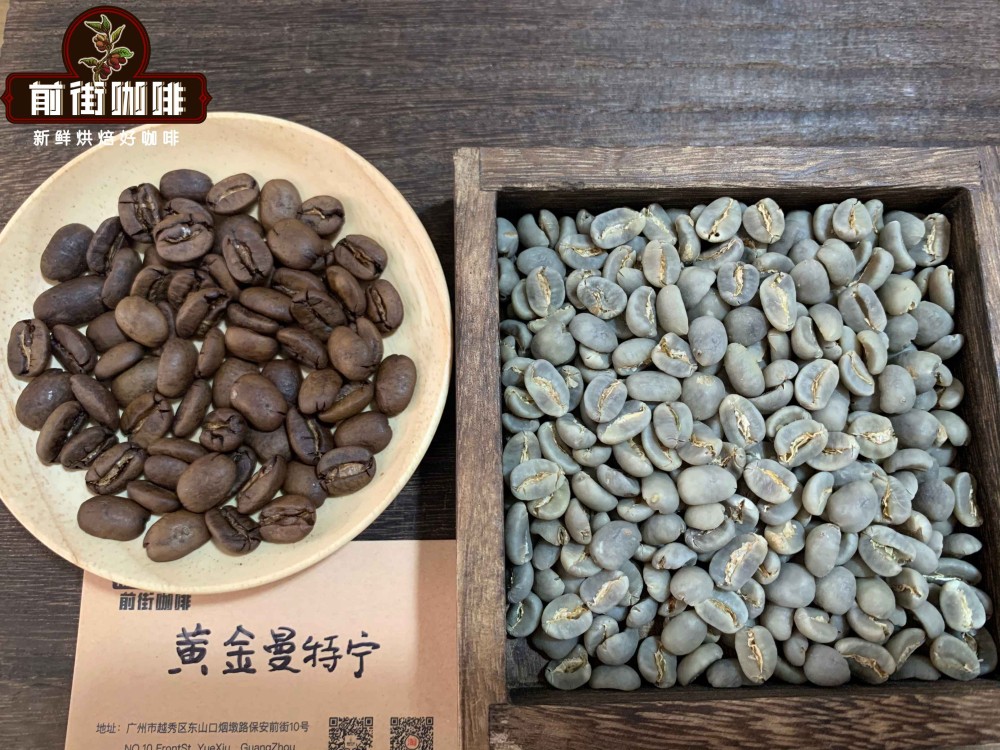
PWN applies strict selection standards to the Golden Mandheling it sells: only beans of 18 mesh or larger, with fewer than 3 defective beans in a 300g green sample - the top G1 grade - darker green in color and regular flat-bean shape. After processing, the greens are density and color sorted, then hand selected. After four careful sortings in total, PWN Golden Mandheling presents uniform color and consistent bean shape. Legend has it that during processing the green beans emit a golden luster in the sunlight, hence the name.
Mandheling Coffee Bean Varieties
As early as 1658 the Netherlands transplanted descendants of "European Typica mother plants" to Sri Lanka, but the attempt failed. In 1699 the Dutch moved Malabar coffee trees from eastern India to Java; that trial succeeded, and Typica grew steadily there. In 1718 the Dutch transplanted Java's proven Typica to Sumatra and Sulawesi. After more than a century of propagation, just as Indonesian Typica reached its peak, a leaf rust epidemic swept through most of the country's Typica at the end of the 19th century, and hardier varieties like Robusta had to be introduced.
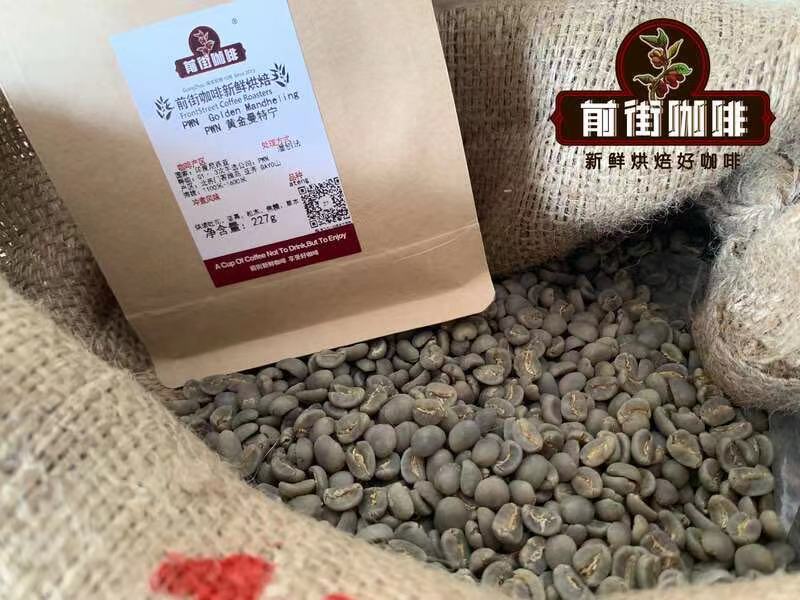
Mandheling varieties today are usually Timtim and Ateng, both carrying Robusta genes. Timtim is Timor Hybrid, an Arabica line with Robusta blood; Ateng is Catimor, a hybrid of Caturra and Timor Hybrid. Because both carry Robusta genes, and because the relatively low cultivation altitude can't generate the strong day-night temperature swings that build more refined flavors, Timtim and Ateng naturally carry distinctive herbal, woody-incense, and spice notes.
Mandheling's Unique Wet-Hulling Process
Indonesia's weather is dominated by rain and typhoons, with year-round humidity - the reliable sunshine sun-drying requires simply isn't available, and the more costly washed method is out of reach for local growers. Hence the uniquely local wet-hulled (giling basah) method, defined by staged, rapid drying and hulling while the parchment is still moist. As the coffee writer Han Huaizong put it: "this is a rare processing method anywhere in the world, and it accidentally created Mandheling's special low acidity, thickness, and mellow aroma."
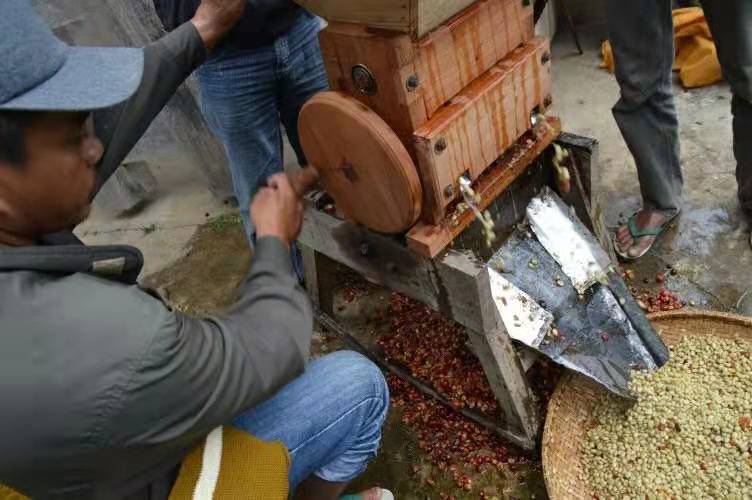
Wet hulling is a rapid process: the cherry's skin and pulp are removed, the beans are briefly fermented and dried, then the mucilage and parchment are milled off, with drying continuing until moisture reaches 12%. Wet-hulled Mandheling beans show varying degrees of compression and cracking, with color leaning dark green. Because the method shortens drying to only two to four days, the fermentation period is short, acidity drops significantly, and body rises in proportion - with obvious caramel and fruit aromas, even herbal, grassy, and woody scents - forming Sumatra's unmistakable regional flavor.
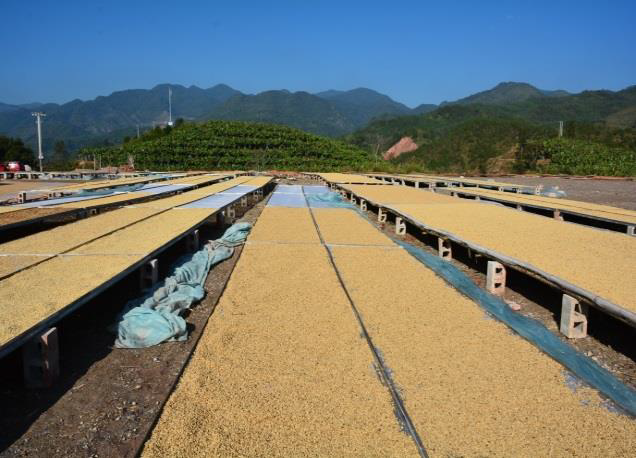
Defects and Kuku Kambing (Goat-Hoof Beans)
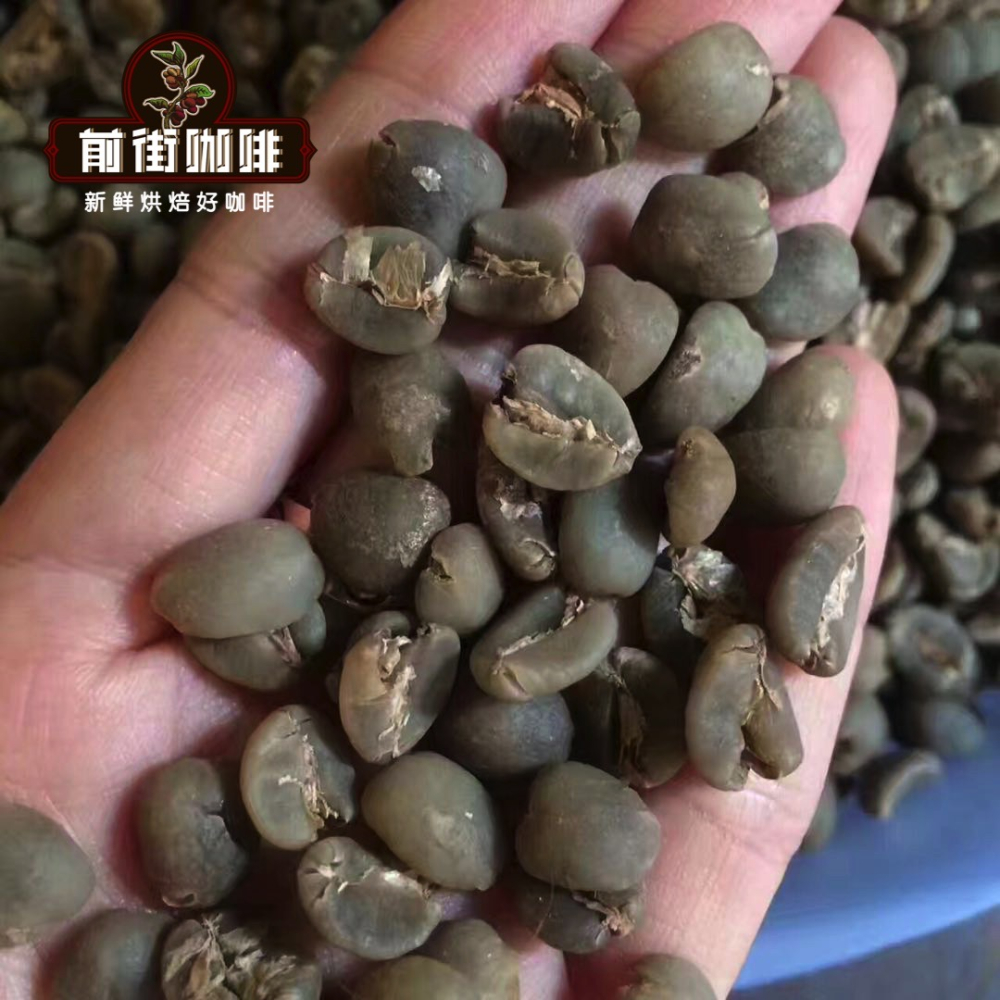
Mandheling has another signature: goat-hoof beans. These are not defects. During wet hulling the beans' moisture is still as high as 20-24%, whereas in conventional processing coffee is hulled at 10-12%. In this "semi-dry" state the parchment clings to the green beans, making hulling harder than with fully dry beans and demanding greater friction. Meanwhile semi-dry greens are fragile, far softer than fully dried beans, so they compress and split more easily, forming small clefts - the so-called horse-hoof or goat-hoof beans (kuku kambing in the local language).
FrontStreet Coffee's Mandheling Brewing Parameters
For daily brewing of medium-dark Mandheling, FrontStreet Coffee generally uses a KONO dripper, which makes the mouthfeel rounder and fuller and the flavor more direct. The trade-off is poorer exhaust efficiency: the KONO's ribs run straight and only a quarter of its depth, so the upper three-quarters of the bed seals against the wall.
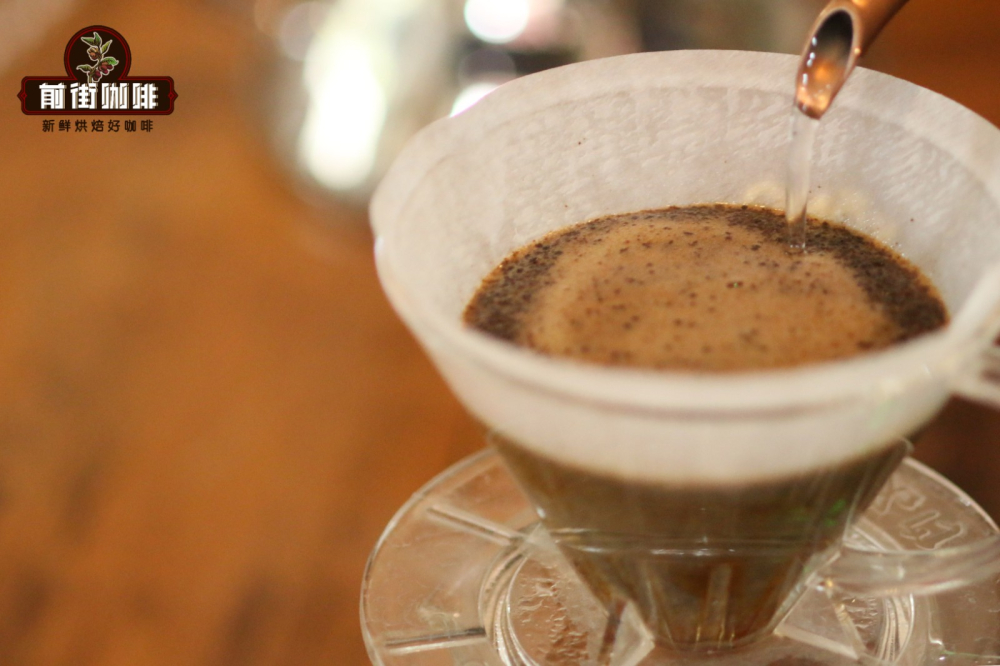
KONO dripper: water temperature 88°C; coffee 15 grams; ratio 1:15; grind size medium-fine (75% pass on the #20 sieve, China standard).
Use three-stage extraction: bloom with twice the coffee weight - 30 grams of water for 30 seconds - so the grounds release their internal CO2 and the later extraction runs more evenly. Then pour in small circles to 125 grams, pause, and continue to 225 grams before stopping. Once the dripper finishes dripping, remove it. Timed from the first pour, total extraction is 2'00". Swirl the full cup to even it out, then pour and taste.
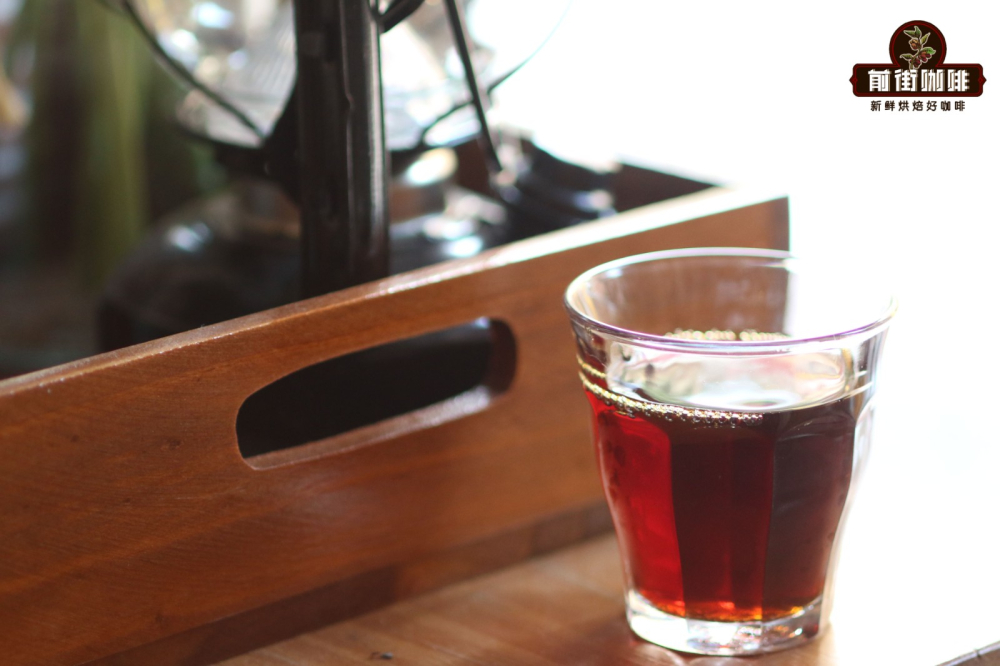
FrontStreet Coffee's Golden Mandheling flavor characteristics: multi-layered, full-bodied and clean, highly balanced, with rich nut and caramel aromas, chocolate notes, and a persistent aftertaste.
FrontStreet Coffee's Lintong Mandheling flavor characteristics: herbal notes on entry, dark chocolate, caramel, and a sweet finish.
FrontStreet Coffee's Brewing Suggestions
On brewing, FrontStreet Coffee has always believed bean freshness profoundly affects flavor, so every bag ships within 5 days of roasting. Our roasting philosophy is "freshly roasted good coffee," ensuring each order arrives at its freshest. The resting period runs about 4-7 days, so by the time coffee reaches customers it is exactly at its flavor peak.
A gentle reminder for those who need pre-ground coffee: there's no need to rest pre-ground beans, because during shipping the pressure of the CO2 released in the package actually rounds out the flavor - you can brew a cup the moment it arrives. But ground coffee must be brewed promptly: once grounds meet air they oxidize quickly, flavor dissipates, and the cup won't be as good. That's why FrontStreet Coffee recommends buying whole beans and grinding fresh before each brew to taste the coffee at its best.
FrontStreet Coffee Recommendation
Why Sumatra Matters
Coffee's story runs through Ethiopia, but it didn't leave that origin as a beverage until the late 15th century, and by the 17th century it was sweeping Europe. Colonial powers raced to plant coffee in their territories, and at the end of that century the Dutch brought seedlings to Java. The trees thrived and spread to Sumatra; "Java" became a byword for coffee itself. When leaf rust devastated Java in the early 20th century, Indonesian cultivation shifted north, and today Sumatra is the country's largest source of both Arabica and Robusta, accounting for more than 60% of national output. The high-elevation provinces of Aceh and North Sumatra grow mostly Arabica - the coffee the world calls Mandheling. The Aceh region means the Gayo Mountains near Lake Tawar, wrapped in thousands of hectares of vegetation, with delicate aromatics and a bright cup; the traditional heartland is Lintong around Lake Toba, whose diverse flora, ideal altitudes, wet-hulled processing, and local microbial fermentation create the classic profile: intense aroma, thick body, powerful flavor.
The Golden Mandheling Standard
Among the many Mandhelings on the market, Golden Mandheling is the one that satisfies detail-obsessed coffee lovers. FrontStreet's Golden Mandheling comes from Indonesia's PWN company, which holds it to extremely strict standards: starting from screen-18-and-above beans, every 300g sample must contain fewer than 3 defects to meet the top G1 grade, followed by hand sorting that raises both cleanliness and sweetness. Those standards explain both the bean's standing and its limited supply - authentic Golden Mandheling goes mainly to the Japanese and US markets, and genuinely original lots are scarce. In FrontStreet's product listing you'll find the PWN certificates and bags bearing the PWN mark, which is what separates FrontStreet's Golden Mandheling from imitators.
How to Make Mandheling Taste Its Best
Mandheling is usually roasted dark (or medium-dark) to soften acidity and accentuate its rich, mellow character while keeping its wild herbal edge. FrontStreet's Lintong Mandheling and PWN Golden Mandheling come from Lintong and Aceh respectively. For pour-over, use 87-88℃ water, 15g of coffee, a 1:15 ratio, a coarse-granulated-sugar grind size, and a three-pour method: 30ml to saturate and degas, 100ml to wash down the golden crema and lift the bed, then a gentle 95ml center pour to boost sweetness - for a thick, full body with caramel sweetness over chocolate and nuts. On an espresso machine, Mandheling pulls a crema-rich, intense shot with pronounced caramel. For milk drinks, the best-selling FrontStreet Classic Blend layers medium-dark Mandheling over Brazilian creamy-nut flavors - butter, roasted chestnut, caramel - adding sandalwood, herbal, and spice tones plus a touch of Robusta for crema, equally at home in latte art or a Dirty.
Important Notice :
FrontStreet Coffee is a long-established specialty coffee roaster in Guangzhou China, selling freshly roasted beans from its own farm in Yunnan as well as dozens of carefully selected single-origin beans from around the world for both pour-over and espresso. The products deliver consistently excellent quality and great value, with shipping within 24 hours. Guangzhou's FrontStreet Coffee shop is recommended by many coffee lovers, and the beans are now available online at the Tmall 。
FrontStreet Coffee has moved to a new address:
FrontStreet Coffee Address: 315,Donghua East Road,GuangZhou
Tel:020 38364473
 Scan and follow the En Gafei WeChat official account. Please indicate that the reprint comes from "En Gafei".