History of Major Brazilian Coffee Growing Regions and Flavor Characteristics - Which Brazilian Coffee Brand is Best?
Whenever there is a transportation strike or an extreme climate event in Brazil, coffee bean prices follow and rise. In 2021 alone, Arabica coffee bean futures prices doubled.
Brazil's coffee bean production in 2020 was approximately 63.4 million bags (60 kg each), accounting for 37.4% of the global market share. If Brazilian coffee production declines, global coffee bean futures rise accordingly.

The History and Development of Brazilian Coffee
Compared with Ethiopia, the world-recognized birthplace of coffee, Brazilian coffee cultivation began in 1727. At first, production was minimal and intended only for domestic use. Later, during the American Revolutionary War, Washington publicly declared coffee a patriotic beverage in order to break ties with Britain. The number of coffee shops in the United States surged and coffee bean imports rose dramatically, opening a trade opportunity for Brazil.
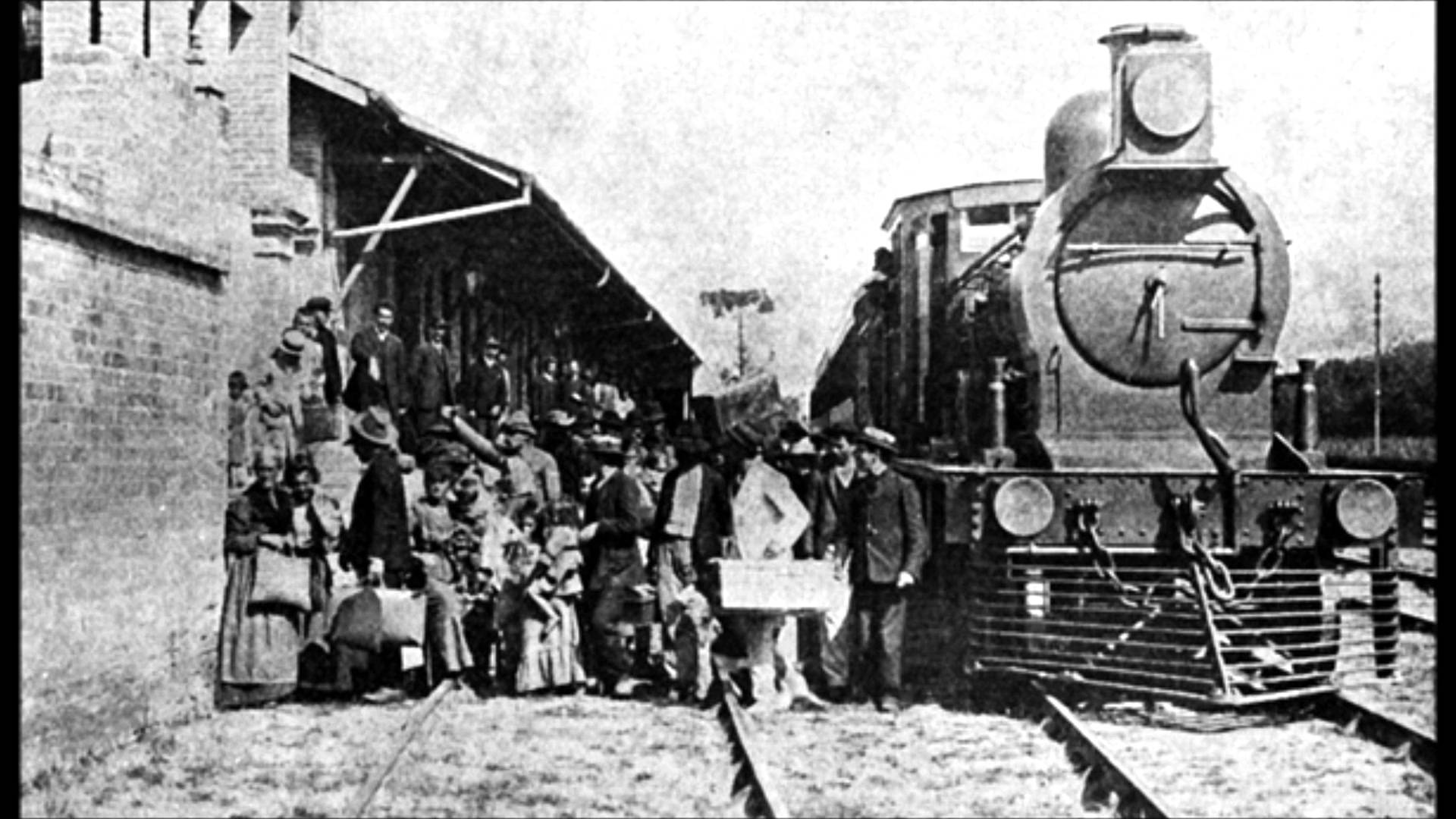
Brazilian coffee cultivation expanded rapidly in the nineteenth century. By the mid-nineteenth century, Brazilian coffee accounted for half of the country's total exports. Coffee brought enormous economic benefits, even funding railway construction that let plantations deep inland transport beans to port more conveniently and scale up quickly.
By the 1860s, coffee had become an essential military supply during the American Civil War. Demand for Brazilian coffee rose significantly, and because the Typica variety yielded so little, the higher-yielding Bourbon variety was introduced from Réunion Island. By the 1870s, Bourbon had become Brazil's main coffee cultivar.
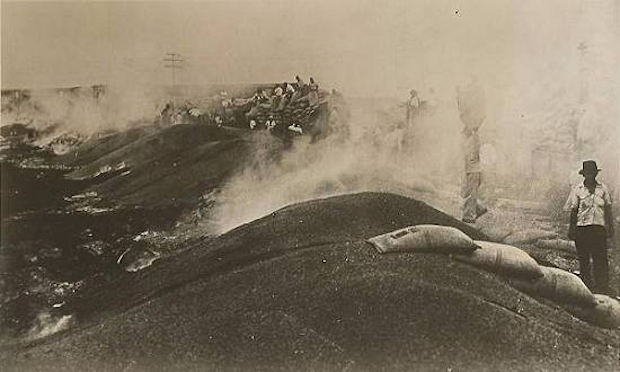
Unfortunately, in the early 1930s the United States suffered the Great Depression. At that time Brazilian coffee production already accounted for about 80% of the global total. As the largest consumer of Brazilian coffee, the United States could no longer afford the cost of coffee, leaving Brazilian beans unsold and stored in warehouses. The larger the pile, the more severe the depreciation, until the Brazilian government had no choice but to burn 78 million bags of coffee.
Brazilian Coffee Production Regions
Brazil is a country abundant in coffee, with 17 of its 21 states producing it. Production, however, is concentrated mainly in six states: Bahia, Espirito Santo, Minas Gerais, Sao Paulo, Parana, and Rondonia.
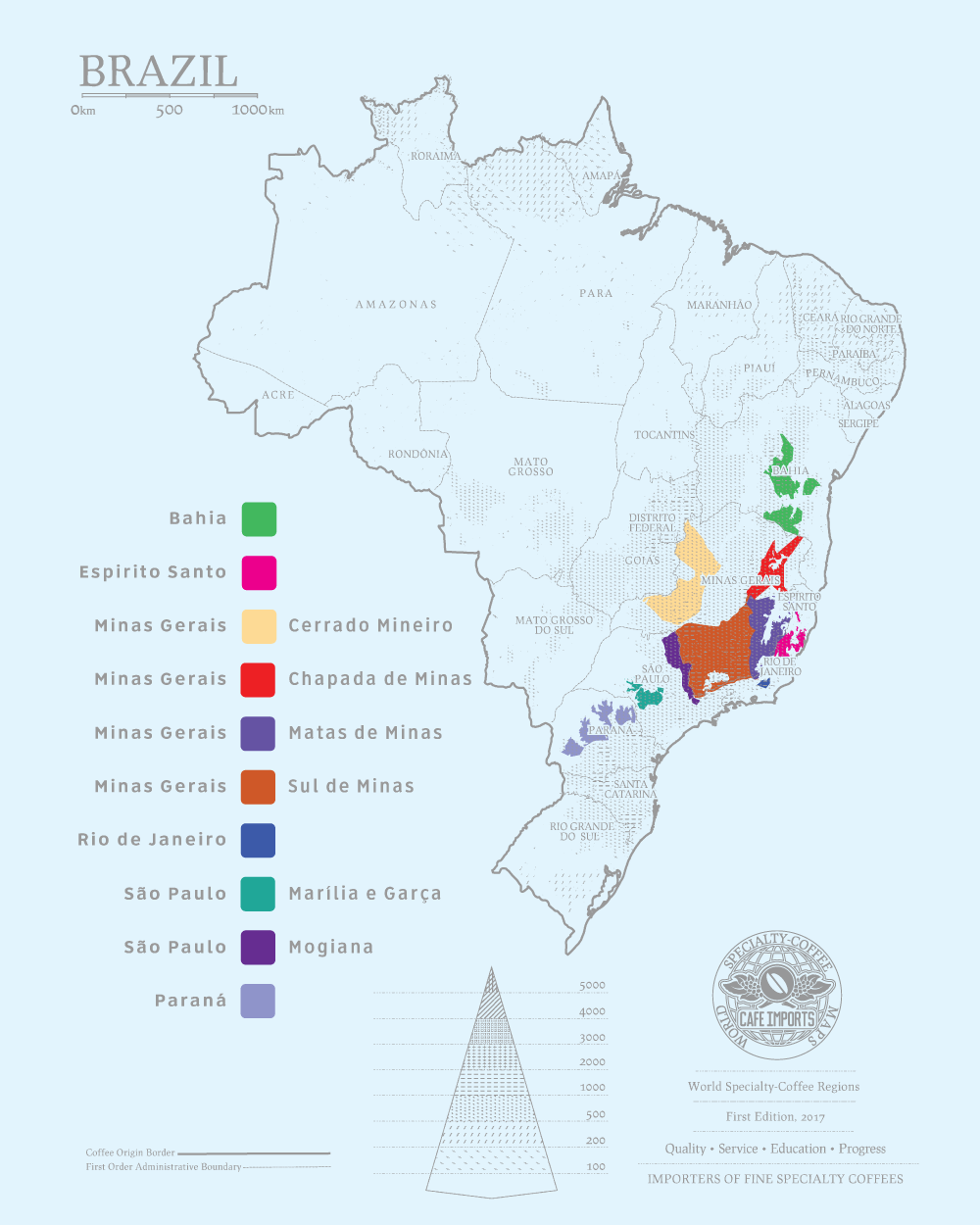
The main differences between coffee-producing countries lie in the soil, altitude, and temperature of the farms where coffee is grown. Brazilian coffee beans are characterized by weak acidity, noticeable sweetness, and a smooth mouthfeel. On FrontStreet Coffee's bean list there are only two coffees from Brazil: Brazilian Red Bourbon and Brazilian Queen's Estate.
Among them, the Brazilian Red Bourbon sits in the daily coffee series, which reflects how much emphasis FrontStreet Coffee places on it.
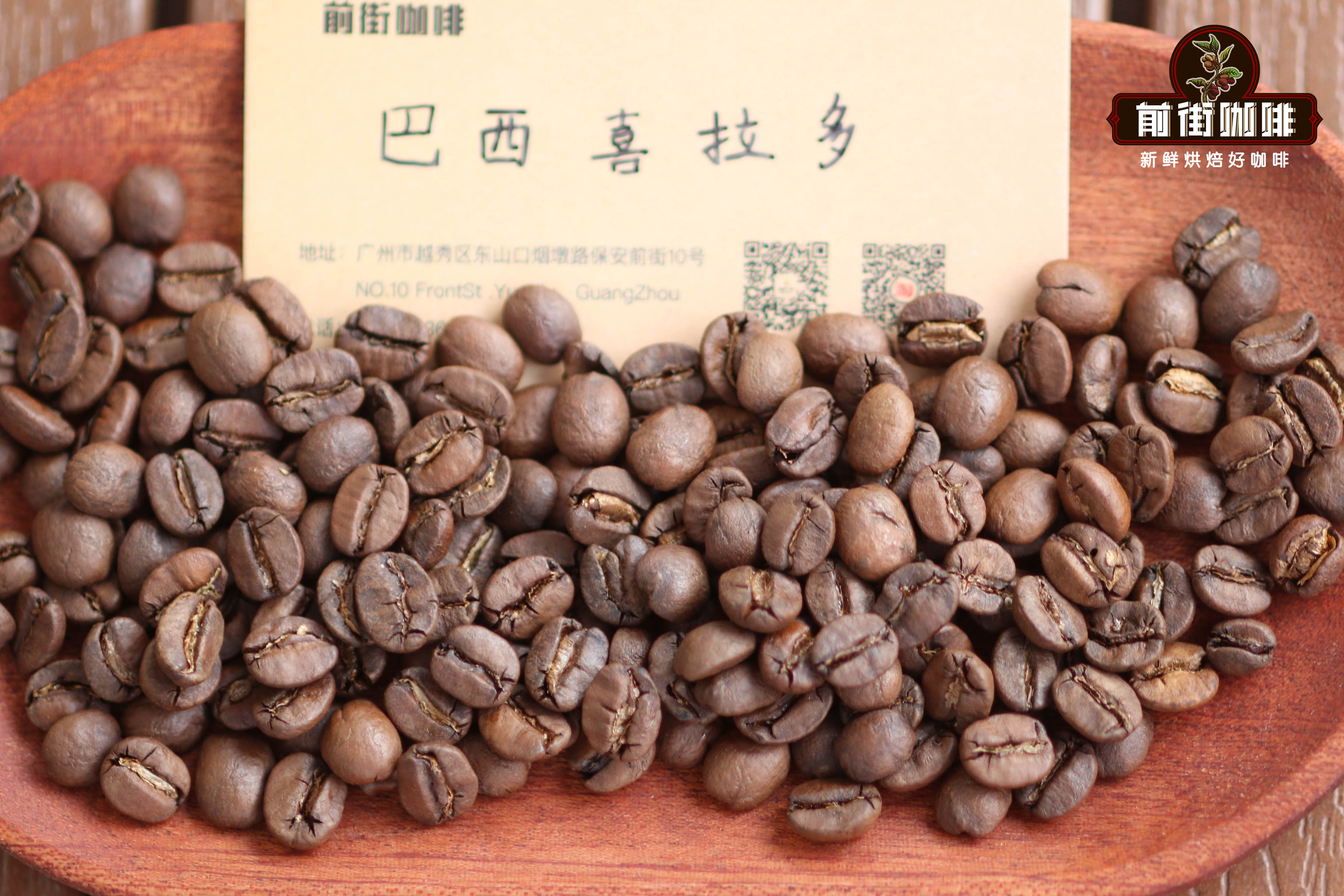
FrontStreet Coffee: Brazilian Red Bourbon
Country: Brazil
Region: Cerrado, Minas Gerais State
Altitude: 1000 meters
Variety: Red Bourbon
Processing Method: Semi-washed
The semi-washed method is the prototype of honey processing. In 1990, Brazil wanted to adopt washed processing to increase coffee bean exports, but because of its dry weather and scarce water, and the significant capital investment that washed processing requires, it invented the Pulped Natural method - the semi-washed method.
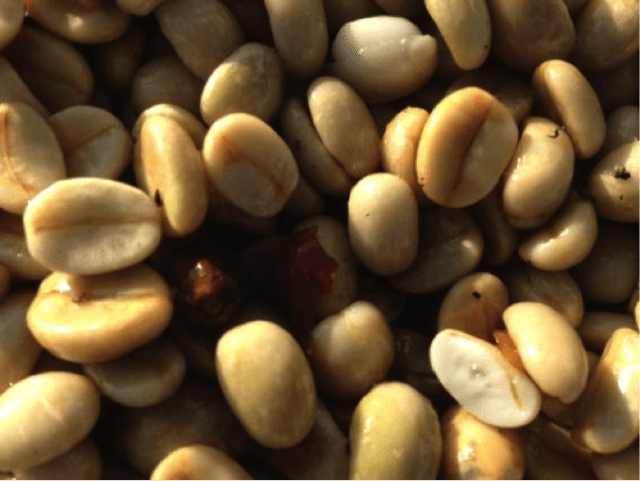
Removing the skin and pulp while retaining some mucilage for drying takes less time than the oldest, most primitive natural processing, while effectively improving the quality of the raw beans and the flavor of the coffee. Brazil's traditional semi-washed method also provided a useful reference for coffee-producing countries in the Americas that lack funding and water resources. Costa Rican honey-processed coffee is an excellent example.
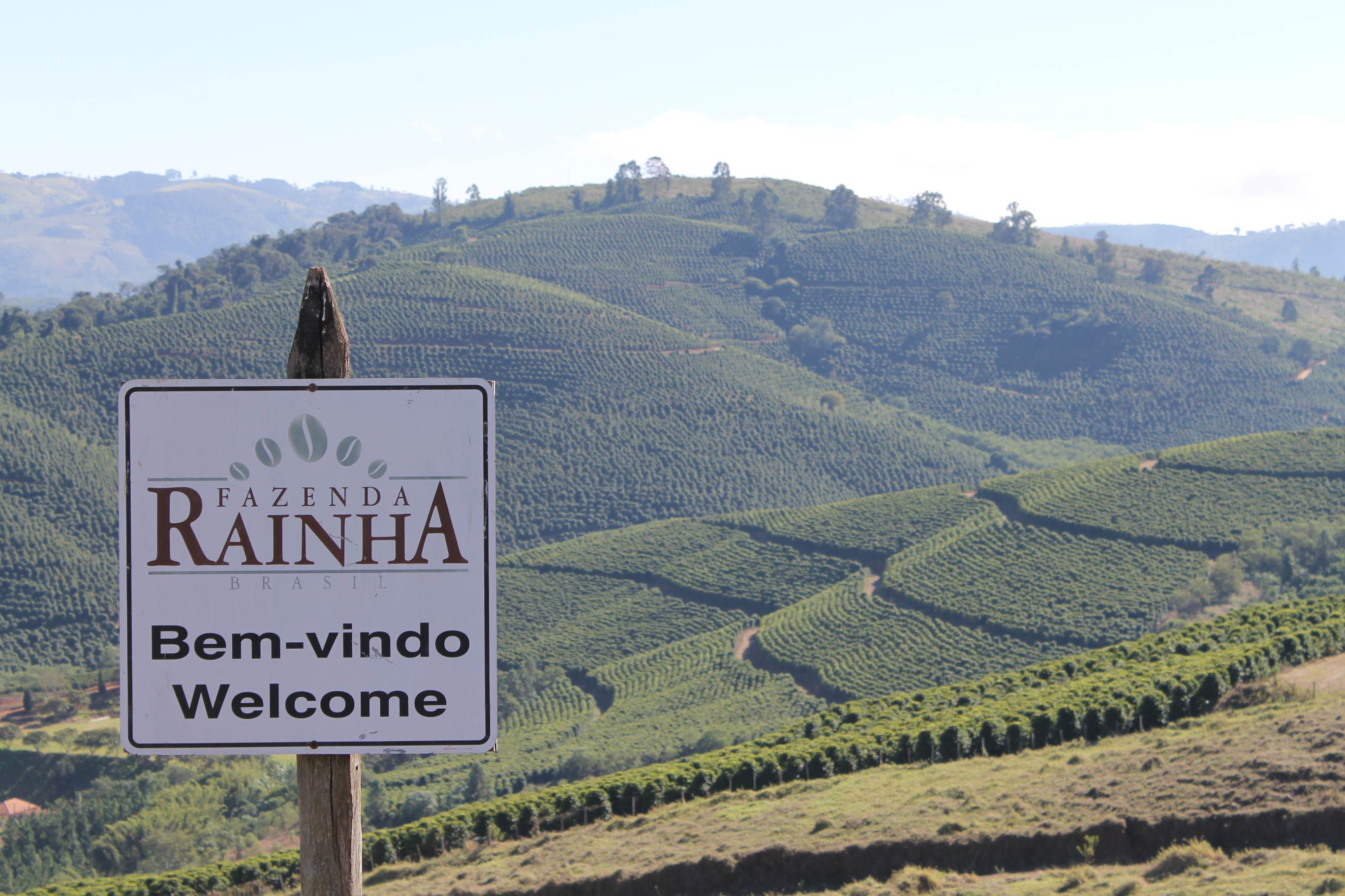
This Brazilian Red Bourbon from FrontStreet Coffee comes from the Cerrado region, part of the main producing area of Minas Gerais State. This state accounted for about 40% of Brazil's coffee production in 2020. Coffee cultivation altitude in the Cerrado ranges from 800 to 1200 meters. Cerrado was the first coffee region in Brazil to obtain Brazilian origin certification, and it consists mainly of large-scale plantations.
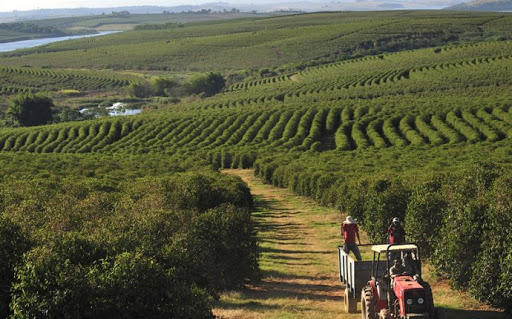
The Brazilian semi-washed Red Bourbon in FrontStreet Coffee's daily coffee series has rich nutty and chocolate flavors, caramel sweetness, a smooth, silky mouthfeel, and overall balance.
There is also a Brazilian Yellow Bourbon in FrontStreet Coffee's Brazil section for comparison. The Brazilian Yellow Bourbon on the bean list comes from Queen's Estate in the Mogiana region of Sao Paulo State. The Mogiana region has rugged terrain, high altitude, a mild climate, and fertile red volcanic soil, making it easy to produce high-quality beans.

FrontStreet Coffee: Brazilian Queen's Estate
Region: Mogiana Region, Sao Paulo State, Brazil
Estate: Queen's Estate
Altitude: 1400 meters - 1950 meters
Variety: Yellow Bourbon
Processing Method: Natural
Through cupping beans from different regions, FrontStreet Coffee has found that fertile soil is a necessary condition for producing high-quality coffee. As soil fertility increases, coffee tree yields rise and the trees better resist coffee plant diseases - particularly important for Arabica varieties. Mineral-rich soil also has a significant beneficial impact on the flavor of healthy coffee fruits.
Queen's Estate has a planting area of 280 hectares, of which 200 hectares are planted with Yellow Bourbon. Cupping Red Bourbon against Yellow Bourbon, FrontStreet Coffee found that Yellow Bourbon has more noticeable sweetness, a faint lemon aroma, and more intense fruit flavors. Scientific verification has found that Yellow Bourbon has more sugar content than Red Bourbon because its mucilage layer is richer and contains more sugary substances.
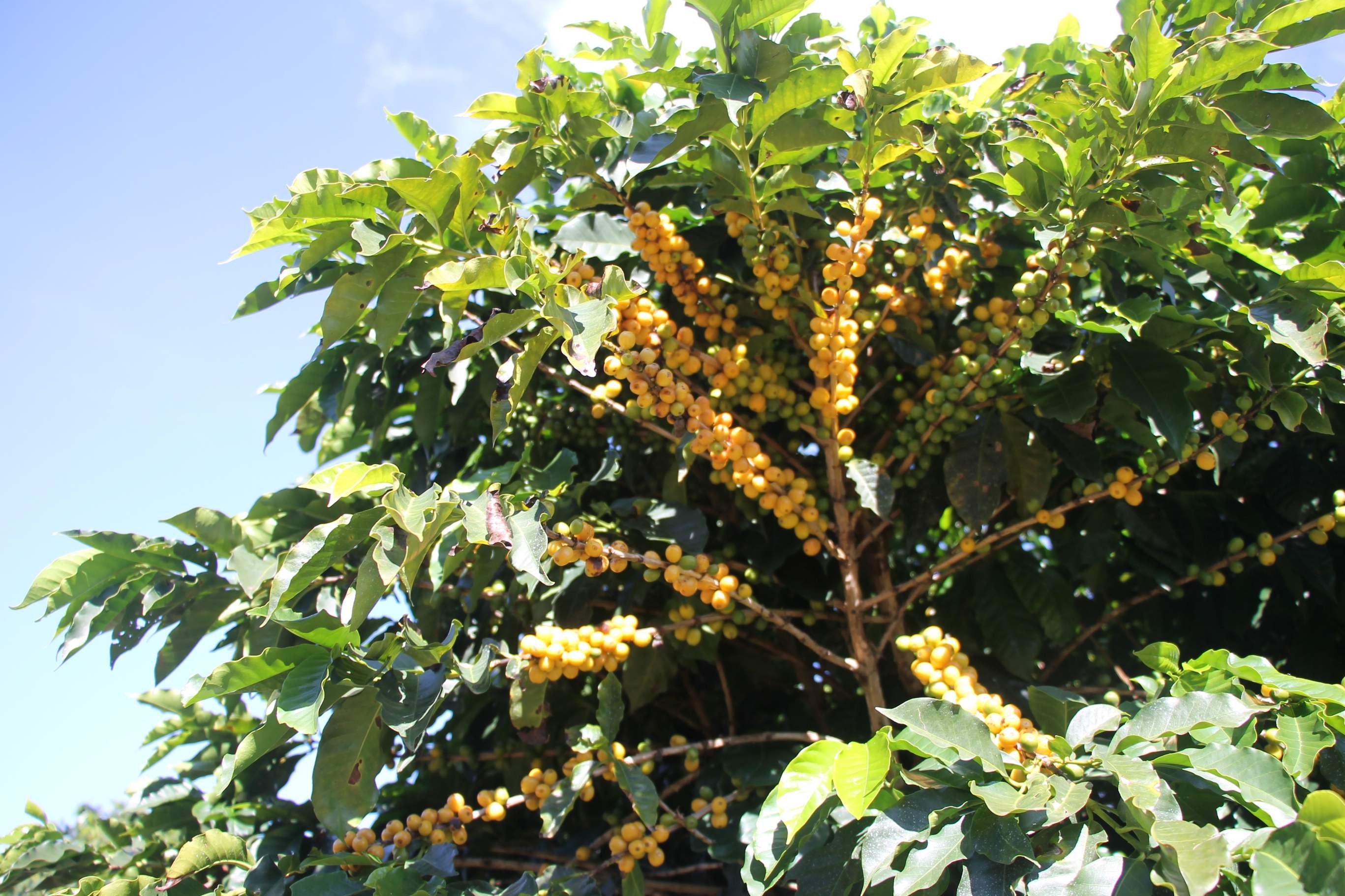
FrontStreet Coffee's Queen's Estate Yellow Bourbon uses natural processing, which further amplifies the bean's already noticeable sweetness. Because natural processing requires more labor, Queen's Estate uses small-scale natural processing to safeguard quality, spreading the cherries evenly on African raised beds to dry. This avoids the undesirable fermentation flavors caused by uneven turning and the earthy flavors caused by contact with soil.
When FrontStreet Coffee's roaster received these carefully processed raw beans from Queen's Estate, and considering the need to highlight the Yellow Bourbon's sweetness, the characteristic nutty notes of Brazilian coffee, and a smooth, rich mouthfeel, they chose a medium-dark roast.
When brewing this coffee, since it is medium-dark roasted, FrontStreet Coffee suggests a dripper with a slower flow rate, such as the KONO dripper. To avoid over-extraction from too slow a flow, set the water temperature to 88 degrees Celsius with a slightly coarser grind. For richer layers, FrontStreet Coffee recommends a three-stage pour.

Dripper: KONO dripper
Water temperature: 88 degrees Celsius
Coffee amount: 15 grams
Coffee-to-water ratio: 1:15
Grind size: 70% pass-through through a #20 sieve
First pour 30 grams of water for a 30-second bloom, then slowly pour in a small circular motion for the second pour to 125 grams. Wait until the water level in the dripper drops by half, then gently pour the third stage to 225 grams. When the water has completely dripped into the container below, remove the dripper. Total extraction time is approximately 2 minutes.
FrontStreet Coffee Recommendation
If Brazil's gentle, nutty, low-acid character appeals to you, start with FrontStreet's Cerrado Red Bourbon. As a classic Brazilian single origin, it is roasted medium to bring out creamy peanut, toasted bread, caramel, and hazelnut aromas; the body is round and smooth, not acidic, with a light bitter edge. It works equally well as pour-over or in a moka pot, espresso SOE, siphon, or French press.
For something rarer, FrontStreet's Queen's Estate Yellow Bourbon comes from Mogiana, where fertile red volcanic soil feeds the fruit to a full, rounded aroma. The rare Yellow Bourbon - a natural mutation of Red Bourbon - delivers a cleaner fruit character and, whether brewed as pour-over, moka pot, or home espresso, a sugarcane-like freshness with fruit and chocolate notes that other regions rarely show.
Brazil is also the backbone of FrontStreet's espresso line. Because of its low acidity, balanced cup, and approachable price, beans like the Classic Blend, Artisan Blend, and Black Cocoa Blend all include Brazilian coffee - adding chocolate and cream aromas plus a soft sweet-sour-bitter balance that keeps extraction stable.
Important Notice :
FrontStreet Coffee is a long-established specialty coffee roaster in Guangzhou China, selling freshly roasted beans from its own farm in Yunnan as well as dozens of carefully selected single-origin beans from around the world for both pour-over and espresso. The products deliver consistently excellent quality and great value, with shipping within 24 hours. Guangzhou's FrontStreet Coffee shop is recommended by many coffee lovers, and the beans are now available online at the Tmall 。
FrontStreet Coffee has moved to a new address:
FrontStreet Coffee Address: 315,Donghua East Road,GuangZhou
Tel:020 38364473
 Scan and follow the En Gafei WeChat official account. Please indicate that the reprint comes from "En Gafei".