What Variety is Lychee Blue Coffee Bean? What is the Flavor Profile of Lychee Blue Cold Brew?
Beyond the classic flavors traditional processing methods deliver, the constant development and innovation in coffee have brought many changes to the way beans are handled. Years ago, if someone told you coffee could taste like wine, you would have found it hard to believe. Now many people will not drink coffee without that wine character. Of course, FrontStreet Coffee does not necessarily advocate that preference, because every processing method has its own character, and that is what makes the world of coffee so wonderfully varied and beautiful.
The joy of appreciating coffee lies in tasting the different flavors that different processing methods bring. When it comes to wine-flavored coffee, nothing is more popular than Honduras's barrel-aged method. This technique gives a unique wine aroma that made the coffee explode across the coffee world in 2019, with many people falling for the intoxicating world of wine fragrances. Besides Honduras's sherry barrels, there is another coffee worth trying: Honduras's Litchi Orchid. Today FrontStreet Coffee will share the story behind this Honduran bean, so let us explore it together.
Honduran Coffee
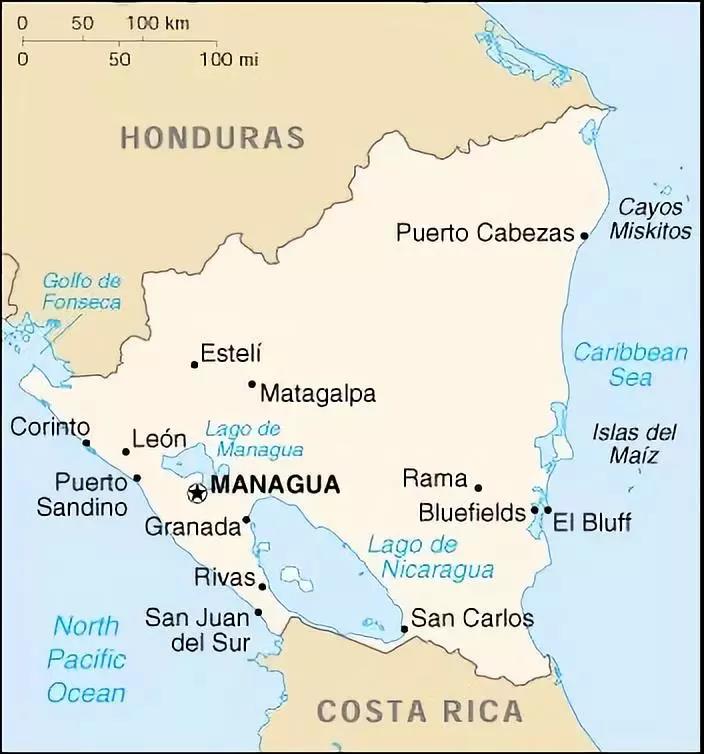
Honduras is a Central American country surrounded by renowned coffee-producing neighbors such as Nicaragua, El Salvador and Guatemala. Its coffee is not commonly seen abroad, yet in 2011 Honduras became the highest coffee-producing country in Central America. Most of it, however, is exported to Germany and the United States, and much is also consumed domestically, which is why it is considered a niche origin. Most of the country consists of mountains or plateaus with a tropical climate, while the coastal areas have a tropical rainforest climate. In terms of growing conditions, Honduras does not necessarily stand out among its neighbors, but its coffee plantation area reaches as much as 280,000 hectares, made up mainly of small-scale farms, which account for more than half of Honduran coffee production.
Because most coffee is grown on mountainsides, conditions such as high altitude, large temperature swings, abundant rainfall and sufficient sunlight all meet the requirements for cultivation. Machines cannot work these slopes, though, so all picking is done by hand, making sure only fully ripe cherries are selected. The cherries are then processed, which guarantees high-quality coffee and has gradually opened doors for Honduran coffee in the global market.

Coffee Varieties
Honduran coffee cultivation focuses on Arabica varieties, including Bourbon, Caturra, Catuai and Pacas. Litchi Orchid, however, uses the country's most common varieties: Caturra and Catuai. Caturra was discovered in 1937 in Caturra, Brazil, and named after the town. Its yield and disease resistance are superior to Bourbon, while it keeps Bourbon's advantages of a short plant and easy harvesting. Catuai is a hybrid of Caturra and Mundo Novo. It has good disease resistance, but its flavor is slightly inferior to Caturra's.
Coffee Regions and Estates
This estate is called Moca Estate and lies in the Marcala region. Marcala is a municipality in Honduras's Intibuca department, south of the Jesus de Otoro valley. The region's altitude is not especially high, averaging around 800 to 1,000 meters, though the higher areas reach 1,500 meters. Moca Estate is a small estate within the Marcala region.
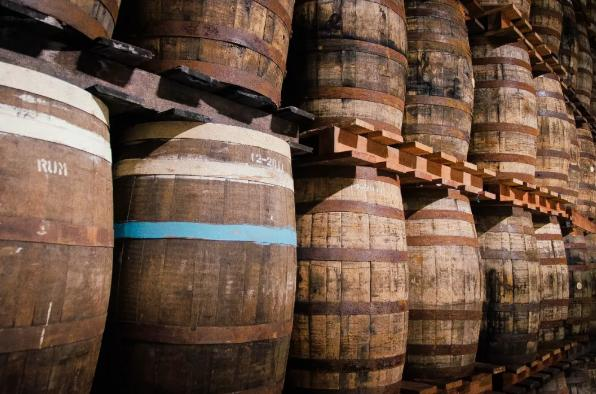
Brandy Barrel Fermentation
This special brandy barrel fermentation begins with selecting harvested coffee cherries, which are then washed. After that, the beans are placed in brandy barrels to ferment. The temperature inside the barrels is kept low, at 15 to 20 degrees Celsius, for approximately 30 days. Once fermentation is complete, the final drying is carried out. The beans carry a very intense brandy aroma, rich, intoxicating and powerfully explosive. At a medium-light roast it delivers rich brandy fragrance, liquor-filled chocolate and honey aromas, with a mellow, smooth mouthfeel and a persistent finish.
The information above is FrontStreet Coffee's sharing of the background of Honduras and Litchi Orchid coffee, explaining why this particular bean has such an intense wine aroma. It is the product of barrel fermentation, and definitely not artificially flavored as some outsiders might imagine. Now that the story is told, we move to the final stage, brewing: with such an intensely aromatic coffee, would you not like a cup?

FrontStreet Coffee: Honduras Moca Estate Litchi Orchid Coffee Beans
Region: Marcala
Varieties: Caturra, Catuai
Altitude: 1500 meters
Processing: Brandy Barrel Fermentation
FrontStreet Coffee Brewing Parameters: Water temperature 91 degrees Celsius, 15 g coffee grounds, 1:15 coffee-to-water ratio, medium-fine grind.
FrontStreet Coffee Brewing Method: Bloom with 30 g of water for 30 seconds. Second pour to 120 g to break up the extraction, then wait for the water level to drop until the coffee bed is about to be exposed before pouring again. Third pour to 225 g to finish, waiting for the coffee to drip through before removing the filter cone. Extraction time is 2:00.

Flavor Profile: Brandy, liquor-filled chocolate, honey, cream, sweet and smooth taste, persistent aftertaste.
FrontStreet Coffee Recommendation
Aromatically intense coffees like Litchi Orchid tend to be excellent cold, since low-temperature extraction plays up fruit and flowers and pushes the wood and roast notes into the background. FrontStreet Coffee's Strawberry Candy is one of the best options for this. It blends Panama Geisha with a Costa Rican honey-processed coffee: the Geisha supplies rose and orange, while the Costa Rican component uses raisin honey processing with 100 percent mucilage retention and no added water, giving grape, dried blueberry and a strawberry-candy sweetness. Made as cold brew it is bright and lively, and left to settle it takes on a fruit-wine character not unlike a barrel-aged cup.
If you want flowers rather than fruit, FrontStreet Coffee's Ethiopia Flower Queen is the pick for cold brew. It comes from the birthplace of coffee and is dried in the sun, so the beans absorb a great deal of sweetness from the fruit, showing magnolia, creamy strawberry, dried mango, guava and black tea. Cold brew amplifies exactly this kind of floral and fruity profile.
For a full, juicy cold brew, FrontStreet Coffee's Kenya Little Tomato brings cherry tomato, snow pear, black plum and smoked plum. It comes from Thika in Kenya, grown with the SL28 and SL34 varieties and processed with the local K72 double-wash method; roasted medium-light, it keeps a lively, layered fruit character. Since cold brew uses more grounds than a pour-over, you can also stretch an expensive bean by blending it 1:2 with FrontStreet Coffee's Costa Rica Tarrazu, which adds a clean citrus acidity and improves the value.
Important Notice :
FrontStreet Coffee is a long-established specialty coffee roaster in Guangzhou China, selling freshly roasted beans from its own farm in Yunnan as well as dozens of carefully selected single-origin beans from around the world for both pour-over and espresso. The products deliver consistently excellent quality and great value, with shipping within 24 hours. Guangzhou's FrontStreet Coffee shop is recommended by many coffee lovers, and the beans are now available online at the Tmall 。
FrontStreet Coffee has moved to a new address:
FrontStreet Coffee Address: 315,Donghua East Road,GuangZhou
Tel:020 38364473
 Scan and follow the En Gafei WeChat official account. Please indicate that the reprint comes from "En Gafei".