
The Art of Coffee Processing: Comparing Anaerobic Natural and Anaerobic Washed Methods
People's affection for coffee keeps growing, and so does their understanding of it. From reading only the packaging to caring about varieties, and then to processing methods, it is all a gradual accumulation of coffee knowledge. In this article, FrontStreet Coffee shares what you need to know about green coffee processing.
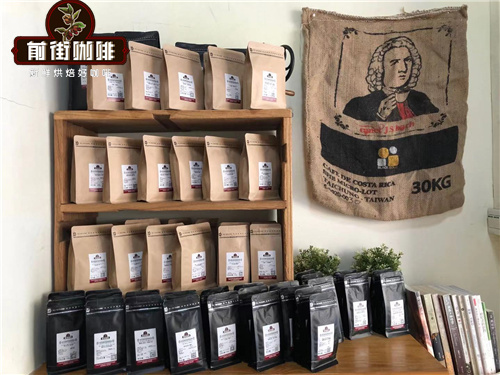
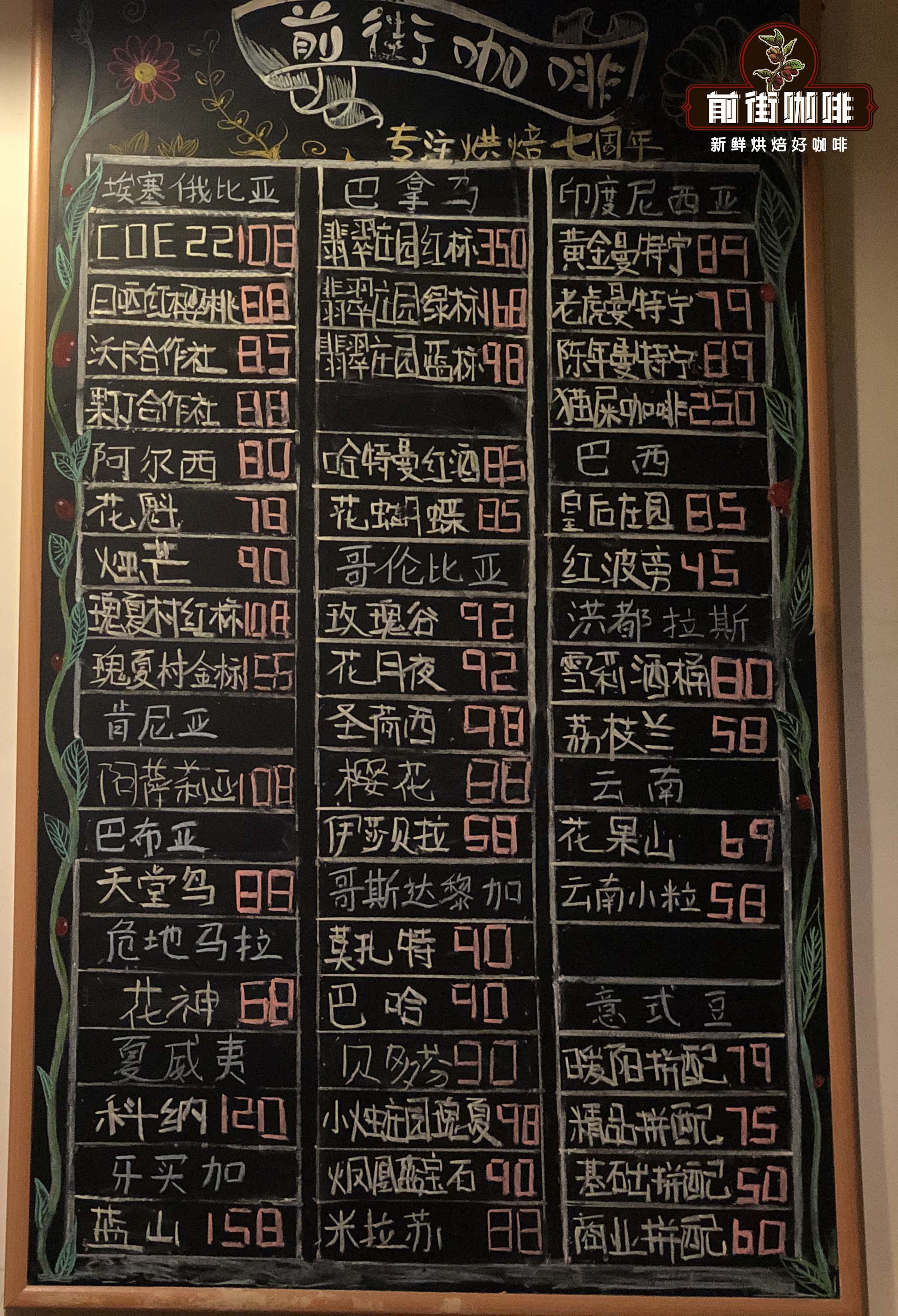
Visit FrontStreet Coffee often and you'll notice a wide range of handcrafted single origins, with beans from more than 50 different growing regions. Our baristas also frequently brew and share beans that haven't reached the shelf yet. Among them, washed and natural lots are the most common, along with some anaerobic natural coffees you may not have heard much about.
Anaerobic Fermentation Processing
Anaerobic fermentation is a post-harvest method that has become very popular in recent years. It typically involves placing coffee cherries in sealed containers or in washing tanks for water fermentation, using different microorganisms to create special flavors. Once fermentation is complete, the cherries are taken out to dry naturally. The main characteristics of this method are:

- Stainless steel containers, which don't absorb the flavors of previous lots, hold the cherries and allow for cleaner flavor profiles.
- Fermenting in a sealed environment makes the variables easier to control, so each batch is more consistent and aromatic compounds are less likely to escape.
- Fermentation without oxygen gives rounder flavors, often bringing notes of cheese and cream.
- Coffee processed this way usually has a fuller body and wine-like aromas.

One reason FrontStreet Coffee shelves fewer anaerobic natural lots is that we put every candidate through multiple rounds of roast-planning adjustments, cupping, and brewing before listing it. If a bean doesn't show distinctive character, we'll keep a file on it but won't put it on sale.
So every bean FrontStreet Coffee does shelf has a reason. Anaerobic natural lots are fewer than washed and natural ones, but we still carry them. FrontStreet Coffee's "Flower Moon Night," for example, a Colombian coffee, uses anaerobic natural processing.

Flower Moon Night Coffee Beans
FrontStreet Coffee's "Flower Moon Night" comes from the El Jardín farm in the Huila region, Colombia's most famous specialty coffee area. Huila coffee is generally grown on canyon slopes at high altitude with excellent climate conditions and abundant rainfall. Having cupped many Huila coffees, FrontStreet Coffee consistently finds them full-bodied and heavy in texture, with nut, chocolate, and caramel aromas and a smooth, pleasant fruit acidity.
This anaerobic natural "Flower Moon Night" went through the same cupping routine. FrontStreet Coffee's barista used a standard 200ml cupping bowl, a grind with a 70%-75% pass rate on a No. 20 standard sieve, 11.3g of grounds, and 94°C water. First the coffee was ground to assess the dry aroma, which released fermented wine and chocolate notes. Then water was added to fill the bowl to confirm the wet aroma. After 4 minutes, the crust was broken and skimmed for evaluation, and the wet aroma gave off strawberry jam. A pour-over brew followed to confirm the bean once more.

Brewing Method
FrontStreet Coffee brews this "Flower Moon Night" with a Hario V60, an EK43s grinder set to 10 (fine-sugar size), a 1:15 coffee-to-water ratio, and water at 90-91°C. The technique is our most commonly used one, also suited to beginners: the three-stage extraction.
The first stage injects 30g of water for a 30-second bloom, then 95g more (bringing the scale to about 125g), finishing in roughly 1 minute. When the water level drops to two thirds of the bed, inject the remaining 100g (about 225g on the scale), finishing in about 1 minute 40 seconds. Complete drip filtration between 2:00 and 2:10, remove the dripper, and extraction is done.
Brewed, FrontStreet Coffee Colombia Flower Moon Night shows a rich strawberry aroma, strawberry acidity on entry, jam-like sweetness in the middle, a subtle cocoa finish, and a juice-like texture.

Comparing Anaerobic Natural Processing
You'll find that beans processed anaerobically naturally carry stronger fermented wine aromas and a heavier body than washed or natural beans. Besides "Flower Moon Night," FrontStreet Coffee also carries another coffee from Costa Rica, our "Monster Estate," which is also anaerobic natural. Cupped, its dry aroma showed very rich cinnamon, while the wet aroma added caramel sweetness on top of the cinnamon.
Once brewed, as expected, it delivered very rich cinnamon, caramel, and gingerbread notes, so FrontStreet Coffee jokingly calls this "Monster Estate" the "Christmas coffee bean."

Processing Methods and Flavor Profiles
Processing method is clearly one of the key factors shaping flavor, so it's a useful place to start when buying beans. FrontStreet Coffee believes washed processing shows a coffee's origin, variety, and acidity to the fullest, and because the fruit pulp is removed before drying, it also lowers the risk of defects. Natural processing, by contrast, dries the cherries with the pulp intact, so the fruit flavors soak into the bean rather than being washed away. That yields very distinctive flavors, with more fruit and a thicker body than washed beans, less acidity, and preserved sweetness.
Every processing method brings a different flavor, so choose according to your own preferences.
FrontStreet Coffee Recommendation
If this comparison makes you want to taste the washed side cleanly, FrontStreet's Gedeb Cooperative coffee is an excellent reference point. From Gedeb village in Ethiopia, this skilled team follows the traditional washed process, which lets the green beans express their inherent aroma most clearly: jasmine florals and bright citrus and lemon acidity, elegant and bright.
For a washed coffee with a little more structure, try FrontStreet's Kenya Little Tomato, a specialty washed bean from Kenya's Sika region at 1,550-1,750 meters, grown from the classic SL28 and SL34 varieties and taken through Kenya's signature 72-hour double-washed fermentation. The cup is full of cherry tomato, smoked plum, snow pear, and black plum, juicy and sweet-sour, with a clean, lingering finish.
And for the purest classic of washed balance, FrontStreet Jamaica Blue Mountain No. 1 comes from the historic Clifton Estate, roasted medium-dark. It delivers hazelnut, cream, chocolate, and caramel in a clean, even cup with no single note dominating or missing. Whether you prefer the wild fruit of anaerobic natural or the clarity of washed, FrontStreet has a bean to match.
Important Notice :
FrontStreet Coffee is a long-established specialty coffee roaster in Guangzhou China, selling freshly roasted beans from its own farm in Yunnan as well as dozens of carefully selected single-origin beans from around the world for both pour-over and espresso. The products deliver consistently excellent quality and great value, with shipping within 24 hours. Guangzhou's FrontStreet Coffee shop is recommended by many coffee lovers, and the beans are now available online at the Tmall 。
FrontStreet Coffee has moved to a new address:
FrontStreet Coffee Address: 315,Donghua East Road,GuangZhou
Tel:020 38364473
 Scan and follow the En Gafei WeChat official account. Please indicate that the reprint comes from "En Gafei".

