
What Coffee Beans Are Suitable for Moka Pots: Advantages, Disadvantages, and Usage Steps
Espresso is delicious, but not every home has the money or the counter space for a full espresso machine. That is why so many kitchens rely on the moka pot instead. It is quick and simple: add hot water and coffee, set it on the heat, and wait for the coffee to arrive.
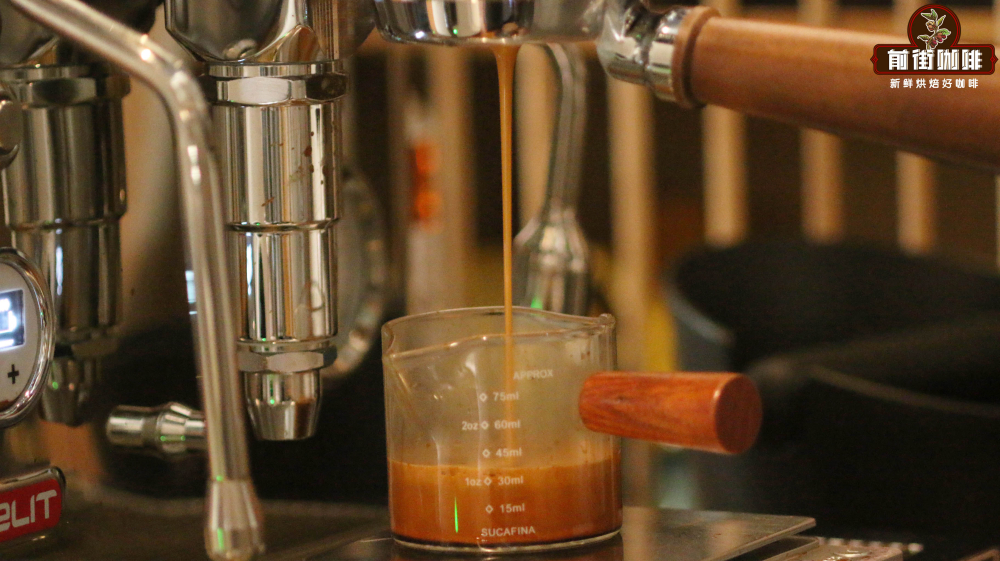
Coffee from a moka pot, however, does not match what today's espresso machines produce. The moka pot was originally meant to stand in for the espresso machine. It helps to remember that modern espresso uses extremely high pressure to force near-boiling water through a compact puck of coffee, and reaching that pressure only became possible with the development of espresso machine manufacturing technology in recent times.
The History of Espresso Machines and Moka Pots
To understand how the moka pot came about, we first have to look at the history of the espresso machine. The first espresso machine was showcased in Turin, Italy, at the end of the 19th century. By 1905, La Pavoni introduced the first commercial espresso machine, allowing baristas to serve espresso to several people quickly. After that, more and more cafes across Italy began using La Pavoni machines.
This large commercial machine had to be heated over a flame to make coffee. Inside, steam pushed hot water from a lower compartment through a tube to the coffee grounds. The machine was prohibitively expensive and bulky, though, so ordinary households stood no chance of owning one unless they were wealthy.

The Birth of the Moka Pot
The moka pot emerged in the 1930s, when Alfonso Bialetti from northern Piedmont invented the device. After working in the French aluminum industry for more than 10 years, Bialetti returned to his hometown and set up a workshop producing aluminum household goods. One day, watching his wife do the laundry, he had a sudden flash of inspiration. The washing machines of the time had two layers: the lower layer held soapy water that was heated to a boil, while the upper layer held the clothes. A tube connected the two, letting the hot soapy water rise and spread over the laundry. With help from Luigi De Ponti, the moka pot we know today was developed.
How the Moka Pot Works
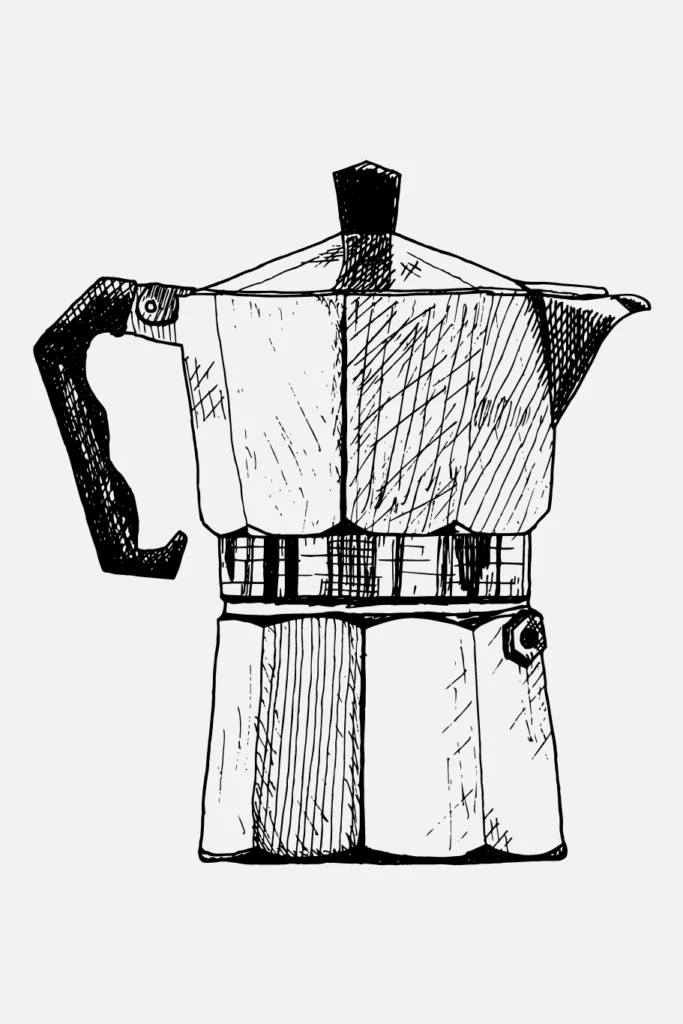
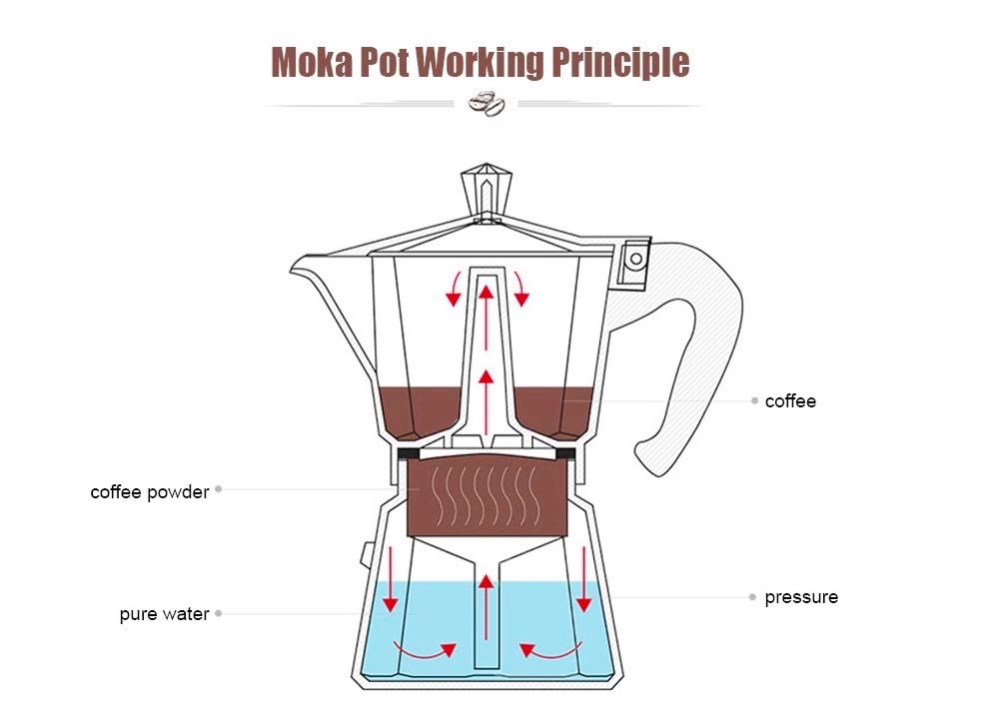
The Bialetti moka pot works on the same principle as that washing machine. It features an octagonal aluminum body with an insulated handle, and it has three main parts: a bottom chamber that holds water, a top chamber that collects the brewed coffee, and a middle section with a metal filter for the ground coffee.
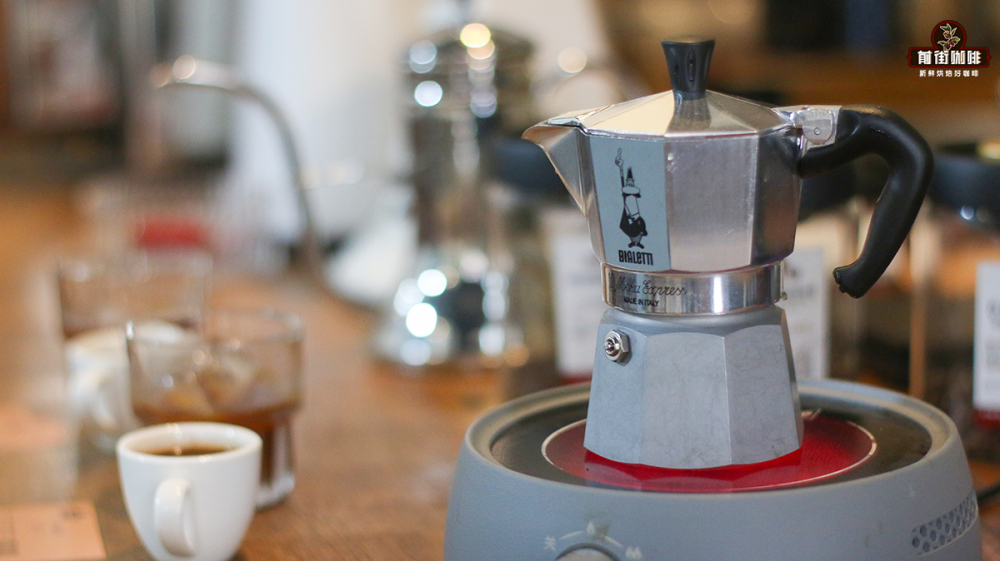
To brew with a moka pot, first fill the bottom chamber with a set amount of hot water, add ground coffee to the metal filter, then fit the filter onto the bottom chamber and screw the top chamber on tightly. Place the whole assembly on a heat source. When the water in the bottom chamber boils, it produces steam. Because the bottom chamber has little space, the pressure rises along with the steam, forcing hot water up a tube and into the coffee grounds, then through the metal filter and into the top chamber.
Differences Between Moka Pot and Espresso
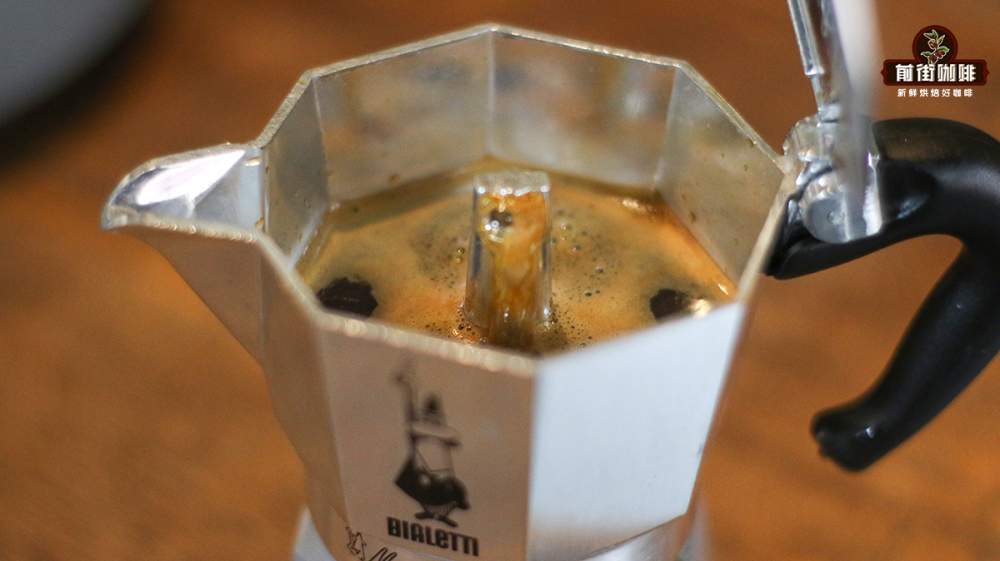
The moka pot was created to replace the espresso machines of the late 19th and early 20th centuries. After decades of development, though, espresso machine pressure far exceeds the early 1.5 bar, and because water moves upward by boiling, its temperature stays relatively high. That creates a big gap between moka coffee and espresso pulled on a modern machine. One of the clear pros and cons of the moka pot is its lack of rich crema. Espresso machines extract at pressures far above a moka pot's, so moka coffee has less crema than an espresso machine produces.
The reason for this lies in the moka pot's fairly coarse metal filter. Moka coffee needs coarser grounds than an espresso machine. As the grind coarsens, the surface area between water and coffee shrinks, so less material is extracted. That means moka coffee is not as thick as espresso machine coffee.
Coffee Beans Suitable for Moka Pot
Many people who want espresso at home have equipped themselves with a moka pot, which raises the question: which beans suit moka brewing best? Since the moka pot was designed as an affordable alternative to early espresso machines, and espresso is defined by its rich, smooth flavor, deeper roasted beans are the natural choice for a full-bodied cup.
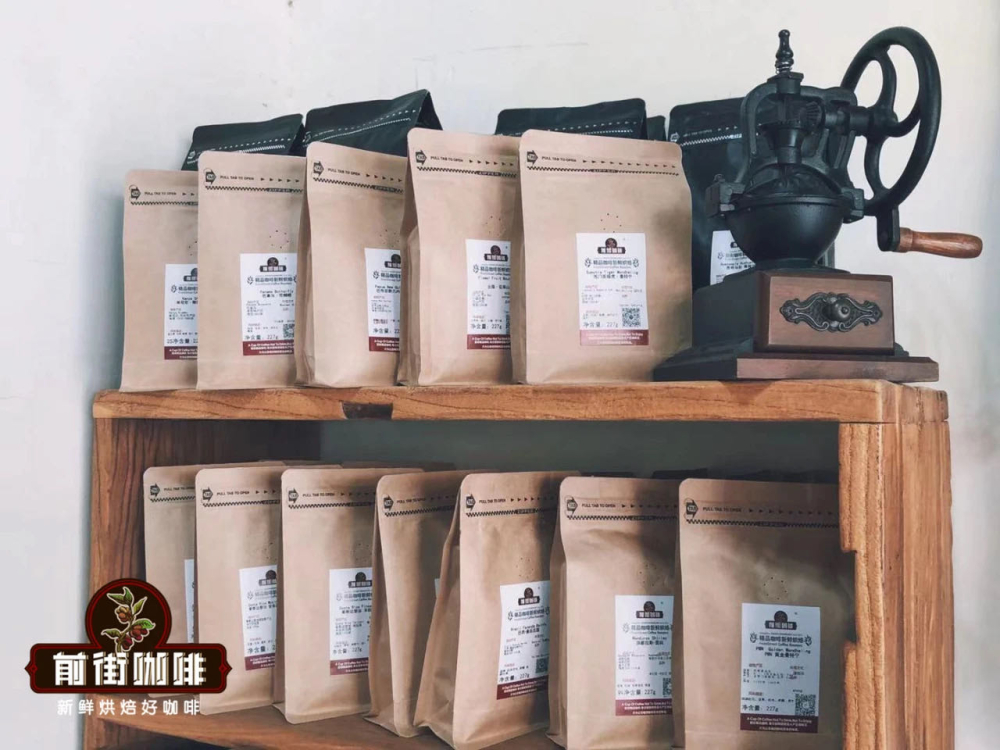
Beyond FrontStreet Coffee's Sunflower Warmth Blend, you can also try the Indonesia PWN Gold Mandheling and the Brazil Fazenda Rainha from the bean list.

Indonesia PWN Gold Mandheling
Mandheling beans come from the island of Sumatra, Indonesia, and are also known as "Sumatra coffee." Mandheling is a premium Arabica grown on highland plateaus at elevations of 750-1500 meters. When it comes to Mandheling, FrontStreet Coffee loves its intense aroma, full body, and strong flavor, and its distinctive herbal spice character is a hallmark of the coffee as well. Along with Indonesia's growing conditions, the wet-hulled processing method is one of the sources of Mandheling's signature flavor.
Mandheling typically uses Sumatra's unique wet-hulled method. Because water is scarce, the coffee was originally processed mainly by natural drying, but that produced inconsistent quality. Later attempts turned to Brazilian-style semi-dry processing, but the local weather is largely rainy, with frequent typhoons and constant humidity, making the conditions needed for natural drying impossible to reach.

Local economic limits also ruled out the more expensive washed method, which ultimately led to the development of the region's distinctive wet-hulled technique. Wet hulling is characterized by rapid, phased drying and by hulling the parchment away while the beans are still drying. The Taiwanese coffee writer Han Huaizong famously described it as "a rare processing method found nowhere else in the world, which accidentally created Mandheling's special low-acidity, thick, and mellow flavor." On the roast side, to bring out Mandheling's rich, intense character, FrontStreet Coffee's roasters use a deeper roast level.

Brazil Fazenda Rainha
FrontStreet Coffee: Brazil Fazenda Rainha Coffee Beans
Region: Mogiana Region, São Paulo State, Brazil
Estate: Fazenda Rainha
Altitude: 1400-1950 meters
Variety: Yellow Bourbon
Processing Method: Natural Processing
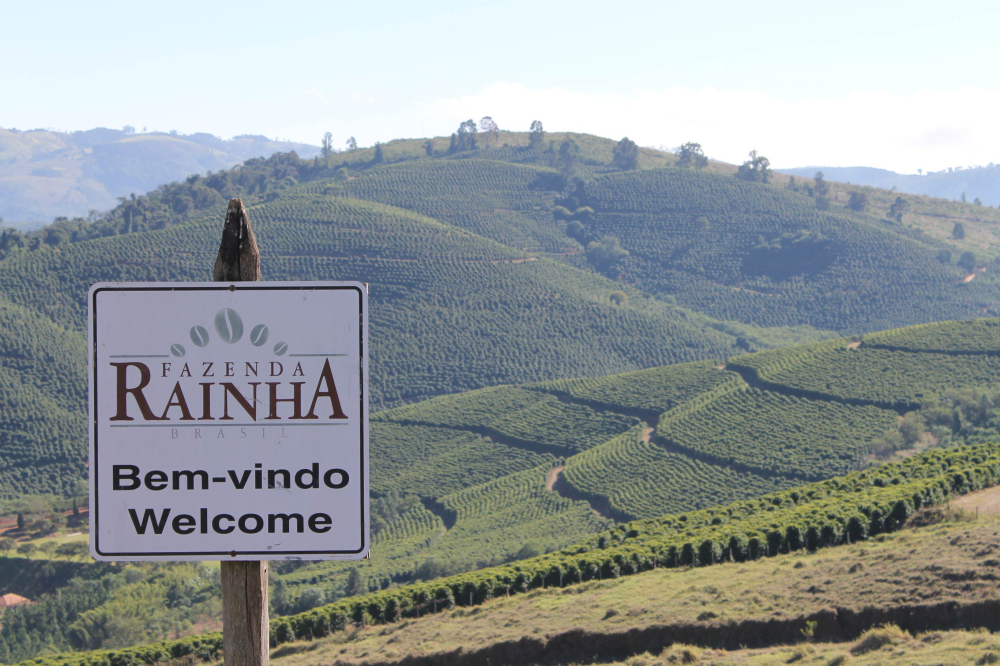
The Yellow Bourbon variety was discovered in São Paulo State, Brazil, in the 1870s. Later research found that Yellow Bourbon has a richer mucilage layer full of sugars, which gives the variety a more pronounced sweetness. FrontStreet Coffee's Yellow Bourbon uses the oldest, most traditional post-harvest method, natural processing. Leaving the skin and pulp intact lets more sugars work their way into the bean, producing a qualitative leap in sweetness.

Fazenda Rainha has won multiple awards since the first Brazil Cup of Excellence competition in 1999, taking 12 awards within 7 years, which speaks to the superior quality of the estate's beans. Natural processing demands a great deal of manual labor, so to avoid unwanted fermentation flavors, Fazenda Rainha relies specifically on small-scale natural processing to protect the quality of the green beans.
Alternative Brewing Methods
If you do not have a moka pot at home, you might wonder whether you can make espresso with a French press. After all, the French press is one of the simplest brewing tools and shows up in most kitchens. Making espresso that way will not give you that beautiful golden crema, but it keeps the coffee's original oils and offers a character all its own.
FrontStreet Coffee is a coffee research space built on sharing what we know. We hold nothing back, because the more people understand coffee, the more they fall in love with it. That has been our mission for the past six years.
FrontStreet Coffee Recommendation
For moka pot brewing, a blend designed with pressure in mind makes the biggest difference. FrontStreet Coffee's Classic Blend was built for both espresso and the moka pot, and its standout strength is crema: even a beginner on a modest home machine gets a dense, fine layer of it. Built on the traditional Mamba recipe, it is rich and warming, and it works equally well for a latte, a cappuccino, or a Dirty. If you want something more budget-friendly, FrontStreet Coffee's Black Cocoa Blend is 100% Arabica, generous with crema and full-bodied, and it pairs with Brazil's typical cream-and-nut sweetness.
The Autumn Chestnut Blend is another fine moka choice, a balanced 100% Arabica mix of Honduran Caturra and Papua New Guinea Typica with notes of roasted chestnut, caramel, and brown sugar over a gentle chocolate mid-palate.
For a single origin, both beans featured above are excellent moka-pairings. The PWN Indonesia Golden Mandheling is the highest grade of Sumatra coffee, and FrontStreet Coffee's Brazil Queen Estate brings a low-acidity, beautifully balanced cup of nut and cocoa with a clear caramel sweetness. Pull any of them through a moka pot and you get the thick, mellow body the brewer was invented to deliver.
Important Notice :
FrontStreet Coffee is a long-established specialty coffee roaster in Guangzhou China, selling freshly roasted beans from its own farm in Yunnan as well as dozens of carefully selected single-origin beans from around the world for both pour-over and espresso. The products deliver consistently excellent quality and great value, with shipping within 24 hours. Guangzhou's FrontStreet Coffee shop is recommended by many coffee lovers, and the beans are now available online at the Tmall 。
FrontStreet Coffee has moved to a new address:
FrontStreet Coffee Address: 315,Donghua East Road,GuangZhou
Tel:020 38364473
 Scan and follow the En Gafei WeChat official account. Please indicate that the reprint comes from "En Gafei".

