
How Long Does Moka Pot Coffee Take to Brew | What's the Correct Brewing Time for Moka Pot Coffee?
Understanding the Moka Pot: Italian Coffee's Iconic Brewing Method
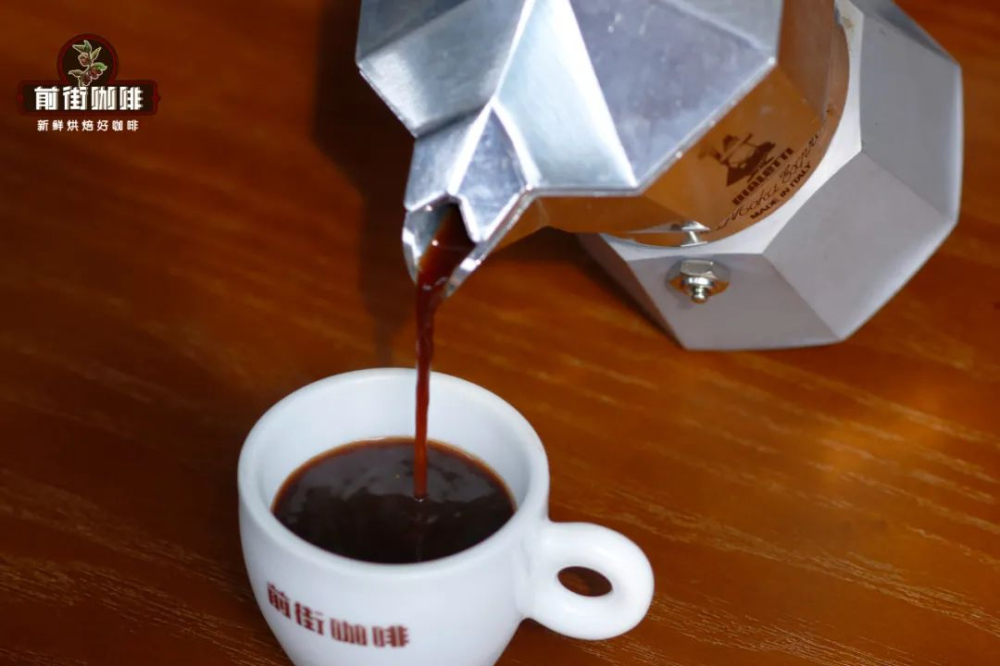
The moka pot uses the vapor pressure of boiling water to drive water directly through the coffee grounds and extract the coffee's intrinsic essence. The resulting coffee has a richer taste and aroma, with a thin layer of coffee oils on the surface - this is the charm of Italian coffee.
The Simple Structure of a Moka Pot
Anyone who has seen a moka pot has likely noticed its remarkably simple design. The whole thing consists of just 3 parts: the upper chamber that collects the coffee liquid, the middle filter basket for the grounds, and the lower chamber that holds and heats the water.
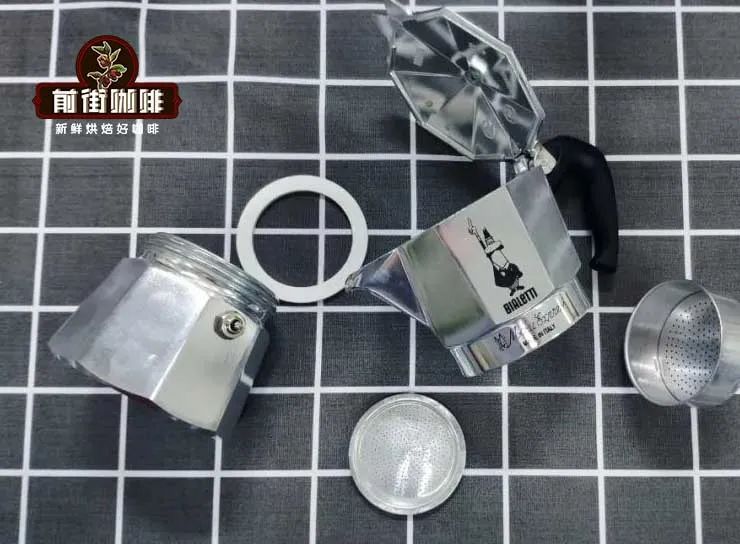
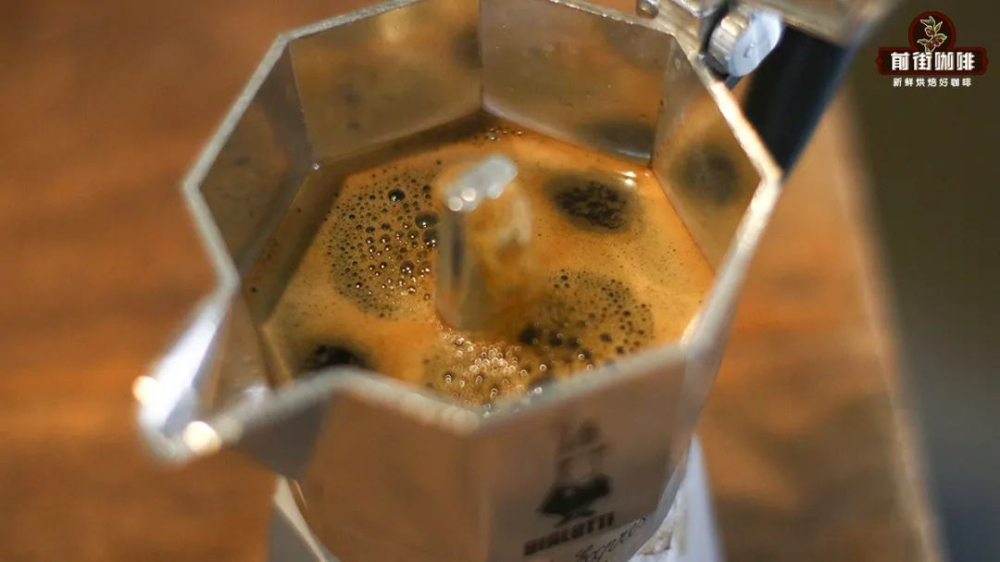
When we heat the moka pot, the water in the lower chamber heats first and turns to steam, creating pressure that pushes the water vapor upward. As hot water meets the coffee grounds, the rising pressure continues to push the extracted coffee liquid into the upper chamber, giving us the concentrated coffee we want.
A moka pot's extraction resembles pressurized espresso. Water boiling in the bottom chamber produces steam, which accumulates to create pressure and forces hot water through the coffee powder, dissolving flavor compounds that flow with the liquid into the upper container. A moka pot typically generates approximately 1.2 to 3 atmospheres of pressure. This pressure concentrates the coffee flavors, producing the mellow, full-bodied taste characteristic of moka pot coffee.
Types of Moka Pots and Brewing Considerations
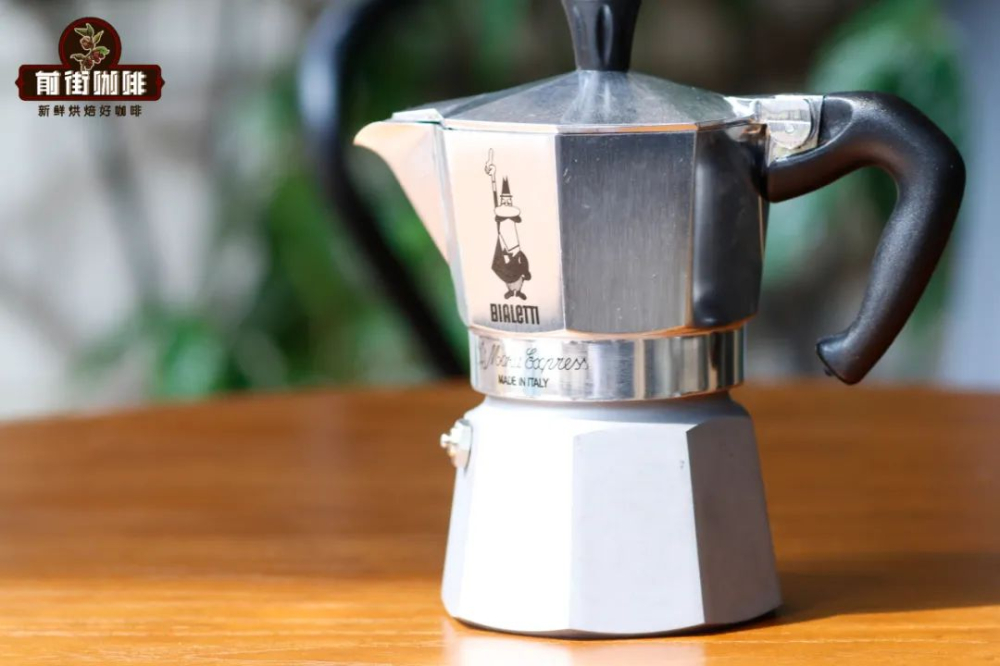
Common moka pots come in two types: single-valve and double-valve. A double-valve moka pot has an additional pressure valve that raises pressure, enhancing concentration and producing more coffee oils. Although a moka pot cannot match the 9+ atmospheres of a standard espresso machine, for casual home brewing of a rich, concentrated coffee, FrontStreet Coffee believes the moka pot is an excellent choice.
While moka pot operation is simple, many details matter. Many friends run into extraction problems and consult FrontStreet Coffee. Here, FrontStreet Coffee demonstrates the process with a Bialetti 3-cup classic moka pot from our store and our house-roasted "Sunflower Warm Blend" coffee beans.
How to Brew Coffee with a Moka Pot
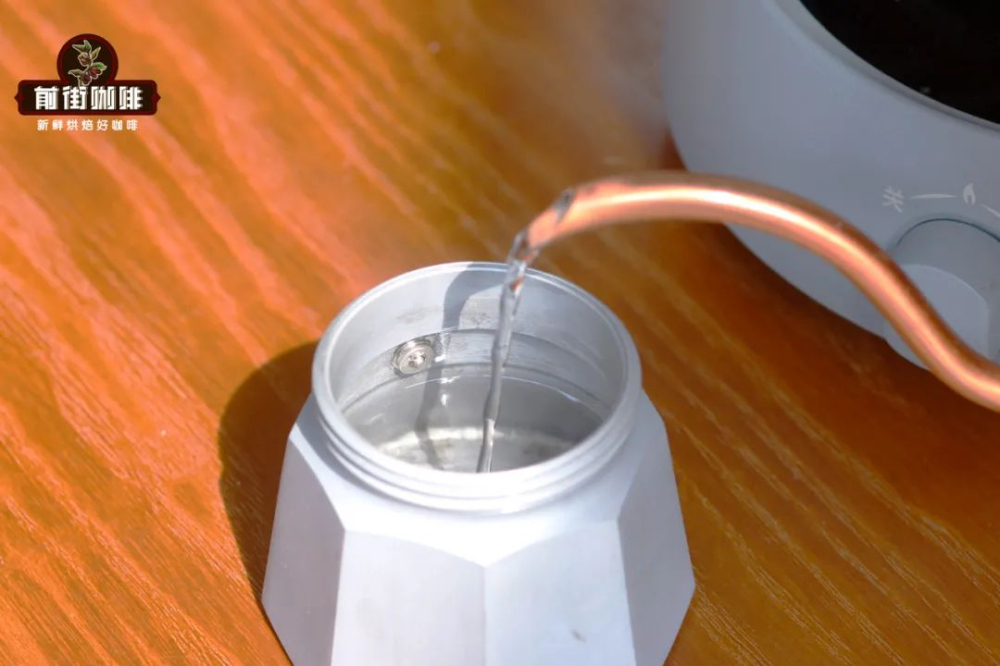
First, FrontStreet Coffee removes the base and adds warm water to the lower chamber. This shortens brewing time and prevents the grounds from heating too quickly and turning bitter. Keep the water level below the pressure relief valve line. The safety valve prevents the pot from exploding if the grounds are too fine and block the extraction channel; if the safety valve is submerged and the channel clogs, a high-temperature explosion would be dangerous.
To extract rich black coffee, the grind size should be finer than regular pour-over but coarser than espresso. If the grind is too coarse, extraction will be insufficient and cause splattering; if too fine, it will over-extract into a harsh, bitter cup that is hard to drink. At FrontStreet Coffee's store we use an EK-43s grinder set at 0.5 fineness.
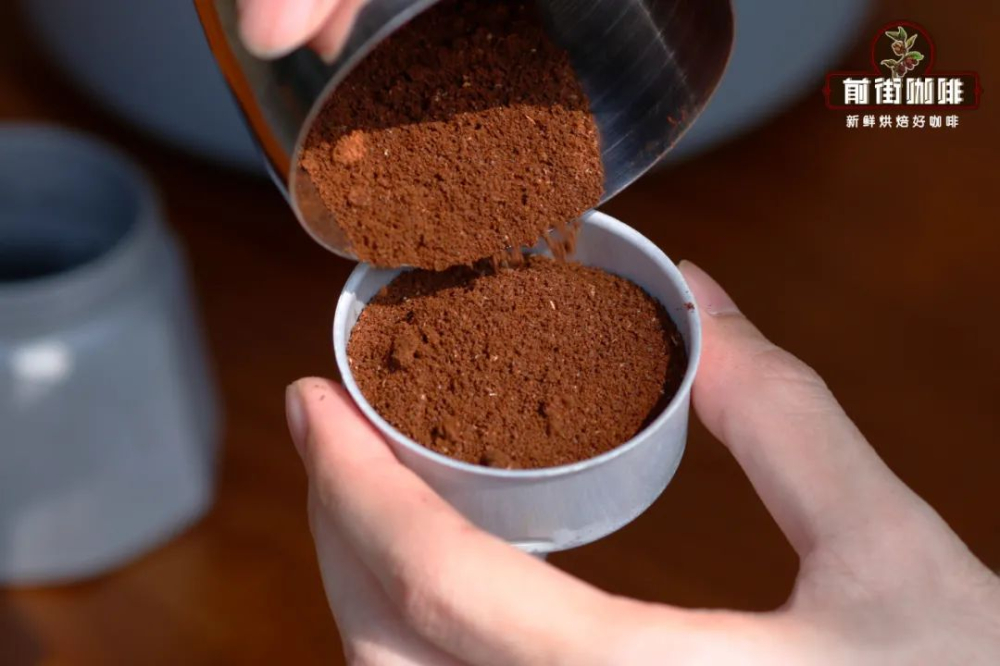
Pour the ground coffee into the filter basket and spread it evenly to fill it completely. Level the surface with your finger before placing it in the base. There is no need to press firmly - overly compacted coffee easily blocks water flow, affecting extraction. If there is not enough coffee powder, when water from the lower chamber enters the middle coffee layer under steam pressure it cannot be fully extracted, causing significant splattering in the upper chamber.
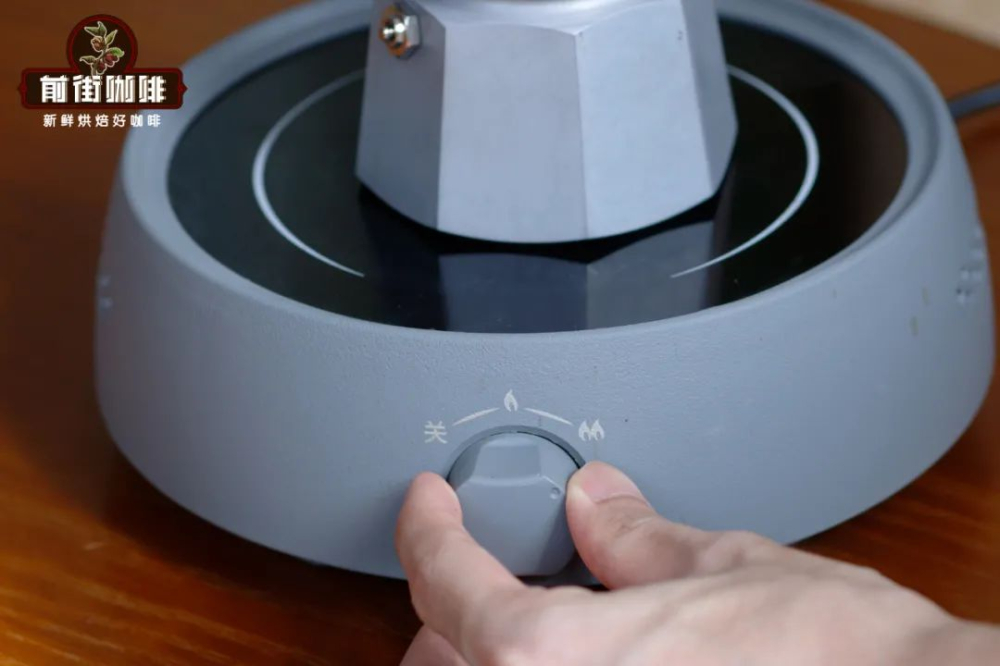
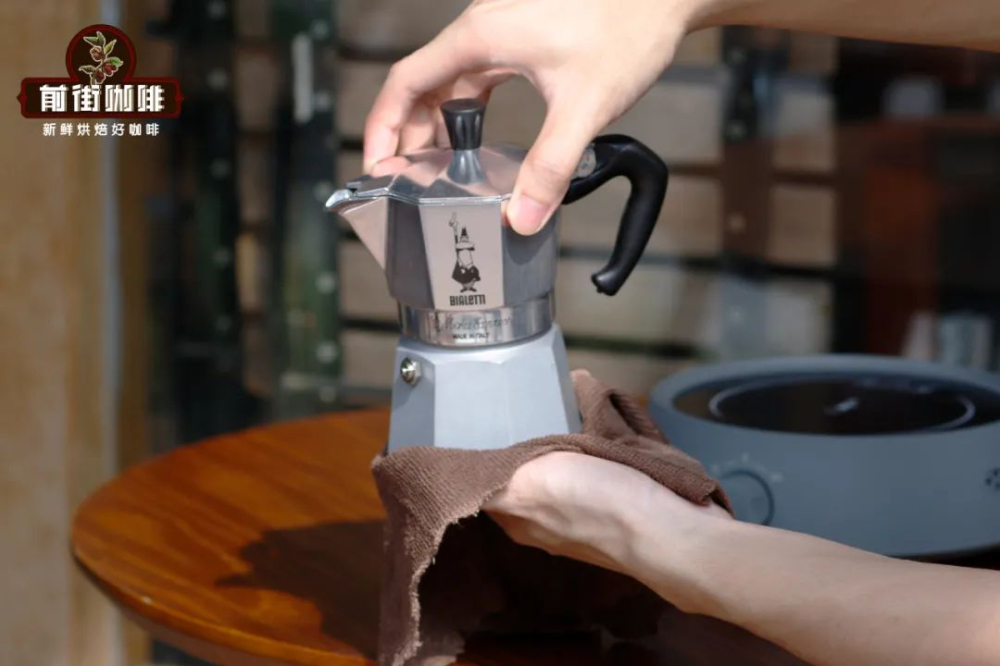
Next, screw the upper and lower chambers together tightly and place the pot on a gas stove or induction cooker. With an open flame, try to keep the flame from extending beyond the base of the pot. There is no precise timing for brewing - wait for the pot to heat up. When you hear a hissing sound, reduce to low heat, and coffee liquid and oils will slowly flow out. When the upper chamber is half full of coffee, turn off the heat and move the pot to the table using a wet towel, letting the residual heat and pressure continue extracting the remaining liquid.
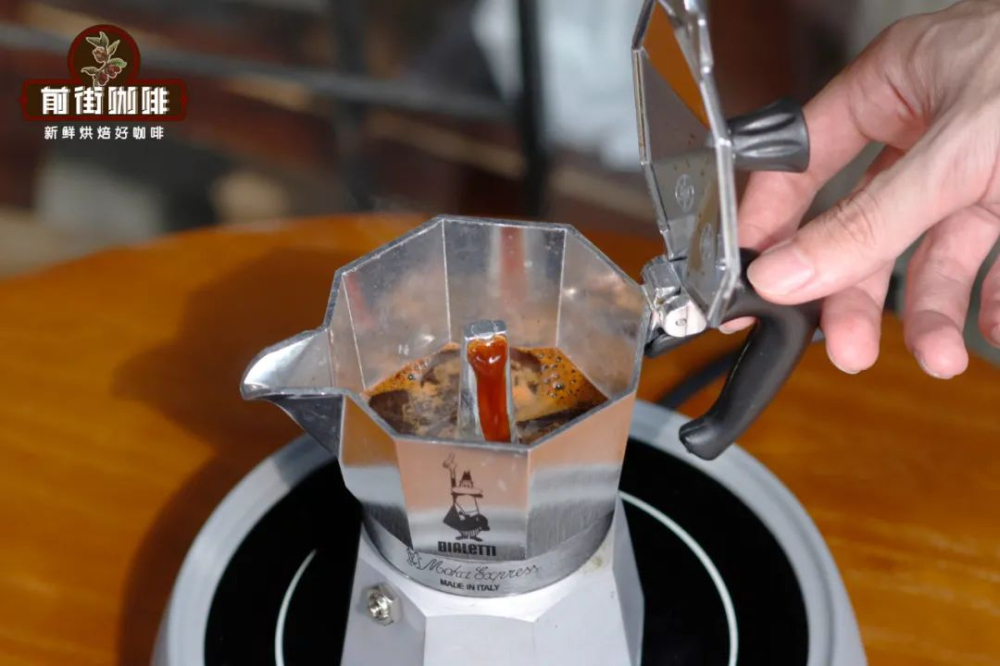
Finally, pour the extracted coffee into a cup and enjoy it directly. The first sip reveals rich whiskey aromatics, vanilla, cream, and berry sweetness and acidity, accompanied by roasted nut notes. Mixed with a certain proportion of hot water, it presents a fresh fruity acidity; paired with milk, it delivers delightful chocolate sweetness.
Daily Moka Pot Usage Tips
Common moka pots usually have metal exteriors. When heating at high temperatures, avoid touching the pot body - use a wet towel to prevent burns. If you hear a whistling sound but no coffee liquid emerges from the upper chamber, the outlet may be blocked; turn off the heat immediately to avoid safety hazards from excessive internal pressure.
If the coffee grind is too coarse, extraction will be insufficient and splatter; if too fine, it will over-extract into a harsh, bitter cup. The filter basket needs to be filled and leveled - if there is not enough coffee powder, water from the lower chamber cannot fully extract the coffee layer under steam pressure, causing significant splattering in the upper chamber and a disappointing taste.
After each use, FrontStreet Coffee cleans the moka pot promptly to prevent coffee residue buildup, which easily causes flavor mixing and bitterness. Old coffee stains on the filter plate, gasket, or extraction channels may cause blockages that affect normal extraction.
FrontStreet Coffee recommends medium-dark roasted beans. Because a moka pot uses pressure extraction, lightly roasted beans are harder and typically need a finer grind to raise the extraction rate, yet fine grinding under high temperature and pressure easily makes coffee acidic and harsh and also makes aromatic oils hard to extract. FrontStreet Coffee therefore recommends darker-roasted espresso blend beans as the raw material. This makes it easier to achieve a rich, aromatic coffee with oils and also gives more stable flavor extraction.
Connect with Us
For professional coffee knowledge exchange and more coffee bean information, please follow Coffee Workshop (WeChat public account: cafe_style).
For more specialty coffee beans, please add our private WeChat: FrontStreet Coffee, WeChat ID: qjcoffeex
FrontStreet Coffee Recommendation
For a moka pot, FrontStreet generally suggests starting with a blend. FrontStreet Classic Blend is designed specifically for espresso and moka pot brewing, and its biggest strength is outstanding crema: even a beginner using a non-professional home machine can pull a dense, fine layer of it. Built on a traditional Mamba-style recipe, it is mellow and rounded, and it is the first choice for home or café use. FrontStreet Black Cocoa Blend is 100% Arabica and combines full body with an approachable price, while FrontStreet Fine Blend pairs Brazil Cerrado with Colombia Huila for the classic espresso flavor that has served FrontStreet's own stores for nearly a decade.
You can also choose a single-origin bean. FrontStreet PWN Indonesia Golden Mandheling is deep roasted with very low acidity, a mellow, long body, and plenty of herbal and dark chocolate aroma with a faint earthy note - ideal for anyone who likes a heavy, low-acid cup. FrontStreet Brazil Queen's Estate is similarly low in acidity and very balanced, with rich nut and cocoa aroma and a clear caramel sweetness that extracts well by hand pour, espresso, or moka pot.
If you want something fruitier, FrontStreet Colombia Xizhua comes from a Colombian estate, is processed with the double anaerobic natural method, and is roasted medium-light; it shows passion fruit, blueberry, grape, and apricot with a bright, soft acidity and a lasting cocoa finish, and it works for hand pour, SOE, and cold drip. FrontStreet Strawberry Candy is a popular fruit-forward espresso blend that recreates a vivid strawberry-marshmallow sweetness, and a single bag covers daily drinking, milk drinks, and café service alike. There is also FrontStreet Papua New Guinea Bird of Paradise, a single-origin washed coffee from the Sigri area, grown at 1600-1800 meters on volcanic soil with the same Typica variety as Blue Mountain, at AA grade with a clean, sweet, low-acid profile.
Important Notice :
FrontStreet Coffee is a long-established specialty coffee roaster in Guangzhou China, selling freshly roasted beans from its own farm in Yunnan as well as dozens of carefully selected single-origin beans from around the world for both pour-over and espresso. The products deliver consistently excellent quality and great value, with shipping within 24 hours. Guangzhou's FrontStreet Coffee shop is recommended by many coffee lovers, and the beans are now available online at the Tmall 。
FrontStreet Coffee has moved to a new address:
FrontStreet Coffee Address: 315,Donghua East Road,GuangZhou
Tel:020 38364473
 Scan and follow the En Gafei WeChat official account. Please indicate that the reprint comes from "En Gafei".

