
What's the Ideal Cold Brew Coffee Ratio, Grind Size, and Time? A Guide to Cold Brew Methods, Principles, and Flavor Profile
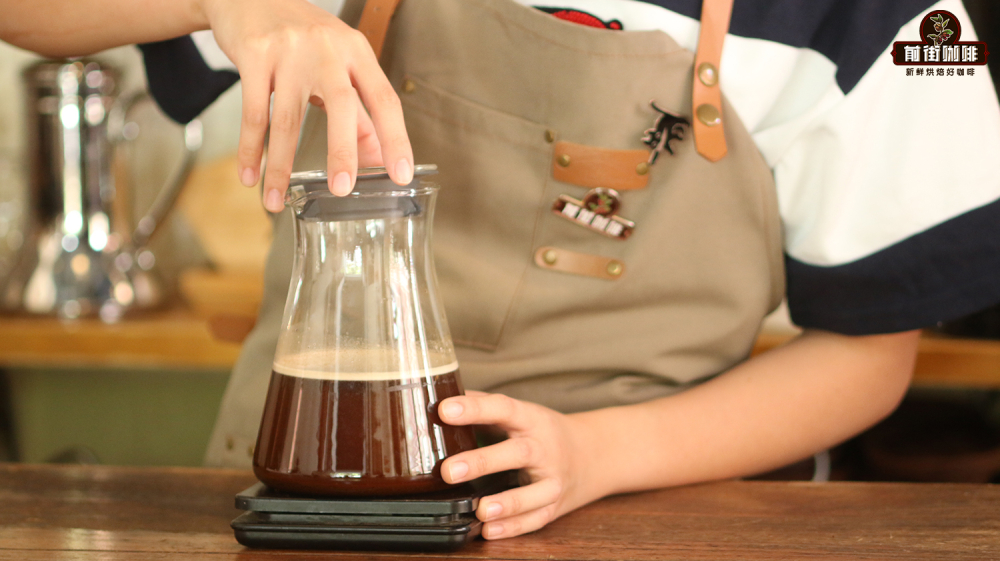
With June arriving and temperatures climbing, friends in the southern regions tell us they can barely stay outside for two minutes. In weather like this, nothing beats a refreshing glass of iced coffee — and among all the options, cold brew remains the annual essential.
What is Cold Brew Coffee?
Cold brew coffee is made by steeping ground coffee in cold water for more than 8 hours, then filtering out the grounds. The process is remarkably simple — with the right parameters, delicious iced coffee is easy to achieve. So how should you choose the key parameters like grind size and coffee-to-water ratio?
Grind Size
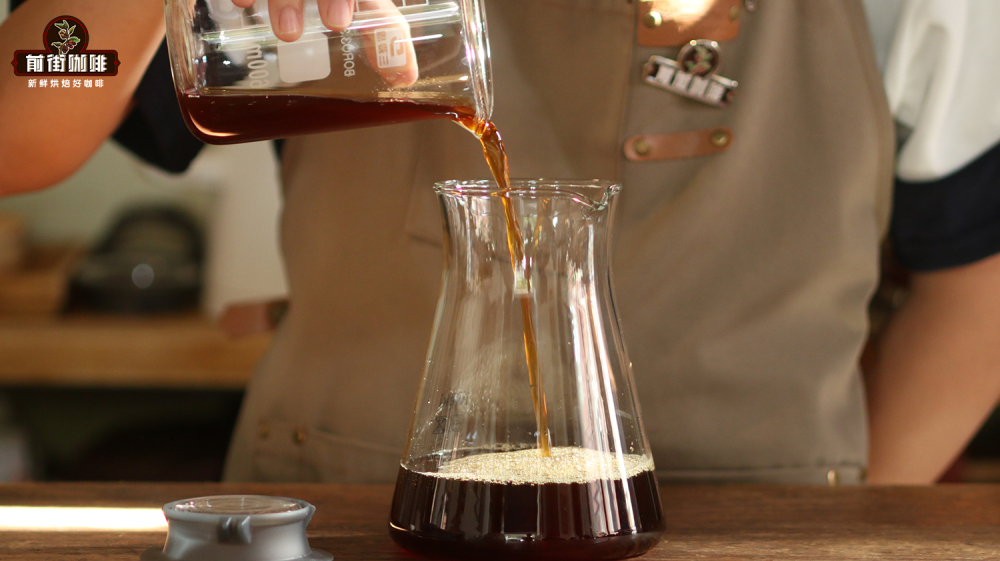
Because cold brew extracts with cold water, extraction efficiency is extremely low — in other words, over-extraction is the least of your worries. Compared with pour-over, you can afford a somewhat finer grind. Aim for an 85% pass-through rate on a #20 standard sieve, with as few fine particles as possible.
FrontStreet Coffee's testing has shown that excessive fines not only lengthen filtration time but also leave more oils and fine particles floating on the surface even after filtering, which hurts the mouthfeel.
Coffee-to-Water Ratio
How much water should you use for steeping? By FrontStreet Coffee's production standard, the ratio of coffee to water to ice is 1:8:4 — which works out to an actual coffee-to-water ratio of 1:12. The ice keeps the water temperature suitably low, holding extraction efficiency steady.
Temperature
Cold brew is usually extracted at low temperature in a refrigerator, where the steep needs a full 24 hours. But can you brew cold brew at room temperature? Absolutely — it just requires a shorter extraction. FrontStreet Coffee recommends limiting room-temperature extraction to 8–12 hours.
How FrontStreet Coffee Makes Cold Brew Coffee
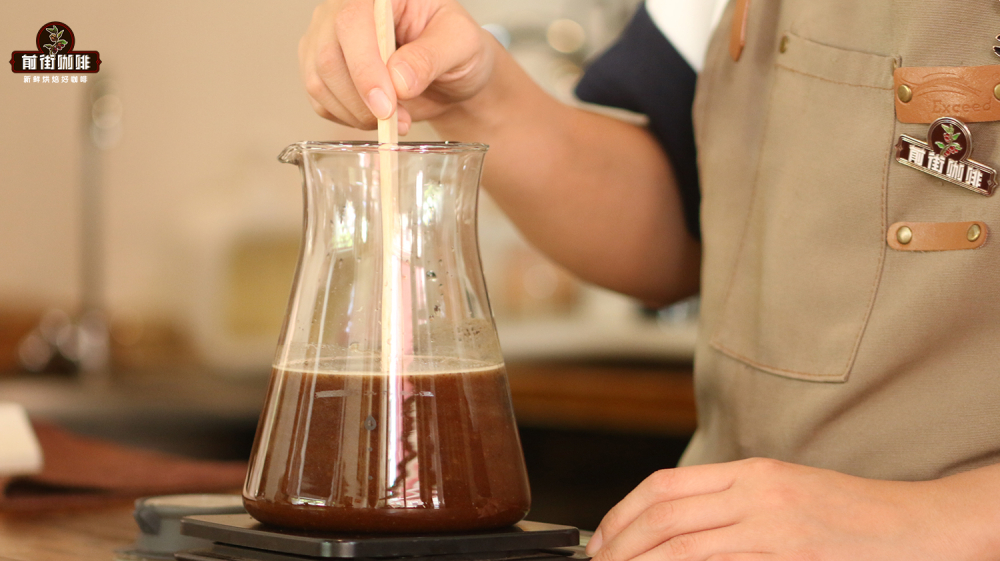
Cold brew is a very forgiving method. Our shop recipe starts with 50 grams of coffee, ground to an 85% pass-through on a #20 standard sieve. Put the grounds in a glass jar, add 400ml of room-temperature water and 200 grams of hard ice cubes (600 grams of ice-water mix in total) for a 1:12 coffee-to-water ratio. Stir the grounds and water thoroughly with a stir bar, seal, and refrigerate.
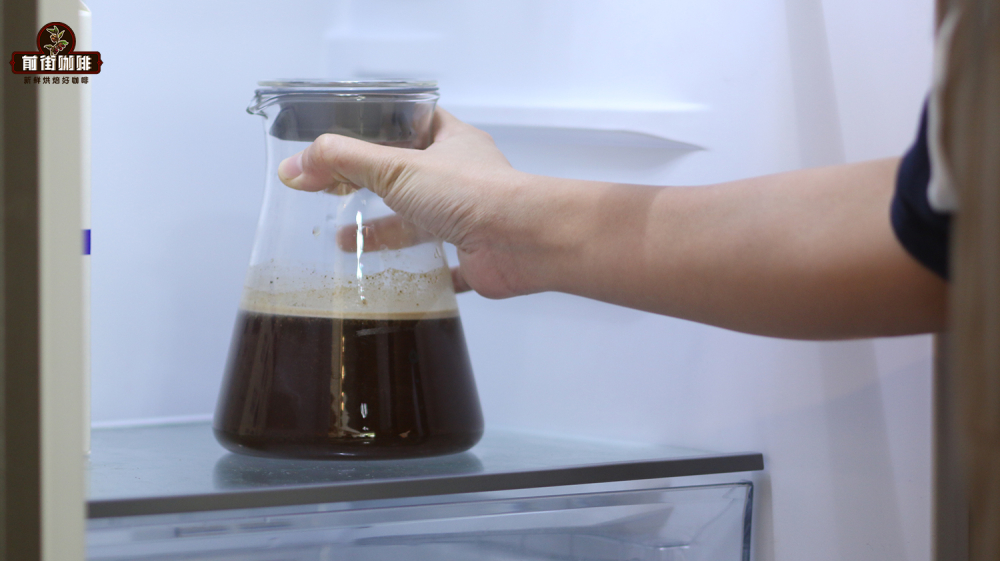
After 12–24 hours in the refrigerator, filter out the grounds with filter paper for a clean coffee liquid. Transfer it to a clean, sealed container and refrigerate for another 4 hours before serving.
In practice, compared with the strict parameters of hot brewing methods, cold brew is wonderfully compatible. Bean choice, the sealed container, ratio, grind, and steep duration all leave plenty of room for adjustment. As long as you avoid truly extreme parameter combinations, you can make excellent iced coffee.

Even so, some enthusiasts hit problems despite using the same beans and "copying" the parameters exactly — their homemade cold brew lacks the richness and sweetness of the shop version. Why? FrontStreet Coffee has identified several details home brewers should check.
Steeping Time Should Not Be Less Than 8 Hours or Exceed 18 Hours
In pour-over we watch water temperature and time closely, because water — the primary brewing medium — directly drives extraction efficiency, and temperatures either side of the sweet spot change the coffee's taste. Since cold brew only ever contacts cold water (4–10°C), extraction is very slow and needs an extended steep to release more aromatics and draw out sugars and organic acids fully, which yields more balanced acidity, sweetness, and body. Generally, keep the steep between 8 and 18 hours.

FrontStreet Coffee once ran a cold brew experiment with time as the only variable, steeping one coffee for 6, 10, 16, and 24 hours. The 6-hour brew was thin-bodied with muted aromatics; the 24-hour brew turned distinctly bitter, showing signs of over-extraction. The 10-hour and 16-hour batches performed best, with rich aromatics and full body.
Too Fresh Coffee Beans Can Also Affect Extraction
For most hot brewing methods, freshly roasted beans are the first consideration — beans past their prime lose significant aroma, a point of broad consensus. Degassing also lets us judge freshness visually, from espresso crema to the pour-over bloom, and signals the coffee is at its aromatic peak.

But freshly roasted beans hold a lot of carbon dioxide, and those gases must escape before the inner aromatics can be extracted. Cold brew is a relatively static extraction, and cold water further inhibits degassing, which can leave the coffee tasting flat. So FrontStreet Coffee recommends using beans roasted at least 10 days earlier for cold brew — it makes a noticeably more aromatic cup.
Stir Thoroughly Both Before and After Extraction
Many beginners, keen to save time, simply add water, seal the container, and refrigerate it. The grounds may look wet on the surface, but some patches never actually touch water — and those dry areas obviously contribute nothing to extraction. What's more, after a night of steeping most particles have settled to the bottom; pour straight into the filter and you'll likely capture only the pale upper layer, which won't taste great.

Based on FrontStreet Coffee's experience: with a large-capacity pot, stir the grounds and water thoroughly with a stir bar or long spoon before refrigerating, and stir again a few times after taking it out, before filtering. If you're using a sealed water bottle, just give it a gentle shake up and down after sealing.

Filter Coffee Grounds Thoroughly for Better Cold Brew Taste
You have plenty of filtration options — the built-in filter of a cold brew pot, metal mesh, paper filters, flannel cloths. Different pore structures block different particle sizes.
Take FrontStreet Coffee's cold brew pot: its filter mesh is 245-mesh, quite fine, yet fine and ultra-fine particles still slip through. Without secondary filtration, a flocculent oil sheen floats on the surface. The flavor differs little from the filtered version, but the gritty sensation on swallowing is more noticeable, with visible sediment at the bottom of the cup.

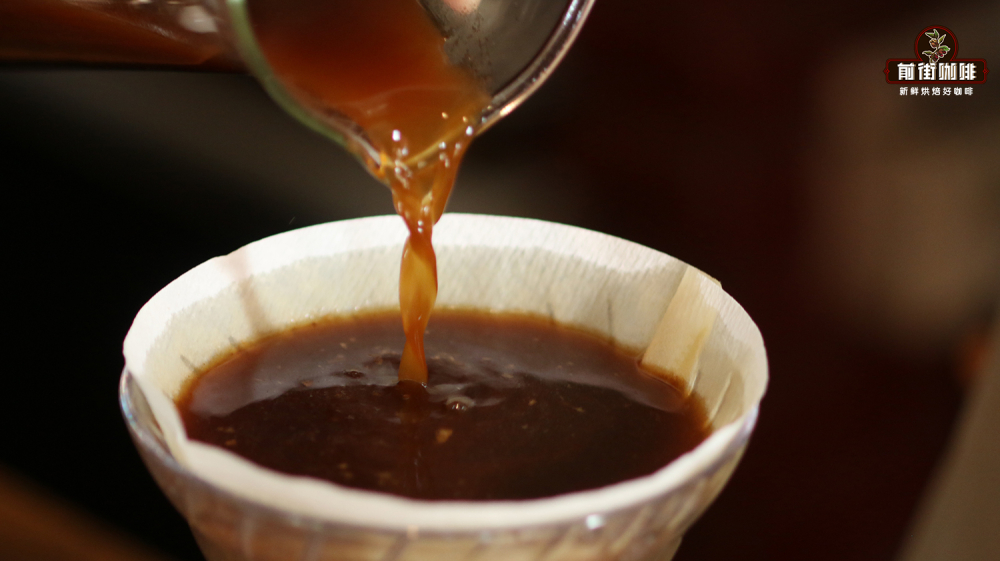
For a better drinking experience, FrontStreet Coffee runs the liquid through higher-density paper filters a second time, which removes the ultra-fine particles effectively and also blocks over 80% of the oils. After filtering, we rest the cold brew in a sealed container in the refrigerator for 3–4 hours, letting the flavors settle and mature. The result is exceptionally full-flavored cold brew with a cleaner mouthfeel and more vibrant acidity.
FrontStreet Coffee Recommendation
Beans matter enormously in cold brew — the low-temperature extraction amplifies floral and fruity notes while muting roasty, woody tones. FrontStreet Coffee suggests two cold-brew specialists:
FrontStreet Strawberry Candy Gesha Blend — a blend of classic Panamanian Gesha and honey-processed Costa Rican coffee: the Gesha contributes delicate rose and orange notes, while the honey lot adds the sweet, candied character of dried grape, blueberry, and strawberry gummy. Cold-brewed, it is sweet-tart, lively, and bright; if you let it ferment and settle a little longer, it takes on an almost fruit-wine character.
FrontStreet Kenya Cherry Tomato — from Thika, Kenya, grown at 1,550–1,750 meters on SL28 and SL34 and processed with the local K72 double-washed fermentation. Low in bitterness with full, juicy acidity, it shows cherry tomato, snow pear, black plum, and dried plum tones in full glory under cold extraction — wonderfully refreshing over ice, with a long, fragrant finish.
Important Notice :
FrontStreet Coffee is a long-established specialty coffee roaster in Guangzhou China, selling freshly roasted beans from its own farm in Yunnan as well as dozens of carefully selected single-origin beans from around the world for both pour-over and espresso. The products deliver consistently excellent quality and great value, with shipping within 24 hours. Guangzhou's FrontStreet Coffee shop is recommended by many coffee lovers, and the beans are now available online at the Tmall 。
FrontStreet Coffee has moved to a new address:
FrontStreet Coffee Address: 315,Donghua East Road,GuangZhou
Tel:020 38364473
 Scan and follow the En Gafei WeChat official account. Please indicate that the reprint comes from "En Gafei".

