
Mandheling Coffee Pour-Over Brewing Method Temperature Parameter Recommendations How to Brew Mandheling Coffee Beans for Better Taste
Many friends say Mandheling coffee is unbearably bitter and wonder what makes it enjoyable, while another camp of coffee connoisseurs is deeply devoted to its rich aroma, insisting that only Mandheling counts as true coffee. In fact, as the representative of dark roast, Mandheling has always been known for its bitter profile - anyone claiming it isn't bitter is definitely lying. But FrontStreet Coffee believes that good bitterness can be genuinely enjoyable, while burnt or astringent bitterness usually points to improper brewing. So here is how to brew Mandheling to bring out its nuanced flavors - bitter but not burnt.

The Key to Brewing a Good Cup of Coffee: Know Yourself and Your Coffee
FrontStreet Coffee believes that understanding your coffee is crucial to brewing it well. Mandheling doesn't refer to a specific variety, nor is it a place name - it originated from a mistransliteration of the Mandailing tribe who grow coffee. Today, Mandheling coffee generally refers to Arabica beans from North Sumatra, Indonesia.
On FrontStreet Coffee's bean menu, there are four kinds of Mandheling: FrontStreet Coffee's Lintong Mandheling, Golden Mandheling, Tiger Mandheling, and Aged Mandheling. Here are the differences between the four:
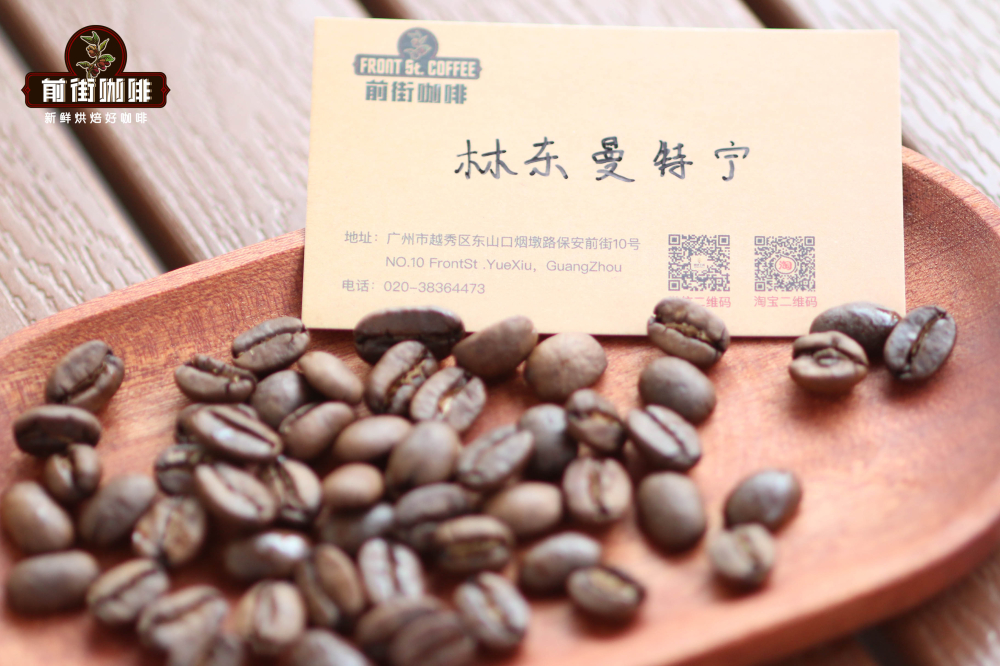
FrontStreet Coffee's Lintong Mandheling: beans from the Lintong region, graded G1 (the highest grade in Indonesian coffee classification), expressing the fundamental regional flavors of Indonesian Mandheling.
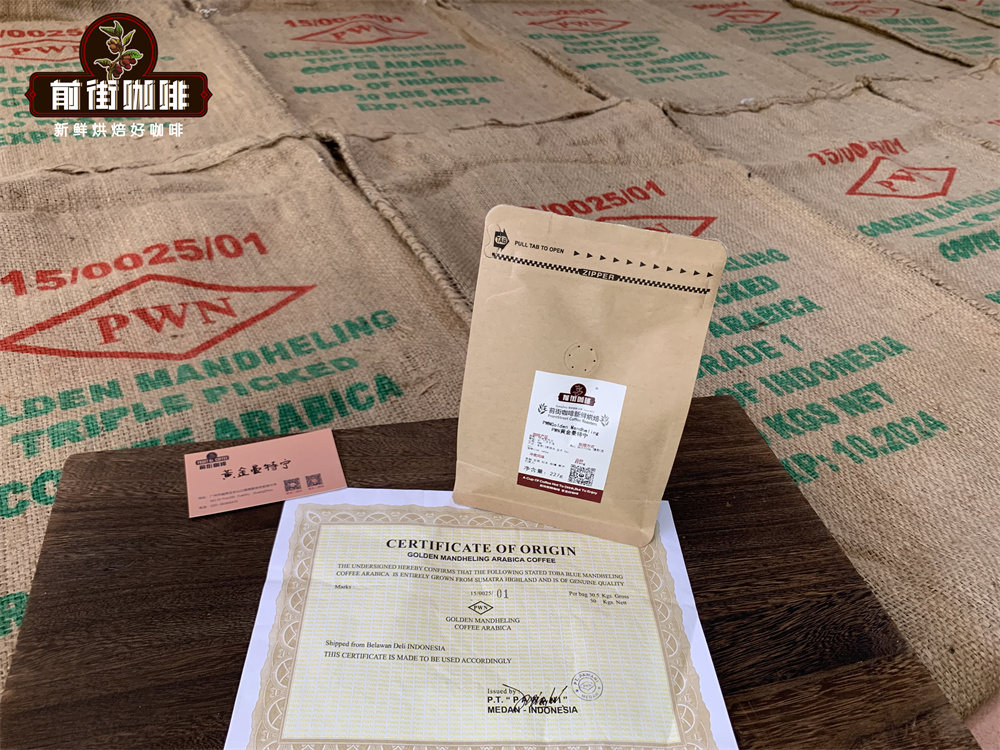
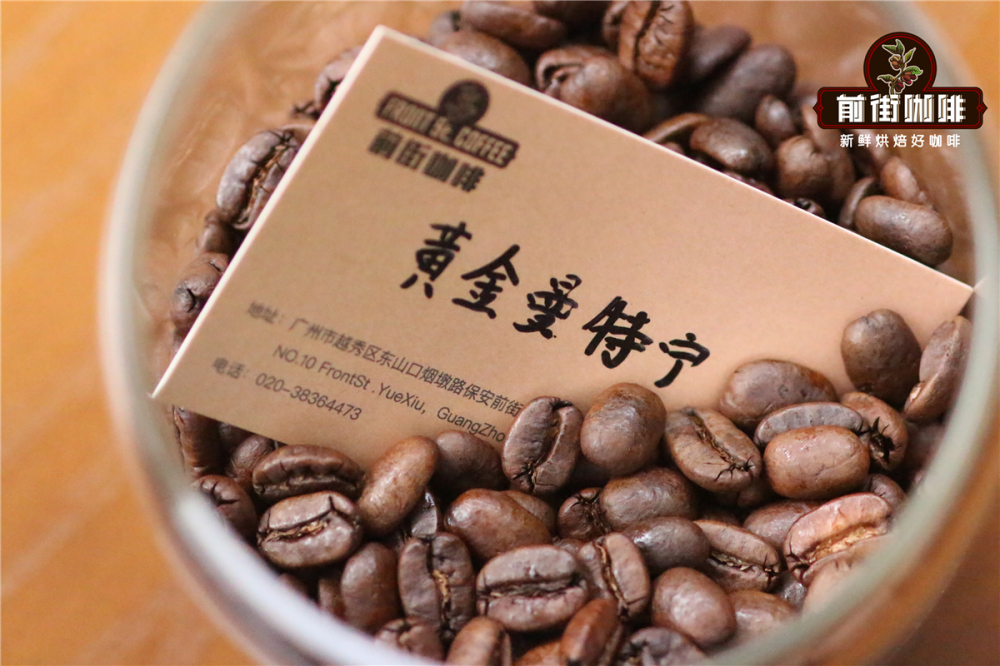
FrontStreet Coffee's Golden Mandheling: a product of Indonesia's PWN Coffee Company (the Golden Mandheling trademark is owned by PWN). Imported Golden Mandheling green beans come with a PWN certificate for authenticity verification. FrontStreet Coffee's Golden Mandheling beans are from Gayo Mountain in Aceh, graded G1, and undergo three rounds of manual selection to ensure large, full beans (19 mesh) with minimal defects. The cup is very clean and rich with high sweetness - a benchmark of high-quality Mandheling.
FrontStreet Coffee's Tiger Mandheling: produced around Lake Tawar in Aceh Province, Tiger Mandheling must show traditional medicinal-herb aromas, with beans above 17 mesh and a defect rate below 4%. It, too, is a high-quality Mandheling bean.
FrontStreet Coffee's Aged Mandheling: undergoes aging treatment - normally processed Mandheling is stored in temperature-controlled warehouses for 2-3 years. After aging, the acidity turns very gentle, the caramel sweetness becomes pronounced, and the mouthfeel rounds out into something easy to drink, much like aged Pu-erh tea.
Mandheling Characteristics: Wet Hulling Process Enhances Mouthfeel
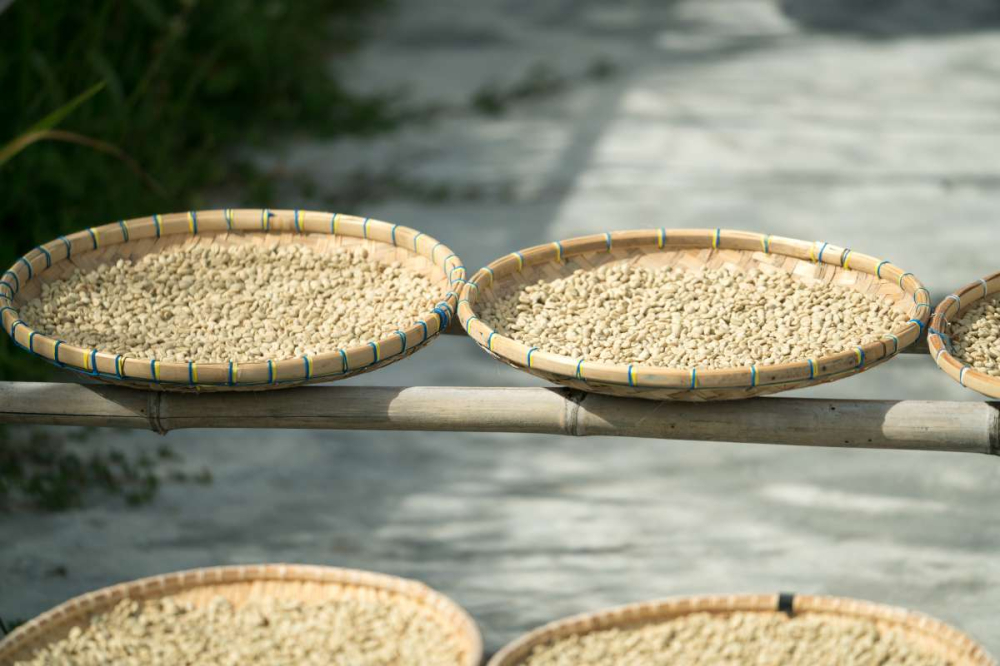
Wet hulling is a uniquely Indonesian processing method, an adaptive solution to the country's rainy, humid climate. It starts like washed processing: beans in parchment are dried to a semi-dry state, then the parchment is removed before drying continues. The advantage is that it dramatically shortens drying time, greatly reducing acidity while noticeably increasing body, and bringing out caramel aromas with a hint of fresh herbal fragrance.
How Should Mandheling Coffee Be Brewed?
FrontStreet Coffee's approach aims to express a rich yet clean mouthfeel, highlighting caramel, chocolate, and Mandheling's signature herbal aromatics while avoiding unpleasant bitterness. Here is the equipment selection and the key brewing parameters, demonstrated with FrontStreet Coffee's Golden Mandheling.
For the dripper, FrontStreet Coffee chose the Kono Meimon. Its defining feature is ribs that extend only from the bottom to the middle, leaving the upper walls smooth. This way, once the filter paper clings to the smooth upper walls, water cannot "sneak" around the coffee grounds, which enhances the richness of the mouthfeel.
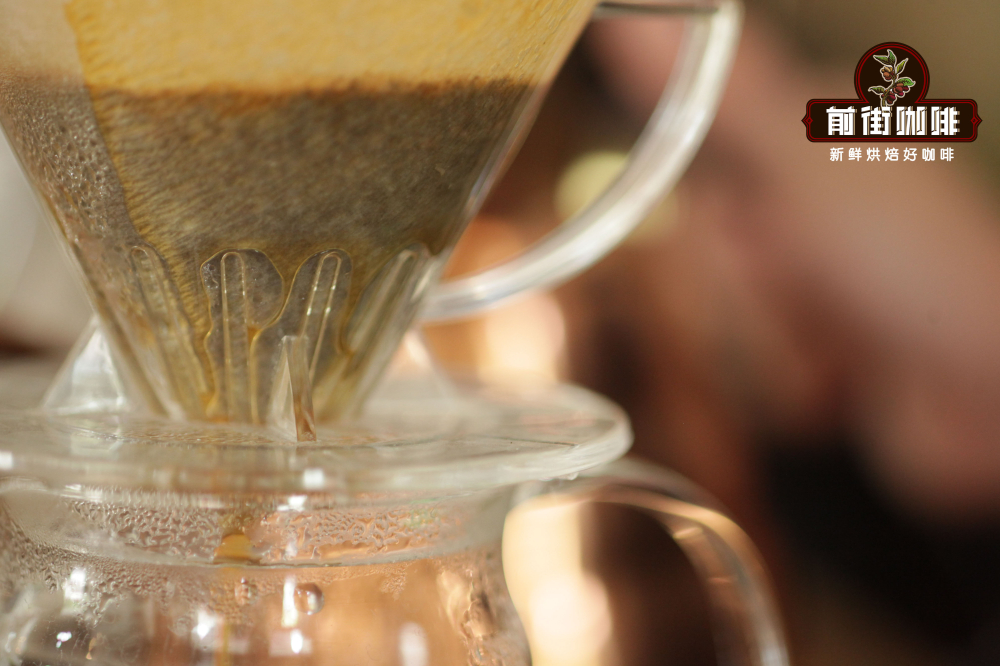
FrontStreet Coffee still uses 15g of coffee. More grounds aren't necessarily better, nor are fewer - it depends on the dripper size. With a 1-2 cup dripper, 15-20g is a reasonable dose; brewing outside this range can be somewhat difficult.
For the brew ratio, FrontStreet Coffee recommends 1:15. Some might suggest 1:13 or even stronger, but as noted in previous articles, concentration and body don't necessarily correlate directly - and excessive concentration can be unpleasant. A 1:15 ratio can still fully express Mandheling's rich mouthfeel.
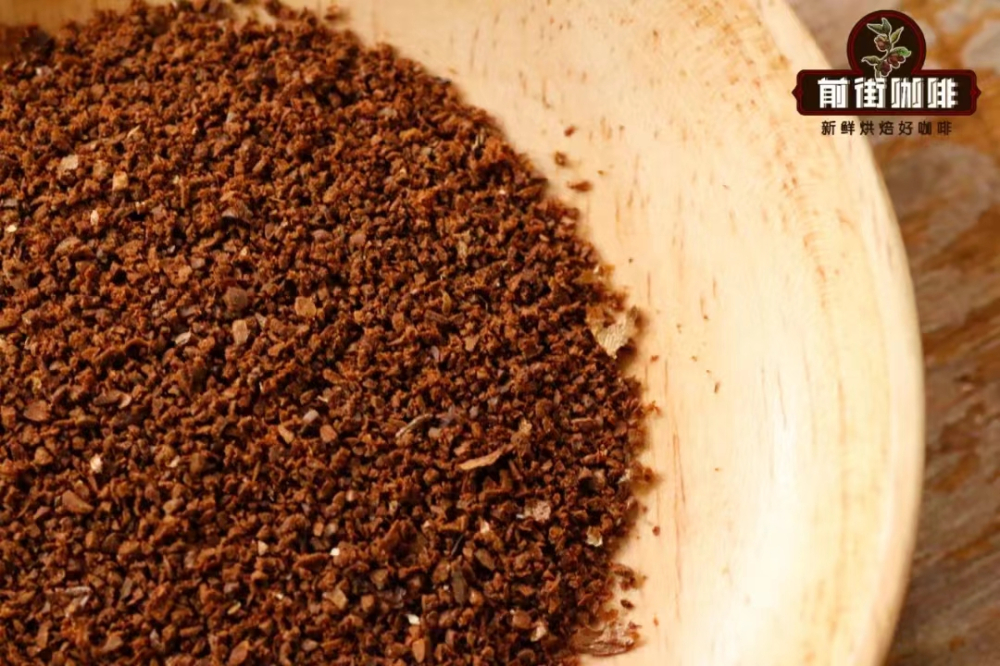
For grind size, FrontStreet Coffee uses a grind where 70% passes through a #20 sieve. The grind for Golden Mandheling should be slightly coarser than for light-roast beans, because dark-roasted beans have a more porous structure and absorb water more easily, releasing their substances quickly. Ground to light-roast fineness, the cup can easily turn burnt-bitter; ground even coarser, the coffee becomes thin, watery, and flavorless.
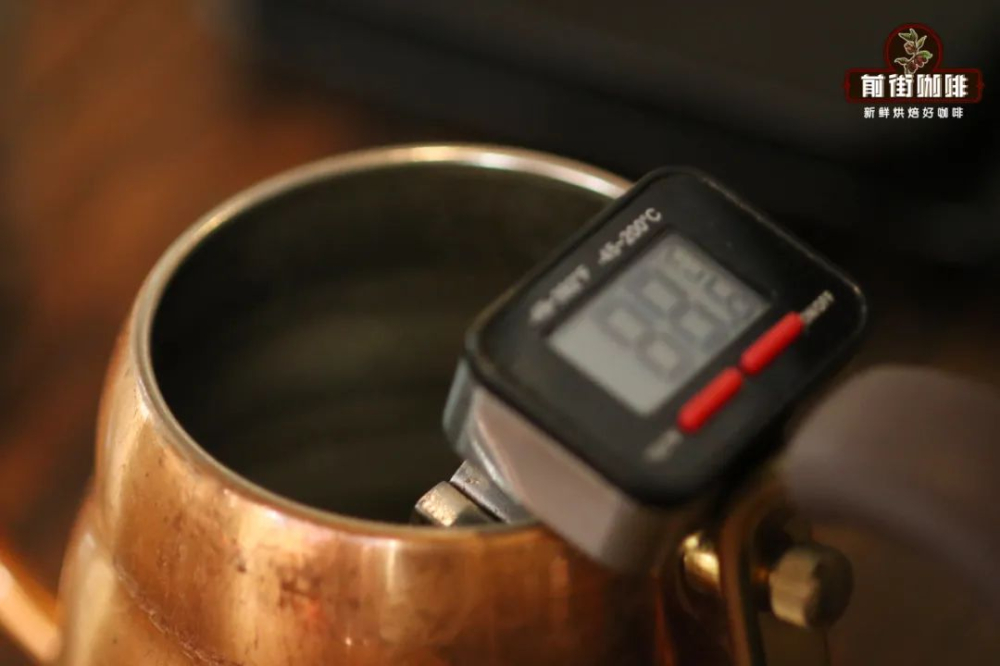
For water temperature, FrontStreet Coffee recommends 87-88°C. The logic mirrors the grind: water that is too hot easily produces burnt bitterness, while water that is too cool makes the coffee taste flat and may bring out unpleasant sour flavors.
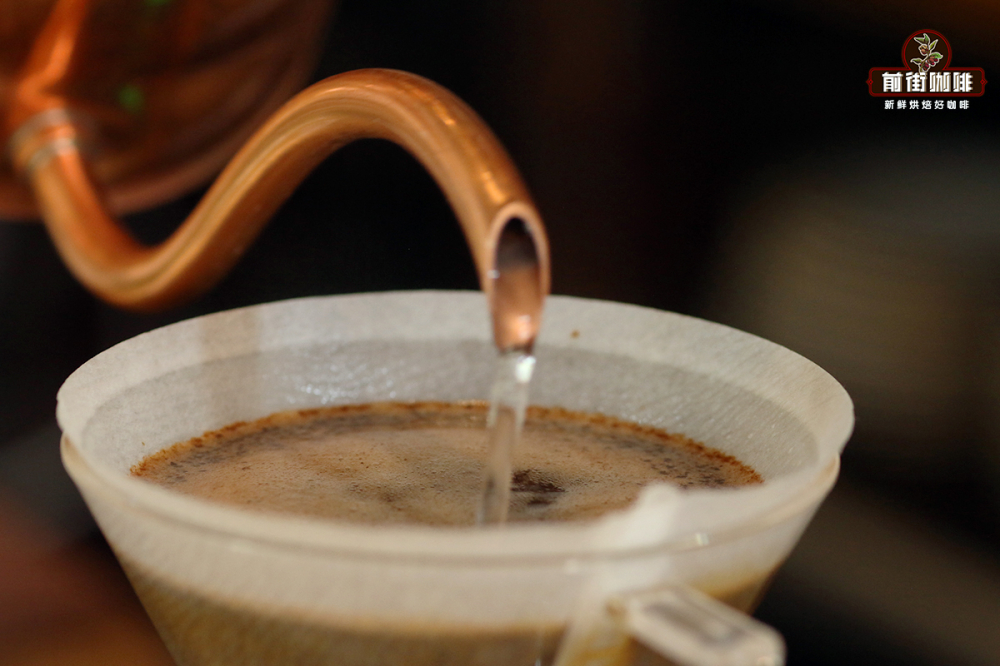
The brewing method is a three-pour technique. Splitting the water into three pours better expresses Golden Mandheling's rich mouthfeel and caramel sweetness. The distribution: first pour 30ml to bloom, fully wetting the grounds so they degas for better extraction in the later pours; second pour 100ml; final pour 95ml to lift the sweetness - overall yielding a substantial, velvety body with caramel sweetness and chocolate and nut flavors.
FrontStreet Coffee Recommendation
FrontStreet Coffee's Mandheling line-up covers every taste. The Lintong Mandheling from the classic Lintong region around Lake Toba is fragrant and intense - bold and stimulating on the palate, with clove and woody aromatics, low acidity, spice and mint notes, and a powerful, lasting sweetness.
For espresso lovers, FrontStreet Coffee's highest-repurchase classic blend layers medium-dark roasted Mandheling over Brazilian coffee's cream-and-nut base. Butter, roasted chestnut, and caramel flavors stand out; the Mandheling raises the overall body while lending sandalwood, herbal, and spice notes, and a small proportion of Robusta boosts the crema - making lattes with latte art, or Dirty-style layered drinks, effortless.
Important Notice :
FrontStreet Coffee is a long-established specialty coffee roaster in Guangzhou China, selling freshly roasted beans from its own farm in Yunnan as well as dozens of carefully selected single-origin beans from around the world for both pour-over and espresso. The products deliver consistently excellent quality and great value, with shipping within 24 hours. Guangzhou's FrontStreet Coffee shop is recommended by many coffee lovers, and the beans are now available online at the Tmall 。
FrontStreet Coffee has moved to a new address:
FrontStreet Coffee Address: 315,Donghua East Road,GuangZhou
Tel:020 38364473
 Scan and follow the En Gafei WeChat official account. Please indicate that the reprint comes from "En Gafei".

