Single-Origin Coffee: Indonesia Mantenga Pour-Over Process Steps & Authentic PWN Golden Mantenga Coffee Key Features

Today, as more people step into coffee shops to understand the stories behind many single-origin beans and the reasons for their distinctive aromas, they not only gain knowledge but also make the whole industry feel more vibrant.
Take the Mandheling coffee introduced by FrontStreet Coffee today: it has a captivating charm all its own. Unlike the fruity sweetness of Ethiopian coffee or the floral and fruity aromas of Geisha, Mandheling's particular flavor has won over many coffee lovers. It is incredibly mellow and was once considered the coffee with the highest body in the world. It features a mellow, rich taste with a slight syrupy quality and low acidity. Its main export markets are Germany and Japan, which speaks indirectly to its excellent quality and superior flavor profile.

Wet Hulling Process
Wet hulling is a rapid method for processing coffee beans. It involves removing the fruit skin and pulp from the beans, followed by brief fermentation and drying. Then the pectin and parchment layers are removed, and the beans continue through a final drying stage until the moisture content drops to 12%. Mandheling beans processed by wet hulling show clearly varying degrees of compression cracks, and the bean color tends toward a dark greenish-blue.
FrontStreet Coffee's menu features two Mandheling coffees, which happen to come from two of the most famous coffee-producing regions in Sumatra: one is the "Golden Mandheling" from the Aceh region near Lake Tawar in northern Sumatra, and the other is the "Lintong Mandheling" grown and harvested around Lake Toba in the south, which locals call "Two Lakes, Double Mandheling." Because many small-scale producers use their own distinctive semi-washed method and the soil is iron-deficient, beans from this region show a characteristic bluish cast at the green stage.

Lintong vs. Golden Mandheling
Lintong Mandheling refers to Arabica coffee from the mountainous area around Lake Toba in North Sumatra Province. The lake lies geographically north of Medan, the capital of Sumatra, and is a high-altitude freshwater lake averaging about 900 meters above sea level. Lintong Mandheling represents the traditional Mandheling—the regular version of the coffee. Through wet-hull processing it presents the distinctive herbal, muffled aroma characteristic of Mandheling. FrontStreet Coffee has therefore included Lintong Mandheling in its everyday line, letting curious drinkers experience the distinctive aroma of Indonesian coffee.
Golden Mandheling is the exclusive signature product of PWN. Because the company registered the "Golden Mandheling" trademark early, only Mandheling produced by PWN can be called "Golden Mandheling." Its defining trait is the multiple screening of green beans, which yields consistently high overall quality. PWN buys Mandheling green beans of 18 mesh or above, with fewer than 3 defect beans in a 300 g sample, qualifying as G1 grade—the highest grade for Indonesian green beans. It then follows strict standards of 1 machine selection plus 3 manual defect selections, ensuring uniform color, shape, and size. As a result, PWN Golden Mandheling offers a cleaner, brighter taste with more pronounced body and sweetness.

FrontStreet Coffee's Focus on PWN Golden Mandheling
FrontStreet Coffee has tested countless Mandheling varieties behind the scenes, including PWN Golden Mandheling, Lintong Mandheling, Tiger Mandheling, Aged Mandheling, and even natural-process Mandheling. Among all of them, FrontStreet Coffee focuses most closely on PWN Golden Mandheling.
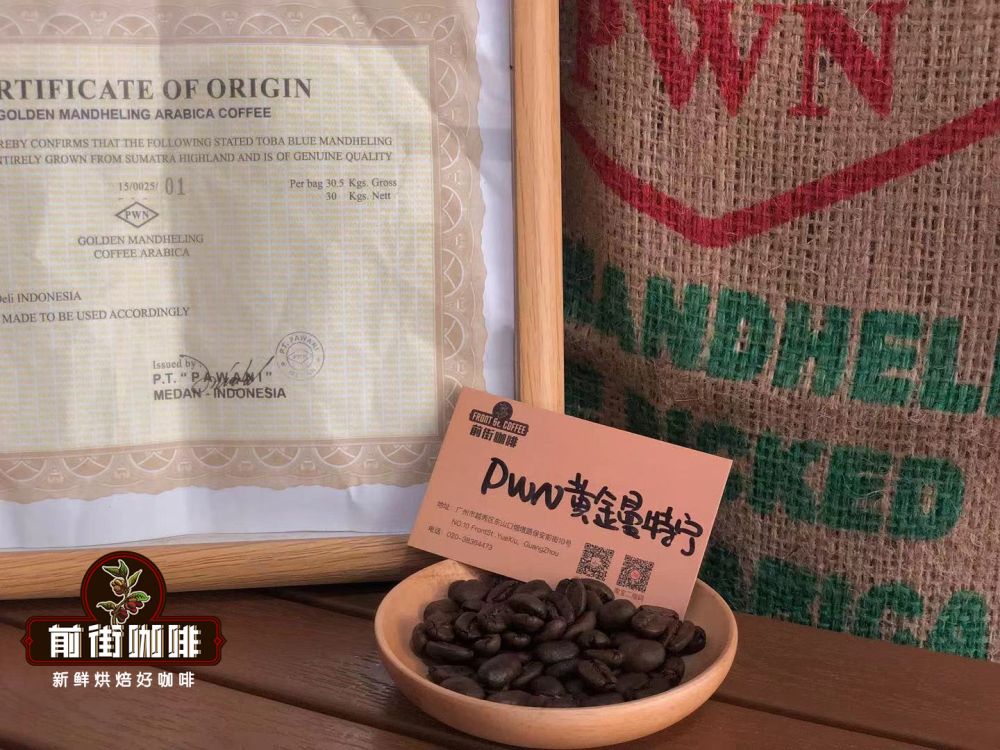
FrontStreet Coffee: Indonesian PWN Golden Mandheling Coffee Beans
Region: Sumatra, Indonesia
Grade: G1, Triple Hand-sorted
Altitude: 1100m-1600m
Variety: Ateng
Processing Method: Wet Hulling
It is worth noting that "Golden Mandheling" has long been registered as a trademark by Indonesia's PWN. In other words, only Golden Mandheling beans produced by PWN are truly Golden Mandheling in the genuine sense. FrontStreet Coffee has noticed many "Golden Mandheling" beans on the market. Some merchants, to sell at higher prices, select green beans of 18 mesh or above from G1-grade Mandheling and apply three manual hand-sortings so that their appearance closely resembles PWN Golden Mandheling.

FrontStreet Coffee has also acquired several "Golden Mandheling" varieties and run cupping tests. Its baristas could clearly pick out the PWN Golden Mandheling among them, because beyond the herbal notes and nutty character expected of Mandheling, genuine PWN Golden Mandheling offers a clean taste with a more pronounced caramel sweetness that the others cannot match.
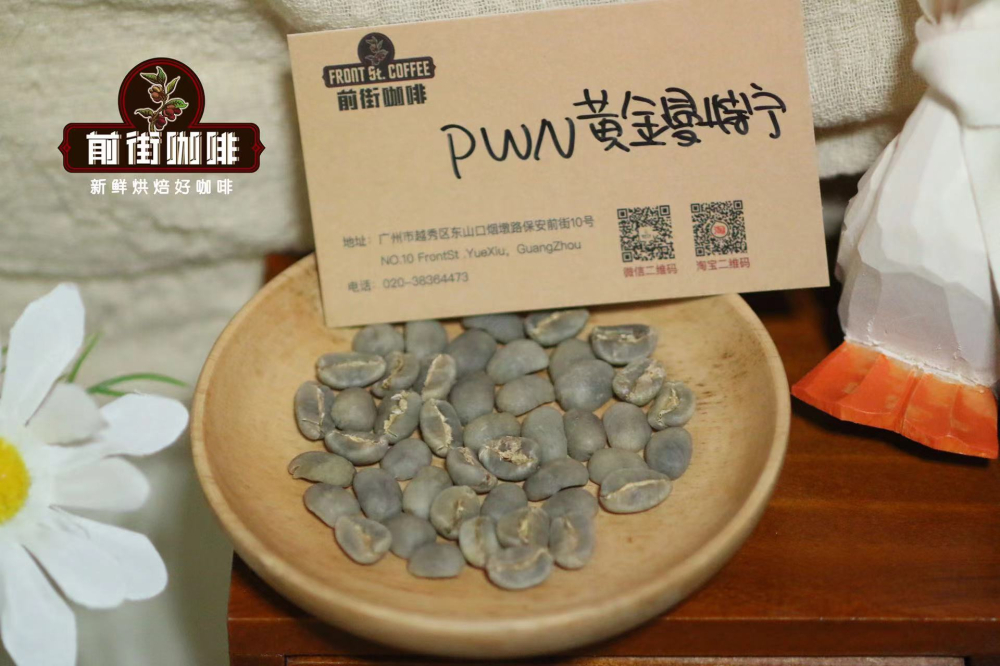
The PWN Golden Mandheling acquired by FrontStreet Coffee uses exclusively manual single-cherry harvesting of fully ripe fruit, ensuring initial bean-selection quality. The cherries are processed using the semi-washed method, naturally sun-dried, and after hulling undergo another drying and refining step along with two green-bean cleaning steps and three manual selections. First qualifying as G1 grade, then meeting the 18+ mesh size requirement, and finally three manual hand-sortings that remove every defect bean—this is what guarantees a clean taste. It can fairly be called a strictly selected premium Golden Mandheling.
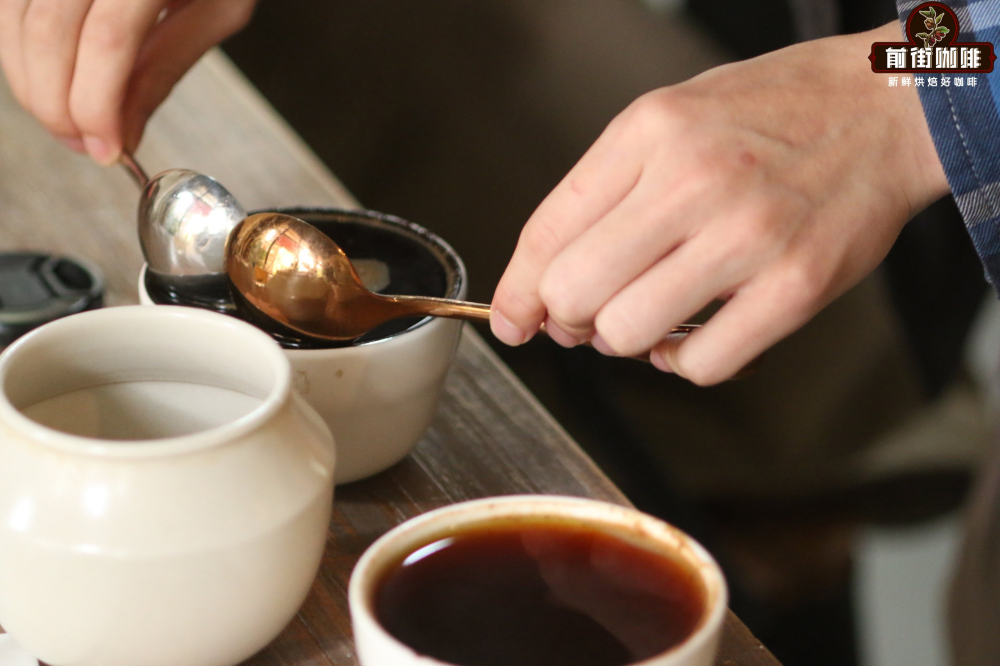
When FrontStreet Coffee's baristas cupped PWN Golden Mandheling, they tasted its excellent herbal notes, caramel aftertaste, and mellow, rich chocolate flavor. It is, arguably, the ideal choice for coffee connoisseurs.

As the picture above shows, the "PWN" marking on Golden Mandheling is the abbreviation for Indonesia's Pawani company. All PWN Golden Mandheling beans produced by the company are registered in Indonesia. Some friends worry that their carefully chosen Golden Mandheling may not be the exact variety they wanted. In fact, you can verify with the seller by asking to see the PWN Golden Mandheling green-bean bags and the relevant certificates. On the walls of FrontStreet Coffee's store hang PWN Golden Mandheling green-bean bags alongside their certificates.
Brewing Recommendations
Many people's impression of Mandheling is "bitter," so they often ask FrontStreet Coffee's baristas how to brew Golden Mandheling so that it tastes good. In fact, bitterness can be divided into good and bad types. Good bitterness dissipates shortly after entering the mouth, leaving a long-lasting aroma. And because Mandheling is synonymous with body, it is roasted to a relatively dark degree.
To highlight Golden Mandheling's high body, FrontStreet Coffee uses a Kono dripper. The reason for choosing Kono is its unique conical design, which ensures even water distribution and dripping at a stable rate throughout the filter. The grooves on the lower part of the cone fit tightly with the filter, reducing sediment and improving airflow, ultimately yielding a cup with concentrated flavor and greater body.
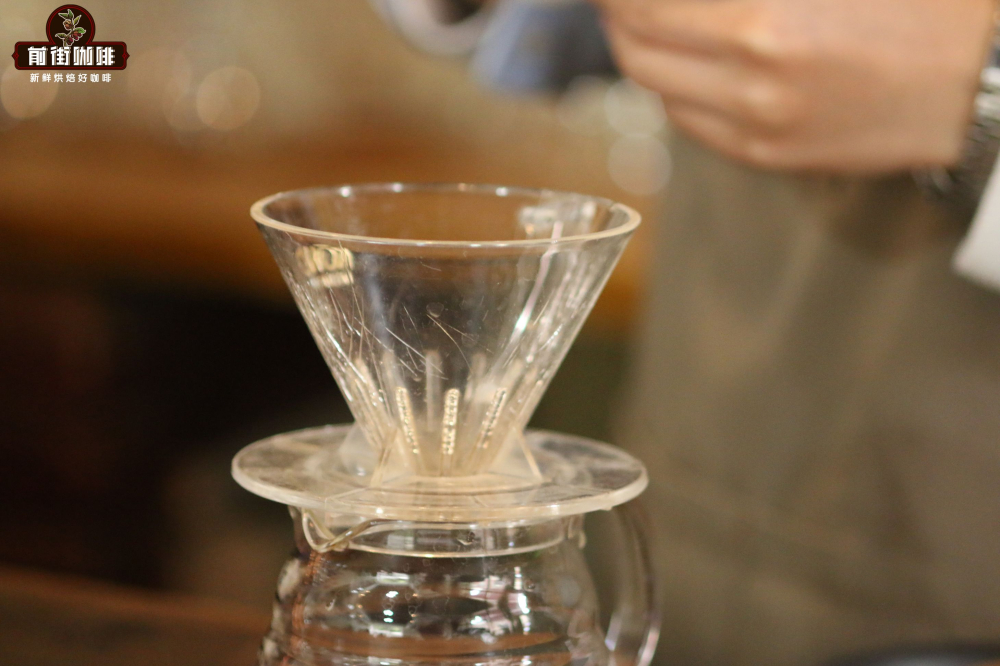
As for water temperature, FrontStreet Coffee uses 88°C water for brewing Mandheling. If you brew at home, you have likely noticed that, under the same conditions, a higher water temperature makes the coffee taste more bitter. Water temperature is crucial to extraction because it affects extraction speed. "Extraction" is the process by which flavor compounds from the beans dissolve into your cup. Higher temperatures accelerate the extraction of oils, acids, and caffeine, which can lead to over-extraction and bitterness. Through its own testing, FrontStreet Coffee found that 88°C is best for Golden Mandheling.
Medium-dark roasted coffee is not suited to large water-to-coffee ratios, which make the overall taste thinner. FrontStreet Coffee suggests starting at 1:15 and then adjusting to your taste.
Brewing Parameters:
Dripper: KONO Dripper
Water Temperature: 88°C
Coffee Amount: 15 grams
Coffee-to-Water Ratio: 1:15
Grind Size: 70% pass-through rate on China-standard #20 sieve
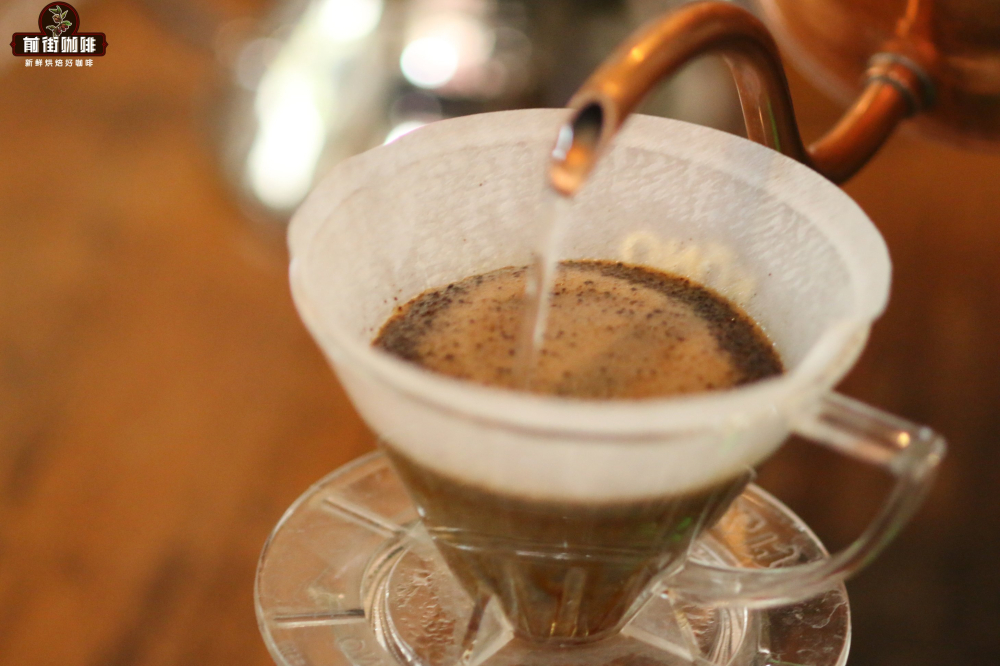
Brewing Method:
Staged extraction: use 30 g of water for a 30-second bloom, then continue pouring in a small circular motion to 125 g for the next stage. When the water level drops and is about to expose the coffee bed, continue pouring to 225 g and stop. When the level drops again to the point of exposing the bed, remove the dripper. (Timing starts from the bloom.) A V60 dripper extracts in 2'00", while a Kono dripper runs slightly longer at 2'10".
FrontStreet Coffee Recommendation
If you want to brew this style at home, FrontStreet Coffee's PWN Golden Mandheling is the bean described throughout this article: Sumatran, G1 with three hand-sortings, screened from 18-mesh-and-above lots and wet-hulled, roasted dark for a low-acid, full-bodied cup of herbs, dark chocolate, and a faint earthiness.
For everyday drinking, FrontStreet's Lintong Mandheling is the traditional Sumatran profile from the Lake Toba area, wet-hulled and medium-dark roasted with herbal, woody, clove, and mint-like aromatics. And if you want Mandheling's weight on the espresso bar, FrontStreet's Classic Espresso blend builds on a Mandheling-and-Brazil base with a touch of Robusta for buttery, roasted-chestnut, and caramel flavors and a rich crema.
Important Notice :
FrontStreet Coffee is a long-established specialty coffee roaster in Guangzhou China, selling freshly roasted beans from its own farm in Yunnan as well as dozens of carefully selected single-origin beans from around the world for both pour-over and espresso. The products deliver consistently excellent quality and great value, with shipping within 24 hours. Guangzhou's FrontStreet Coffee shop is recommended by many coffee lovers, and the beans are now available online at the Tmall 。
FrontStreet Coffee has moved to a new address:
FrontStreet Coffee Address: 315,Donghua East Road,GuangZhou
Tel:020 38364473
 Scan and follow the En Gafei WeChat official account. Please indicate that the reprint comes from "En Gafei".
![[FrontStreet Coffee Bean Exploration Journal] Costa Rica Finca Phoenix Estate Sapphire Special Feature](https://en.gafei.com/uploads/allimg/190226/14-1Z22611464L01-lp.jpg)