
[FrontStreet Coffee Bean Exploration Journal] Costa Rica Finca Phoenix Estate Sapphire Special Feature
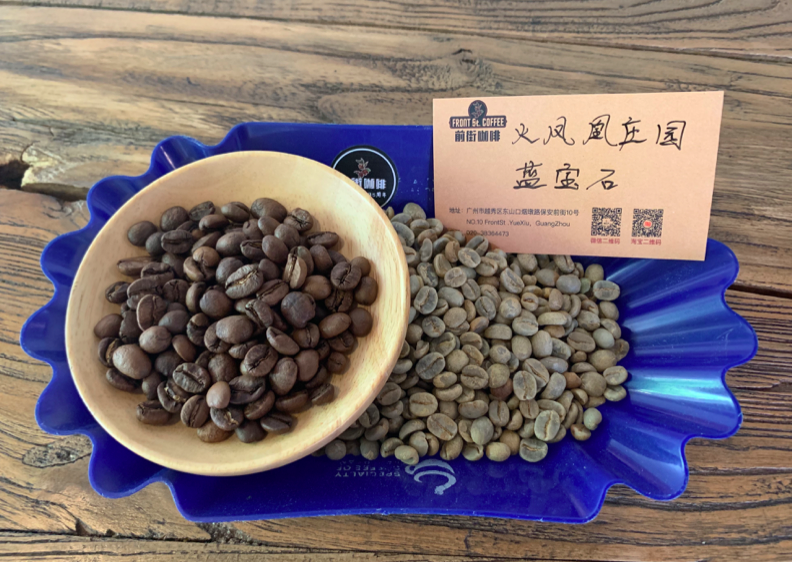
Costa Rica Fire Phoenix Estate Sapphire
Region: Central Valley
Estate: Fire Phoenix Estate
Altitude: 1600m
Variety: Caturra, Catuai
Grade: SHB
Processing Method: Natural
Region Introduction
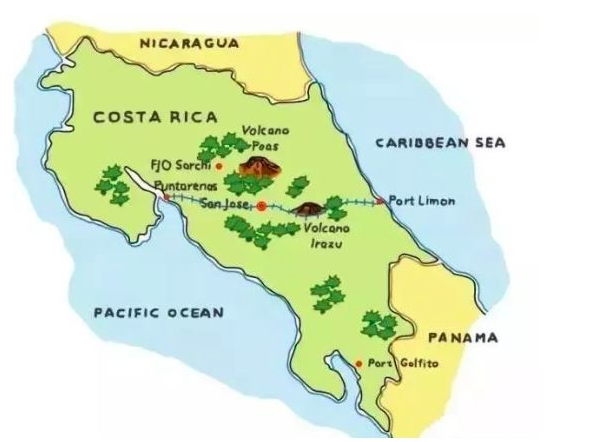
Costa Rica lies on the Central American isthmus, where Pacific and Atlantic currents and sea breezes shape the climate. Towering volcanoes rise to 2,000 meters within its borders, and the country is blessed with fertile volcanic ash, mild temperatures, and steady, abundant rainfall. All of this has made coffee one of Costa Rica's main agricultural products. Cherries ripen slowly in the volcanic soil and the cool high-altitude air, producing beans with complete, rich flavors. Coffee from the country's high-altitude regions is world-renowned - rich, mild, and yet remarkably acidic. Careful processing is what makes that quality possible.
Central Valley
The Central Valley is the earliest part of Costa Rica to cultivate coffee, before the industry spread elsewhere. With moderate annual rainfall of 118 inches and an average annual temperature of only 19°C, combined with high altitude, the beans here have a hard texture, ample aroma, a smooth mouthfeel, high acidity, a plump body, and a rich fragrance. This is Costa Rica's original coffee area, and its rich volcanic soil sometimes carries chocolate aromas.
Estate Introduction
Fire Phoenix Estate is set in the hilly country around Poas Volcano in Costa Rica's Central Valley. It is one of the earliest producers in Central and South America to take up honey and natural processing, and it is an organically farmed estate. The owner believes organic practice is the better choice for both the environment and family health, and despite real technical and organizational challenges, he has stayed committed to that belief.
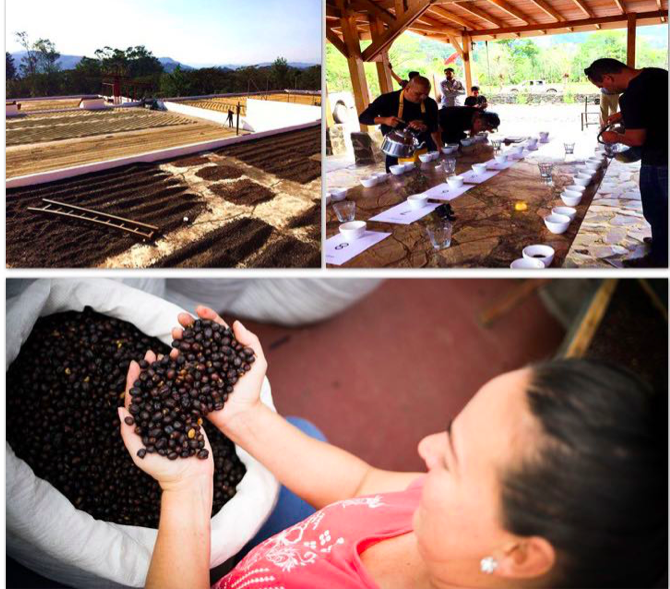
The estate drew real attention at the 2009 Specialty Coffee Competition. During harvest, the team uses a Brix meter - the kind common in the wine industry - to measure the sugar content of the fruit. That reading determines the best time to pick and the right processing method: only fruit above 20% sweetness is selected for natural processing. For comparison, typical fruit Brix values are apples 14, lemons 12, and passion fruit 18, while Fire Phoenix's coffee cherries can reach 21-22%.
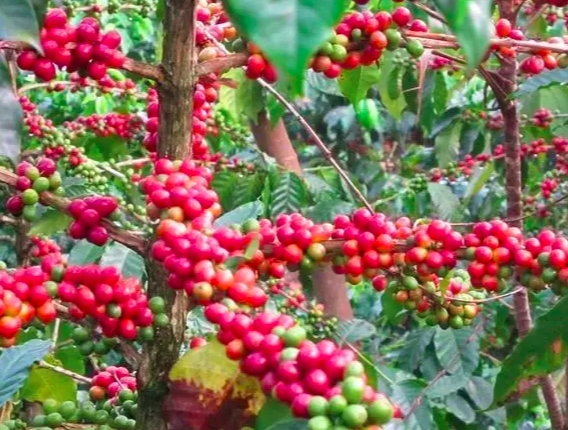
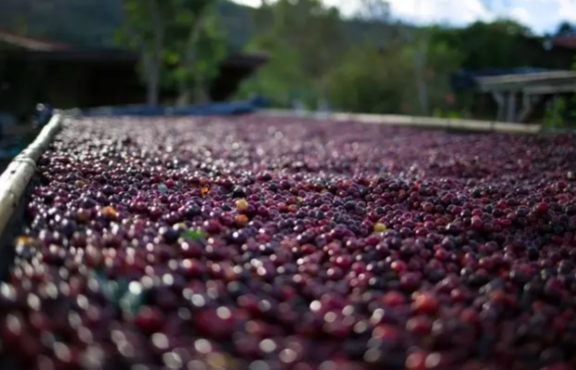
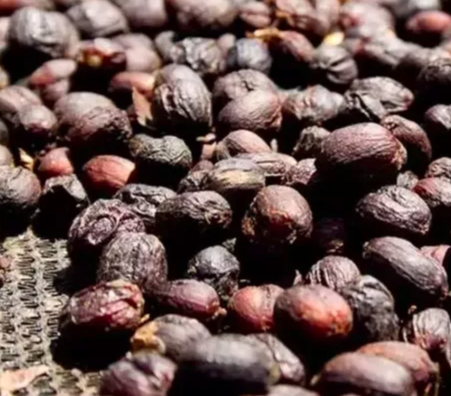
The estate takes environmentally friendly processing seriously - collecting rainwater for coffee processing, for example - and uses worm-composting (vermicompost) organic fertilizer, so cultivation is entirely free of chemical fertilizer and pesticide. Natural processing of the Sapphire is labor-intensive. Hand-picked, high-sugar cherries are first laid on African raised beds to dry in the sun for about 10 days, then moved into plastic-covered greenhouses for more direct heat and further drying until moisture reaches 11.5%. Slow drying lets the green beans develop more natural sweetness from the inside, but it demands constant turning and close attention. In the end, the bright red cherries turn black, giving off aromas of fruit cake, brown sugar, and even sherry.
Varieties (Caturra, Catuai)
Caturra is a Bourbon variety discovered in Brazil in 1937. Compared with Bourbon it yields better and resists disease better, and its shorter plants make harvesting easier. It adapts widely and does not need shade trees - it thrives in direct bright sun, which is why it is known as Sun Coffee. Caturra suits cultivation from 700 meters up to 1,700 meters. It handles a broad altitude range, but higher sites deliver better flavor at the cost of yield - the fate of any specialty bean.
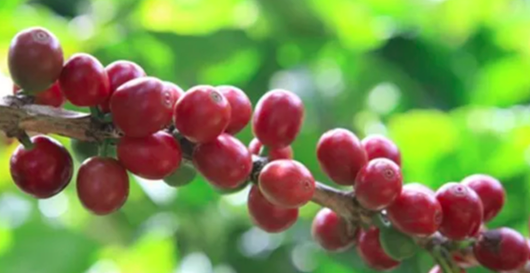
Catuai is also an Arabica hybrid, a cross of Mundo Novo and Caturra. It stands up better to natural disasters, particularly wind and rain. It inherits Caturra's low plant height, addressing Mundo Novo's weakness, and its fruit holds firmly and does not drop easily in strong wind, offsetting Arabica's fragility.
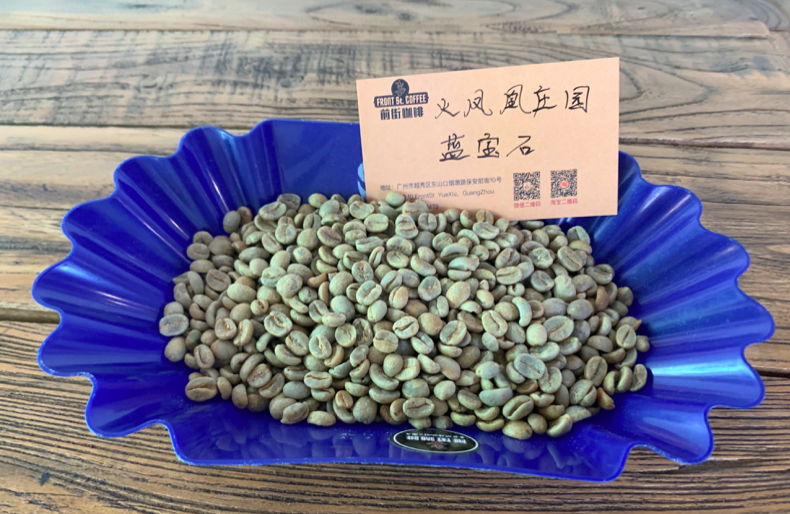
The green beans are uneven in length overall. Beyond the typical grassy aroma of raw beans, they give off a light floral tea aroma and a rich fruit fragrance.
Processing Method (Natural)
This coffee is naturally processed. Natural processing is the oldest and most primitive method for coffee. Harvested cherries are spread on patios, and some are even dried directly on roadsides, taking in full sun (approximately 27-30 days) to bring moisture down from 60% to about 12%. Beans processed this way have the lowest acidity, noticeable sweetness, and high body, though slightly lower cleanliness.
Roasting Analysis
This Costa Rica Fire Phoenix Sapphire carries rich berry and tropical fruit aromas. To preserve the abundant fruit flavors and sweetness, FrontStreet Coffee's roaster uses a medium roast.
Yangjia 800N Roaster (300g batch)
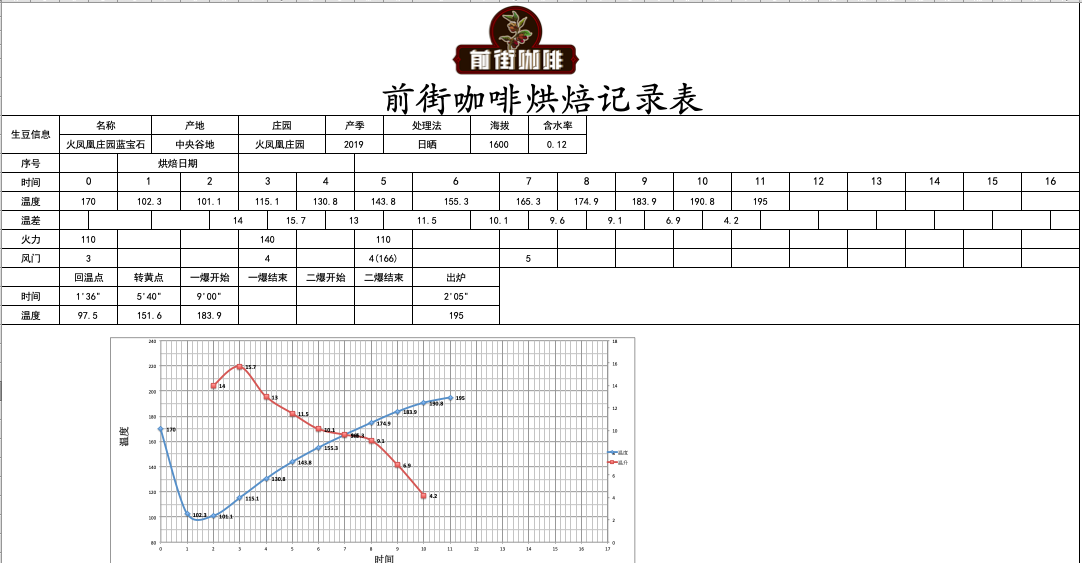
Start with drum temperature at 170°C, damper setting at 3, heat at 110. Return temperature at 1'36", 97.9°C. When drum temperature reaches 140°C, open the damper to 4. At this point the bean surface turns yellow, the grassy aroma disappears completely, and the roast enters the dehydration stage. When drum temperature reaches 166°C, adjust heat to 80°C, damper unchanged.
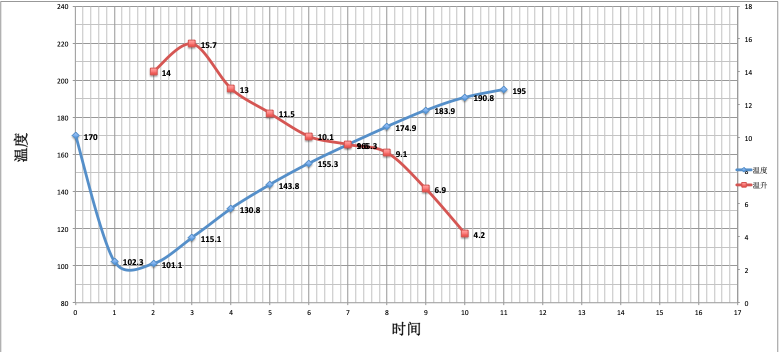
At 8'17", ugly wrinkles and black spots appear on the bean surface, and the toasted bread aroma clearly shifts toward coffee aroma - the prelude to first crack. Listen carefully for the sound. At 9'00", first crack begins; adjust the damper to 5 (adjust heat very carefully, not so little that the roast goes quiet). After first crack, develop for 2'05", then drop at 195°C.
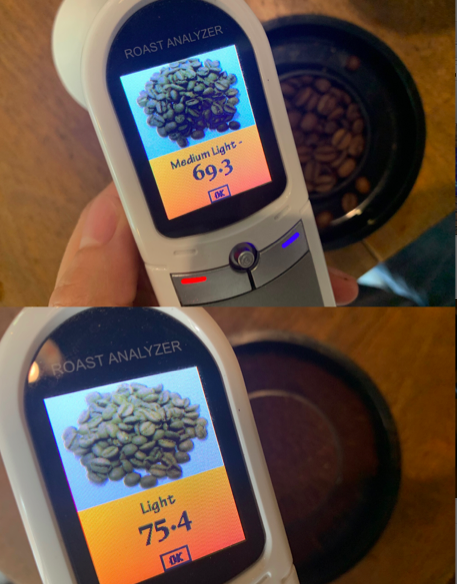
Agtron bean color value 69.3 (upper image), Agtron ground color value 75.4 (lower image), Roast Delta value 6.1.
Cupping Profile
Flavor: Berries, tropical fruits, fermented wine aroma, brown sugar
FrontStreet Coffee Brewing Parameters
Recommended Brewing Method: Pour-over
Dripper: Hario V60
Water Temperature: 90°C
Coffee Dose: 15g
Coffee-to-Water Ratio: 1:16
Grind Size: Medium-fine grind (BG 6k: China standard #20 sieve pass rate 58%)
Brewing Technique: Multi-stage extraction
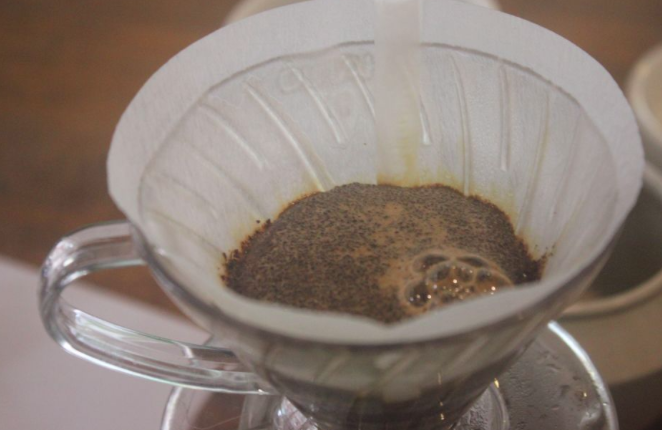
Use 34g of water for the bloom and wait 30 seconds. Continue pouring in small circles to 127g, then pause. When the water level drops and the coffee bed is about to be exposed, continue pouring to 240g and stop. When the bed is again about to be exposed, remove the dripper (timing starts from the bloom). Total extraction time is 2'05".
Flavor Description
The dry aroma shows distinct tropical fruits, fermented tones, and sweet spices. The wet aroma releases berries and honey. On the palate there are strawberries, tropical fruits, and fermented wine notes, with honey and cocoa in the finish. The overall mouthfeel is smooth, with clear layers and a noticeable aftertaste.
FrontStreet Coffee Recommendation
If this naturally processed, fruit-forward Costa Rican caught your attention, these are the FrontStreet beans that carry a similar brightness and depth.
FrontStreet Ethiopia Huakui - one of the most successful star lots of the specialty market in recent years. Its calling card is an extremely bold tropical fruit aroma, often showing strawberry, passion fruit, jackfruit, and even lychee. Sweetness is prominent and bitterness is minimal, and the cup is smooth and juicy - so much so that many drinkers call it "the coffee that does not taste like coffee." For anyone who does not enjoy the bitterness of traditional coffee, it tends to overturn every expectation.
FrontStreet Kenya Small Tomato - a specialty washed Kenyan bean built around vivid cherry-tomato and smoked-plum acidity with a full, juicy body. From Kenya's Thika region at 1,550-1,750 meters, it uses the SL28 and SL34 varieties and Kenya's 72-hour double washed fermentation. Roasted light, it leads with dried tomato and florals, then clean cherry tomato and smoked plum, with snow pear and black plum in the middle and a clean, long finish of brown-sugar sweetness and green tea.
Important Notice :
FrontStreet Coffee is a long-established specialty coffee roaster in Guangzhou China, selling freshly roasted beans from its own farm in Yunnan as well as dozens of carefully selected single-origin beans from around the world for both pour-over and espresso. The products deliver consistently excellent quality and great value, with shipping within 24 hours. Guangzhou's FrontStreet Coffee shop is recommended by many coffee lovers, and the beans are now available online at the Tmall 。
FrontStreet Coffee has moved to a new address:
FrontStreet Coffee Address: 315,Donghua East Road,GuangZhou
Tel:020 38364473
 Scan and follow the En Gafei WeChat official account. Please indicate that the reprint comes from "En Gafei".
![[FrontStreet Coffee Bean Exploration Journal] Costa Rica Fire Phoenix Estate Sapphire Special](https://en.gafei.com/uploads/allimg/190226/14-1Z22611464L01-lp.jpg)
