What Are the Flavor Characteristics of Robusta Beans? Is It Inferior Quality? Where Are the Main Growing Regions of Robusta Coffee Beans?
The Two Main Coffee Varieties: Robusta and Arabica
Although the market offers countless coffees, with different origins and plantations producing distinct flavors, there are really only two main choices: Robusta and Arabica. They come from different coffee trees, and each has its own flavor profile and characteristics.
Robusta accounts for 40% of global coffee production, with the remaining 60% Arabica. Most Robusta is produced in Vietnam, with wide distribution across Brazil, Indonesia, India, and Uganda, while other regions produce very little. Arabica is more widely distributed, with Brazil the largest producing country of Arabica coffee.
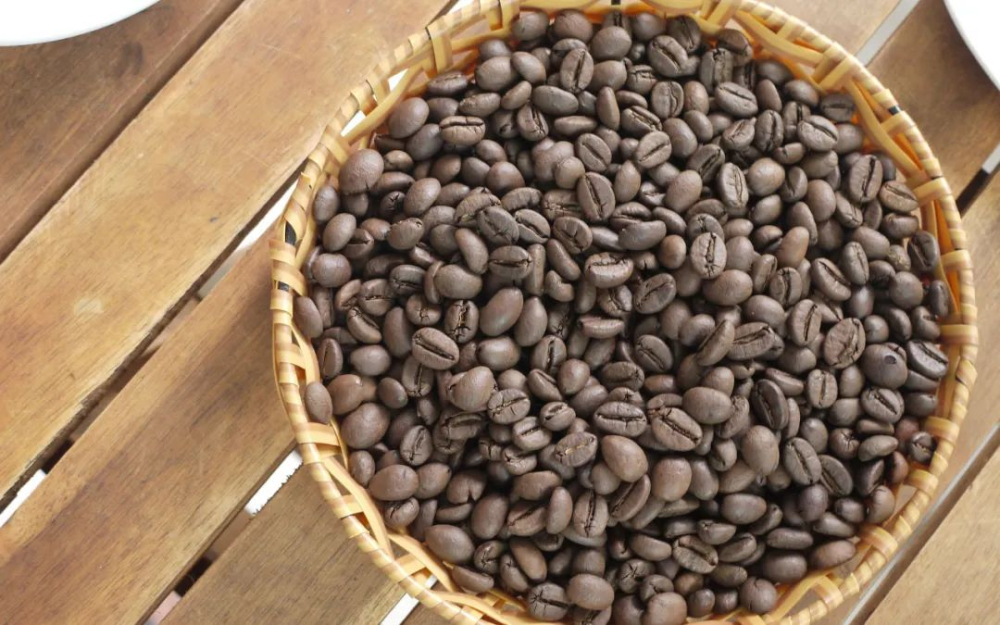
Robusta Coffee: Production and Value
Robusta yields more than Arabica and has less demanding requirements for growing altitude and environment, making it easier to cultivate and manage. With strong disease resistance and low production costs, Robusta is cheaper than Arabica coffee. For that reason it is typically used for inexpensive coffee, such as instant coffee.
As specialty coffee has developed, however, and as recent climate instability has caused significant quality variation in Arabica beans, the cultivation and processing of Robusta have drawn fresh attention. Compared with the past, when everyone held an unfavorable impression of Robusta, it has now become an object of focus in the specialty coffee industry.
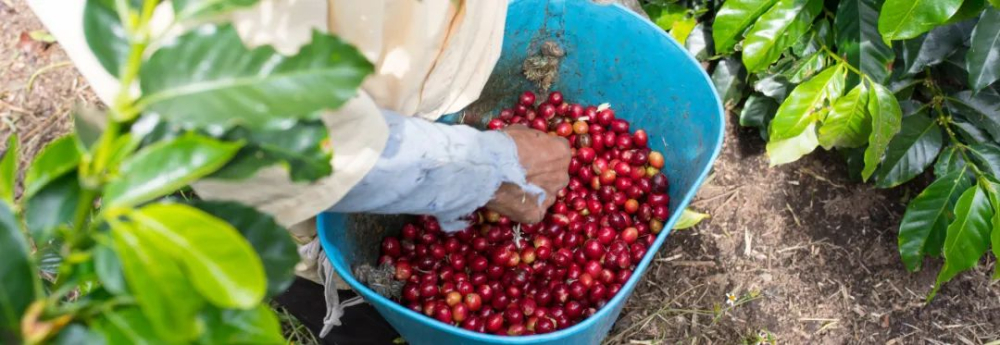
Understanding Robusta's Flavor Profile
One reason Robusta coffee is unpopular is that its strong disease resistance comes from a high content of chlorogenic acid, whose most notable characteristic is bitterness—very bitter! This keeps insects and pathogens away.
That bitterness carries straight into the cup. Compared with the delicate flavors of Arabica beans, Robusta can be described as completely non-acidic, with intense and unappealing flavor characteristics—typically dull and strong, sometimes even rubbery or burnt.
In recent years, as people have begun paying attention to Robusta cultivation and processing, the flavor has improved significantly. On top of its original rich, intense character, the coffee now presents pleasant flavors like barley tea, nuts, and caramel. These flavors also stay stable long-term, unaffected by climate and environmental factors.
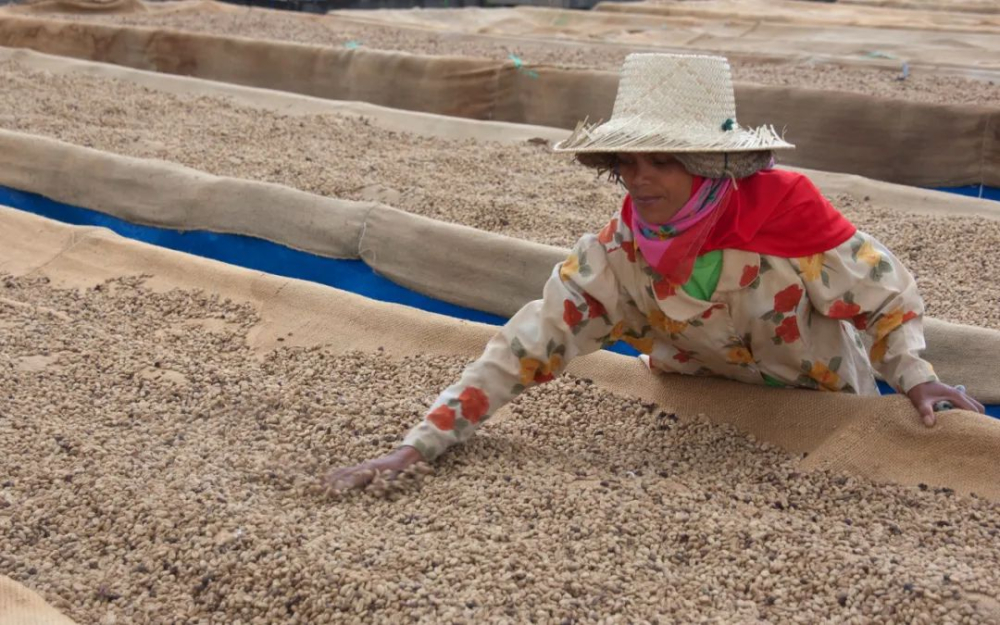
The Role of Robusta in Coffee Blending
For general consumers, long-term stability and richness matter more than delicate, complex flavors. The recent instability in Arabica quality and flavor has also led the specialty coffee industry to re-emphasize Robusta for blending.
Although Robusta's flavor may not match Arabica's, it has very strong body, bringing a solid, rich mouthfeel to coffee. Brewed on its own it may not taste good, but in a blend Robusta is an excellent "partner."
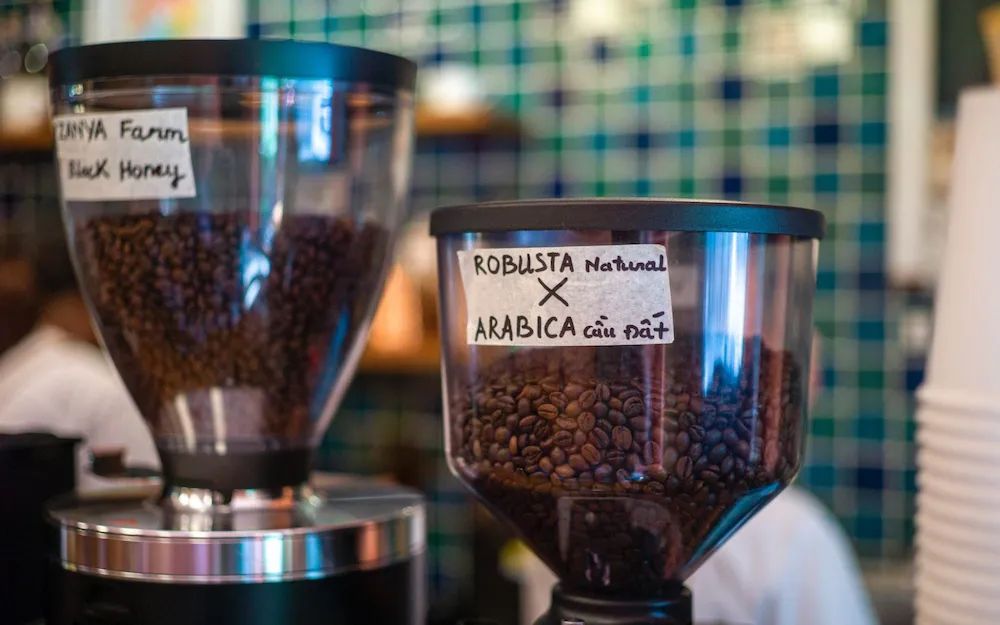
While more people are pursuing acidity in coffee, many general consumers can't accept a noticeably acidic cup. High-body, balanced coffees remain the mainstream preference. Although Robusta's flavor on its own may not be good, adding a small amount can appropriately enhance a coffee's mouthfeel and body.
Blended coffee will be the future trend in specialty coffee. General consumers are the key to supporting industry development, and what they need are products with stable quality and balanced flavor—something single-origin beans struggle to deliver consistently over long periods.
So Robusta is not as poor as everyone imagines. With proper application and an appropriate proportion in a blend, the overall performance of a coffee can be elevated.
FrontStreet Coffee Recommendation
Robusta's real strength shows up in espresso blends, and FrontStreet Coffee's range puts Brazilian beans—known for their chocolate and cream aromas and their soft, balanced sweet-sour-bitter character—at the center. The FrontStreet Classic Blend is the go-to pick: built for espresso and moka pot, it uses the traditional Mamba recipe for a rich, mellow cup and outstanding crema that even a beginner can pull from a home machine. It's what sits behind a good latte, cappuccino, or Dirty.
If value matters more than maximum crema, the FrontStreet Black Cocoa Blend uses 100% Arabica for full body and a friendly price, while the FrontStreet Commercial Blend keeps costs in check for cafés without sacrificing flavor. The FrontStreet Premium Blend, in the meantime, pairs Brazil's creamy nut sweetness with Colombia's dark chocolate bittersweetness for a classic, familiar espresso taste. In every case, the Brazilian component supplies the chocolate and cream notes and a balanced profile that keeps extraction stable.
Important Notice :
FrontStreet Coffee is a long-established specialty coffee roaster in Guangzhou China, selling freshly roasted beans from its own farm in Yunnan as well as dozens of carefully selected single-origin beans from around the world for both pour-over and espresso. The products deliver consistently excellent quality and great value, with shipping within 24 hours. Guangzhou's FrontStreet Coffee shop is recommended by many coffee lovers, and the beans are now available online at the Tmall 。
FrontStreet Coffee has moved to a new address:
FrontStreet Coffee Address: 315,Donghua East Road,GuangZhou
Tel:020 38364473
 Scan and follow the En Gafei WeChat official account. Please indicate that the reprint comes from "En Gafei".