What is the Water-to-Coffee Ratio for Pour-Over Brewing of Nicaragua Mamamina Estate Natural Pacamara?
Professional coffee knowledge exchange. For more coffee bean information, follow Coffee Workshop (WeChat official account: cafe_style).
A couple of days ago, FrontStreet Coffee introduced a natural process Geisha from Colombia's Mi Terra estate. Today, after a proper rest, it is time to brew it.
Bean Information
Colombia Mi Terra Geisha
Colombia - Mi Terra Estate Geisha
Origin: Colombia, Caldas, Chinchina
Altitude: 1700-1850 meters
Variety: Geisha
Processing: Natural
Grade: SUPREMO
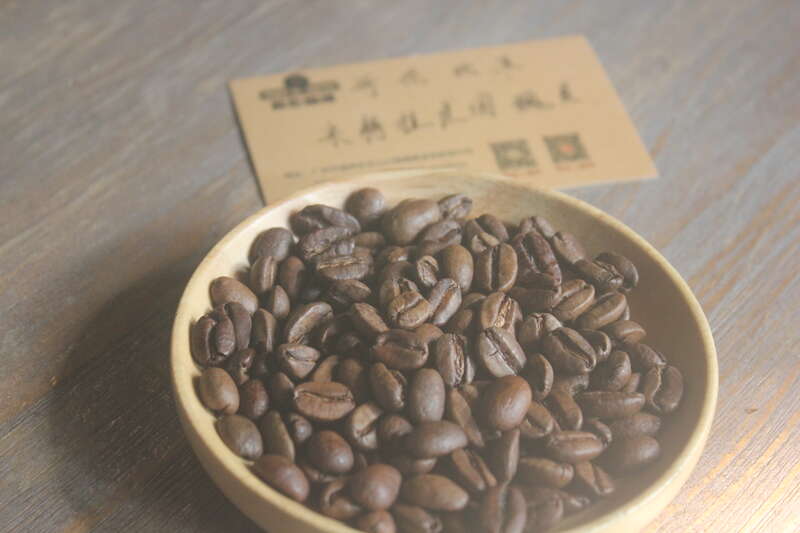
This Geisha comes from Chinchina in Colombia's Caldas region. Caldas lies in the heart of Colombia's coffee-producing area - the country's central zone - and is the core of Colombia's famous coffee tourism. Coffees from Caldas have distinctive vanilla aromas, soft acidity, and full body.
Brewing Share
Today, FrontStreet Coffee chose three brewing devices: the Hario V60, the Ice Crystal Dripper, and a siphon pot.
Hario V60
The bottom of the Hario V60 has a large outlet, with curved ribs arranged in a spiral from the bottom to the top. This design lets coffee flow faster, but the curved ribs also slow the liquid down to some extent, increasing extraction from the grounds. That helps express the aroma and rich flavor layers of these beans.
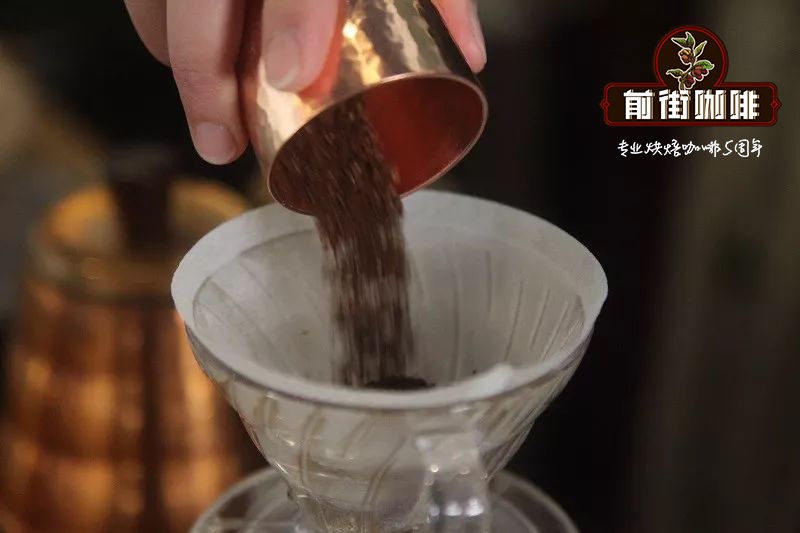
Parameters: 15g dose; medium-fine grind (BG 5T: 58% pass-through rate on a China standard #20 sieve); water temperature 90 degrees C; coffee-to-water ratio 1:16; brewing method: staged pour-over.
Bloom with 35g of water for 30 seconds, then slowly pour in 91g of water (totaling 126g) for the first stage. When the water level is about to expose the coffee bed, continue pouring to 240g to finish. Remove the dripper when the water level is about to expose the coffee bed again. (Timing starts from the bloom.) Extraction time: 1'50".
Flavor: citrus, orange, peach, and lemon notes on entry, with an oolong-tea sensation and caramel sweetness. Overall, rich flavor layers.
Ice Crystal Dripper
The Ice Crystal Dripper's ribs are arranged vertically in a stepped pattern. At the bottom, the design creates space between the filter paper and the dripper, while at the top the paper and dripper form a completely sealed state.
This offers an advantage: because the top paper and dripper are fully sealed, if too much water flows in at once during brewing, or if the water is too hot and floods the flow channels, there is no space for air to escape, which slows the drop of the water level. That creates an immersion effect similar to the KONO dripper and helps avoid under-extraction.
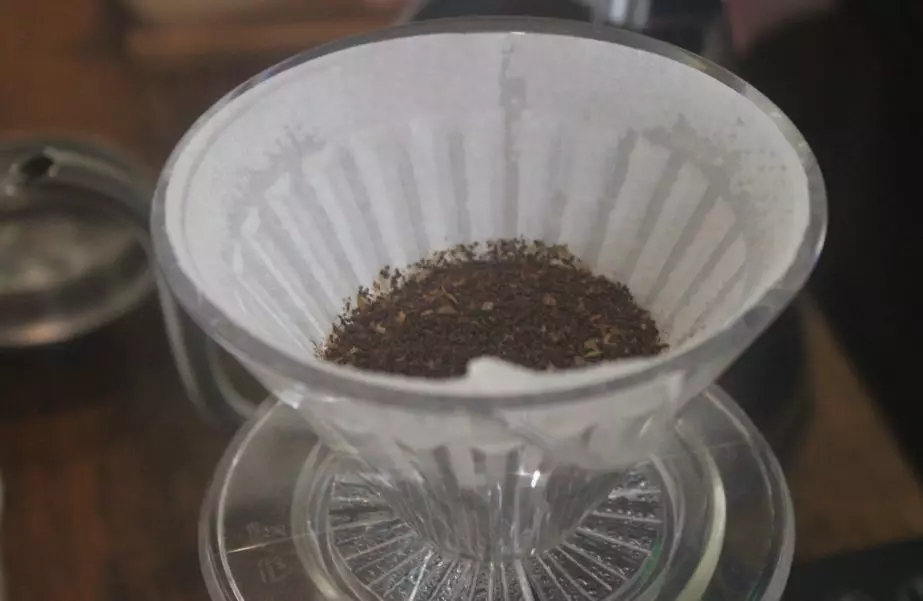
Parameters: 15g dose; medium-fine grind (BG 5T: 58% pass-through rate on a China standard #20 sieve); water temperature 90 degrees C; coffee-to-water ratio 1:16; brewing method: staged pour-over.
Bloom with 30g of water for 30 seconds, then slowly pour in 93g of water (totaling 123g) for the first stage. When the water level is about to expose the coffee bed, continue pouring to 240g to finish. Remove the dripper when the water level is about to expose the coffee bed again. (Timing starts from the bloom.) Extraction time: 1'45".
Flavor: fermented aroma, with citrus, tropical fruit, and mango flavors on entry. Noticeable sweetness.
Siphon Pot
Coffee extraction in a siphon pot works mainly through a pressure difference. First, heat the water in the bottom chamber to a boil, then insert the top chamber, creating a high-pressure state in the bottom. Because of the pressure difference between the two chambers, hot water rises to mix with the grounds in the top chamber for extraction. When extraction is complete, remove the heat source from the bottom chamber, and the pressure difference drops instantly. The siphon effect between the chambers then pulls the coffee extract back down into the bottom chamber. To speed the return, you can wipe the bottom chamber with a wet cloth, which further reduces the pressure difference and accelerates the flow.
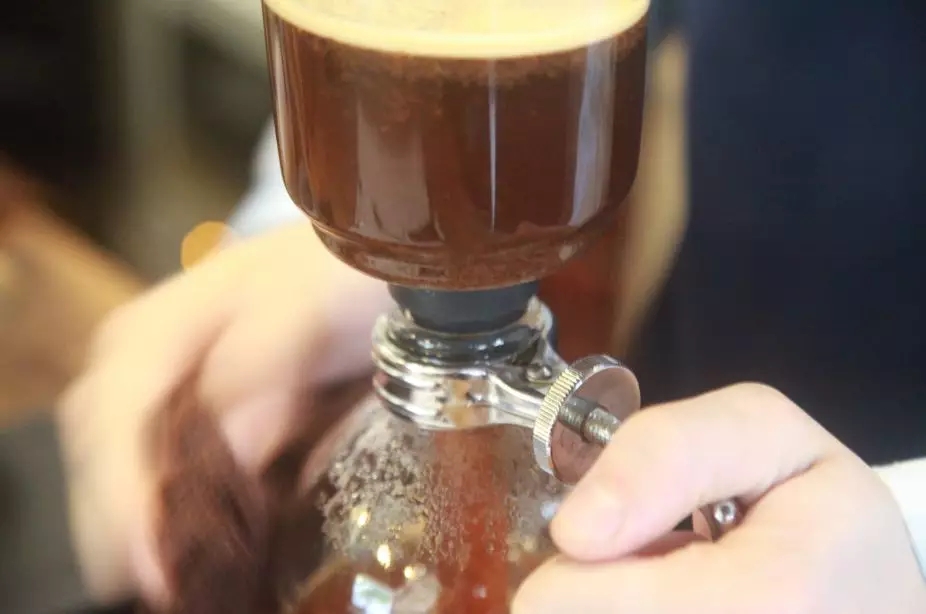
Parameters: 20g dose; water temperature 90 degrees C; medium-fine grind (BG 6M: 48% pass-through rate on a China standard #20 sieve); coffee-to-water ratio 1:14.
Pour 280g of water into the bottom chamber. When the water reaches 90 degrees C, add the grounds and stir ten times to ensure full contact. At 40 seconds, stir five times to increase extraction. At 50 seconds, remove the heat source and stir. (Timing starts from adding the grounds.) Extraction time: 1'30".
Flavor: grape, peach, and citrus notes on entry, with a fruit-candy sensation, an oolong-tea feel, and noticeable oils.
Flavor descriptions vary from person to person and are influenced by water temperature and brewing method. The brewing notes here follow the flavor-wheel limits under identical equipment and parameters, and are intended for reference.
Summary
Among the three devices FrontStreet Coffee chose this time, if you want to highlight the coffee's flavor layers, choose the V60 dripper; if you want to emphasize sweetness, the Ice Crystal Dripper is worth considering; and if you want to highlight mouthfeel, the siphon pot is an excellent choice.
FrontStreet Coffee Recommendation
For a Geisha that shines in these brewers, FrontStreet Coffee's Grana Estate Geisha is a strong pick. It comes from the Grana processing station at the border of Ethiopia's Kochore and Grana Abaya areas - a station founded in 2014 and managed by Mr. Israel Degefa, in a region with as much as 700 hectares of coffee plantings, much of it uncultivated land with fertile soil and plenty of shade trees. Ripe cherries are hand-picked and dried on raised beds for 14-20 days depending on the weather. Medium-light roasted, it pours out bright citrus acidity, elegant ginger-lily aromatics, the full sweetness of ripe fruit, and a delicate, silky body with the refined finish that marks the Geisha variety.
For a fuller, espresso-style take, FrontStreet Coffee's Grana Estate Geisha SOE also works medium roasted, carrying Geisha's floral-fruit character and ripe dried-fruit sweetness alongside Ethiopian white florals and lemon-like acidity. FrontStreet Coffee's suggested recipe is 20g of coffee, a 1:2 coffee-to-liquid ratio, and a 25-second extraction for 40g of espresso. Add 200g of hot water for a Geisha SOE Americano with orange, nut, and blueberry flavors, or 200g of milk for a latte with a creamy-cookie smoothness.
Important Notice :
FrontStreet Coffee is a long-established specialty coffee roaster in Guangzhou China, selling freshly roasted beans from its own farm in Yunnan as well as dozens of carefully selected single-origin beans from around the world for both pour-over and espresso. The products deliver consistently excellent quality and great value, with shipping within 24 hours. Guangzhou's FrontStreet Coffee shop is recommended by many coffee lovers, and the beans are now available online at the Tmall 。
FrontStreet Coffee has moved to a new address:
FrontStreet Coffee Address: 315,Donghua East Road,GuangZhou
Tel:020 38364473
 Scan and follow the En Gafei WeChat official account. Please indicate that the reprint comes from "En Gafei".