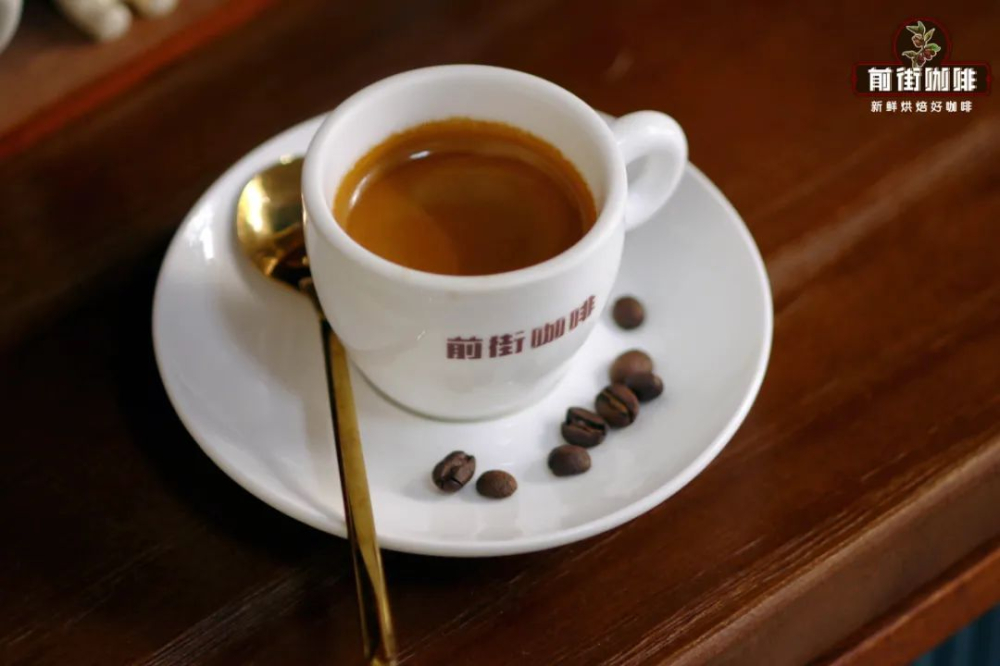
Have you heard of flavored mocha and Yemen mocha, but have you heard of mocha as a coffee variety?
What is Mocha Coffee?
When you hear the word mocha, do you picture the chocolate-flavoured mocha drink, or the monument of the coffee world, Yemeni Mocha coffee? Today FrontStreet Coffee wants to talk about neither. This article is about the Mocha coffee variety itself.
In everyday usage, mocha refers to any coffee with a chocolate flavour, including a simple blend of hot chocolate and coffee. Yet the word originally had nothing to do with chocolate or with mixing chocolate into coffee. It appeared as early as 1773, when it was used to describe various types of coffee.
Mocha coffee beans take their name from the port of Mocha (Al Mokha) in Yemen, because coffee was originally shipped out of Yemen through that port. Compared with its former fame, today's Port of Mocha has lost its prosperity and survives as a historic port with little more than white sandy beaches, yet the name "mocha" still carries its reputation around the world.
Origin and Characteristics of Mocha Coffee
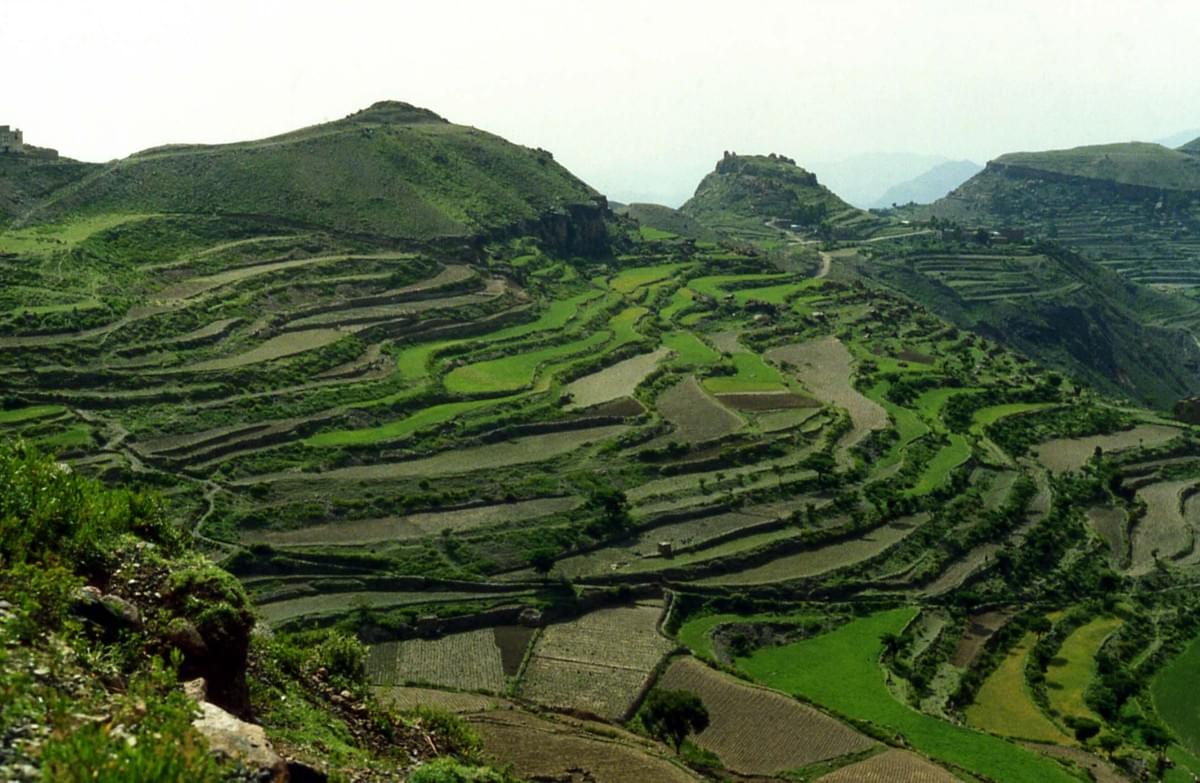
Mocha coffee grows in the central mountainous region of the Arabian Peninsula in Yemen. For a time the word "mocha" was almost synonymous with "coffee," and it turned up on everything coffee-related, even when the product had no connection to Yemeni coffee at all.
Because it was first cultivated in Yemen, it was named Mocha and was later carried to Réunion Island. The Mocha variety is regarded as a variant of Bourbon coffee. The beans are relatively small, and the plant is genetically close to Bourbon as well as to the Laurina variety. (A second theory holds that Mocha is a separate variety discovered in Yemen.)
Botanical Features
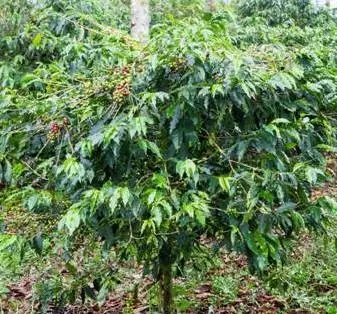
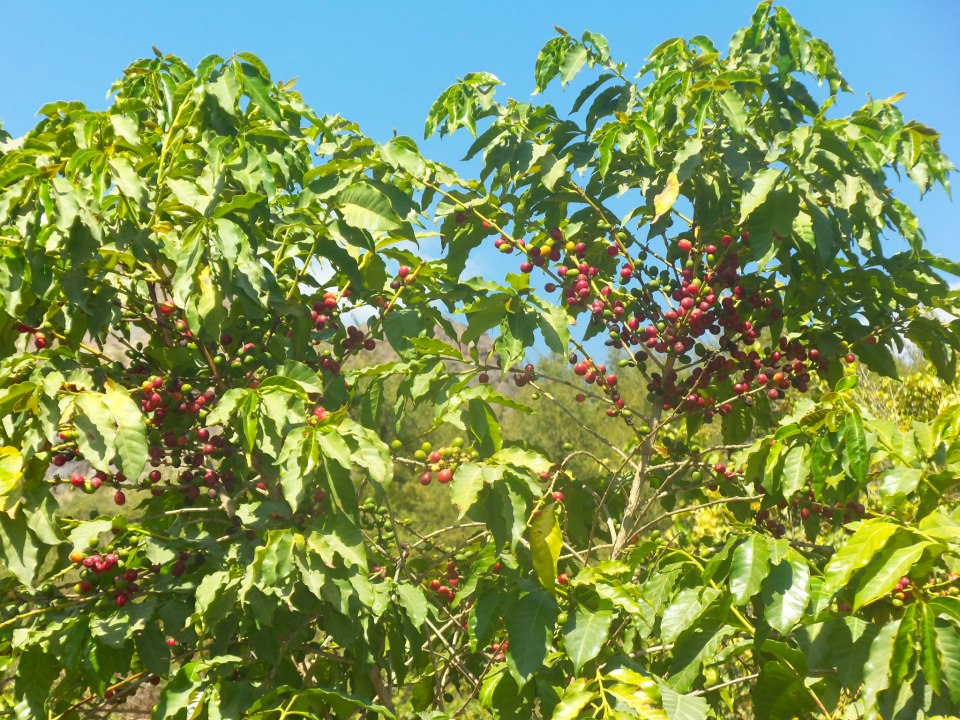
The beans are small and round and are highly susceptible to coffee leaf rust. The tree grows in a conical shape with short internodes between the leaves, and the leaves themselves are small and oval. The flower clusters are large even though the individual flowers are tiny, and the fruit and seed are the smallest among Arabica varieties. The seeds of a Mocha tree look more like split peas than like coffee beans.
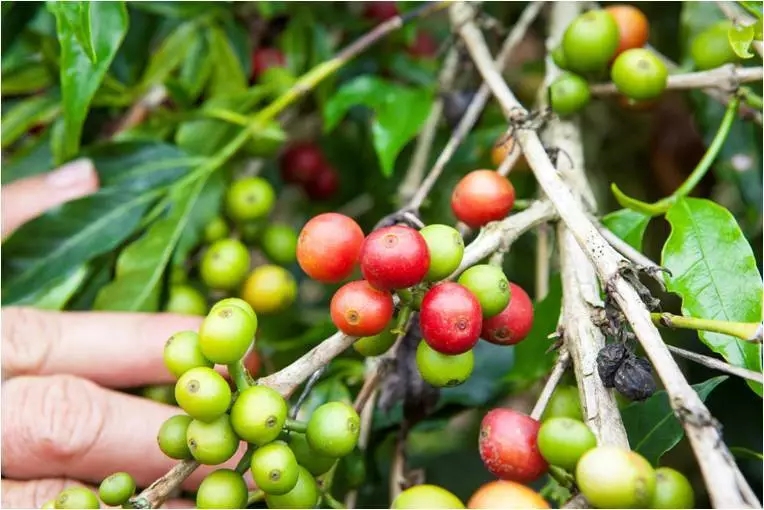
Small Mocha Characteristics
Because Mocha beans are so small, the variety is also called "Small Mocha." Grown in Central and South America, Small Mocha trees are short and the beans are small, with low yields. Small Mocha beans usually measure about 10 to 11 mesh, far smaller than typical Central and South American coffee beans. Notably, Small Mocha has a flat side, meaning a single fruit contains two raw beans. Peaberries do occur in Small Mocha, but they account for only 2%, well below the 5 to 10% typical of Arabica varieties.
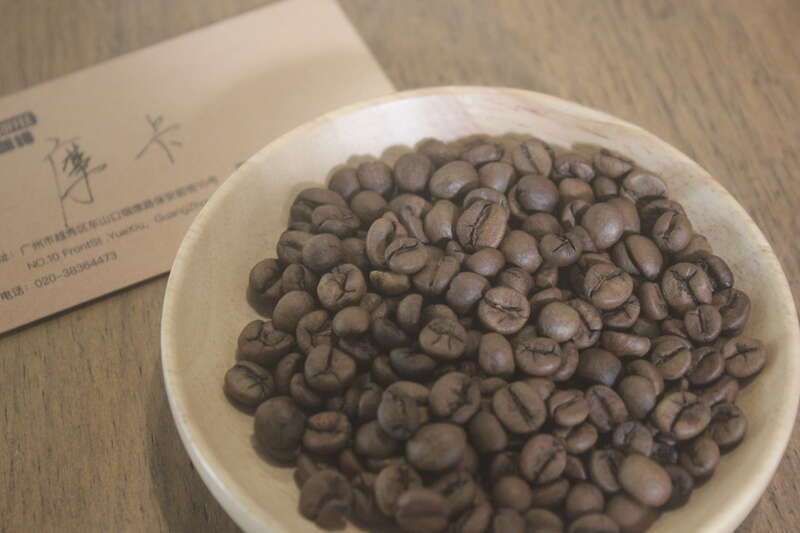
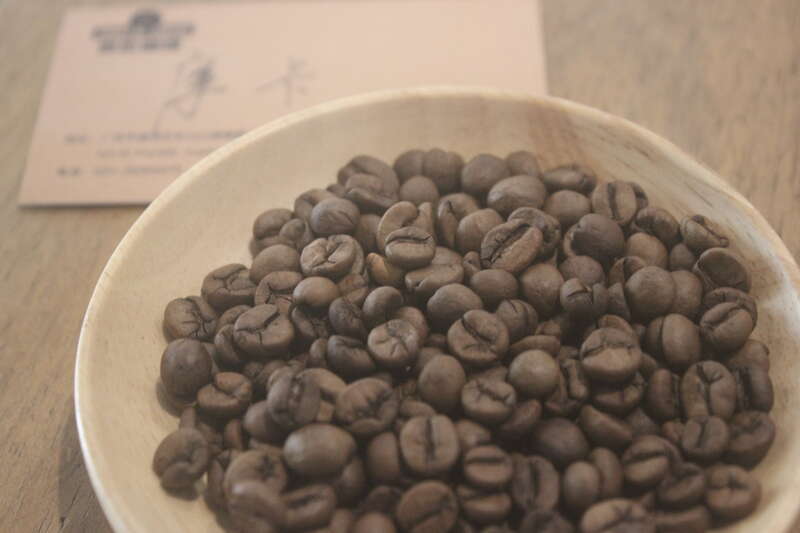
Roasted Mocha Beans
A look at the roasted Mocha beans shows just how small and round they are, with a remarkably uniform overall size.
FrontStreet Coffee Brewing Parameters and Flavor Profile
Parameters: 15 g of coffee grounds, water temperature 89°C, coffee-to-water ratio 1:15, medium-fine grind (BG 5T: 58% pass-through rate on a China standard #20 sieve), brewed in stages.
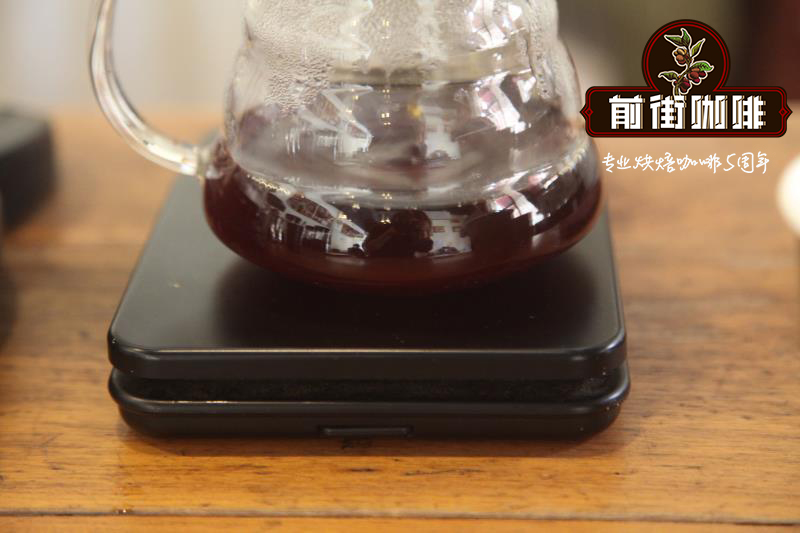
Brewing method: Use 30 g of water for the bloom. Stop the bloom when the coffee bed turns from moist to dry, about 30 seconds. Pour with a slow stream in a circular motion at the centre until the scale reads 122 g, then stop. When the water level drops and the bed is about to be exposed, resume pouring until the scale reads 225 g and stop. When the level drops and the bed is about to be exposed again, remove the dripper. (Start timing from the beginning of the bloom.) Total extraction time is 1'40".
Flavor profile: The dry aroma carries fermented notes, while the wet aroma is floral. On the palate there are notes of raspberry, fruit candy, cream, and chocolate, with the sweetness of raisins.
FrontStreet Coffee Recommendation
The Mocha variety is one of the oldest and smallest Arabica types, and its historical reputation rests on the deep, chocolatey cup that chocolate lovers chase today. To taste that classic profile in a modern roast, FrontStreet Coffee's Indonesia Lintong Mandheling is a natural fit: it is a Sumatra-grown G1 lot, wet-hulled and dark-roasted, and it delivers the brown sugar, spice, herbal, nutty, and dark chocolate notes that echo the traditional Mocha character with a heavy, low-acid body. If you prefer the creamier side, FrontStreet Coffee's Brazil Queen's Estate single origin uses Yellow Bourbon and brings nut, cream, roasted peanut, and caramel-cookie flavours with a low, balanced acidity and a long, sweet finish. For an everyday espresso-based cup, FrontStreet Coffee's Signature Blend, led by Brazil with Colombia in support, layers almond, walnut, and milk chocolate with a smooth, gentle bitterness.
Important Notice :
FrontStreet Coffee is a long-established specialty coffee roaster in Guangzhou China, selling freshly roasted beans from its own farm in Yunnan as well as dozens of carefully selected single-origin beans from around the world for both pour-over and espresso. The products deliver consistently excellent quality and great value, with shipping within 24 hours. Guangzhou's FrontStreet Coffee shop is recommended by many coffee lovers, and the beans are now available online at the Tmall 。
FrontStreet Coffee has moved to a new address:
FrontStreet Coffee Address: 315,Donghua East Road,GuangZhou
Tel:020 38364473
 Scan and follow the En Gafei WeChat official account. Please indicate that the reprint comes from "En Gafei".