How to Quickly Distinguish Robusta and Arabica Beans - What's the Difference Between Robusta and Arabica?
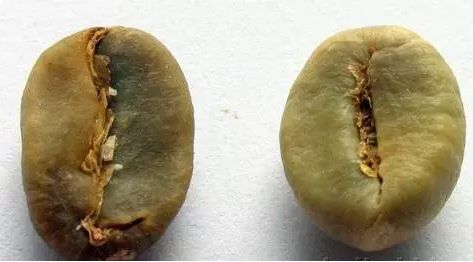
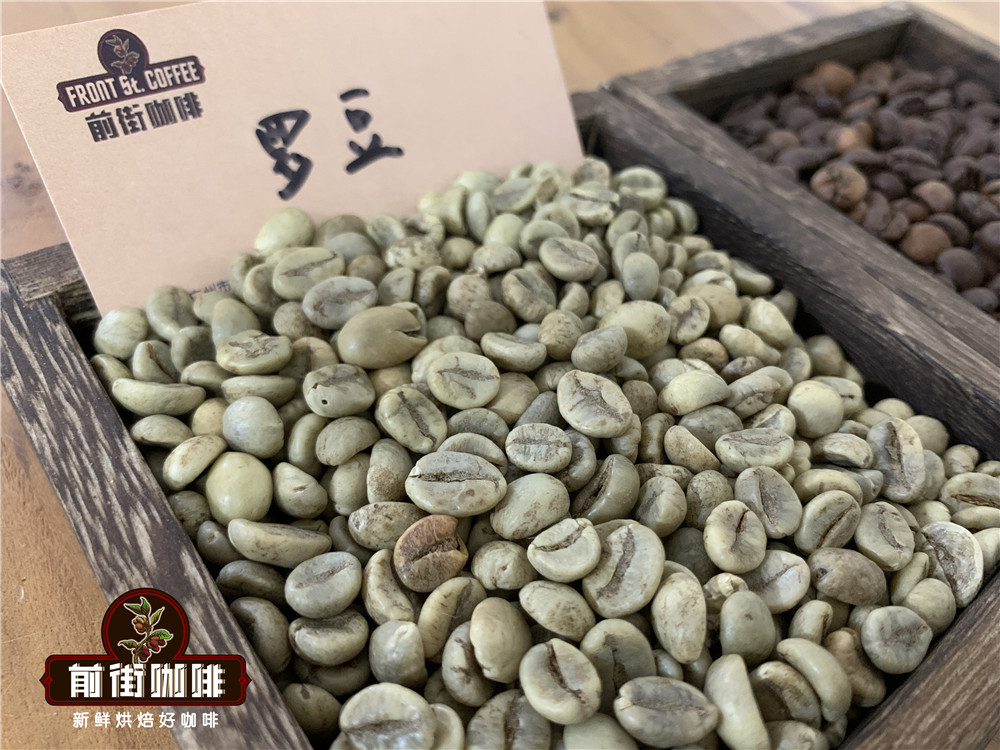
Today's coffee market is built on three major varieties, with Arabica and Robusta dominating and Liberica relatively rare. Before roasting, we can quickly tell Arabica from Robusta by appearance. Arabica beans are long and oval, flat, with an S-shaped or C-shaped center line; Robusta beans are oval, spherical, or nearly spherical, with a straight center line.
Once roasted Robusta and Arabica are mixed together, however, they are not easily told apart. To determine whether a bag contains Robusta, we usually rely on taste and aroma.

Characteristics of Robusta Coffee
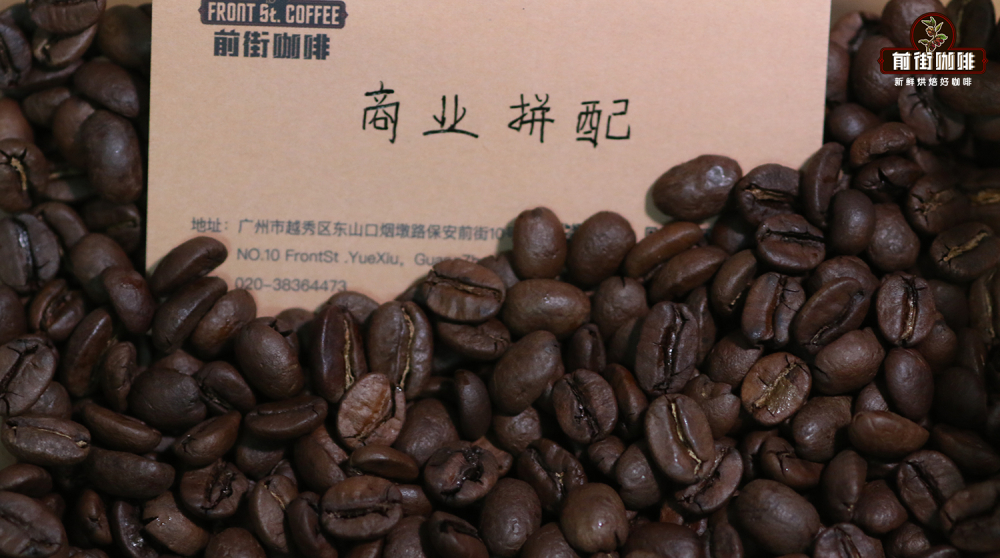
Robusta beans are mostly dark roasted and typically characterized by extremely high body, deep bitterness, low acidity, and flavors mainly of walnut, peanut, hazelnut, barley tea, and grain. When poorly processed, they can show strong earthy flavors and rubbery defects, which is what people sum up as the "Robusta flavor." For that reason Robusta is mostly used in dark-roast espresso blends, where it helps thicken the crema during extraction. FrontStreet Coffee's commercial blend, for example, contains 10% Robusta beans.
Characteristics of Arabica Coffee
As the most popular variety on the market, Arabica's many sub-varieties develop unique, rich aromas and sweet-sour flavors according to the terroir of their growing environment, especially high altitude, volcanic soil, and microclimate. Its smooth texture is easier for most people to accept. Arabica typically shows floral and fruity aromas with elegant flavors reminiscent of flowers, fruit, chocolate, and roasted hazelnuts, and it has higher clarity.

When we analyze the compounds in Robusta and Arabica, we find that the sucrose content in Arabica is almost twice that of Robusta. Sucrose turns into aromatic compounds during roasting, letting coffee give off a wider range of sweet and fragrant aromas. As specialty coffee culture spreads, people place higher demands on coffee's taste, texture, and quality. Arabica, with its varied aromas, therefore suits those demands better than Robusta. FrontStreet Coffee's Panama Geisha coffee, with its unique orange fragrance and honey notes, makes tasters feel as if they are drinking a cup of fruit tea.
Caffeine Content and Cultivation Differences
Compared with Arabica, Robusta has a higher caffeine content, approximately 2.7%-4%, about twice that of Arabica. Caffeine acts as a natural pesticide for the plant, protecting it from most insect damage.
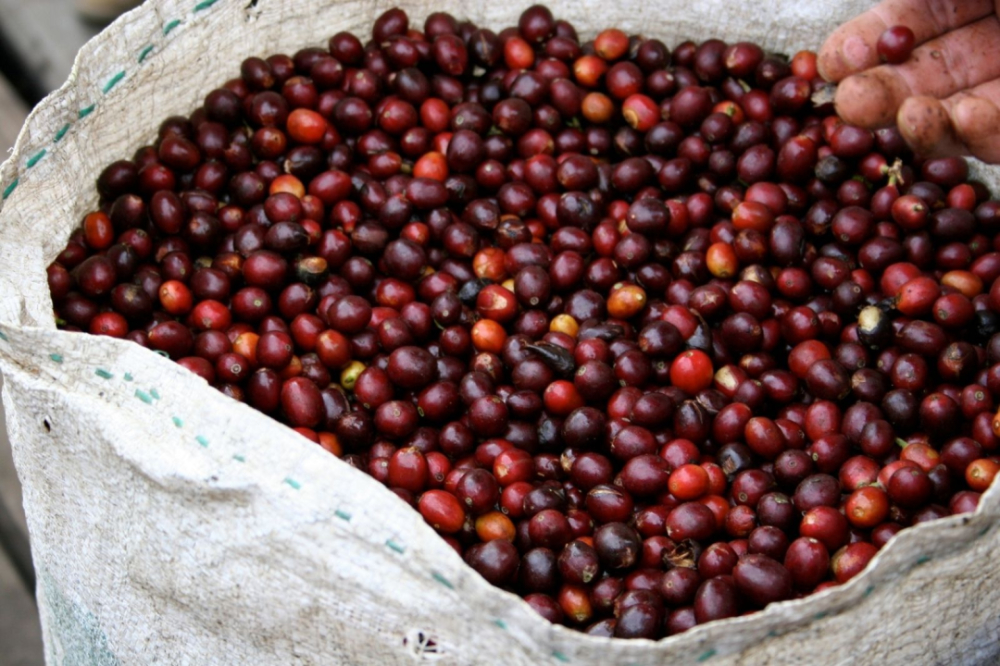
From a cultivation standpoint, Robusta trees tolerate high heat, cold, drought, and humidity. A single Robusta plant also produces a large amount of fruit and adapts strongly to its environment. It can generally be planted on low-altitude plains, allowing direct, uniform mechanical management and harvesting, which naturally makes it cheaper. The production costs for growing Robusta are therefore lower, and it suits commercial mass production.
Challenges of Arabica Cultivation
Although Arabica is preferred by more people, that does not mean it has no drawbacks. Arabica plants are very "picky" about their growing environment.
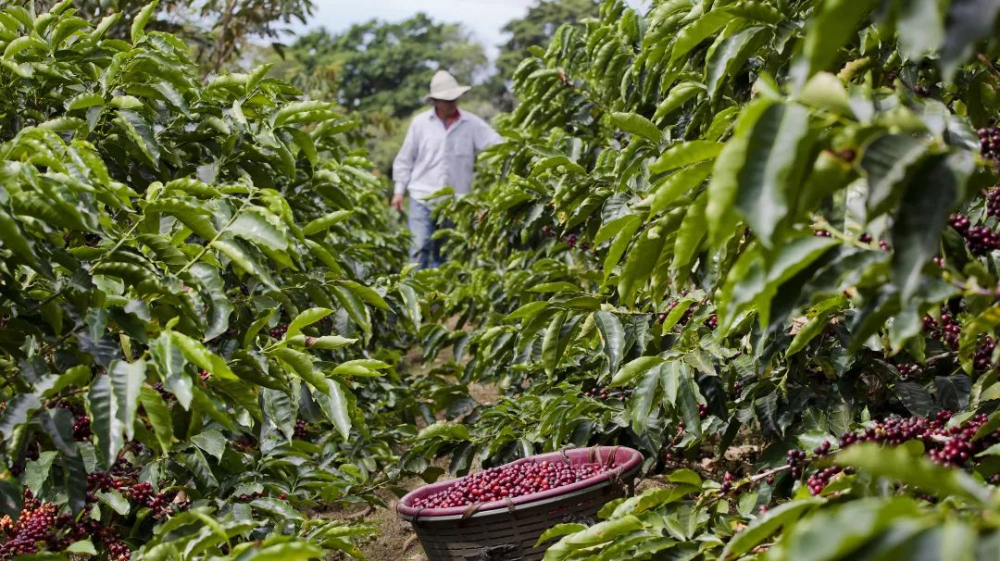
Because Arabica has lower caffeine content, it is more susceptible to pests, so it must be planted above 800 meters in frost-free highlands. The higher the altitude, the more pronounced the temperature difference between day and night, which is more conducive to flavor compounds accumulating in the cherries, and aroma development becomes fuller. Expressing diverse positive flavors requires not only high altitude but also a unique microclimate. Many well-known specialty coffees are produced under such microclimates. High-altitude terrain, however, is often uneven, making planting, management, and harvesting harder, so high-quality Arabica demands higher production costs.
FrontStreet Coffee Recommendation
FrontStreet Classic Blend — Designed for espresso and moka pot brewing, its greatest strength is outstanding crema. Even a beginner on a non-professional home machine can pull a dense, fine layer. Like Robusta blends above, it builds on a traditional Mamba-style recipe with added Robusta, giving butter, nut, spice, dark chocolate, and toast aromas with a sturdy body and that golden crema that makes latte art easy.
FrontStreet Black Cocoa Blend — A high-value option for those who want good taste at a sensible price. Made from 100% Arabica, it has ample crema, a full body, and a friendly price. It brings in the mature plum acidity of Yunnan small-grain beans, and grinding it releases a creamy chocolate aroma; the flavor is balanced and adaptable, so it works for lattes, Americanos, and a range of specialty drinks.
FrontStreet Specialty Blend — The blend FrontStreet's own shops have used longest, close to ten years, carrying core drinks such as Americanos and lattes. It pairs Brazil Cerrado with Colombia Huila for a classic, familiar espresso profile, offering the nutty, chocolate, and caramel notes of Colombian coffee with suitable acidity. Great for home or commercial use.
Important Notice :
FrontStreet Coffee is a long-established specialty coffee roaster in Guangzhou China, selling freshly roasted beans from its own farm in Yunnan as well as dozens of carefully selected single-origin beans from around the world for both pour-over and espresso. The products deliver consistently excellent quality and great value, with shipping within 24 hours. Guangzhou's FrontStreet Coffee shop is recommended by many coffee lovers, and the beans are now available online at the Tmall 。
FrontStreet Coffee has moved to a new address:
FrontStreet Coffee Address: 315,Donghua East Road,GuangZhou
Tel:020 38364473
 Scan and follow the En Gafei WeChat official account. Please indicate that the reprint comes from "En Gafei".