What Are Robusta Coffee Beans? Understanding Robusta Coffee Characteristics, Pros and Cons
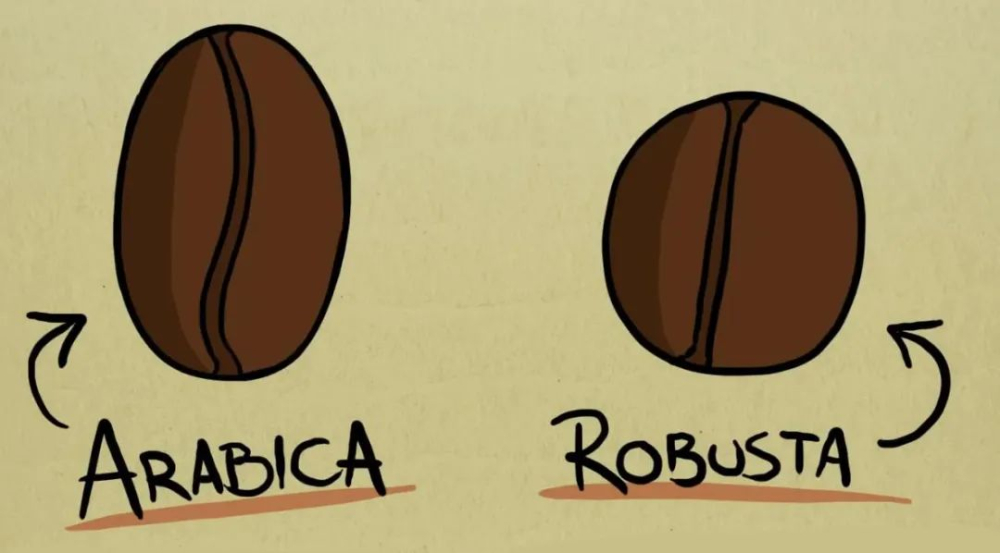
Robusta is the coffee we usually just call "Robusta," and it is one of the two coffee species traded commercially around the world today, the other being Arabica. In everyday coffee talk, Robusta tends to get a bad rap. The words that come up are "harsh" and "bitter." But does Robusta really have to mean bad-tasting coffee? In this article, FrontStreet Coffee takes a closer look at this underrated species.
What Are the Characteristics of Robusta?
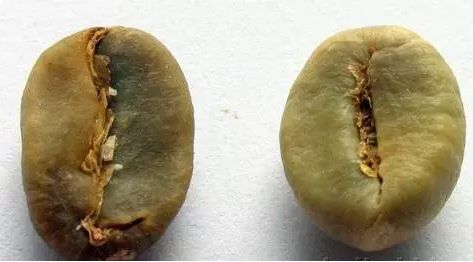
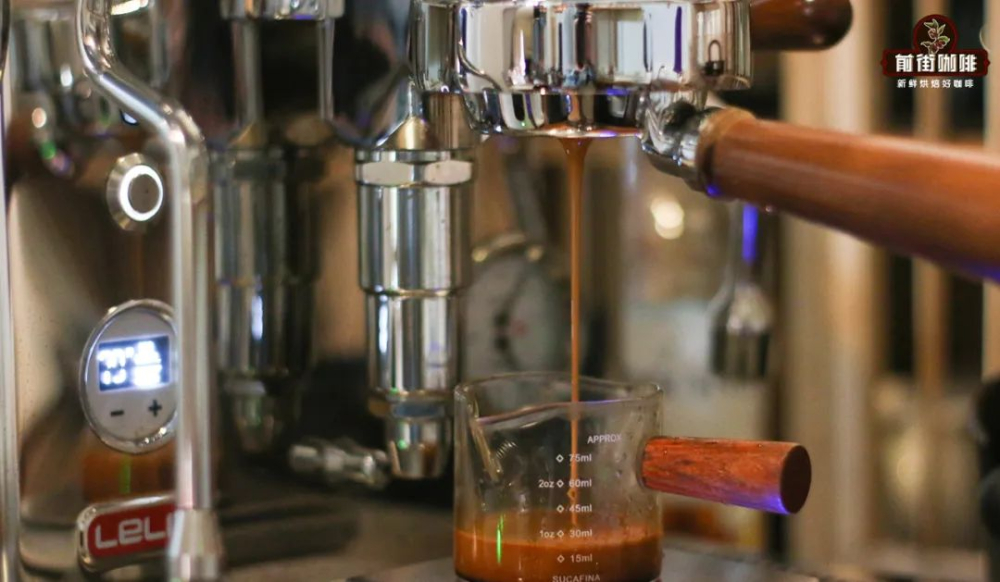
The main reason Robusta is unpopular in coffee circles is that its flavor is simply less appealing than Arabica's. Chemically, Robusta contains a great deal of chlorogenic acid and relatively little sucrose. Chlorogenic acid is a source of bitterness in coffee, and it usually arrives as a deep, heavy bitterness alongside notes of walnut, peanut, hazelnut, barley tea, and grain. When the beans are poorly processed, they can also turn out distinctly earthy, with an unpleasant rubbery taste. Deep-roasted Robusta accumulates a large amount of gas, so when it is pulled as espresso it yields a thick, generous crema, while its substantial flavor gives the cup more body. In Italy, where drinkers prize an intense coffee taste and a rich crema, many cafés add a proportion of Robusta to their espresso blends to amplify that "coffee flavor."
If Robusta Doesn't Taste Good, Why Does So Much of It Get Grown?
The history of coffee tells us that before the idea of specialty coffee took hold, drinkers were not chasing regional flavors and traceability the way they do today. They wanted caffeine and a strong coffee taste, and growers wanted volume and a stable income. Robusta has an advantage Arabica simply cannot match: an extraordinarily strong will to survive.
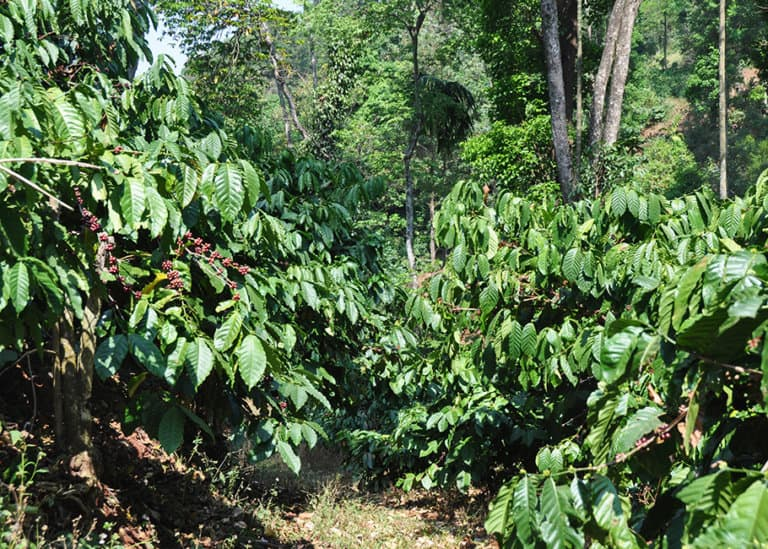
Compared with Arabica, Robusta carries more caffeine — roughly 2.7% to 4%, about twice the level found in Arabica. Caffeine works as a natural pesticide for the plant, protecting it from most insect damage. From a grower's point of view, Robusta trees tolerate heat, cold, drought, and humidity, and they survive at a high rate. Individual plants also yield heavily and adapt readily to their surroundings. They can generally be planted on low-altitude plains, which allows for mechanized, uniform management and harvesting — and that makes their price naturally lower. The cost of growing Robusta is therefore lower, which makes it well suited to commercial mass production. Its combination of high yield, fast maturity, and low management cost fits coffee regions that compete on volume. Vietnam, the world's second-largest coffee producer, grows Robusta on 80% of its coffee land.
On top of that, the environment for growing coffee has been deteriorating in recent years. For Arabica, which is extremely demanding about altitude, terroir, and climate, this has quietly become a serious challenge. Robusta, with its extraordinary resilience, does not have to worry nearly as much about climate and terroir affecting its quality, yield, and flavor. That is why a growing number of coffee professionals have begun to take high-quality Robusta seriously.
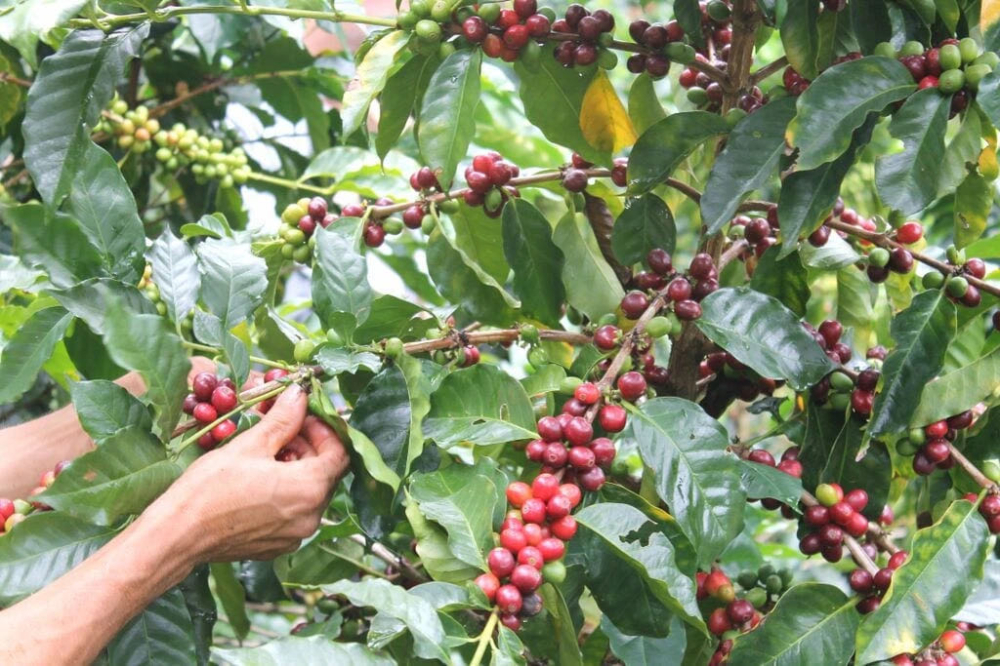
Does Robusta Mean Bad Coffee?
Many people know that specialty coffee means Arabica, but few realize that Robusta has specialty varieties too. Coffee flavor depends not only on variety but also on climate, altitude, and soil in each region, as well as on post-harvest processing, roasting, and brewing — all of which can steer the flavor of the cup. In other words, with the right cultivation and processing, Robusta can show positive flavors as well. India produces a Royal Robusta bean that, through meticulous cultivation and processing, delivers an exceptionally clean profile.
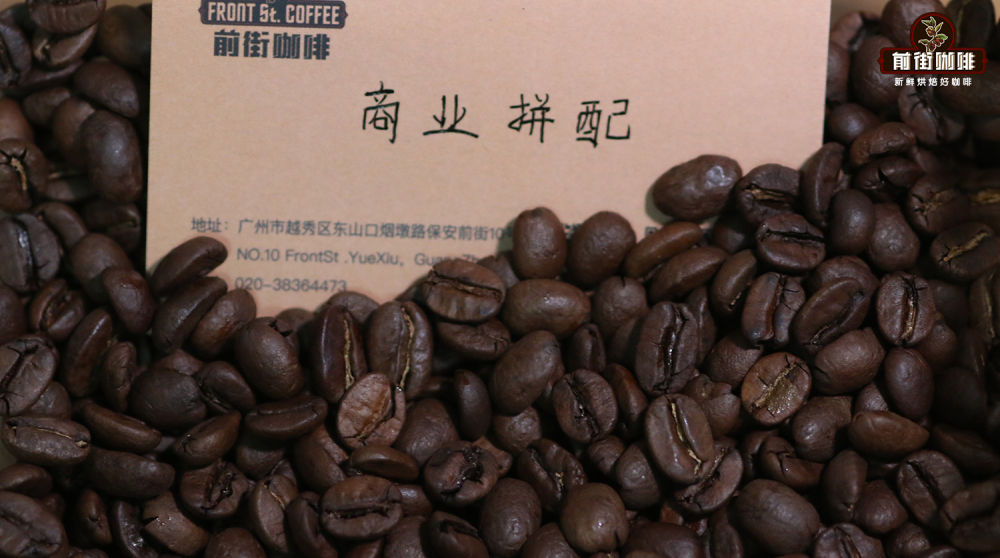
Robusta's flavor overall is rich and intense, and well-known premium Robusta beans are not cheap — they do not fit every budget. FrontStreet Coffee therefore suggests starting with an espresso built on a Robusta blend. As noted above, deep-roasted Robusta produces abundant crema during extraction. FrontStreet Coffee wanted an espresso blend that would show off a rich, aromatic crema, so we added 10% washed Robusta, combined with 30% washed Colombian beans and 60% Brazilian natural pulped beans, to create FrontStreet Coffee's Commercial Blend. The resulting espresso has a rich golden crema and nutty aromas. On the palate you taste the roasted bitterness of coffee, but it is carried by a creamy, full-bodied texture. After you swallow, the bitterness fades and leaves a fragrant aftertaste.
For professional coffee knowledge exchange and more coffee bean information, please follow Coffee Workshop (WeChat official account: cafe_style). For more specialty coffee beans, please add FrontStreet Coffee on private WeChat (FrontStreet Coffee), WeChat ID: qjcoffeex
FrontStreet Coffee Recommendation
If you want to see what a well-handled Robusta can bring to a cup, espresso is the clearest place to look. FrontStreet Coffee's Classic Blend and Commercial Blend both start from an old-school Italian recipe with a small addition of Robusta, and that is exactly what produces the golden crema, the buttery, nutty, and dark-chocolate aromas, and the bold, full-bodied texture. Both are forgiving enough for a home machine or a moka pot, and both are the blends FrontStreet baristas reach for when building Americanos and lattes.
For a different route, try FrontStreet Coffee's Black Cocoa Blend, made from 100% Arabica. It still pours generous crema and keeps a rich, mellow body, but its price is kinder to anyone watching costs — a sensible choice for a café or for daily drinking at home. Whichever you pick, the point stands: Robusta is not simply "bad coffee." Handled well, it earns its place in the blend.
Important Notice :
FrontStreet Coffee is a long-established specialty coffee roaster in Guangzhou China, selling freshly roasted beans from its own farm in Yunnan as well as dozens of carefully selected single-origin beans from around the world for both pour-over and espresso. The products deliver consistently excellent quality and great value, with shipping within 24 hours. Guangzhou's FrontStreet Coffee shop is recommended by many coffee lovers, and the beans are now available online at the Tmall 。
FrontStreet Coffee has moved to a new address:
FrontStreet Coffee Address: 315,Donghua East Road,GuangZhou
Tel:020 38364473
 Scan and follow the En Gafei WeChat official account. Please indicate that the reprint comes from "En Gafei".