
How Ethiopian Coffee is Graded and Why Ethiopian Coffee Beans Vary in Size

For more professional coffee knowledge and bean information, follow Coffee Workshop.
Coffee lovers who brew pour-over at home often notice that beans from Ethiopia vary in size, while beans from other regions are generally uniform. Why is that? In this article, FrontStreet Coffee explains why Ethiopian coffee beans vary in size and what the country's grading standards are.
Why Do Ethiopian Coffee Beans Vary in Size?
Experienced drinkers know that Ethiopia is the birthplace of coffee. Within Ethiopia alone, as many as 5,000 native coffee varieties have been found in the forests of the southern Kaffa region, and nearly 2,000 varieties have been recorded (1,927 native and 128 introduced).
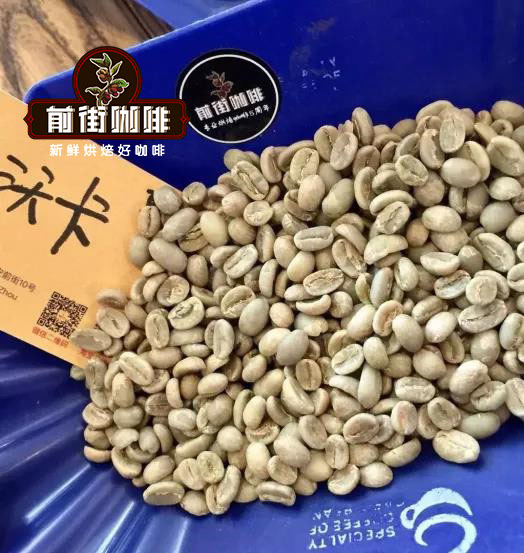
[Image: Ethiopian Yirgacheffe Worka Cooperative green coffee beans]
According to FrontStreet Coffee's research, Ethiopia currently has roughly 10,000 to 15,000 heirloom varieties, most of which have never undergone formal genetic identification. Given their astonishing number, the difficulty of identifying and classifying them, and the Ethiopian government's protective stance on disclosing such information, they are collectively referred to as "Heirloom" varieties.
Ethiopia is therefore a coffee variety library of enormous potential. Varieties such as Typica and Geisha also originate from Ethiopia. With thousands of different beans in play, this is the first reason Ethiopian coffee beans vary in size.
Ethiopian Coffee Bean Grading System
The variation in bean size also stems from Ethiopia's grading system. Before the establishment of the Ethiopia Commodity Exchange (ECX), Ethiopian export grades were set by the CLU (Cupping and Liquoring Unit) under the Ministry of Agriculture, based mainly on the number of defective beans in a 300g sample. The grading standards are shown in the table below.
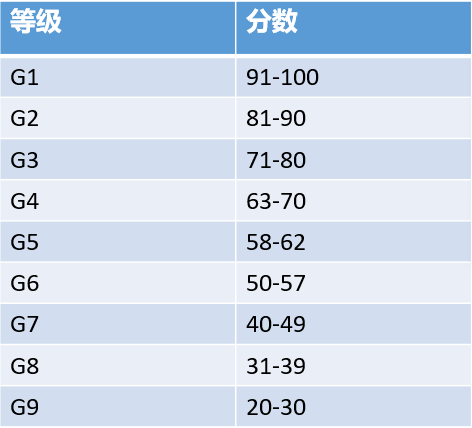
Generally, washed coffees are graded G1-G2. Because of technical problems with natural processing at the time, natural green beans had more defects and were typically graded G3-G5. As natural processing technology improved, natural beans can now also reach G1-G2.
Current Ethiopian ECX Grading System
(Applicable to private processing systems that export through ECX bidding or to green beans exported through ECX)
According to FrontStreet Coffee's research, after ECX (Ethiopia Commodity Exchange) was established in 2008, Ethiopian coffee regions began grading on a combination of physical characteristics and cupping flavor.
ECX sorts all coffee into three categories by processing method:
a. Specialty: Few defects, high cupping quality
b. Commercial: Does not meet specialty grade but stands above the Local/Domestic consumption grade
c. Local/Domestic: More defects (unripe beans), over-seasoned or poorly stored coffee with relatively poor flavor. (Consumed domestically within Ethiopia, not circulated on international markets)
Of these, Specialty and Commercial are for international export. Each category has slightly different standards. Next, FrontStreet Coffee shares the grading standards for Ethiopian beans at the commercial and specialty levels.
Commercial Grade Standards
ECX divides green beans into nine grades based on the total score of physical characteristics plus cupping flavor, with physical characteristics accounting for 40% and cupping quality for 60% (SCAA cupping standards). The grading standards are shown in the table below.
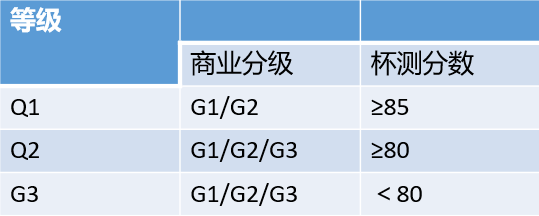
Scores between 15 and 19 are classified as UG, meaning ungraded.
Specialty Grade Standards
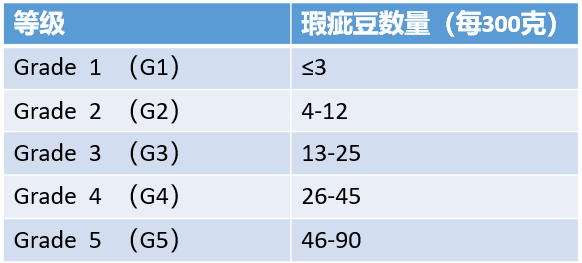
This grade is basically classified on top of the commercial grading. When commercial grading reaches Grade 1-3, a specialized cupping evaluation is performed. For the evaluation standards, refer to the SCA standard cupping basic requirements.
Physical characteristics account for 40% (washed group: defects 20% + appearance size 10% + color 5% + odor 5%; unwashed group: defects 30% + odor 10%).
Cupping quality accounts for 60% (cleanliness 15% + acidity 15% + body 15% + flavor 15%).
The above is FrontStreet Coffee's compilation of information on why Ethiopian coffee beans vary in size, in the hope of helping drinkers who want to understand the topic. FrontStreet Coffee's current Ethiopian beans are almost all of the highest grade, G1, with flavor quality fully guaranteed. Coffees such as Yirgacheffe Natural Red Cherry and Washed Gedeb have excellent flavors, and below FrontStreet Coffee recommends several high-quality Ethiopian beans.
FrontStreet Coffee Ethiopian Yirgacheffe Natural Red Cherry Coffee Beans
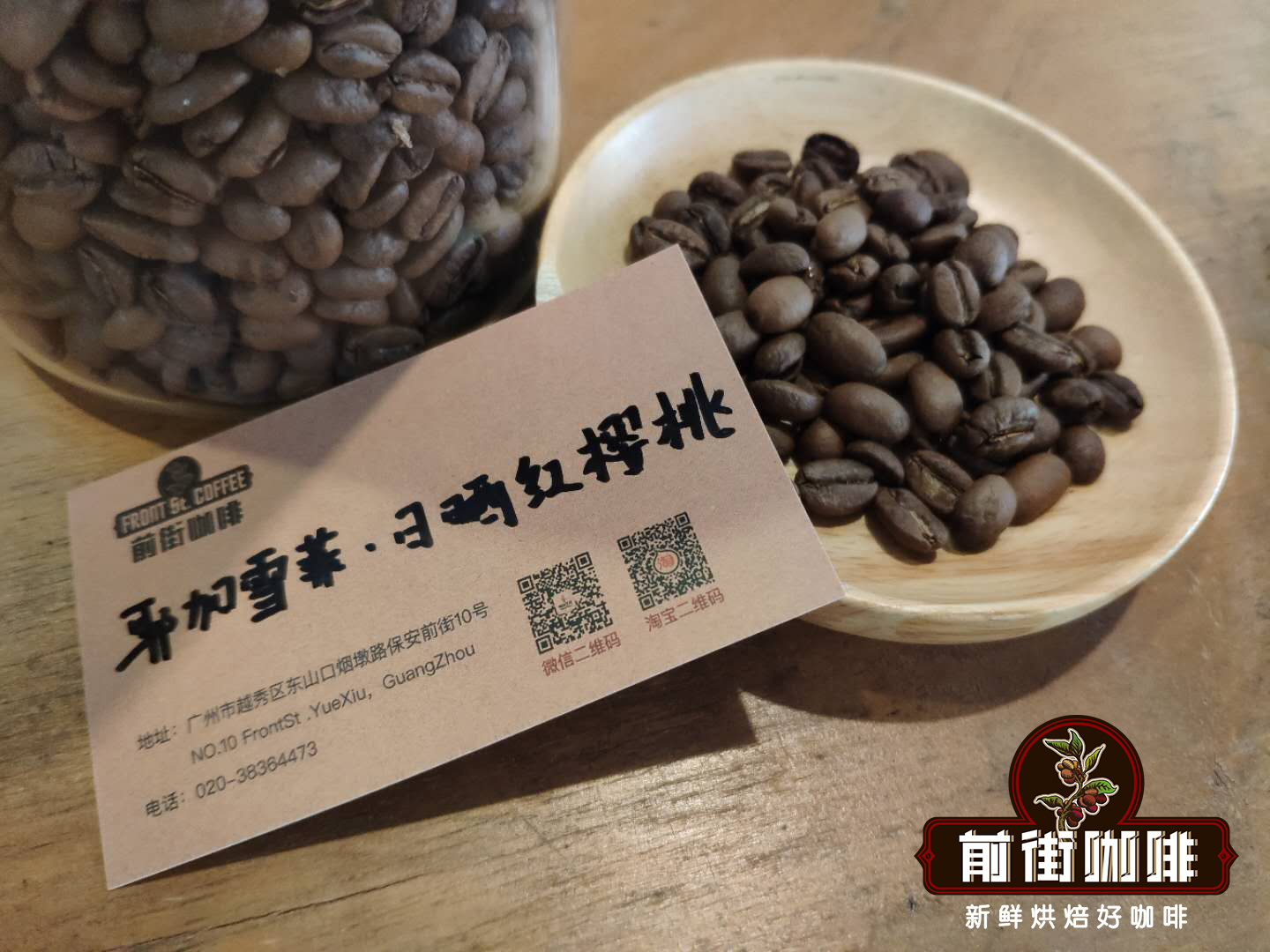
Country: Ethiopia
Region: Yirgacheffe
Altitude: 2300m
Variety: Local Heirloom
Processing: Natural Processing
Flavor: Berries, lemon, strawberry, fermented wine aroma
FrontStreet Coffee's Natural Red Cherry beans are made from 100% mature coffee cherries using natural processing, giving a full flavor, rich sweetness and fermented character.
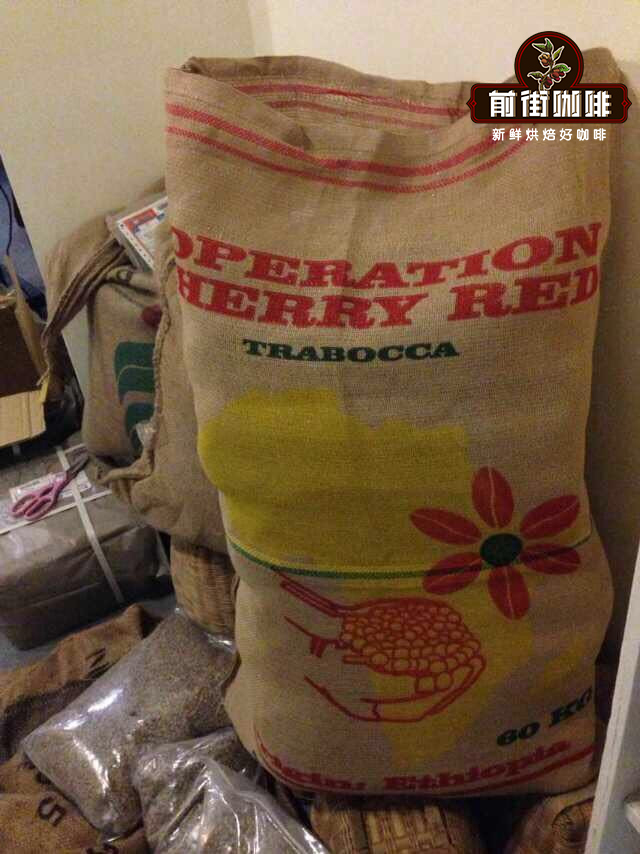
These beans come from the "Red Cherry Project" jointly initiated by local Ethiopian coffee farmers and the Dutch trader Trabocca. The project aims to improve the quality of coffee from small farms and raise farmers' incomes. Harvesting fully mature coffee fruit requires picking only fully red, high-maturity cherries by hand, which is just the most basic requirement; there are corresponding requirements for processing method as well.
FrontStreet Coffee Ethiopian Gedeb Cooperative Coffee Beans
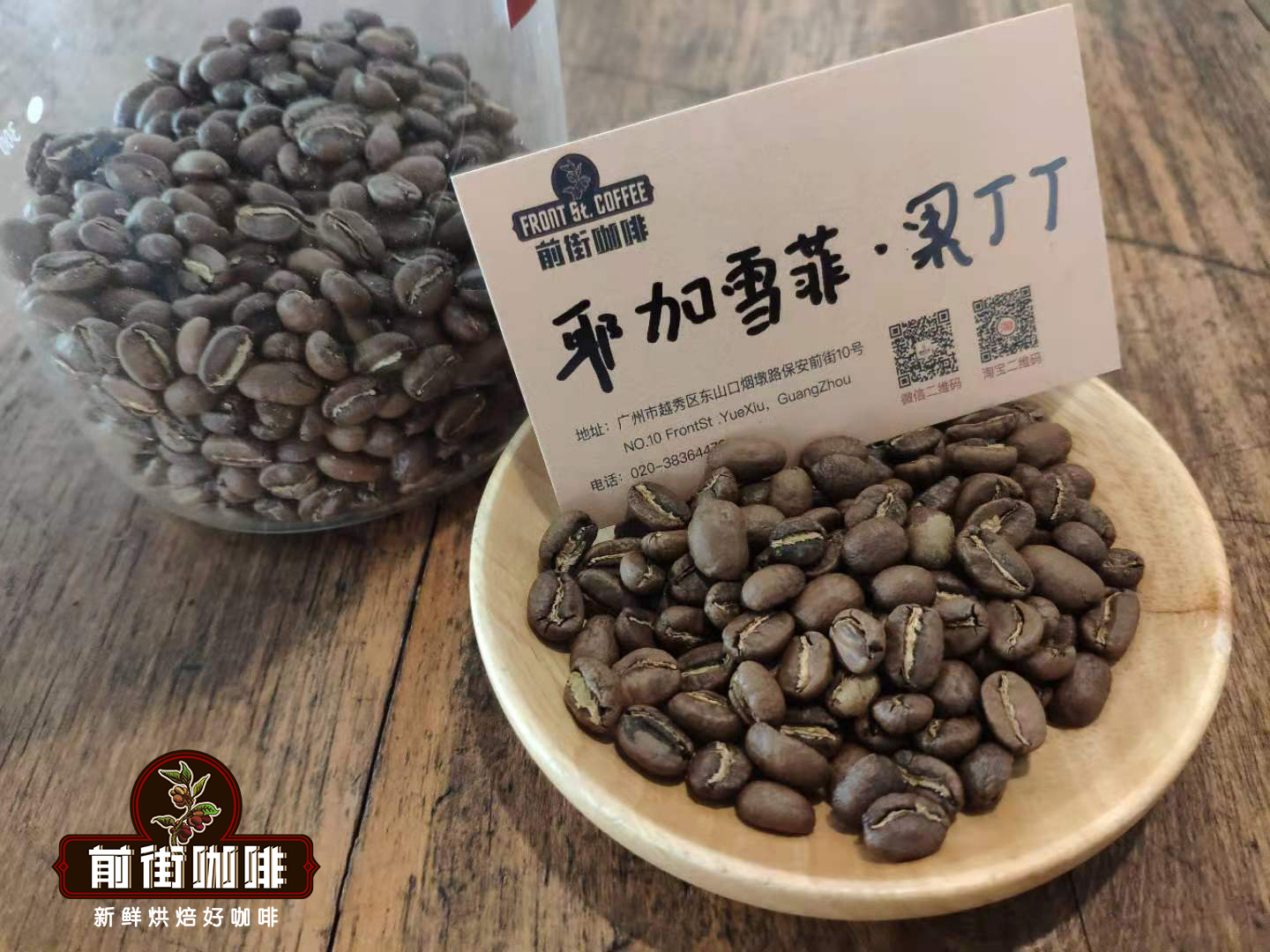
Country: Ethiopia
Region: Yirgacheffe
Altitude: 1900-2300m
Variety: Local Heirloom
Processing: Washed Processing
Flavor: Tropical fruits, cream, honey, berries, citrus
According to FrontStreet Coffee's understanding, Gedeb Cooperative was originally part of the Worka Cooperative under the Yirgacheffe Union (YCFCU) and became independent as Gedeb Cooperative in 2012. It currently has about 300 smallholder members. Because Gedeb village was one of the first areas to separate independently, and many smallholders were originally members of the Worka Cooperative, their coffee production skills are unquestionable, and the beans they produce naturally have excellent flavor.
FrontStreet Coffee Ethiopian Sidamo Guji Coffee Beans
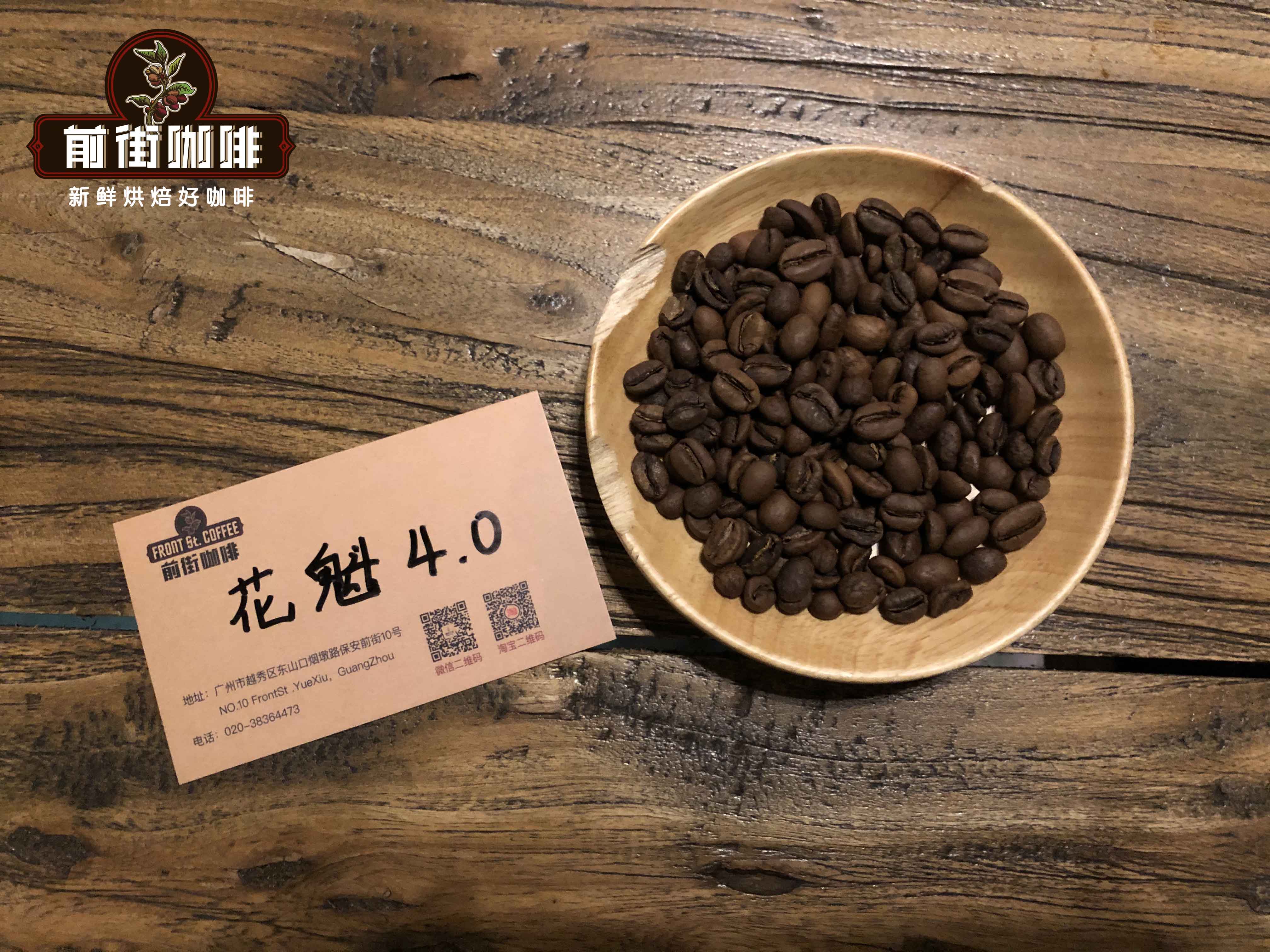
Country: Ethiopia
Region: Sidamo
Altitude: 2250-2350m
Variety: Local Heirloom
Processing: Natural Processing
Flavor: Berries, floral tea, honey, lemon, black tea
These beans were originally an unknown variety. In 2017, the Ethiopian green-bean supplier DW entered this coffee in the TOH (Taste of Harvest) green-bean competition organized by the African Fine Coffee Association. A natural-processed lot from the "Buku Abel" processing station won the Ethiopian TOH championship with its rich strawberry and cream aroma. This bean is the English direct translation of "Hanbella."
It is called "Guji" in China because this batch of green beans was imported by green-bean traders in Beijing, and given its championship status it was given the name "Guji."
FrontStreet Coffee Recommendation
Among Ethiopia's many regions, Yirgacheffe is the name most people meet first, and FrontStreet Coffee's washed Yirgacheffe daily bean remains the classic introduction. It is known for white jasmine, bright citrus and lemon acidity and a tea-like quality, and its friendly price has made it the first specialty coffee for a great many drinkers. Yirgacheffe is a small town in the Sidama province of southern Ethiopia, at about 1,700-2,100 meters, with trees planted above 1,800 meters, which places it among the highest coffee regions in the world; it was historically a wetland, and its highly distinctive white florals and lemon-citrus acidity turned "Yirgacheffe" into a byword for Ethiopian specialty coffee. In 2010 its fame grew so great that the Ethiopia Commodity Exchange separated it from Sidamo.
For a clearer taste of a cooperative lot, FrontStreet Coffee's Gutingting cooperative coffee comes from Gutingting village. Yirgacheffe town is made up of many small zones and villages, and some are home to seasoned cooperatives with mature processing skills; the washed Gutingting cooperative is the standout. It sits in the Worka area at the southeastern end of Yirgacheffe and was originally part of the Worka cooperative under the Yirgacheffe Union. As buyers chased traceability, it was singled out as a "single origin." Gutingting follows the most traditional washed processing, and the coffee carries none of the traditional bitterness, only fresh, bright citrus and lemon acidity and jasmine fragrance.
FrontStreet Coffee's Sun-Dried Red Cherry shows the natural side of Yirgacheffe. It is a whole-red-cherry natural: only fully ripe, sound cherries are picked, screened once at the processing station, then laid on raised beds to dry, turned every two to three hours in the first days to prevent uneven heating and over-fermentation. After three to five weeks of sun, the outer fruit is machine-scraped and the beans are stored. Because they dry with the fruit still on the bean, they keep Yirgacheffe's classic character while gaining a natural's tropical fruit, with citrus acidity, berry juice, honeyed sweetness and a creamy smoothness. FrontStreet Coffee suggests a V60 at 90-91°C, 15g of coffee at a 1:15 ratio and a grind of EK43s setting 10, about the size of fine sugar and 80% passing a #20 sieve: a 30g pour with a 30-second bloom, then 95g to about 125g over about a minute, and when the water drops to two-thirds of the bed, the remaining 100g to about 225g by 1:35, finishing at 2:00-2:10.
Important Notice :
FrontStreet Coffee is a long-established specialty coffee roaster in Guangzhou China, selling freshly roasted beans from its own farm in Yunnan as well as dozens of carefully selected single-origin beans from around the world for both pour-over and espresso. The products deliver consistently excellent quality and great value, with shipping within 24 hours. Guangzhou's FrontStreet Coffee shop is recommended by many coffee lovers, and the beans are now available online at the Tmall 。
FrontStreet Coffee has moved to a new address:
FrontStreet Coffee Address: 315,Donghua East Road,GuangZhou
Tel:020 38364473
 Scan and follow the En Gafei WeChat official account. Please indicate that the reprint comes from "En Gafei".

